Nederlands
SpaceX plans 50-billion-dollar supercomputer campus in Arizona
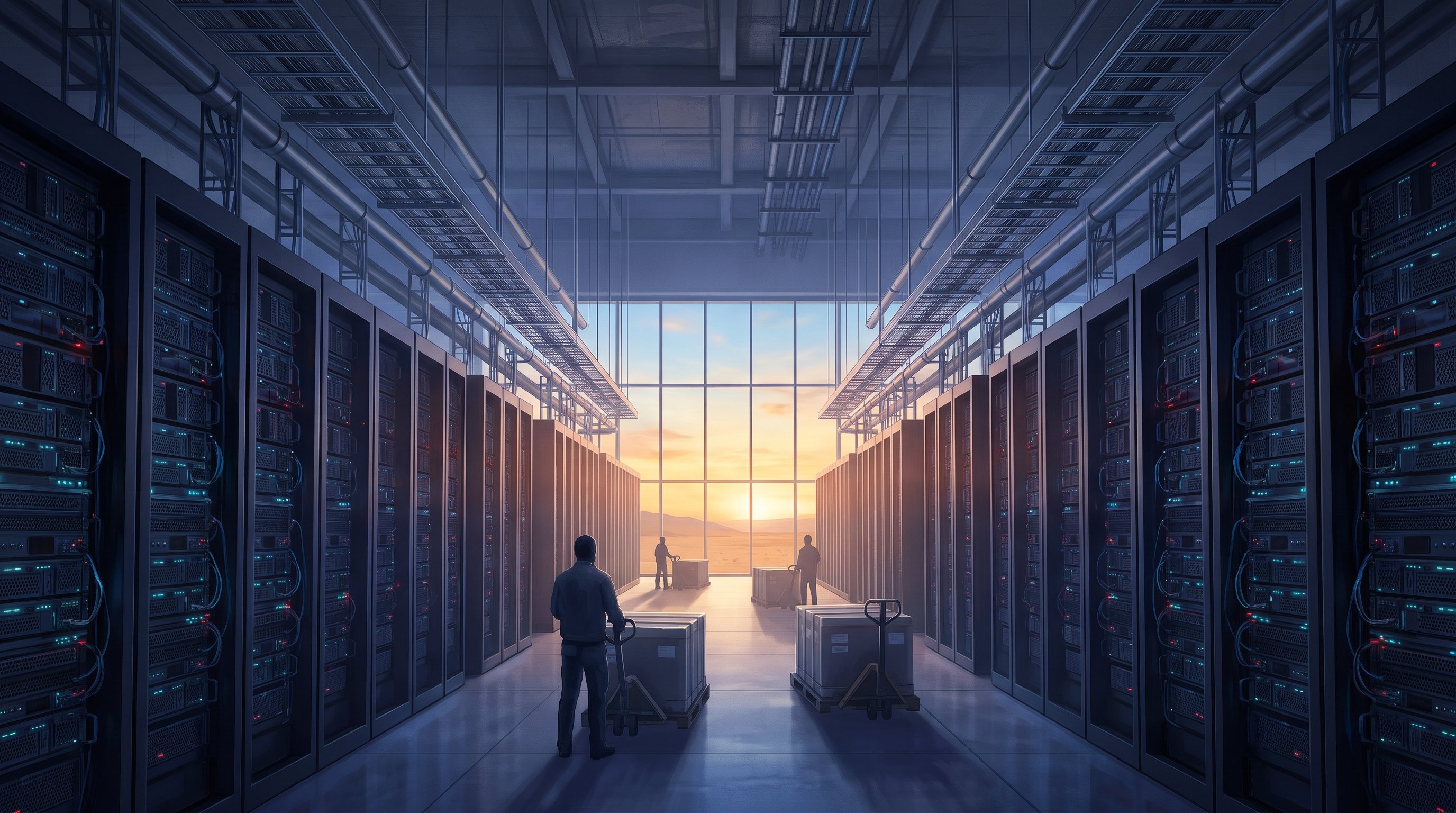
SpaceX wants to invest about 50 billion dollars in a computing centre in the Arizona desert that will eventually need more than 6 gigawatts of electricity. It will be cooled with air, without groundwater. The county still has to approve the plan.
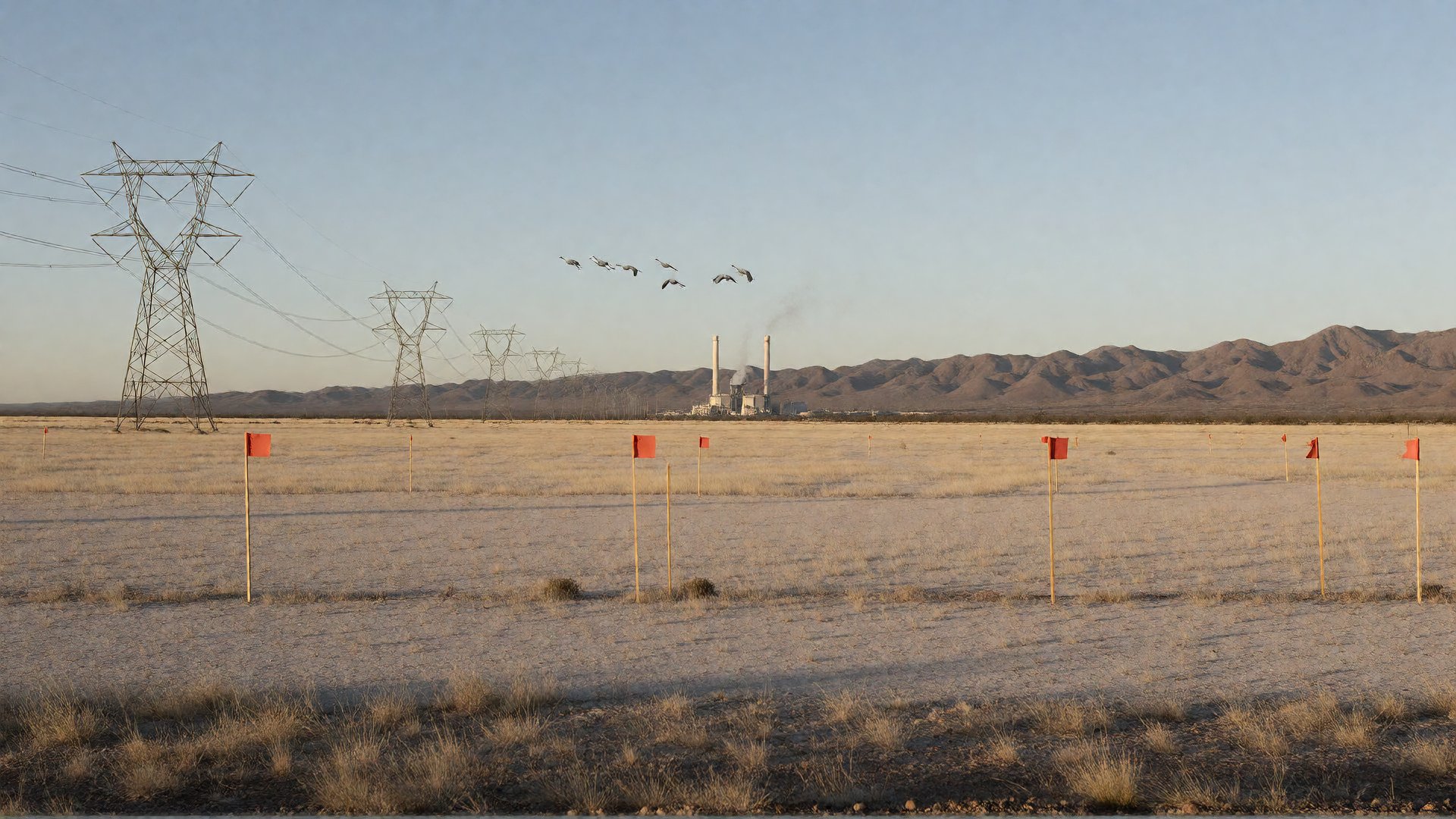
SpaceX has put a price on its plan for a large computing centre in Cochise County, Arizona: about 50 billion dollars, or roughly 45 billion euros. It is the second large project in a short time: SpaceX also wants to build a computing centre with its own gas-fired power station near Starbase in Texas, so that it does not have to wait there for electricity from the grid. According to SpaceX, the two together add up to more than 74 billion dollars.
The application was filed at the end of October under the name Tombstone Resources. Only at a crowded meeting for residents did it become clear that SpaceX is behind it.
Six gigawatts in the desert
The site lies near Willcox Playa, a dry salt flat about 130 kilometres east of Tucson, and covers more than 300 hectares. It will have up to nine buildings. SpaceX wants to bring the centre into use in four steps of about 1.5 gigawatts each, reaching more than 6 gigawatts when everything is finished: six times as much as the power station next to it. That is about 2.5 times as much as all the data centres around Phoenix together, the newspaper The Arizona Republic calculated. A large battery is meant to absorb peaks: it can store 24 gigawatt-hours, enough to run the entire centre for about four hours. In addition, about 3.6 billion dollars will go to the electricity grid of two local cooperatives that supply the power.
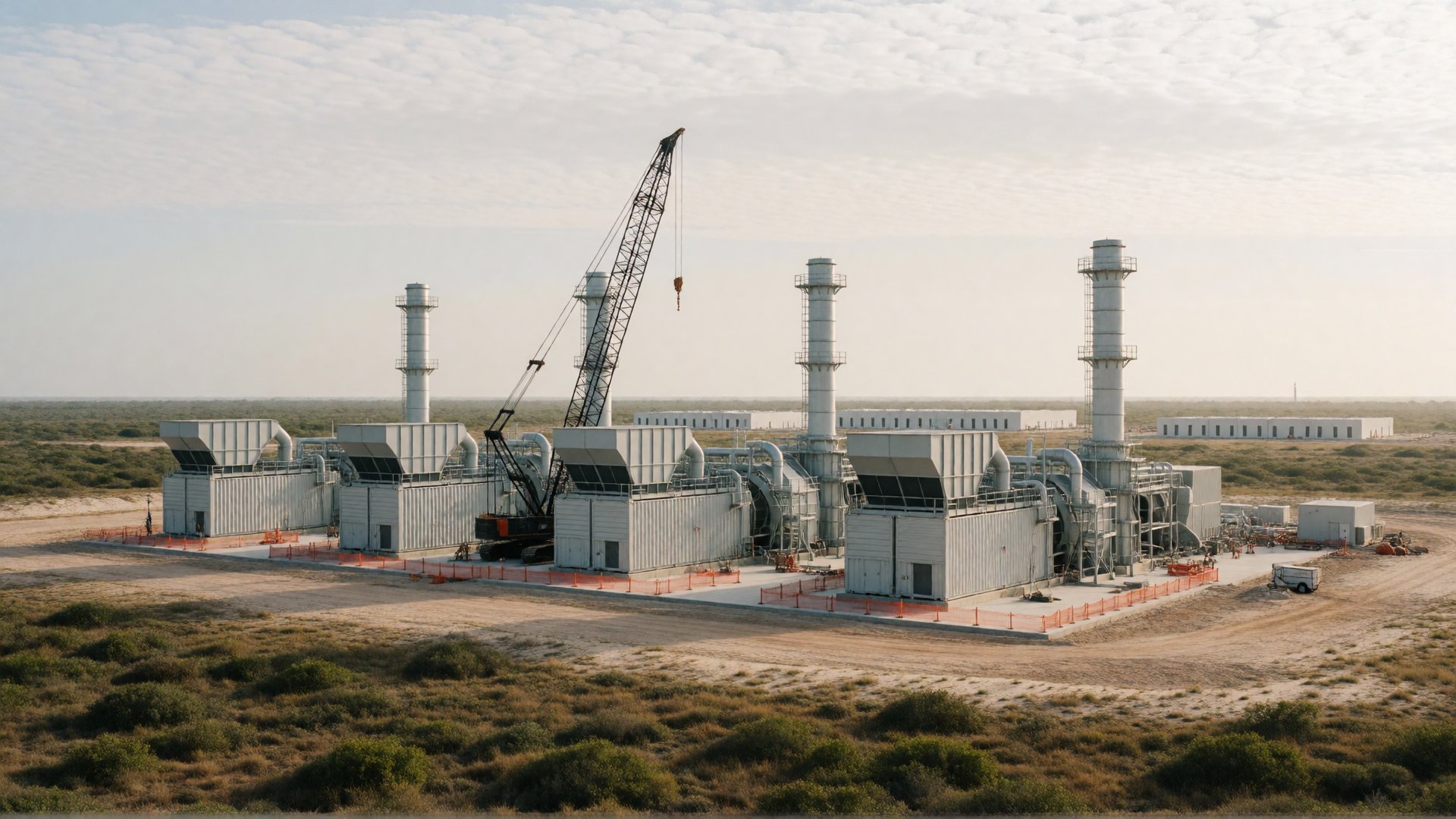
That power station next to the site, the Apache plant, runs on coal and natural gas and produces about 1 gigawatt. It was originally due to close in 2028. SpaceX has told residents that the investment could let the plant grow to more than 6 gigawatts.
Cooling with air
The computers will be cooled with air, and SpaceX will not pump groundwater for the centre itself. An existing well will only supply water for drinking, maintenance and cleaning equipment: about 9 to 12 million litres a year, as much as 20 to 30 American households use. A power station also uses water itself. How much that will be for this project has not yet been calculated.
SpaceX promises about 5,500 jobs during construction, 1,000 permanent jobs and lower electricity bills and taxes for the area. Not everyone is convinced: a petition against the plan has about 2,400 signatures. The planning and zoning commission of Cochise County will hold a public hearing on 9 December 2026. If the county approves it, construction can start in March 2027.
What does this mean for the road to the singularity?
Anyone who wants a lot of computing power now looks for electricity first and only then for a building site. That is why SpaceX is building next to an existing power station, with its own battery and money for the grid, and is cooling with air in a region where water is scarce. This shifts the biggest question from water to electricity: whoever can arrange enough power can grow.
That puts the surrounding area in a strong negotiating position. A company that wants to put 50 billion dollars somewhere has to offer the neighbours something: jobs, lower bills, a stronger grid. If those agreements are recorded well and can be checked, such a computing centre could give a dry, thinly populated region a more reliable power grid and work. The open question is what kind of power it will be: an old coal and gas plant that keeps running, or new clean generation that also makes the battery and the grid useful for the residents.
What is the technological singularity? Read the explanation →