Nederlands
Chip
A chip is a small piece of silicon with billions of tiny switches, the transistors, on which a computer calculates and remembers. AI chips are built to do the huge amount of computation behind AI models quickly.
A chip, or integrated circuit, is a small slice of silicon carrying billions of minuscule switches: transistors. By switching them on and off, a computer calculates and remembers data. Every phone, car and server contains dozens of chips. You can think of a chip as a city on a postage stamp, with streets, junctions and storerooms that all work together.
How does it work?
Chips are made by printing patterns with light onto a wafer of silicon, layer by layer. Sizes are expressed in nanometres, billionths of a metre. The smaller the components, the more fit in the same space. That usually makes a chip faster and more economical, although it also depends on the design.
Running an AI model means a great deal of computation that can be done at the same time. That is why data centres use chips that are good at this, such as Nvidia's graphics chips. In addition, companies design their own AI chips. A chip also needs memory, and the closer that sits to the computation, the faster things go.
Why it matters
Chips determine how fast and how cheap AI can become. At a major data centre trade show, the American company d-Matrix showed that an AI model answers faster when ordinary graphics chips and its own chips share the work, each doing the part it is good at (link).
It is also about who can make the chips. Japan gave TSMC the go-ahead to make 3-nanometre AI chips in Kumamoto from the end of 2028, the first time in that country (link). Meanwhile China is showing how far it has got with its own chips: there, the company Sugon linked 100,000 domestically made computing cards into a computing cluster (link). Reports like these show that chips are not just technology, but also decide where computing power for AI becomes available.
Articles about Chip
-
Researchers see a supersolid at room temperature in a mixture of light and matter
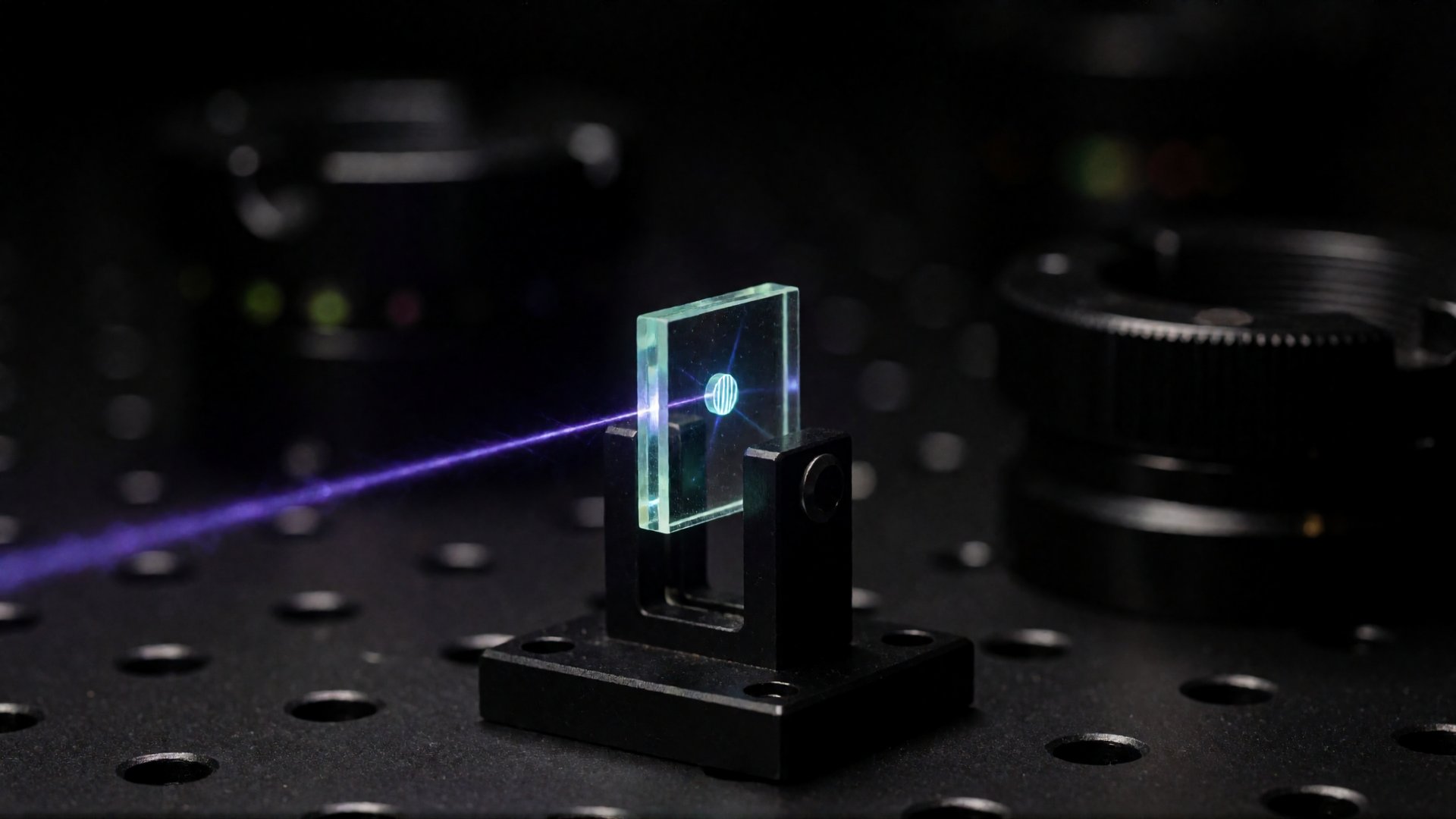
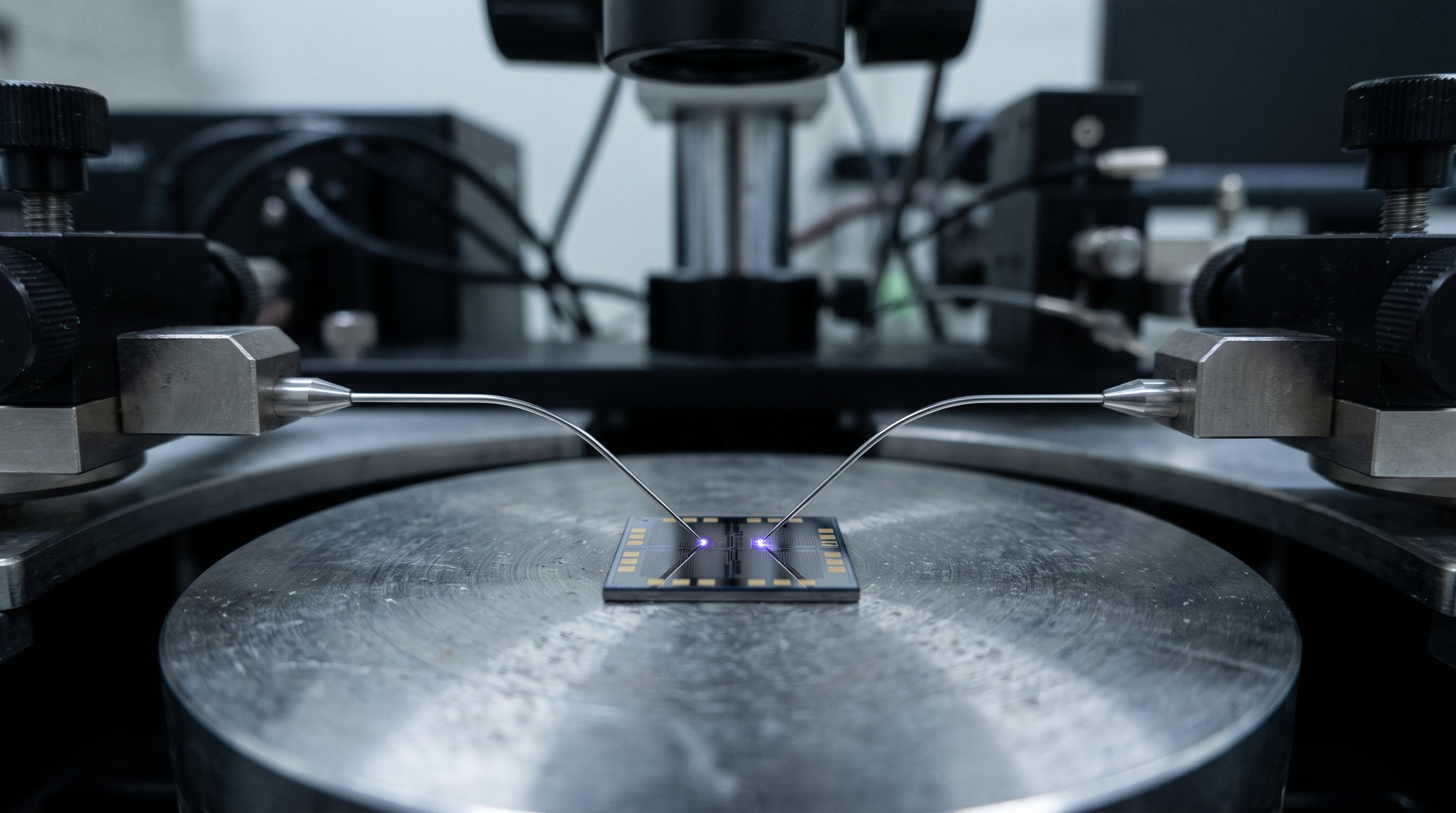
Researchers from Poland, Switzerland and France have seen a supersolid at room temperature: a quantum state that combines the regular pattern of a crystal with flow without friction. This usually needs extreme cold. Their set-up can also be controlled with an electric voltage.
-
SLAC measures the shortest high-energy X-ray flashes ever produced by an X-ray laser
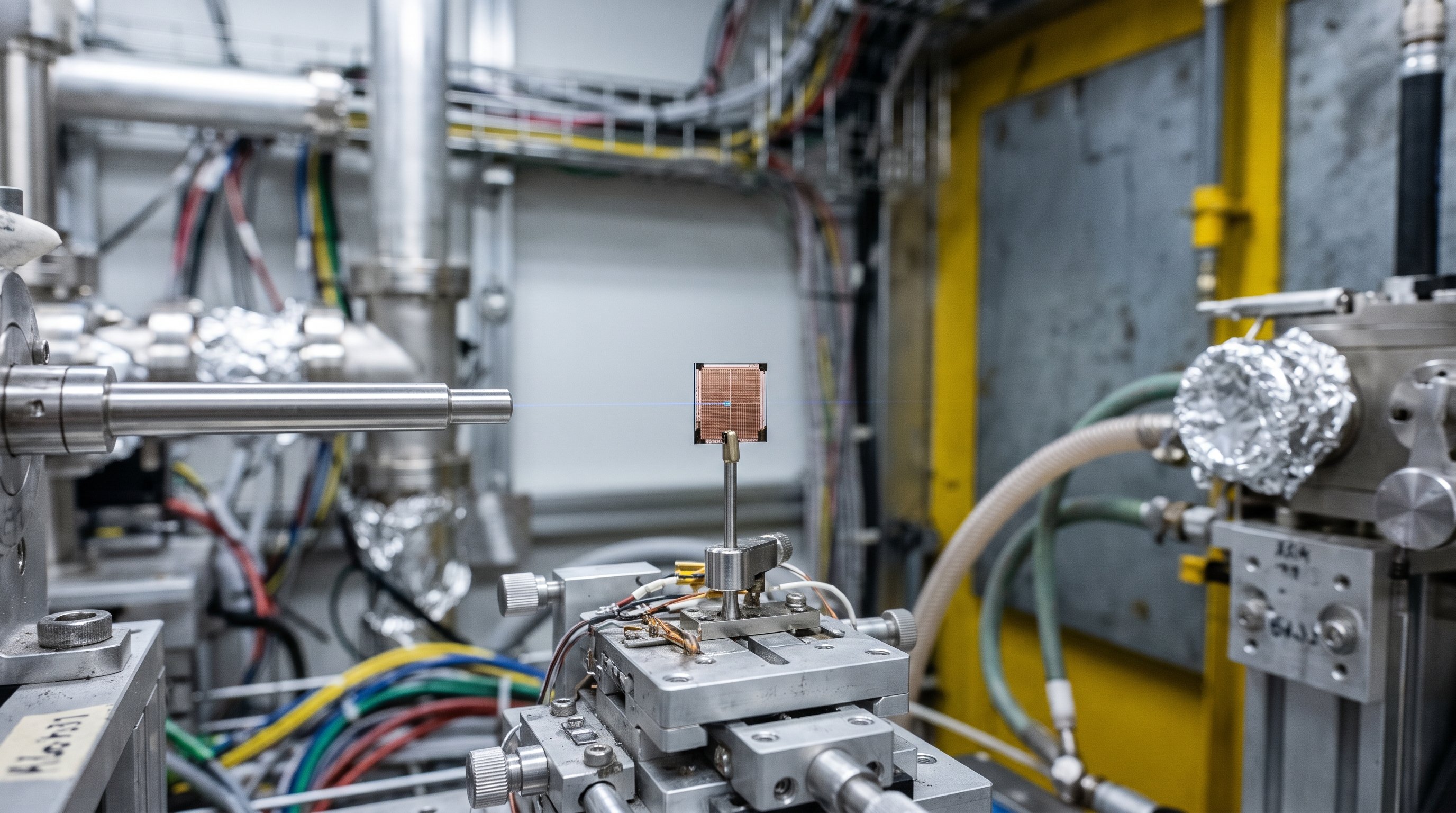
Researchers at SLAC in the United States have shown that their X-ray laser makes high-energy flashes lasting 100 to 400 attoseconds, the shortest ever from such a laser, according to SLAC. They can use them to watch electrons in action, even deep inside dense materials such as hot plasma.
-
Anthropic uses AI to determine, for the first time, the shape of a puzzling protein shell from the bacterial world
Anthropic's biology team has used its AI assistant Claude to determine, for the first time, the 3D shape of a vault from the bacterial world: a hollow protein shell made with a protein from a bacterial virus. What such shells do in cells is now being studied further.
-
New AI memory condenses a whole stack of documents into 16 tokens for each question
Researchers from Stanford and other institutions built Memorilla, a memory that condenses a whole collection of documents into 16 tokens for each question. In their own tests, a language model usually scores better with it than with all the text, and answers much faster. Exact names are sometimes lost.
-
Thinking Machines Lab releases Inkling 2 Small, open version to follow after safety tests
The AI company of former OpenAI executive Mira Murati has started its second generation of models with Inkling 2 Small. The model is available through the company's own platform, Tinker. The company wants to release it next week, once the external safety tests are finished.
-
NVIDIA releases four AI models that let robots and self-driving cars practise in a simulated world
With four new Cosmos 3 models, researchers and companies can make video of a simulated world that reacts to what a robot or car does. The models are free to download. The next step is to measure where they are reliable enough.
-
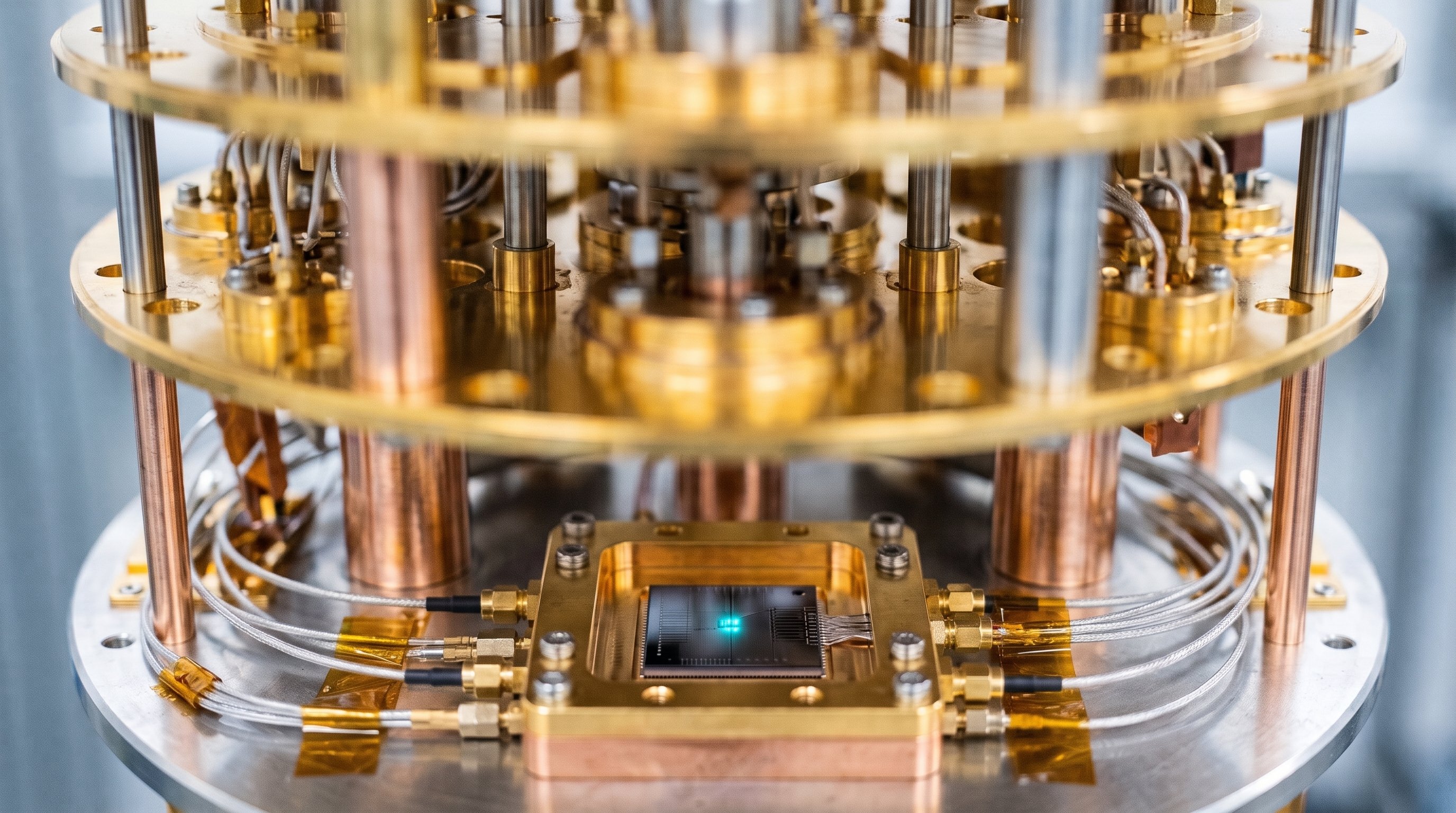
One short measurement beforehand halves a qubit's errors
A team led by the University of Regensburg had a qubit briefly measure which frequency it was on before each series of calculations, then adjusted the controls automatically. Errors fell by about 54 per cent. The next step is more qubits at once.
-
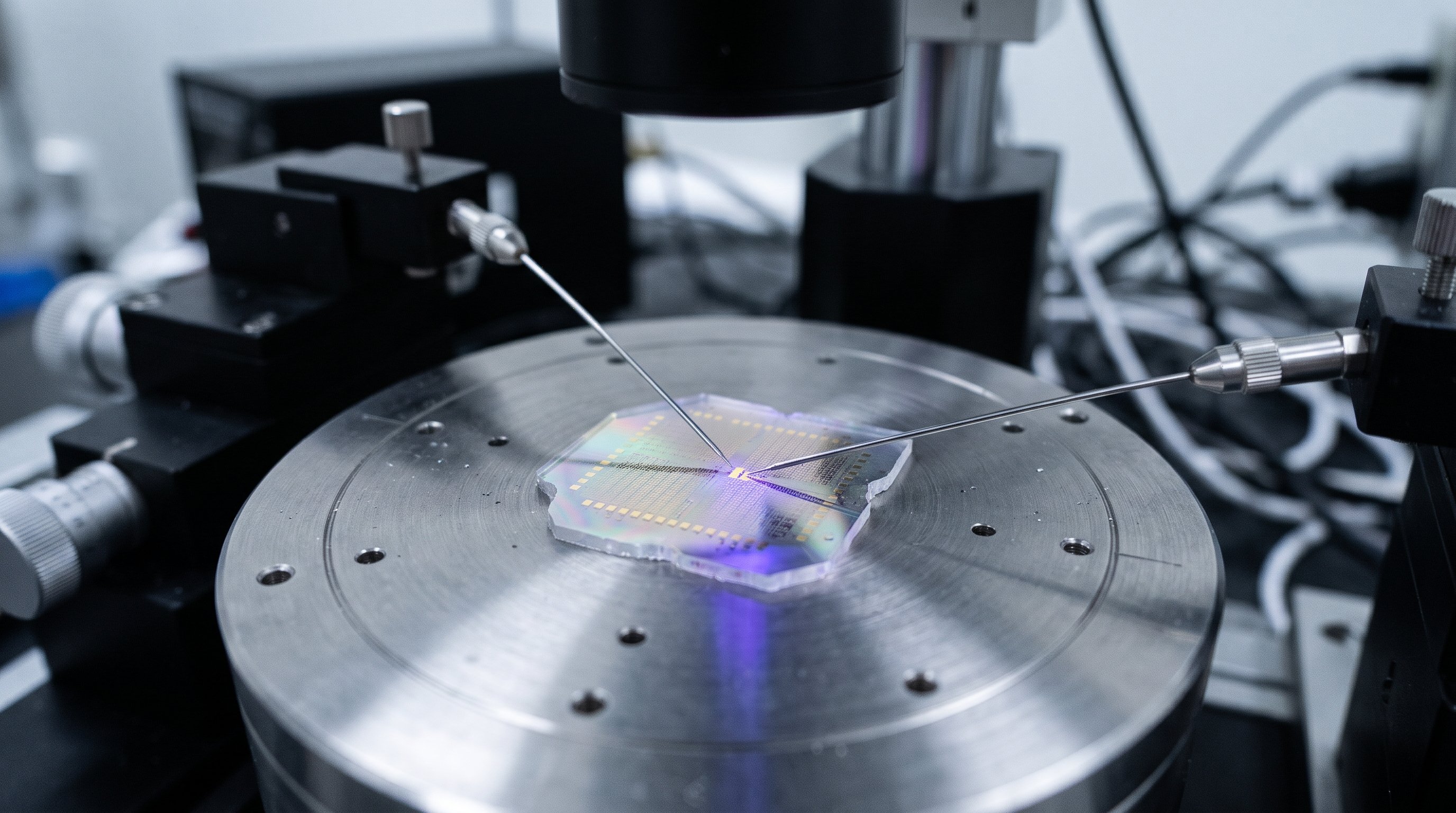
Cornell builds first working transistor from semiconductor with the widest band gap ever
Researchers at Cornell University made a semiconductor with a band gap of more than 7 electronvolts, the widest ever in a working device, and built a diode and a transistor from it. With further development, this could lead to more efficient electronics for high voltages.
-
Tiny memory component works at just 0.6 volts and survives a trillion switches
Researchers from South Korea, together with Samsung, made a memory component 5 nanometres thick that switches fast at just 0.6 volts and withstands a trillion switches. In time, this could lead to memory that uses less power, including in AI servers.
-
Small open AI model reads text aloud on your phone, without internet
The AI company Gradium has released Phonon as open models: small text-to-speech models that read text aloud with a natural voice, entirely on a phone, a laptop or in the browser. On a public Hugging Face leaderboard, Phonon is among the most intelligible text-to-speech models.
-
Bacteria as a calculator: swimming through a maze, they test many solutions at once
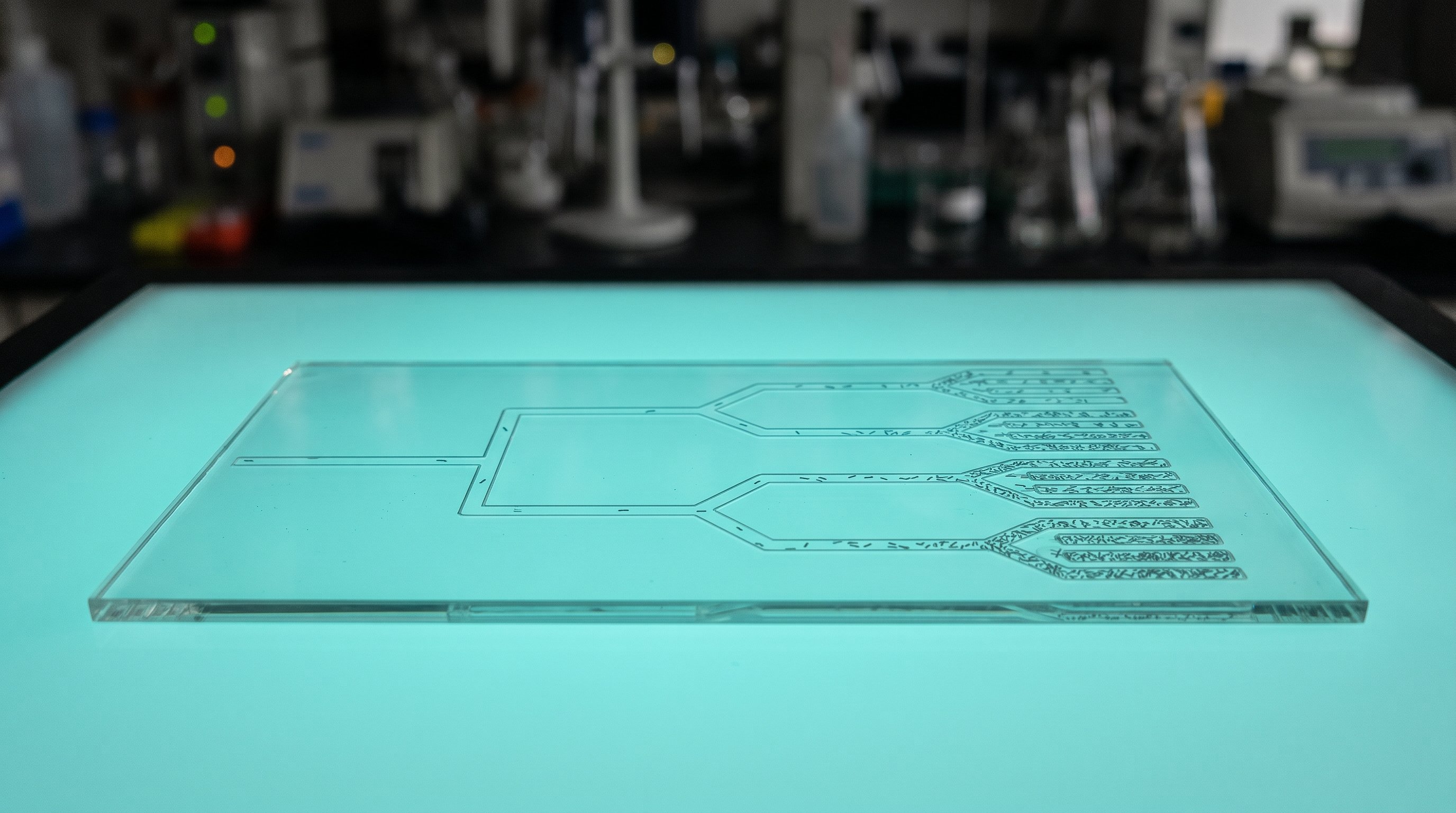
Researchers led by Canada's McGill University have bacteria solve a calculation puzzle by letting them swim through a network of tiny channels. Because bacteria divide, the number of "calculators" grows by itself. It is a first trial.
-
New calculation: quantum computer needs far fewer qubits to break internet encryption
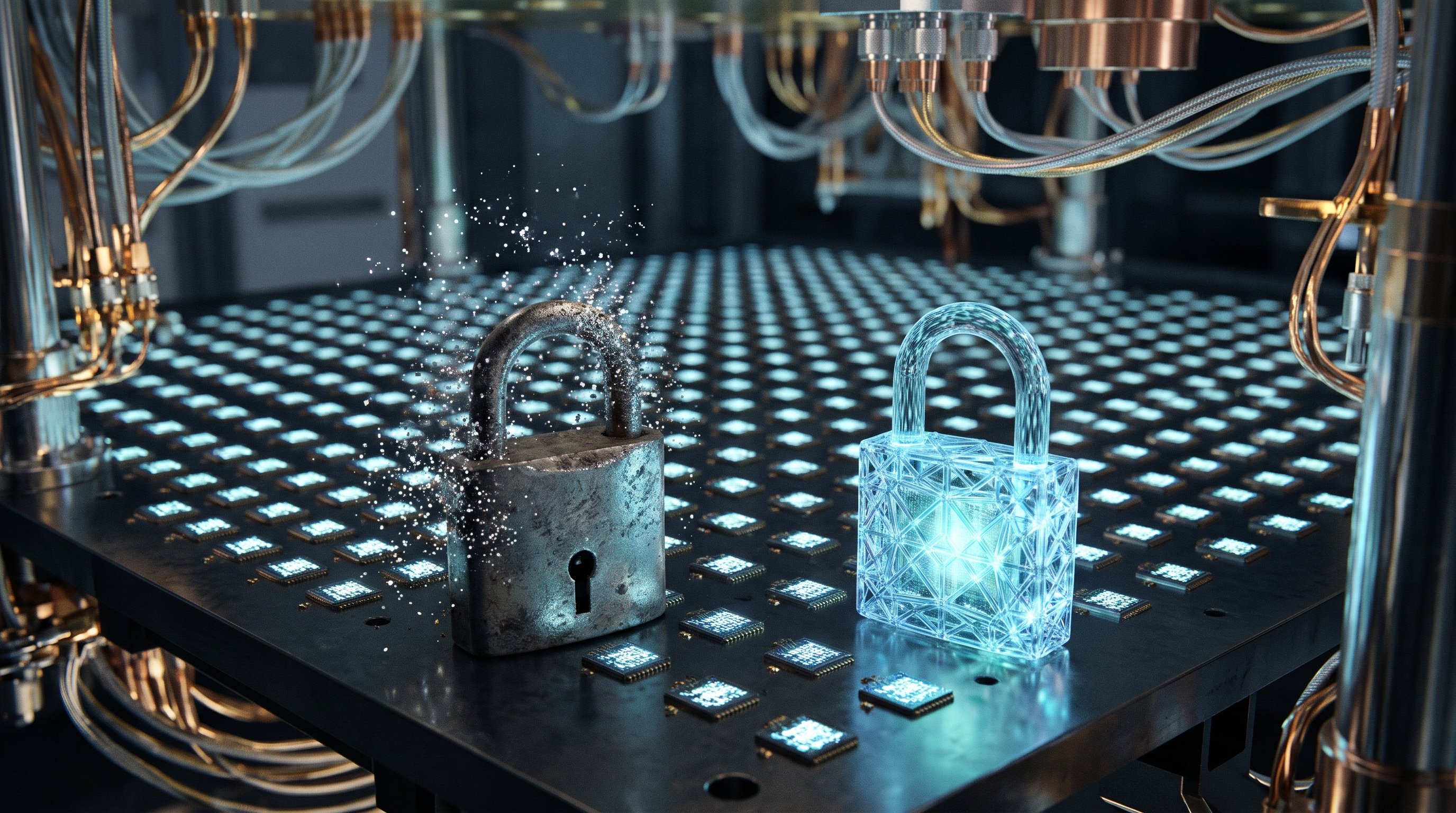
French quantum company Alice & Bob calculates that a quantum computer with about 23,000 qubits could break the widely used RSA encryption in just over three days. Such a machine does not exist yet, but the calculation shows why switching to quantum-safe encryption now is wise.
-
US research labs let AI run X-ray experiments on its own
Five US national laboratories let AI build X-ray images in real time, pick interesting spots in a chip by itself and operate the measuring equipment in plain language. This helps researchers get more out of scarce measuring time.
-
OpenAI uses its AI for hardware design: from 3D models to circuit boards
OpenAI shows how ChatGPT and Codex help engineers design physical products. Two employees had the GPT-6 Astra model design a working prototype in less than a week. Getting it made in a factory still took several rounds of checks by humans.
-
Chinese company releases free AI model for chemistry, trained on its own lab work
The Chinese company Deep Principle has released Hydrogen-1.0, an AI model for chemistry and materials research that anyone can download. It also learned from failed experiments in the company's own lab. The results have so far been measured by the company itself.