Nederlands
New compound disrupts teamwork between proteins and slows prostate tumours in mice
A new compound disrupts the teamwork between proteins that help prostate cancer grow. In tests on cells and mice, it slowed tumour growth. Researchers are now looking for a candidate for studies in humans.
In some men with prostate cancer that has spread, the tumour keeps growing, even when medicines block the effect of male hormones. Researchers are therefore looking for other ways to slow that growth.
A team at the University of Michigan's Rogel Cancer Center is focusing on the androgen receptor: a protein that picks up signals from male hormones. In prostate cancer, it works together with one of two helper proteins, p300 and CBP. That teamwork helps switch on genes that make cancer cells grow.
A different way to slow proteins down
The researchers made a compound that links the androgen receptor to p300 or CBP in a different way from normal. This disrupts their teamwork and lowers the activity of genes that help the cancer cells grow.
The compound is called DALTAC-1. The molecule binds to both proteins and holds them in a position in which their teamwork no longer works properly. The team describes the approach in the scientific journal Nature.
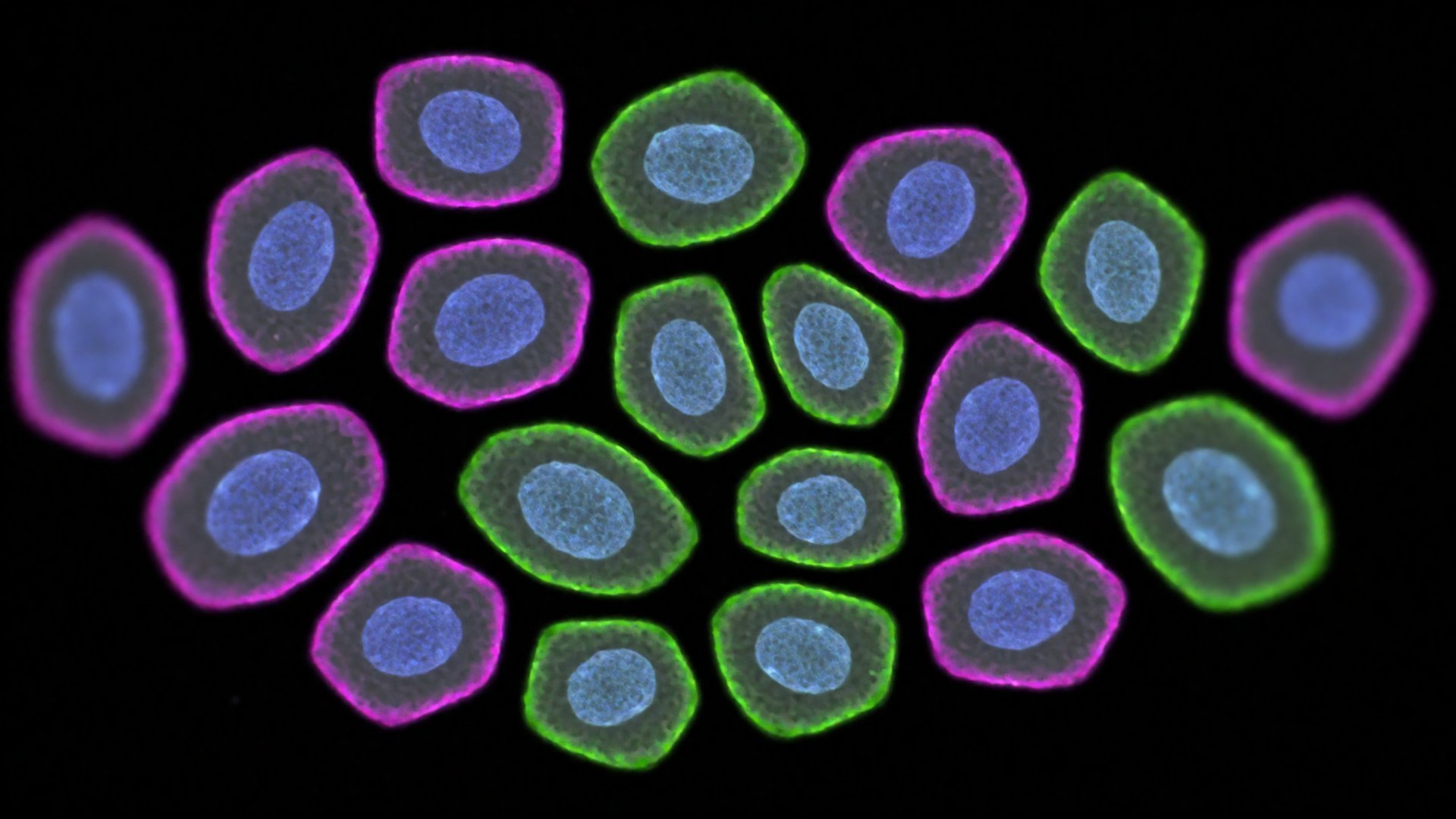
In prostate cancer cells grown in the lab, DALTAC-1 slowed growth more strongly than a tested combination of two compounds that target the proteins separately. In the tested cells without an androgen receptor, DALTAC-1 had little effect.
From cells to mice
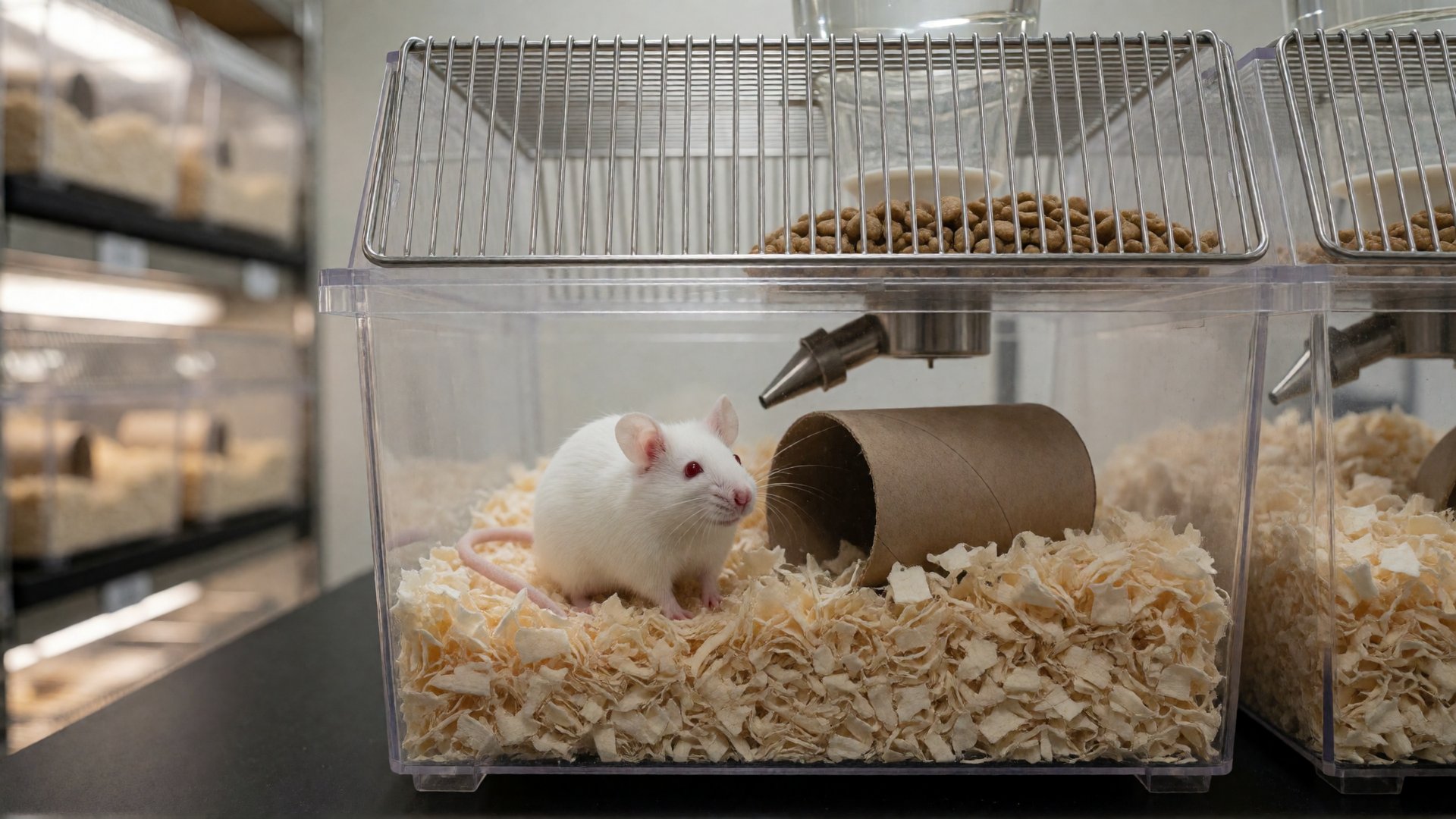
The researchers also tested the compound on organoids: small pieces of tissue grown in the lab from human cells. In addition, they studied the approach in mice with prostate tumours. In several test models, tumours shrank after treatment.
The team adapted the compound so that it could be given to mice by mouth. That is a step towards a medicine patients could take, but the compound has not yet been tested in humans. The researchers are looking for a candidate that is suitable for studies with patients. Those studies will need to show, among other things, how well people tolerate the medicine and whether it works.
What does this mean for the road to the singularity?
Medicines can slow down proteins one at a time. This study explores another option: changing the teamwork between two proteins that already help each other, so that this teamwork no longer supports the tumour in the same way. If that also works in humans, it could offer an extra route when an existing treatment does not help enough.
The researchers also see ways to tackle other proteins that work together in the same way. If that idea proves useful for more diseases, drug developers could look for combinations of proteins that drive a disease together, instead of focusing on one protein. In this way, cancer research can help build a broader toolkit for future treatments.
What is the technological singularity? Read the explanation →