Nederlands
Gene therapy for hepatitis B makes the virus trace disappear in all six patients at the chosen dose
A gene therapy that cuts through the hidden viral DNA in the liver shows promising results in a first study. In all six patients assessed at the chosen dose, a viral trace in the blood could no longer be measured. A larger trial starts in early 2027.
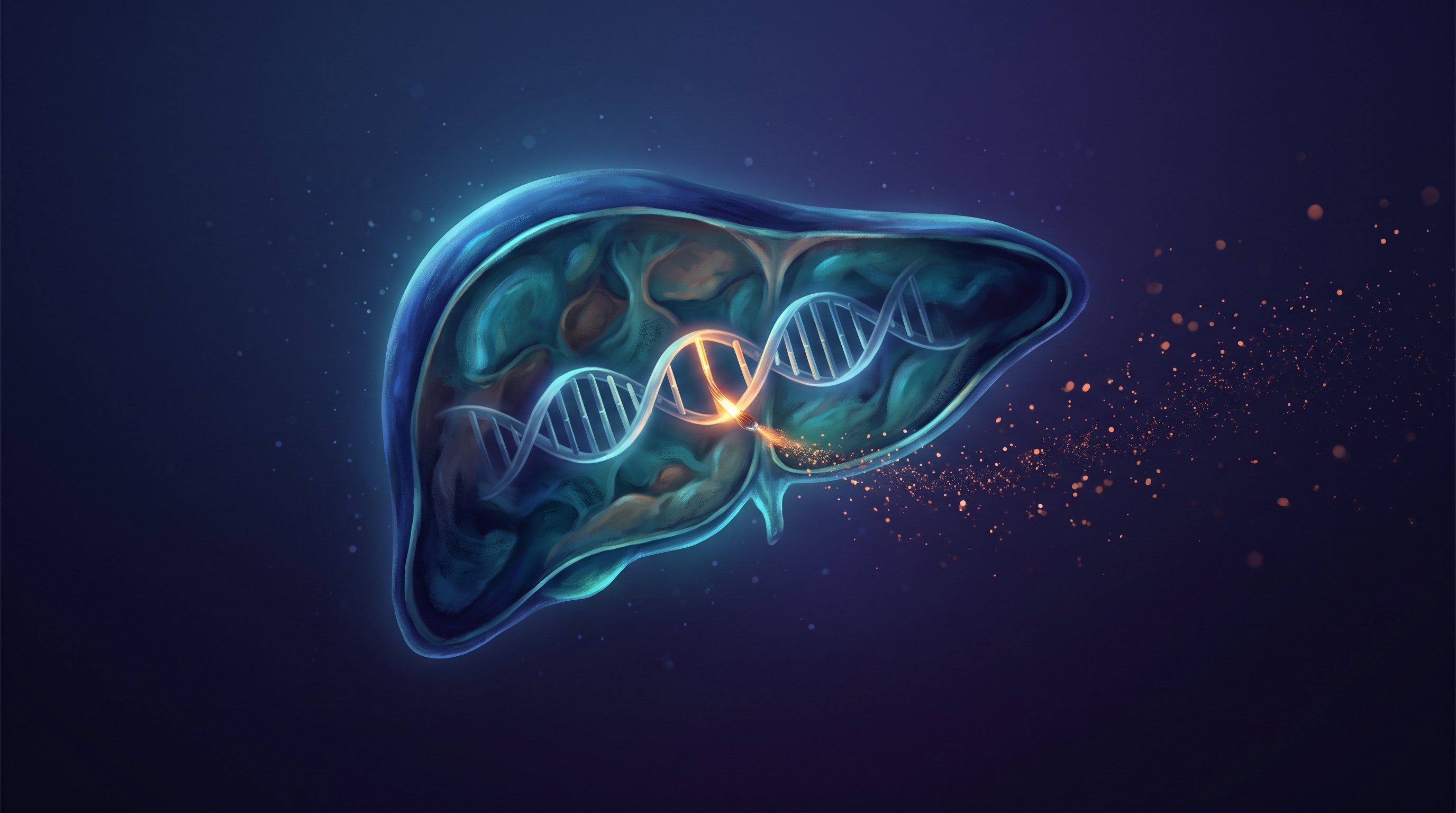
People with chronic hepatitis B usually take pills for life. The pills hold the virus back well, but almost never clear it completely. This is because the virus leaves a hidden stock of its genetic material in the nucleus of liver cells: small rings of DNA, which doctors call cccDNA. As long as these rings are there, the virus can return as soon as someone stops taking the pills.
The US biotech company Precision BioSciences is trying to tackle that stock. Its gene therapy, called PBGENE-HBV, cuts through the virus's DNA rings in the liver cells. On 8 November 2026, the team presented the latest results of the first study in humans at The Liver Meeting, the large congress of American liver doctors.
According to the company, an important viral trace in the blood could no longer be measured in all six assessed patients who received the chosen dose. Across all doses together, this was true for 11 of the 12 patients in whom that trace could be measured at the start. The twelfth patient received a higher dose twice and was 95 per cent lower at the time of measurement; this patient is being followed further.
Which trace disappears?
The viral trace is a piece of genetic material (pgRNA) that the virus can only make from those hidden DNA rings. If it can no longer be measured, the rings are at least making almost no viral material any more. In patients who were followed for at least six months, the trace stayed away, according to the company. The longest period is now close to a year.
There is also direct evidence from the liver itself. In two patients at the chosen dose, a small piece of liver was examined before and after treatment. The amount of DNA rings in it had become about 10 times and 35 times smaller.
In all 24 assessed patients, a protein from the outside of the virus also fell in the blood. At the chosen dose, the largest fall was almost 94 per cent.
One notable case was a patient with a more active form of the infection, in which the virus multiplies more strongly. In this patient too, the viral trace could no longer be measured after the second treatment.
How does the treatment work?
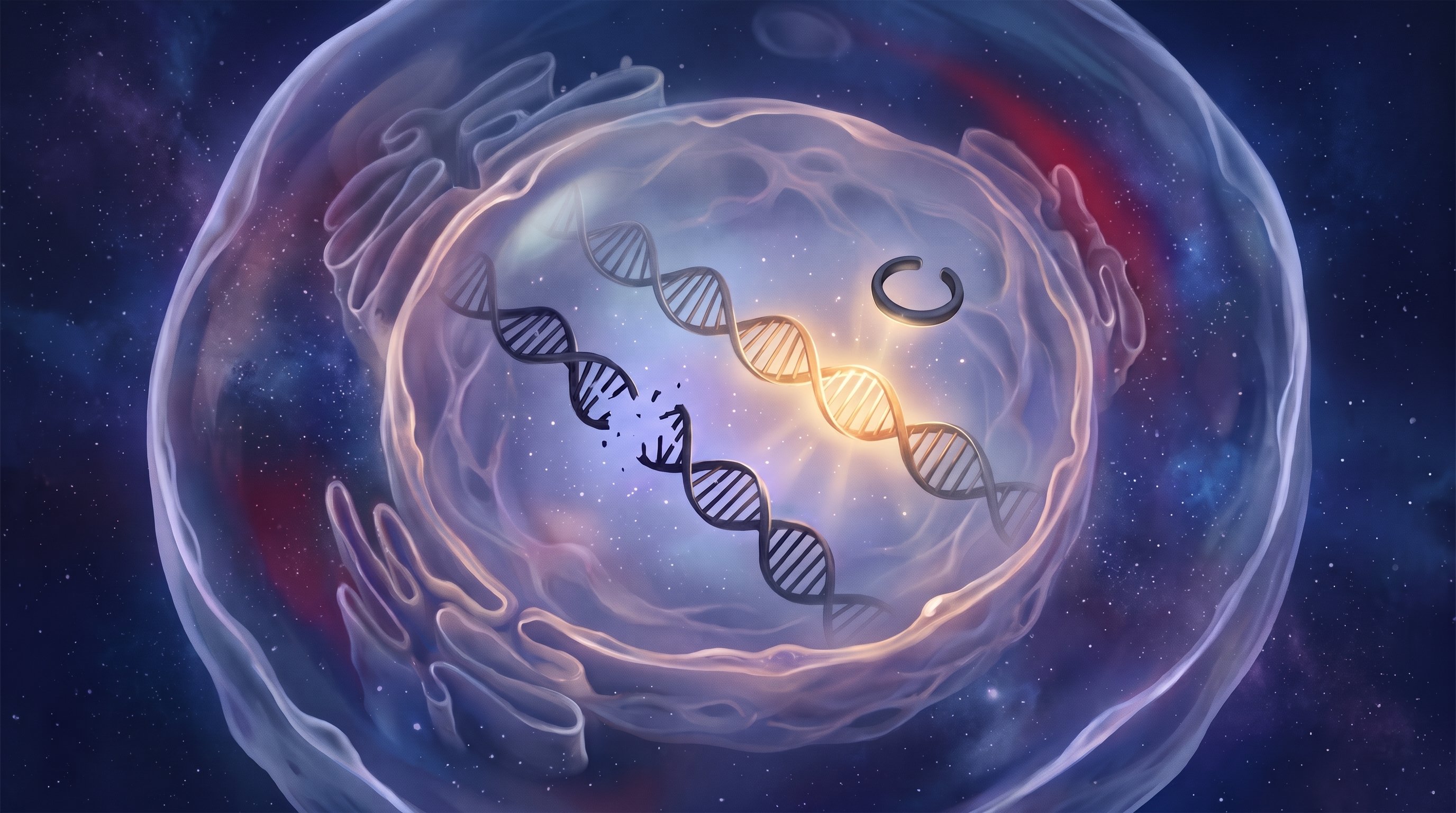
The therapy is a set of instructions for making a cutting protein. This protein is based on an enzyme that in nature cuts DNA at one fixed place; Precision has adapted it so that it recognises the DNA of the hepatitis B virus. The instructions are packed in tiny fat droplets from the Canadian company Acuitas Therapeutics, which also supplied the fat droplets for the coronavirus vaccine from Pfizer and BioNTech. Patients receive it through a drip. The liver cells take up the droplets and make the cutting protein, and that protein cuts through the virus's DNA rings.
Because the droplets do not use a virus as a means of transport, the treatment can be given several times. In the study, 25 patients received 59 infusions between them, spread over four doses.
Safety and the next step
According to the company, at no dose were there side effects so severe that, under the limits set in advance, the study could not continue. The most common side effect was a reaction to the infusion, which usually passed within a day. Side effects classed as serious, such as a hospital admission, did not occur at the chosen dose. At the highest dose, which is no longer given, one patient had two.
With repeated infusions, the fat droplets did cause an inflammatory reaction, according to the company, and in some patients blood pressure fell sharply: in 4 of the 6 patients on a higher dose and in 3 of the 13 on the chosen dose. The team therefore changed the way the treatment is given. The infusion now runs for five hours instead of two, with a double dose of an anti-inflammatory drug and, as a precaution, extra saline solution. Since then, such a sharp fall in blood pressure has not occurred at the chosen dose, across 15 infusions in 8 patients. In 2 of the 13 patients on the chosen dose, liver values rose considerably. At all doses, such rises were temporary, caused no symptoms and the liver kept working normally.
These are the first results of a small study, without a comparison group, and they come from the company itself. The most important goal still has to be tested: can patients stop their daily pills after the treatment without the virus returning? A worldwide follow-up study will look into that. According to Precision, the first participants will receive the treatment in early 2027, and the first results will follow in the second half of that year. The US medicines regulator FDA has already given the therapy a faster review route.
In that follow-up study, the gene therapy will also be combined with a drug from the same family as bepirovirsen: a short piece of artificial genetic material that makes the cell produce less viral material. Bepirovirsen was approved in the United States in October and put the virus into lasting remission in about 1 in 5 patients, even six months after they had stopped all medication. That drug slows what the DNA rings produce, while the gene therapy cuts through the rings themselves. The company has not said which drug Precision will use.
According to the World Health Organization, about 240 million people worldwide were living with chronic hepatitis B in 2024. In that year, about 1.1 million people died from its consequences, mainly liver cirrhosis and liver cancer.
What does this mean for the road to the singularity?
So far, medicines for hepatitis B have mainly kept the virus in check. This study shows in humans that a cutting protein can greatly reduce the virus's hidden stock in the liver, and that such a treatment can be given several times. That is a step towards a real cure, for a disease that affects hundreds of millions of people.
The next step is to show that patients can stop their pills after the treatment. If that works, cutting DNA in a targeted way inside the body will come a good deal closer to everyday medical practice, also for other diseases that hide inside cells.
What is the technological singularity? Read the explanation →