Nederlands
Wrist sensor picked up changes in walking years before a Parkinson's diagnosis
People who later developed Parkinson's disease were already walking differently years earlier, according to a week of measurements with a wrist-worn motion sensor in more than 73,000 Britons. The findings describe differences between groups, not a test for one person, but they could help research into early treatment.
Parkinson's disease is a brain disease in which the nerve cells that make the substance dopamine slowly die. These cells help the brain control movement, so moving becomes more and more difficult. According to the US patient organisation the Parkinson's Foundation, 50 to 70 per cent of these cells have already been lost by the time of diagnosis. A treatment that slows the disease then has much less left to protect. That is why researchers are looking for ways to find people much earlier.
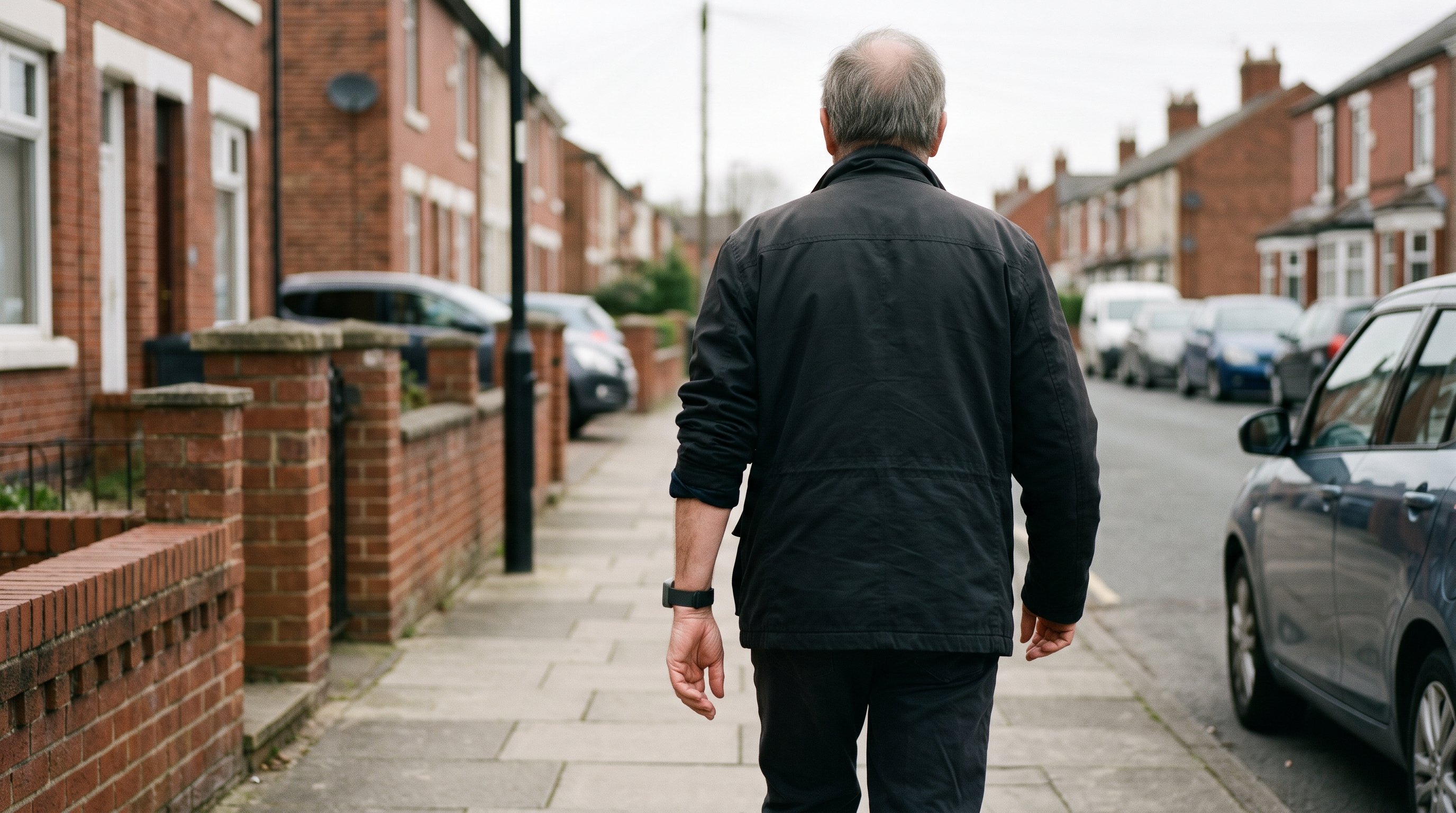
The disease often starts years before the diagnosis with small changes in movement, including in walking. Researchers at the University of New South Wales (UNSW) in Sydney therefore looked at how people walk in everyday life. They used data from the UK Biobank, a large British health study that collects data from hundreds of thousands of volunteers. Between 2013 and 2015, 73,413 participants wore a motion sensor on their wrist for a week. They were then followed for up to ten years through their medical records. Of the 73,294 participants who did not yet have Parkinson's during that week of measurements, 314 were diagnosed with it during that time. The study was published in August in the Journal of Neural Transmission.
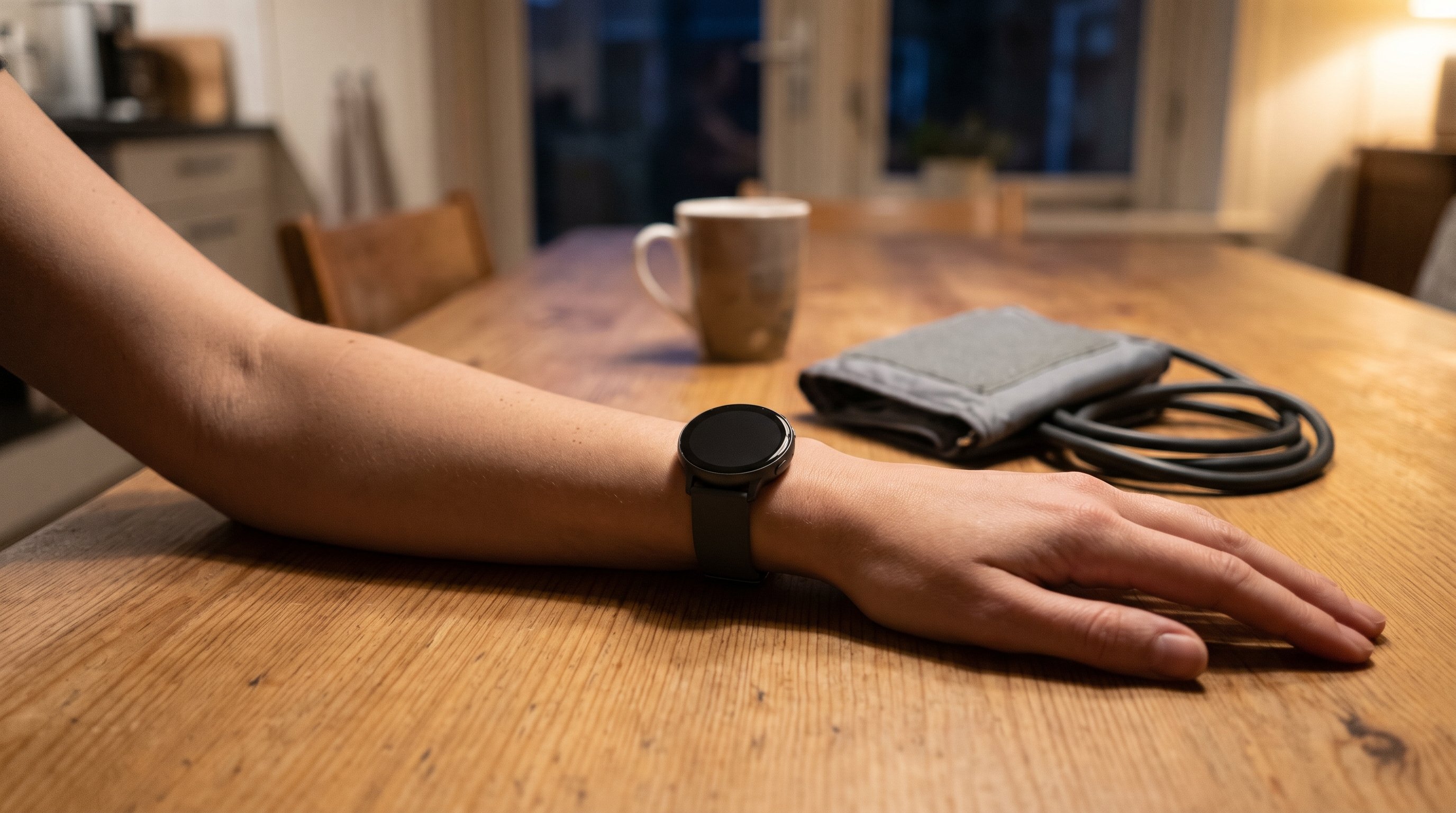
The software, called Watch Walk, searches the measurement data for the moments when someone is walking. From the position and movement of the wrist, it works out whether the arm swings along or stays still, for example because someone is holding a hand in front of their body. In this way the researchers arrived at seventeen measurements of walking, such as the number of steps per day, walking speed and how regular the steps are.
Fewer steps and less arm swing
Five of these measurements were consistently different in the people who later developed Parkinson's. They took fewer steps per day, reached a lower top speed and had a more regular step rhythm. The balance between short and long stretches of walking was also different. And they more often walked with one arm hanging still, without arm swing.
The difference in steps grew larger as the diagnosis came closer. People who did not develop Parkinson's took about 6,400 steps per day on average. Those diagnosed within just over three years of the week of measurements took about 4,000 on average. When the diagnosis came later, the average was higher, up to about 5,600.
The earliest differences could be seen up to 6.8 years before the diagnosis. According to the Parkinson's Foundation, arm swing changed first.
Groups, not yet a test
The results are about group averages. They cannot tell one person whether they will develop Parkinson's, so a motion sensor like this cannot diagnose the disease. Pain, medicines and other conditions also change how someone walks. And because each participant was measured for only one week, the team could not see when a person's arm swing began to change. The next step is to confirm the findings in other groups of people.
Earlier work with the same data shows why that matters. In 2023, researchers at Cardiff University showed that software using machine learning, which learns patterns from examples by itself, could recognise Parkinson's in the UK Biobank wrist data up to seven years before diagnosis. This year, German and British researchers tested that software in two smaller groups in Germany and England. They wrote in the journal Movement Disorders that the software recognised the disease clearly less well there. According to them, this is partly due to the UK Biobank itself: a diagnosis often appears in the records later than the doctor actually made it. A change then seems to come longer before the diagnosis than it really did. Because the new study also uses these records, a group with precisely recorded diagnoses is the logical next step.
Three of the authors have an agreement with the company SpaceTalk Inc. to bring Watch Walk to market, and may receive part of the income. Research groups may use the software free of charge.
What does this mean for the road to the singularity?
A disease you can spot earlier is a disease you may be able to slow down earlier. This study shows that a simple motion sensor on the wrist, the kind of sensor also found in smart devices, already records differences in walking years before diagnosis. If other groups confirm this, such measurements could help find people at an early stage for research into treatments that slow Parkinson's. Those are exactly the people who are hard to find now, because the disease is already far advanced at diagnosis.
What is the technological singularity? Read the explanation →