Nederlands
Personalised cancer vaccine shows immune responses in small melanoma study
In a small study, 12 of 16 people with advanced melanoma responded to a combination of a personalised vaccine and an existing medicine, Evaxion reports. Without a comparison group, the vaccine's contribution cannot be determined.

A vaccine tailored to a patient's tumour is meant to help the immune system recognise cancer. The Danish biotech company Evaxion uses AI to choose targets for such a vaccine. In a study of its experimental vaccine EVX-01, researchers saw both a response from immune cells and tumours shrinking.
The 16 participants had advanced melanoma, a form of skin cancer. They received the vaccine together with pembrolizumab, an existing treatment that helps the immune system attack cancer. According to Evaxion, at the two-year check-up a measurable tumour response was found in 12 of the 16 patients. In four of them the response was complete: no measurable tumour was visible on scans any more.
Evaxion researcher Mads Lausen presented new data on the immune responses on 6 November 2026 at a meeting on cancer immunotherapy in Phoenix. The company reports that responses of the tumours and of immune cells were still present at the three-year check-up.
A tailor-made vaccine
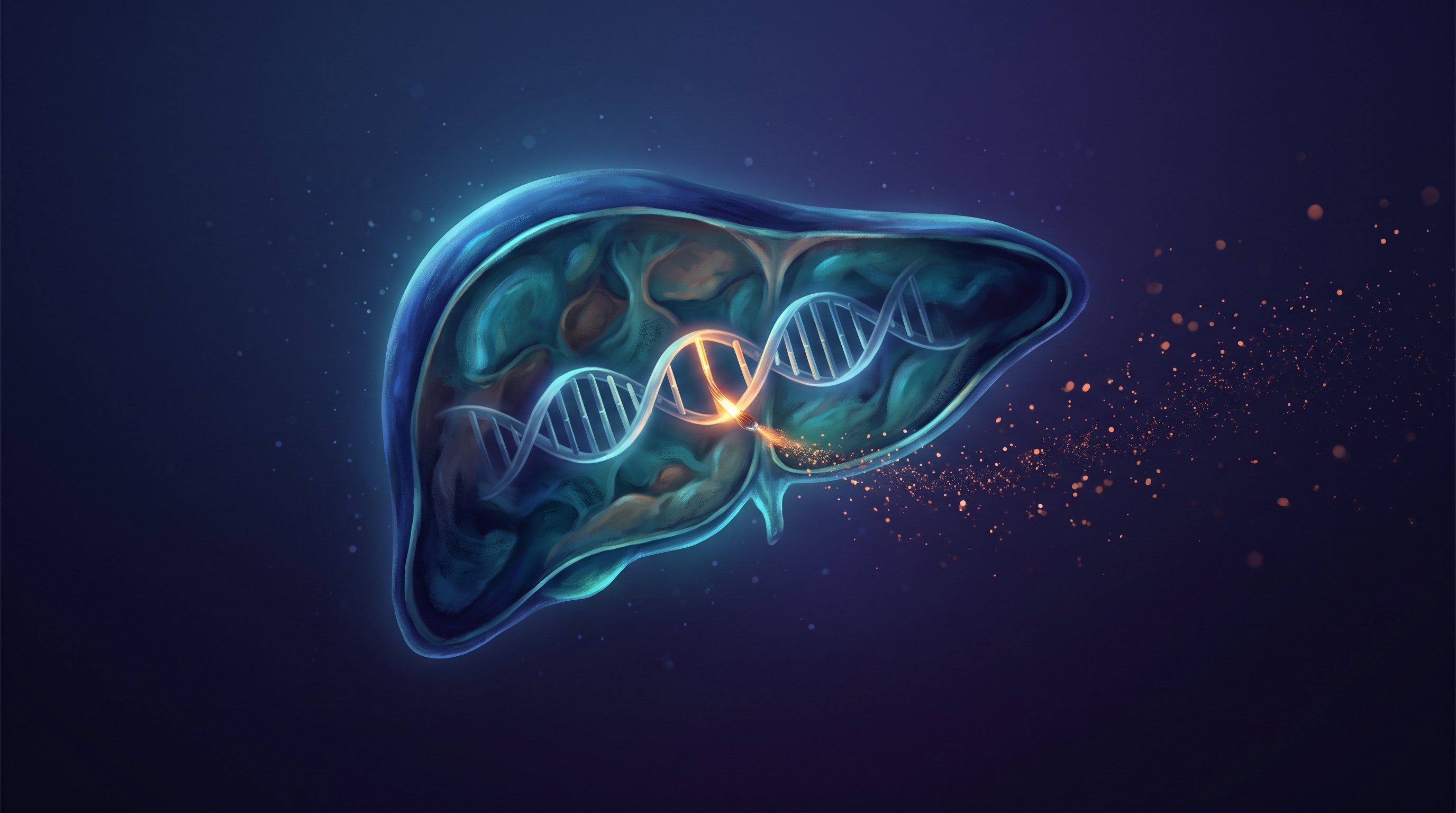
Every tumour has its own features. For EVX-01, Evaxion's AI platform examines changes in the tumour's DNA. It predicts which features can arise from them and are suitable as targets for the immune system. Those targets form the basis of a personalised vaccine.
For 89 per cent of the 118 vaccine targets studied, the researchers saw a response from T cells. These are immune cells that can recognise specific targets. According to the trade publication OncLive, the strength of that response was linked to the predictions of the AI platform: targets that were rated higher went together with stronger responses on average.
The researchers also saw changes in other immune cells in the blood. Between week 12 and week 30, the share of certain T cells fell and the share of another type of immune cell rose. During that period the patients received both pembrolizumab and the vaccine. So the changes cannot be attributed to the vaccine alone.
What does the study say about the treatment?
For the first twelve weeks, the participants received only pembrolizumab. After that they received both treatments. In a one-year extension, six of the 16 patients continued with the vaccine alone. According to OncLive, their tumour response lasted up to three years after the start of the study.
The study had no comparison group that received only pembrolizumab. This means it is not possible to determine how much the vaccine contributed to the tumour response. A larger study with a comparison group is needed to investigate that contribution.
For another personalised cancer vaccine, that comparison has already been made. Intismeran from Moderna and Merck reduced the risk of the melanoma coming back or of death by 42 per cent in a study with 1,137 people, compared with pembrolizumab alone, which is also called Keytruda. In those participants the tumour had already been removed by surgery, whereas the participants in Evaxion's study had advanced melanoma.
What does this mean for the road to the singularity?
The study gives a first indication that targets chosen with AI for a personalised cancer vaccine can trigger an immune response. If follow-up research can also establish the contribution to the treatment, that could help in developing more targeted cancer treatments.
What is the technological singularity? Read the explanation →