Nederlands
US regulator clears first patient study of a cancer drug with an AI-designed antibody
Biolojic Design may test an experimental cancer drug with an AI-designed antibody in people for the first time. The company expects to enrol the first patients within a few weeks. Whether the drug helps patients is now being studied.
The US medicines regulator, the FDA, has given permission for the first study of BD200 in people, developer Biolojic Design announced . This is permission for a study, not approval of the drug as a treatment.
According to founder and chief executive Yanay Ofran, the company expects to enrol the first patients within a few weeks, in the United States and elsewhere. The study focuses mainly on the safety and tolerability of BD200, and on how the drug behaves in the body. The researchers will also look for first signs that it works against cancer.
Two ways to recognise a cancer cell
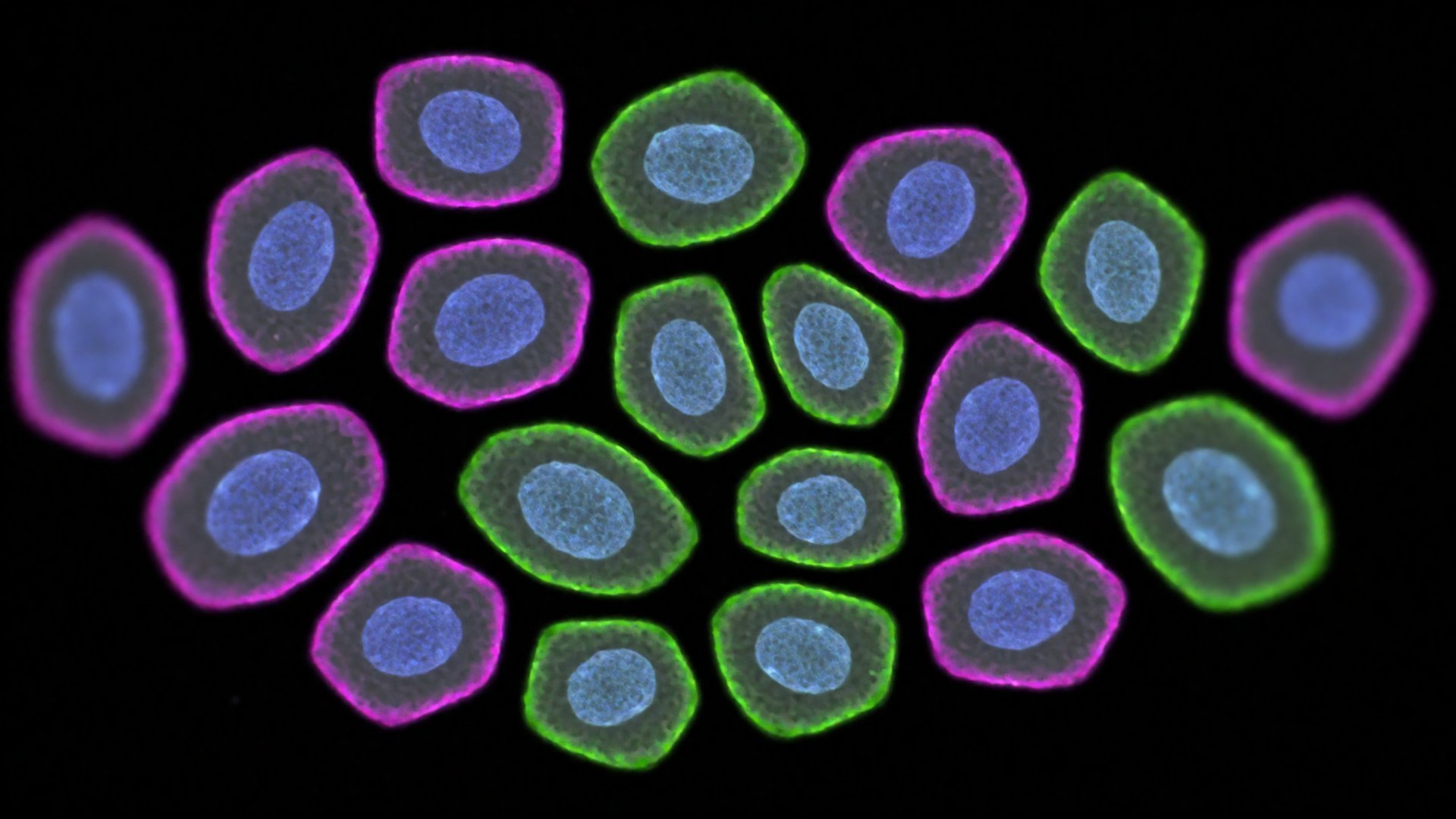
BD200 consists of an antibody with a cell-killing substance attached to it. An antibody is a protein that can bind to a specific target. In this kind of drug, the antibody helps to deliver the cell-killing substance to cancer cells.
That works less well when cancer cells carry less of the target on their surface. The antibody in BD200 is therefore designed to recognise two proteins on cancer cells: Trop-2 and Nectin-4. According to Biolojic Design, each of the two arms of the Y-shaped antibody can bind to either one protein or the other. So the drug can attach to the same protein with both arms, or with each arm to a different one. If a cell carries less of one protein, both arms can turn to the other.
That is different from antibodies in which one arm is aimed at one protein and the other arm at the other. The design of BD200 targets one of the ways in which tumours can stop responding to a treatment. There are also other ways in which that can happen.
From the lab to the patient
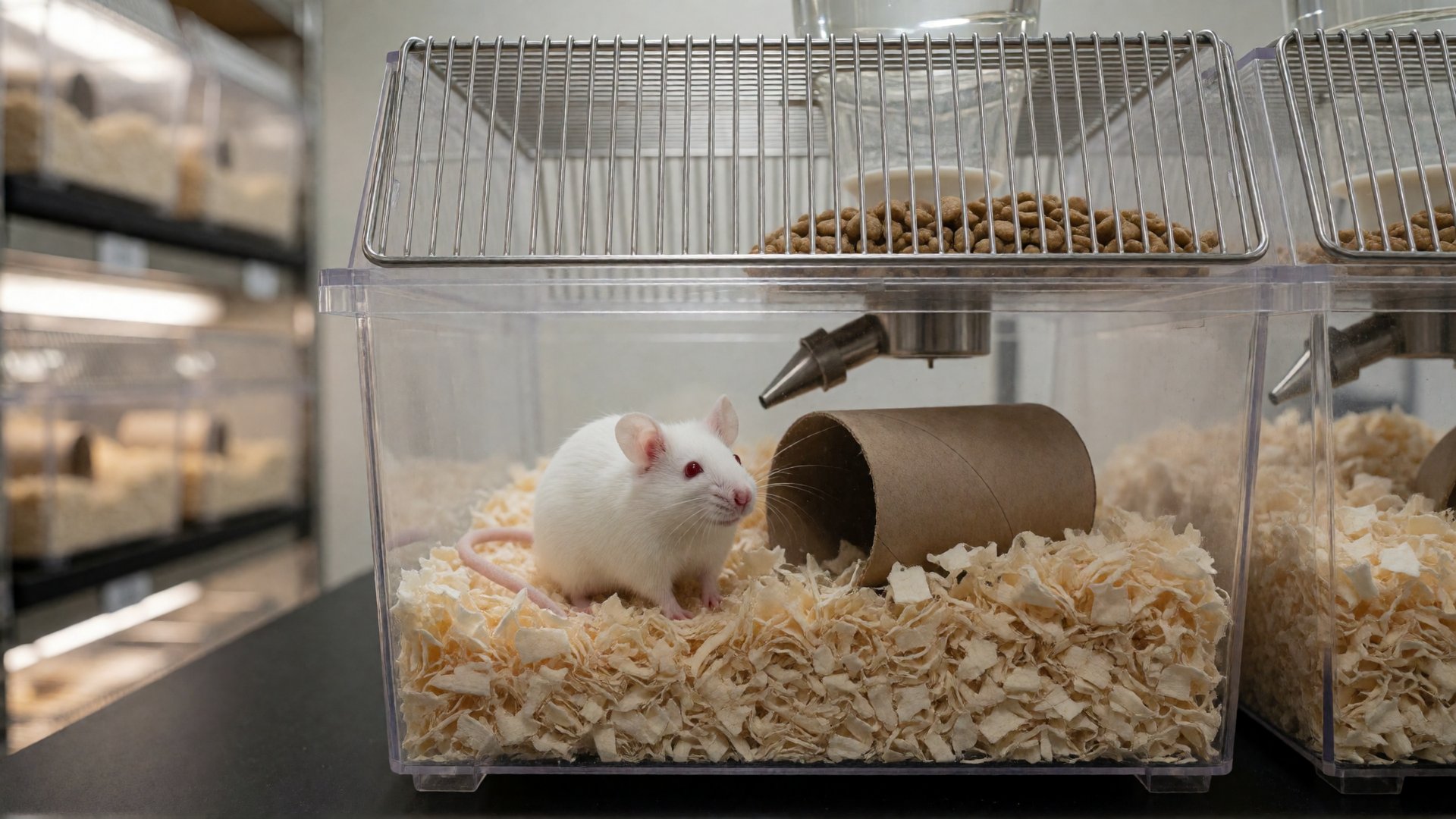
In April 2026, Biolojic Design presented laboratory results at a meeting on cancer research. According to the company, BD200 was active in tumour models, including models in which other drugs of this type no longer worked well. These included mice with human tumours. The upcoming study should show how safe the drug is in people and give first indications of how well it works.
The company used AI to design the antibody. According to Tech Times, Biolojic trains a separate AI model for each drug, using measurements from the laboratory. The company has not named the model used for BD200 or its version, and has not said when the design work was done.
What does this mean for the road to the singularity?
An antibody in which each arm recognises two different targets is hard to design by hand. To do this, Biolojic trains a separate AI model on laboratory measurements for each drug. If BD200 does well in this first study, that is a sign that such designs also do in the body what they were made to do in the lab.
If that trend continues, designing a medicine will become more like writing down a behaviour: you decide what the drug should do when a tumour changes, and the model looks for a protein that can do it. Cancer keeps adapting to treatment. A drug that can adapt as well is then a logical next step, and this study is its first test in people.
What is the technological singularity? Read the explanation →