Nederlands
Physicists send a message through a brick wall using gravity
Physicists at the University of Queensland sent the word ‘Gravity’ through a brick wall, simply by moving the counterweight of a lift and measuring the tiny change in gravity. It is not fast yet: one digit per minute.
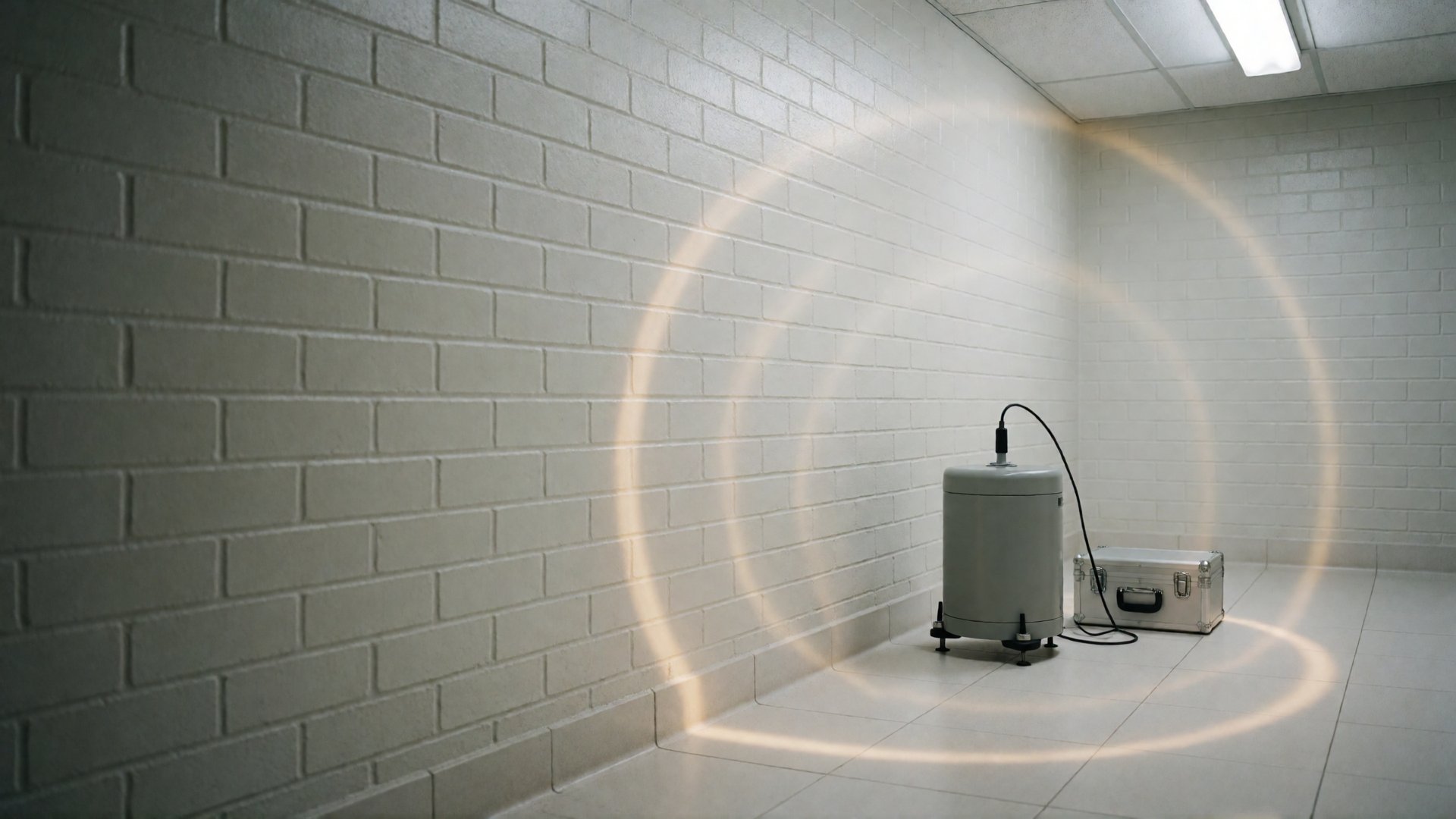
Physicists at the University of Queensland in Australia have sent a message made of nothing but gravity. The word ‘Gravity’ went through a brick wall to a measuring instrument in the room next door. The results appeared in November 2026 in the scientific journal Science Advances.
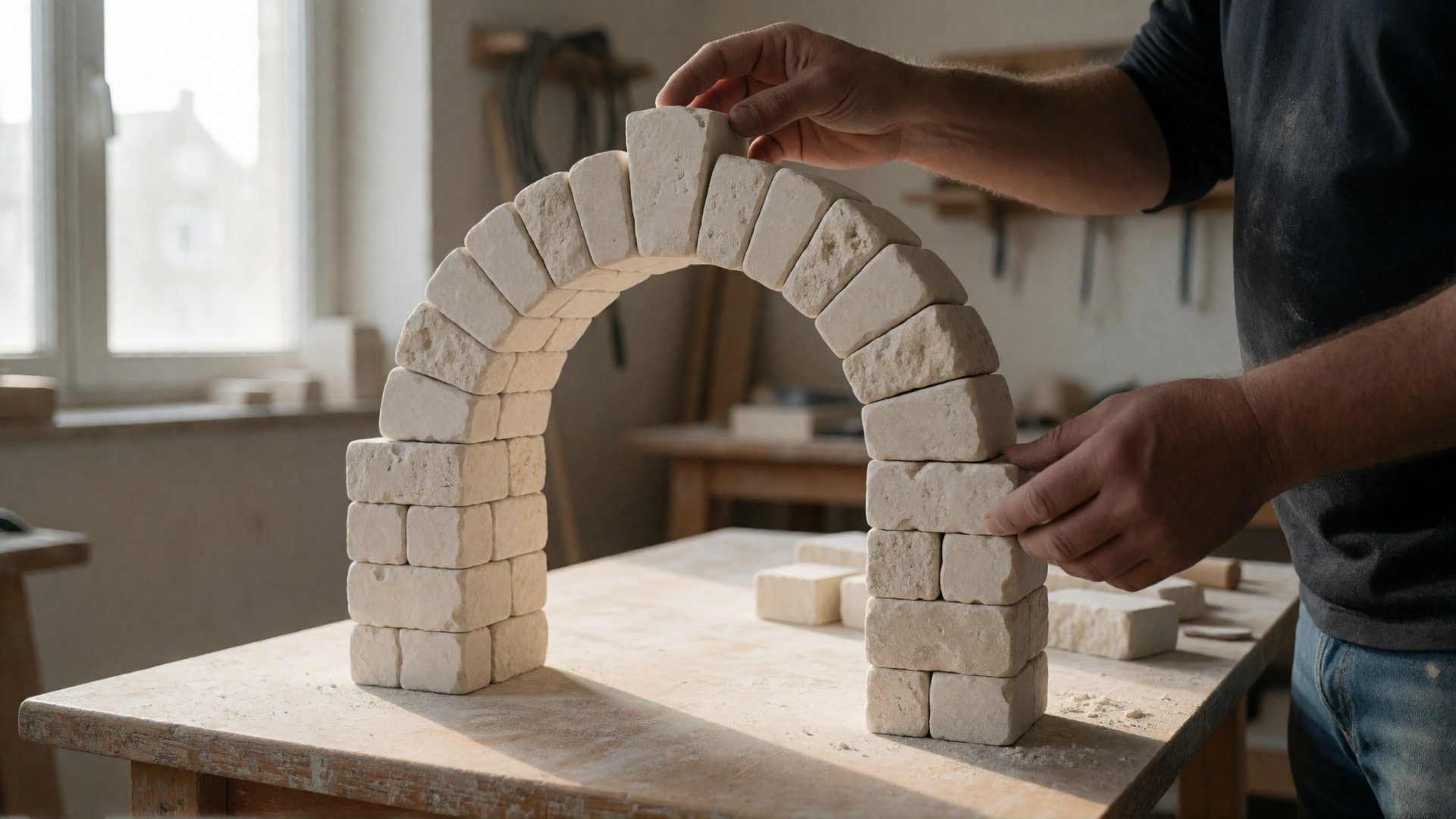
The transmitter was a lift from the 1950s in the university's Parnell Building. The lift's counterweight, a block of about 1.8 tonnes, shifts position when the lift moves back and forth between two floors. One position stood for a 0, the other for a 1: the two digits that computers use to store all information.
A weight pulls ever so slightly
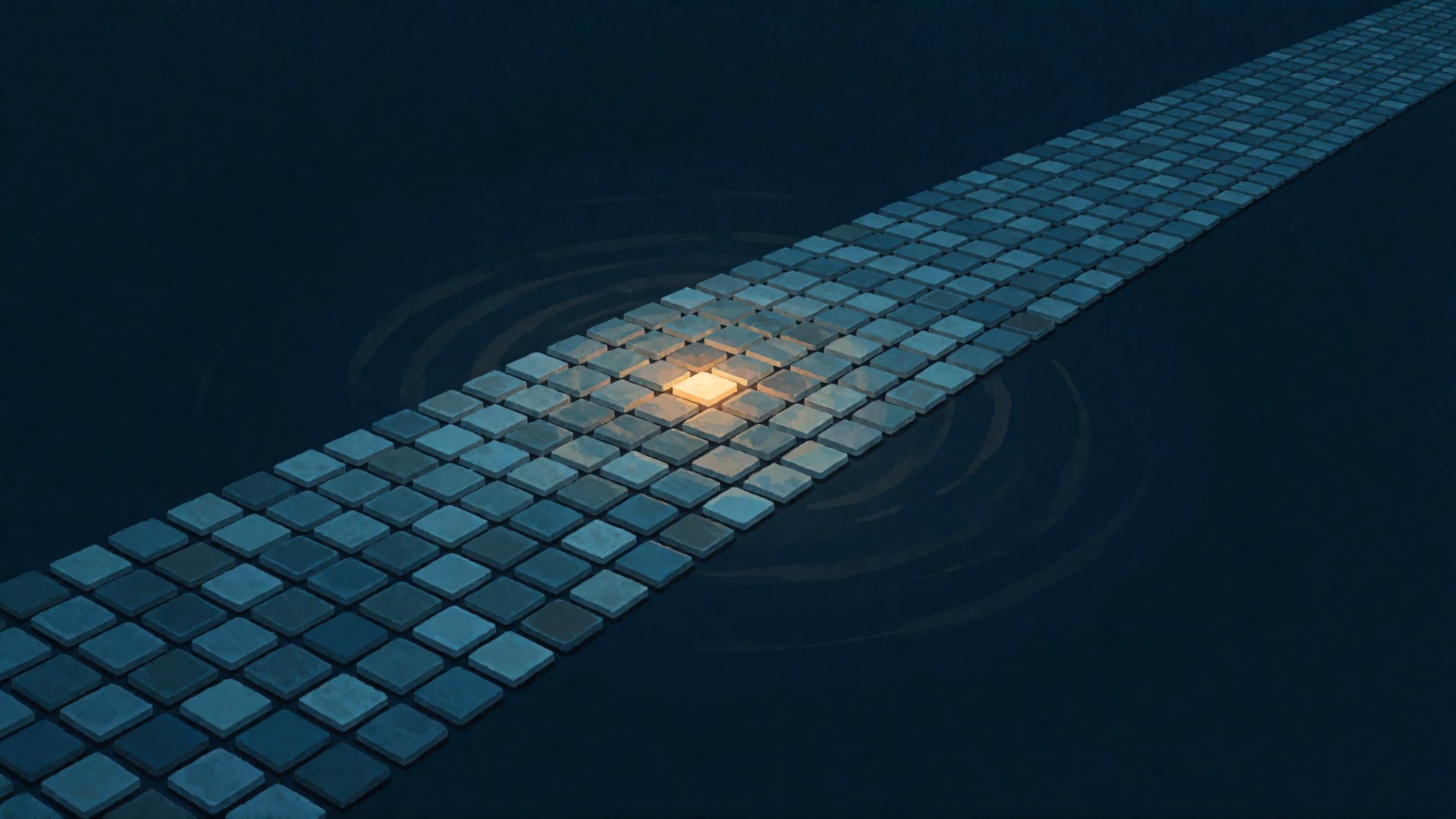
Everything with mass pulls on other things, a lift weight included. On the other side of the wall, in a bathroom, stood an ordinary, commercially available gravity meter: an instrument with a small weight on a spring that senses how hard it is being pulled downwards. When the counterweight came closer or moved away, that pull changed by about five billionths of the Earth's gravity.
Each digit got one minute: the lift moved the weight, waited until everything hung still, and then the instrument measured for a while. The researchers corrected the measurements for the tides (the solid Earth also moves up and down a little because of the Moon and the Sun) and for the slow drift of the instrument itself. They then read all 49 digits of the word from the measurements, plus the signals for start and end. The whole message took 63 minutes.
The idea came from another project: the group wanted to weigh lorries without them having to drive over a weighbridge, just by measuring their gravitational pull.
Impossible to block, but possible to disturb
Radio waves and light can be blocked with metal, earth or concrete. No such shield exists for gravity: there is no known material that stops it. The experiment did not use gravitational waves, only the pull of a moving weight close by.
That does not mean the signal always arrives undisturbed. Vibrations and other moving masses can drown it out. According to the researchers, the biggest limit is speed. They also calculated what would be possible with quantum sensors, much more sensitive measuring instruments based on quantum technology. Under ambitious assumptions, a message could then travel about 500 metres, or reach around 15 digits per minute. For those 500 metres, they assumed a weight of 75 tonnes in a favourable location and a signal with more noise.
What does this mean for the road to the singularity?
More and more machines, sensors and robots depend on wireless connections, and those do not work everywhere. In tunnels and behind thick walls, a radio signal often cannot get through. That is where the researchers see a place for this new channel. A few digits per minute is not much, but for a short message such as ‘all is well’ or ‘stop the machine’ it can be enough.
The story is also about the meters themselves. The smaller the difference in gravity an instrument can detect, the further and faster such a message can travel, and the more can be measured without touching anything, such as weighing a lorry, which is where this project began. If quantum technology becomes cheaper and more sensitive, the world gains a new sense: a way to see mass through walls.
What is the technological singularity? Read the explanation →