Nederlands
Vernor Vinge: machines smarter than humans within thirty years
At a NASA symposium in Ohio, the writer and mathematician Vernor Vinge explains why he thinks intelligence that surpasses humans will arrive within thirty years, and why the future will then no longer be predictable.
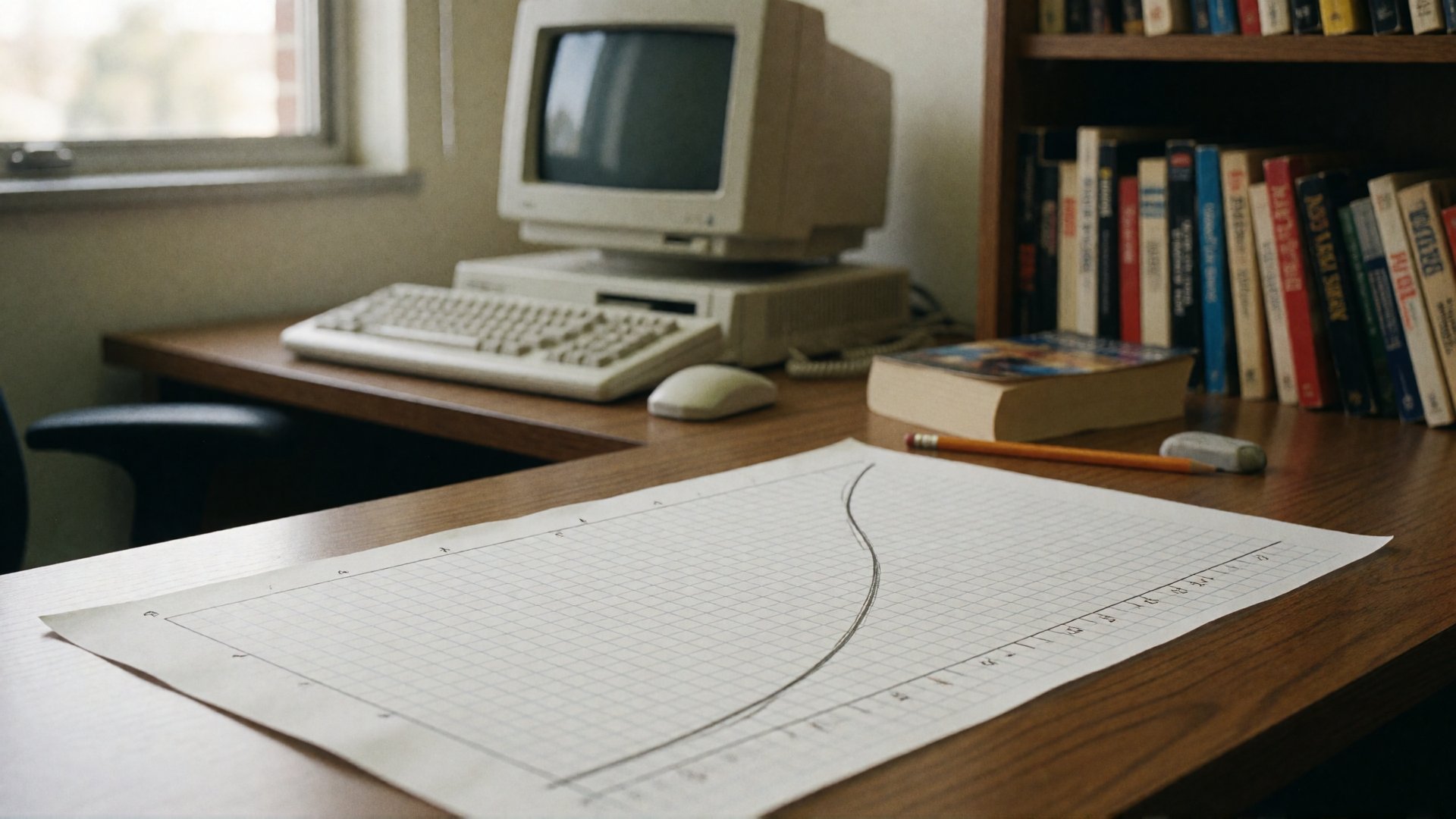
OHIO, MARCH 1993 - At the VISION-21 symposium of the NASA Lewis Research Center and the Ohio Aerospace Institute, held on 30 and 31 March, Vernor Vinge gives a striking talk. Vinge is a mathematician at San Diego State University and a science fiction writer. His claim: within thirty years, humanity will have the technical means to create intelligence that is smarter than humans themselves. He would be surprised if this happened before 2005 or after 2030.
Why he thinks so
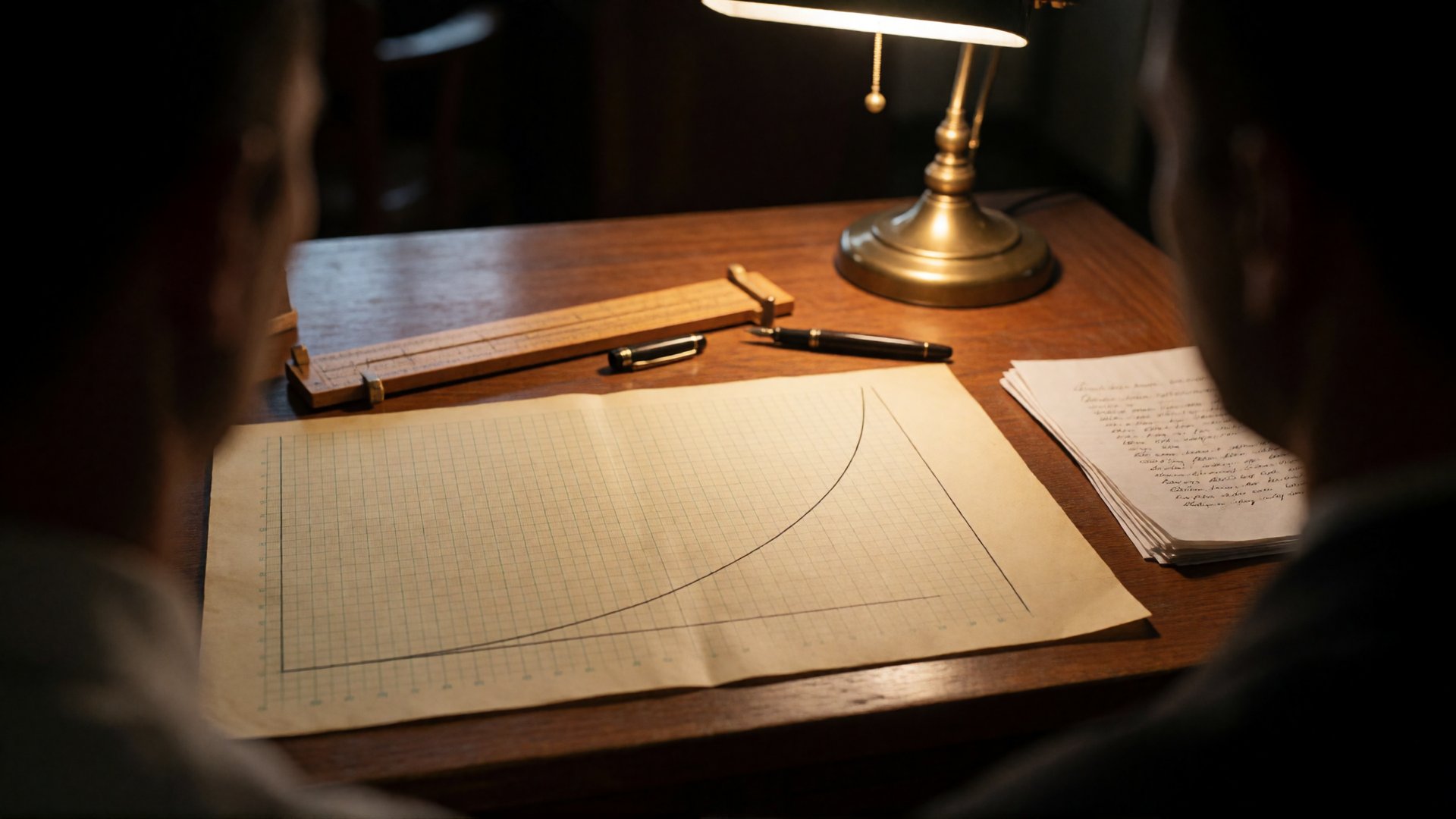
Vinge starts with computers. In his view, their computing power has grown along a remarkably steady line over the past decades, and he expects this to continue. From this he derives four ways in which superhuman intelligence could arise:
- Computers that become intelligent themselves, far beyond the human level.
- Large networks of computers that start to work together as one intelligent whole.
- Links between humans and computers so close that the user becomes superhumanly intelligent.
- Biological science that improves the human mind itself.
According to Vinge, the first three depend mainly on better hardware, which makes them the most likely candidates.
A machine that builds better machines
Vinge builds on an idea from 1965 by the mathematician I. J. Good. If a machine is smarter than any human, it can also design better machines than we can. Those new machines are smarter again, and in turn design even better ones. Good called this an intelligence explosion: the steps follow each other faster and faster.
Why the future then becomes unpredictable
That is why Vinge uses the word singularity. In mathematics, this is a point where the normal rules of calculation no longer work, for example because it would mean dividing by zero. He sees history in the same way: whoever is smarter than us after that point will come up with things that we cannot foresee. Our current models of the world will then have to be set aside, he writes, and a new reality will apply. The mathematician John von Neumann had already used the word singularity in the 1950s, about technology that changes ever faster.
Can it be steered?
Vinge thinks this development will be hard to avoid, but that it may be possible to steer it so that humanity comes through it well. He does not consider locking up a superintelligence practical. He sees more promise in the route where humans and computers become stronger together, and calls this amplification of human intelligence an easier path than a smart machine on its own.
Looking back from 2026
A slightly revised version of the essay appeared in Whole Earth Review in the winter of 1993. It spread further online, and as a result the term technological singularity also became known outside science fiction. Ray Kurzweil built a book on it in 2005.
Vinge's time window runs from 2005 to 2030, and that last year is still ahead of us. Whether intelligence that surpasses humans emerges in that period is the question against which many people measure today's developments in AI. Vinge's four routes are a useful list to keep in mind when reading news about computers, networks and links between humans and machines.