Nederlands
Topic
#Onderzoek
-
Quantum computer keeps chaos under control on 100 qubits: a step towards fault-tolerant computing
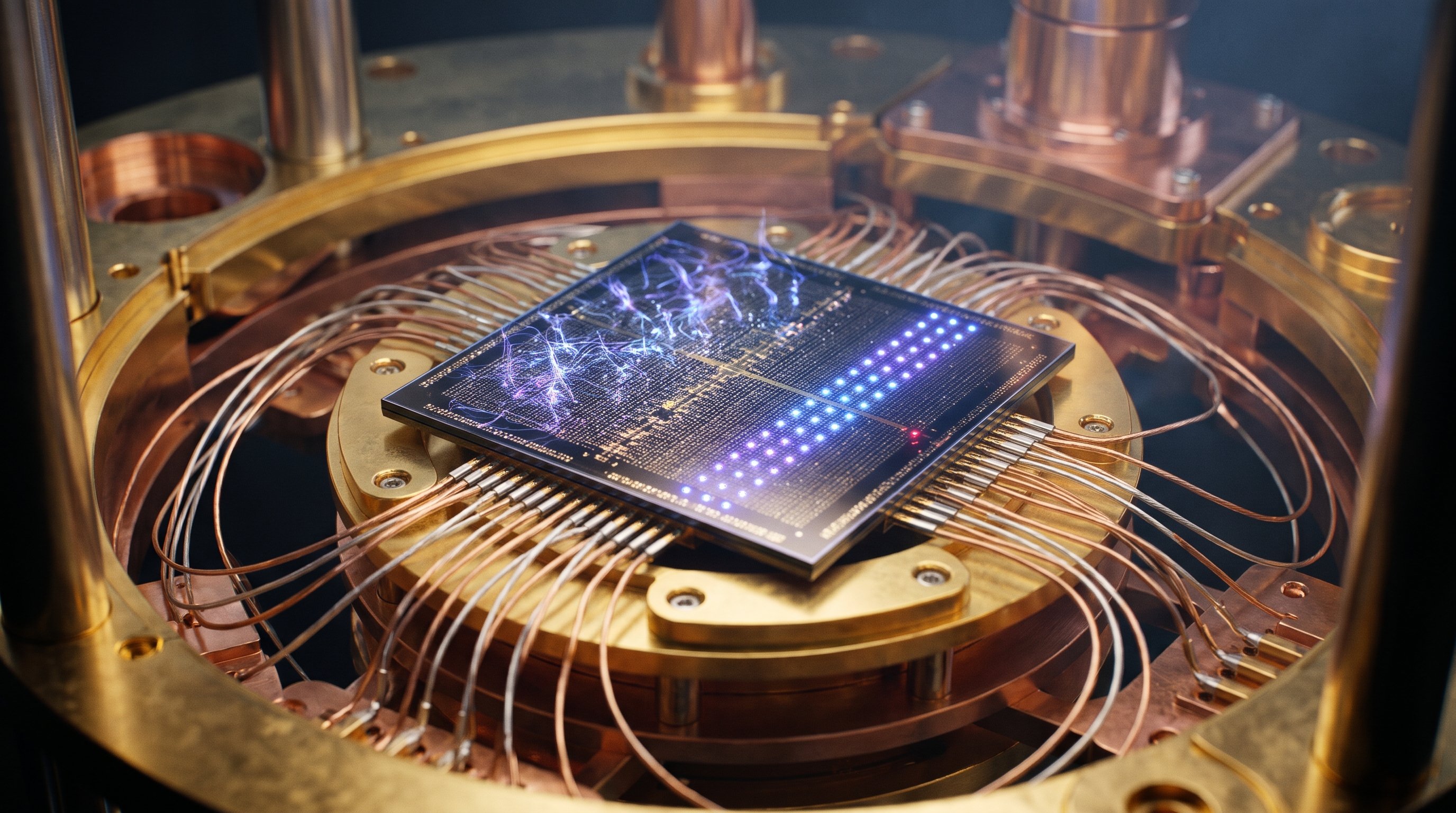
Researchers from Rutgers, IBM and other institutions had a quantum computer check and correct itself thousands of times while it was computing. It is not yet a working fault-tolerant quantum computer, but it is an important building block for one.
-
10-dollar light sensor from Cambridge can recognise substances in skin, food and plastic
Researchers at the University of Cambridge made a spectrometer on a chip of a few centimetres, for about 10 dollars. It recognises substances by the light they absorb. In one volunteer it tracked blood sugar without a finger prick; the next step is testing in more people.
-
AI designs molecular scissors that cut disease proteins at a chosen spot
The lab of Nobel laureate David Baker used AI to design enzymes that cut other proteins at a preselected position, including the protein that clumps together in Alzheimer's disease. Some of those enzymes also work in living cells.
-
AI model trained on almost four million fossils sheds new light on the great mass extinctions
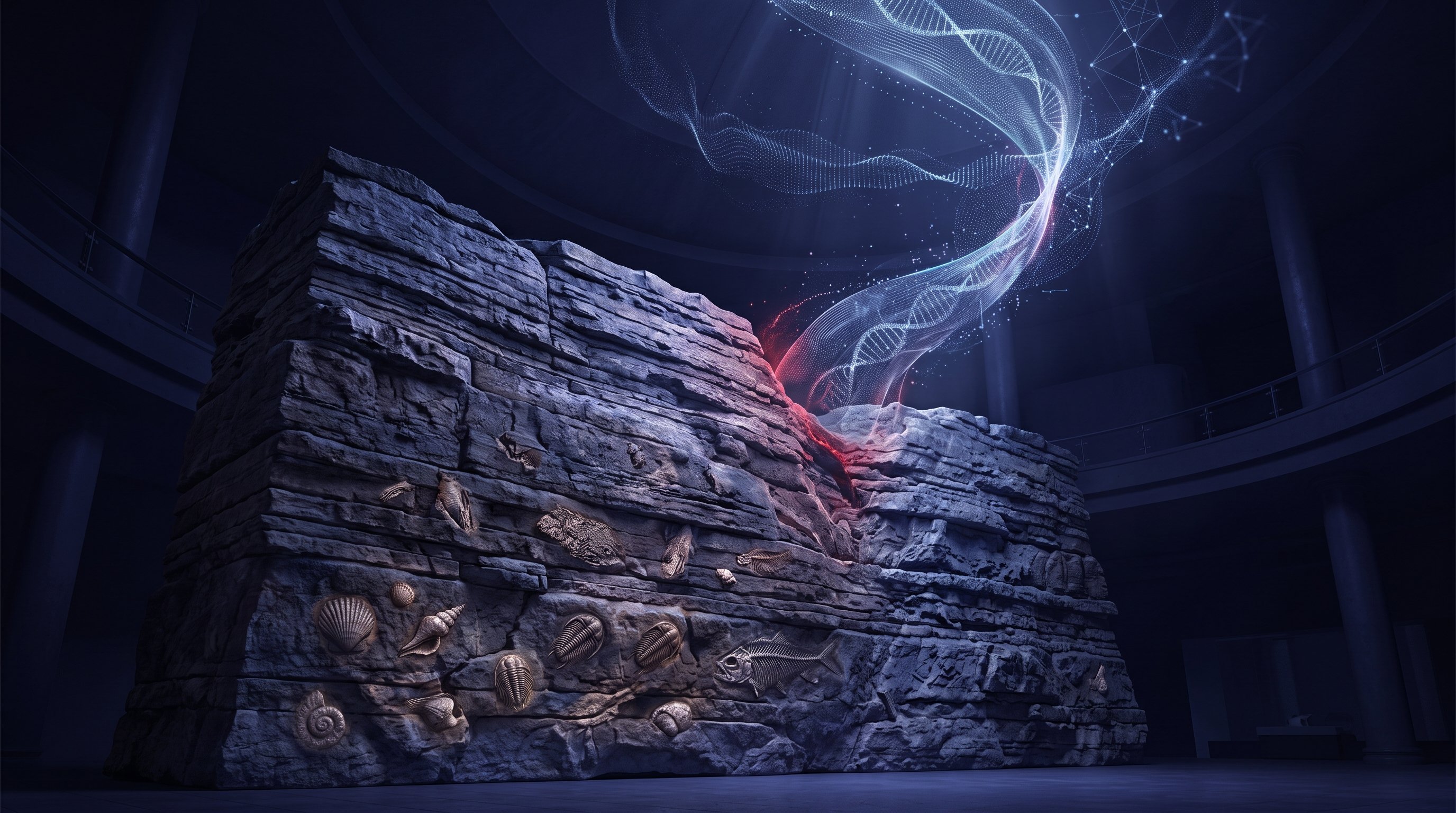
Chinese researchers trained an AI model on almost four million fossils. It maps the history of life in unprecedented detail and suggests that three of the five great mass extinctions happened more gradually than thought. Other palaeontologists are somewhat more cautious.
-
AI researcher learns from its own work and comes up with better and better hypotheses
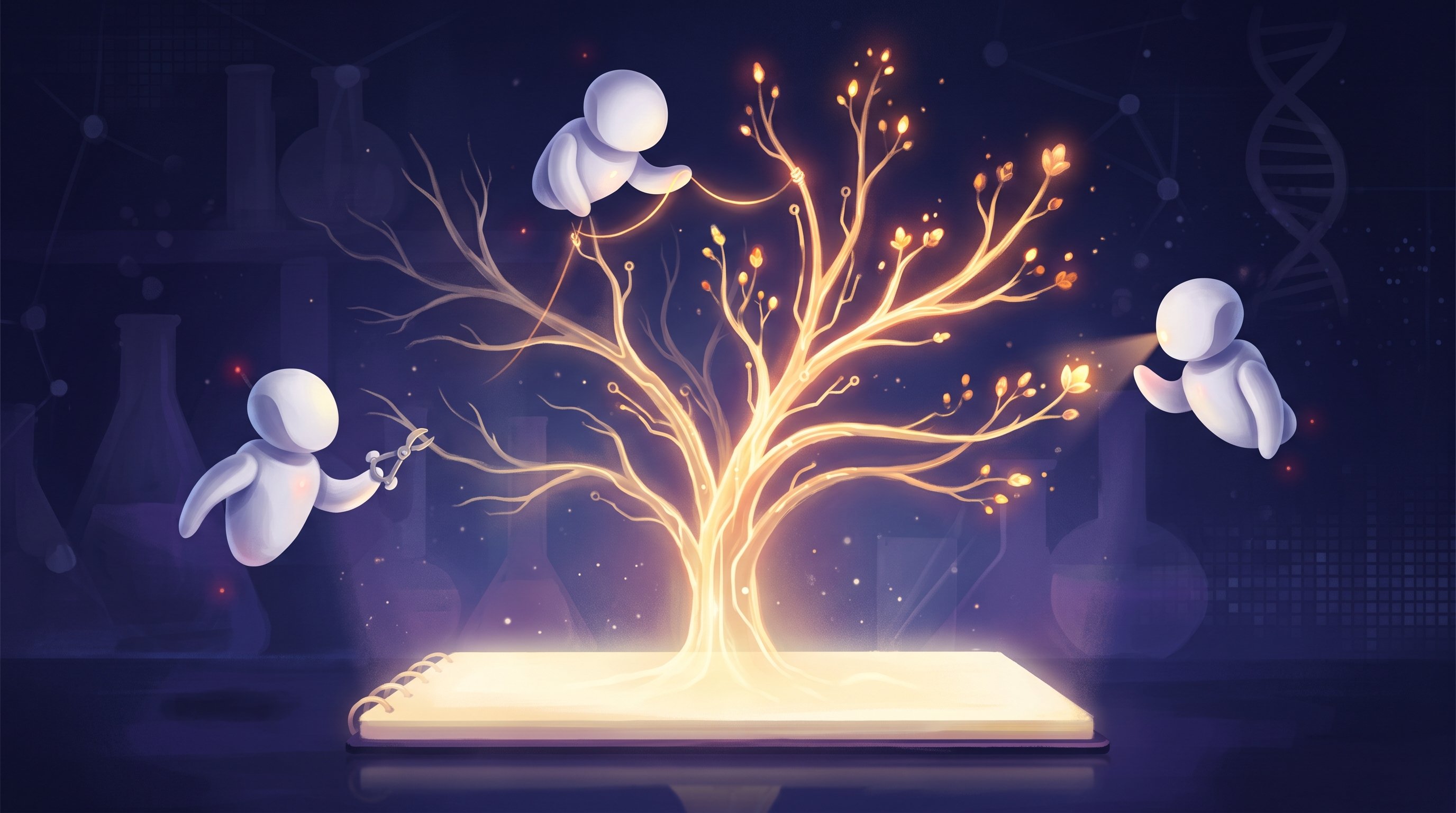
The young company PhAI Labs built a team of AI agents that comes up with research ideas, tests them and keeps track of what worked. The system learns from that record, and its hypotheses improved after two rounds. The code and model are publicly available online.