Nederlands
Topic
#Onderzoek
-
Ten AI agents deliver a computer-checked proof for a puzzle with seven electrons in fifteen hours
The company Vals AI had ten AI agents write a proof in fifteen hours for a puzzle more than a hundred years old: how seven electrons arrange themselves on a sphere. A computer checked every step. The next step is a review by mathematicians.
-
AI agents turn the longest mathematical proof ever into checkable code in 24 days
The American company Axiom Math had dozens of AI agents turn the proof of 'the enormous theorem' about symmetry, some 15,000 pages, into code a computer can check. Along the way they found 34 deviations in the published work, which have now been repaired.
-
Anthropic: Claude also disproves a conjecture about computing time that is almost thirty years old
Anthropic says an internal Claude model found a faster way to solve a famous computing puzzle on its own. OpenAI reported the same result shortly before, as one of its three AI breakthroughs. A computer has already checked the proof; mathematicians are now looking at whether it holds.
-
Start-up PSI uses AI to help publish five quantum proofs that a computer can check
Physical Superintelligence has used its own AI system to tackle five open questions in quantum information theory. Each proof is also written in Lean, a program that checks proofs step by step. Other researchers can now check them for themselves.
-
Fifteen computers built with human brain cells work together and do better than one
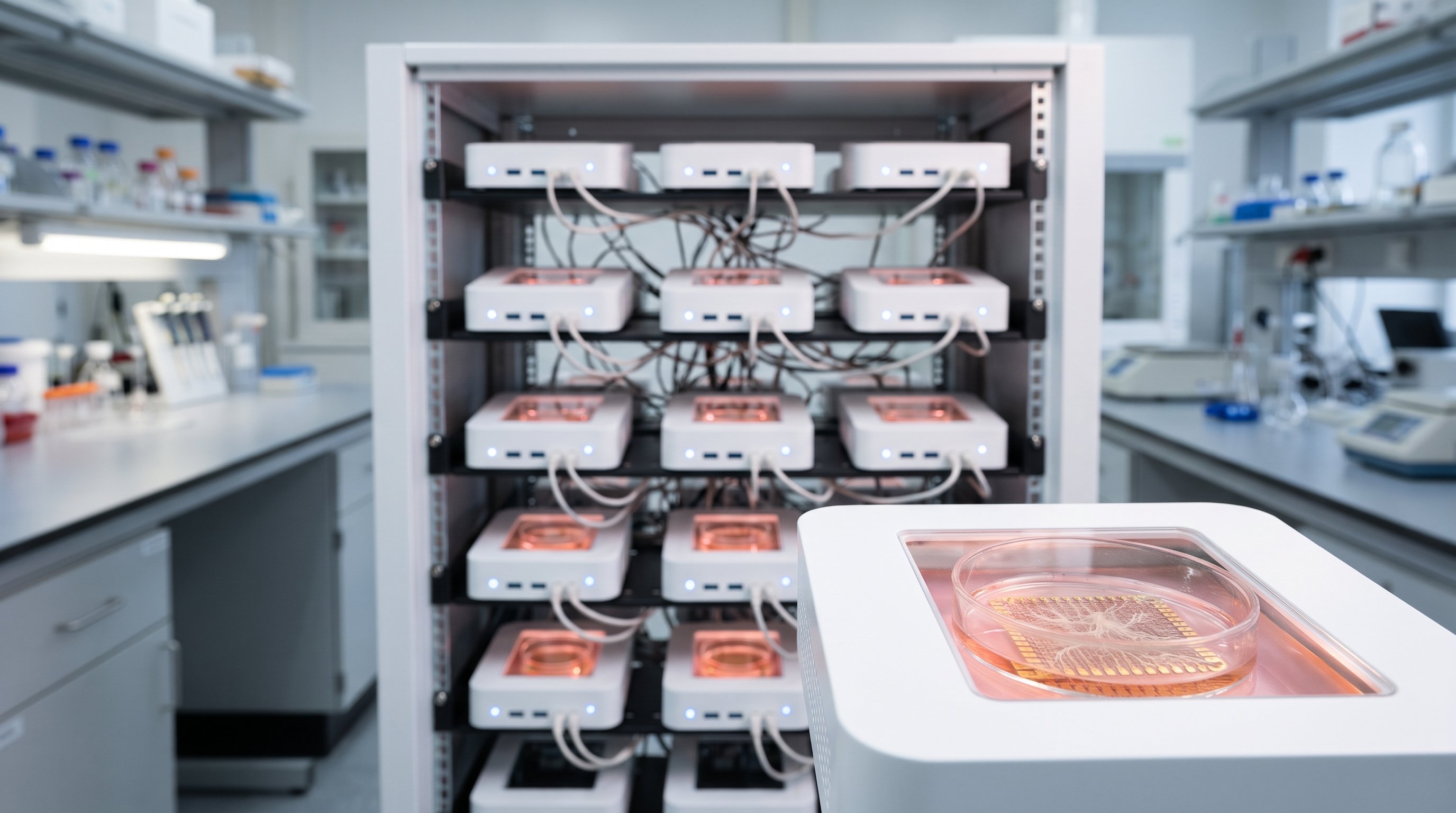
Australian company Cortical Labs linked fifteen computers that use lab-grown human brain cells. In early tests they did better together than a single machine and a common AI program. The results are preliminary and come from the company itself.
-
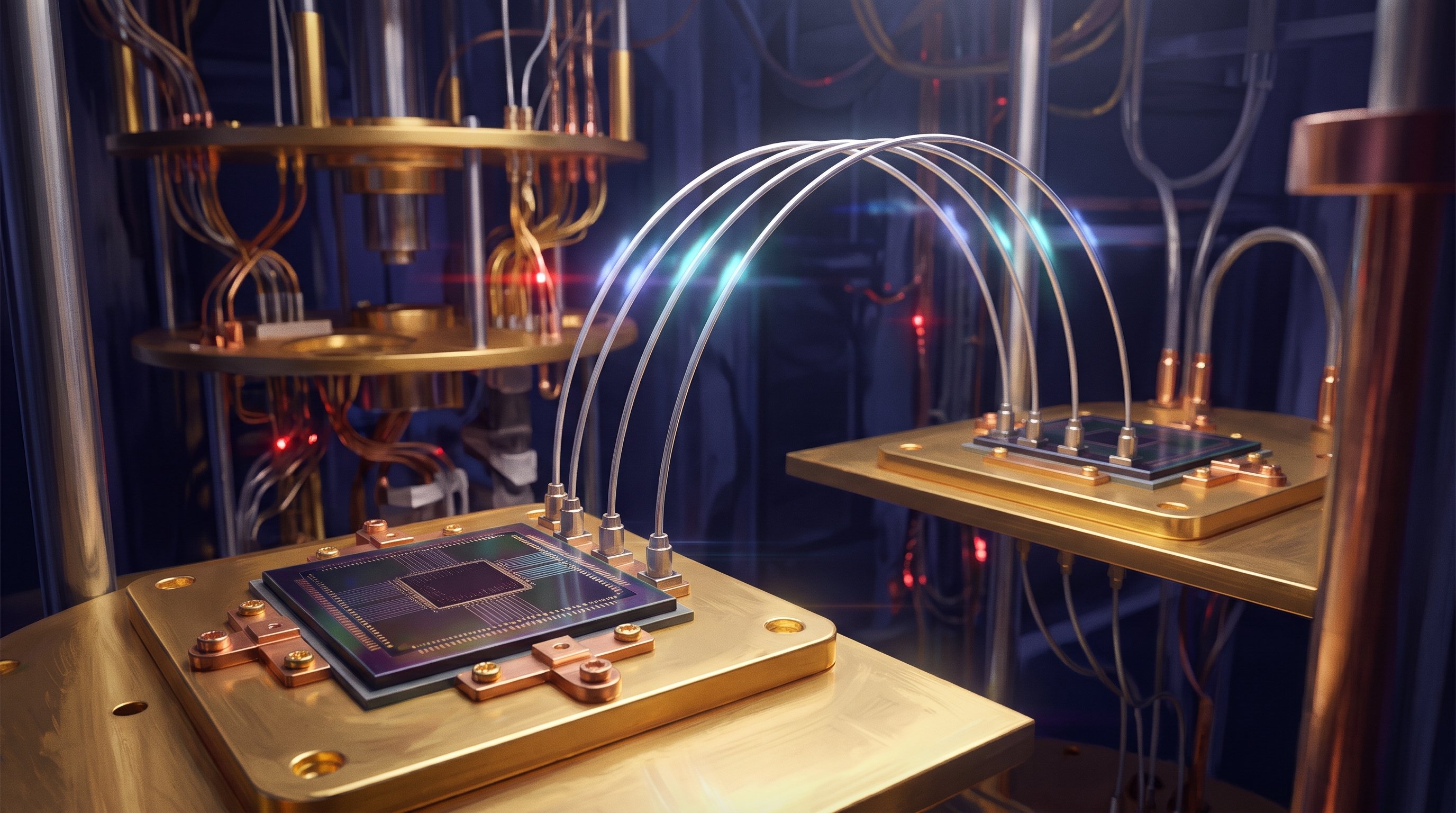
IBM links two quantum chips with 80-centimetre cables
IBM researchers connected two quantum chips of 120 qubits each with four superconducting links of 80 centimetres. Quantum information came across correctly 99 times out of 100 on average. It is a step towards quantum computers built from separate modules.
-
OpenAI: its own AI cracked three major problems, and top scientists will check the work
OpenAI says its internal AI models have solved three long-standing problems in mathematics, computer science and physics. Part of the proofs has already been checked by a verification program. Independent experts will now examine whether everything holds up and what it means.
-
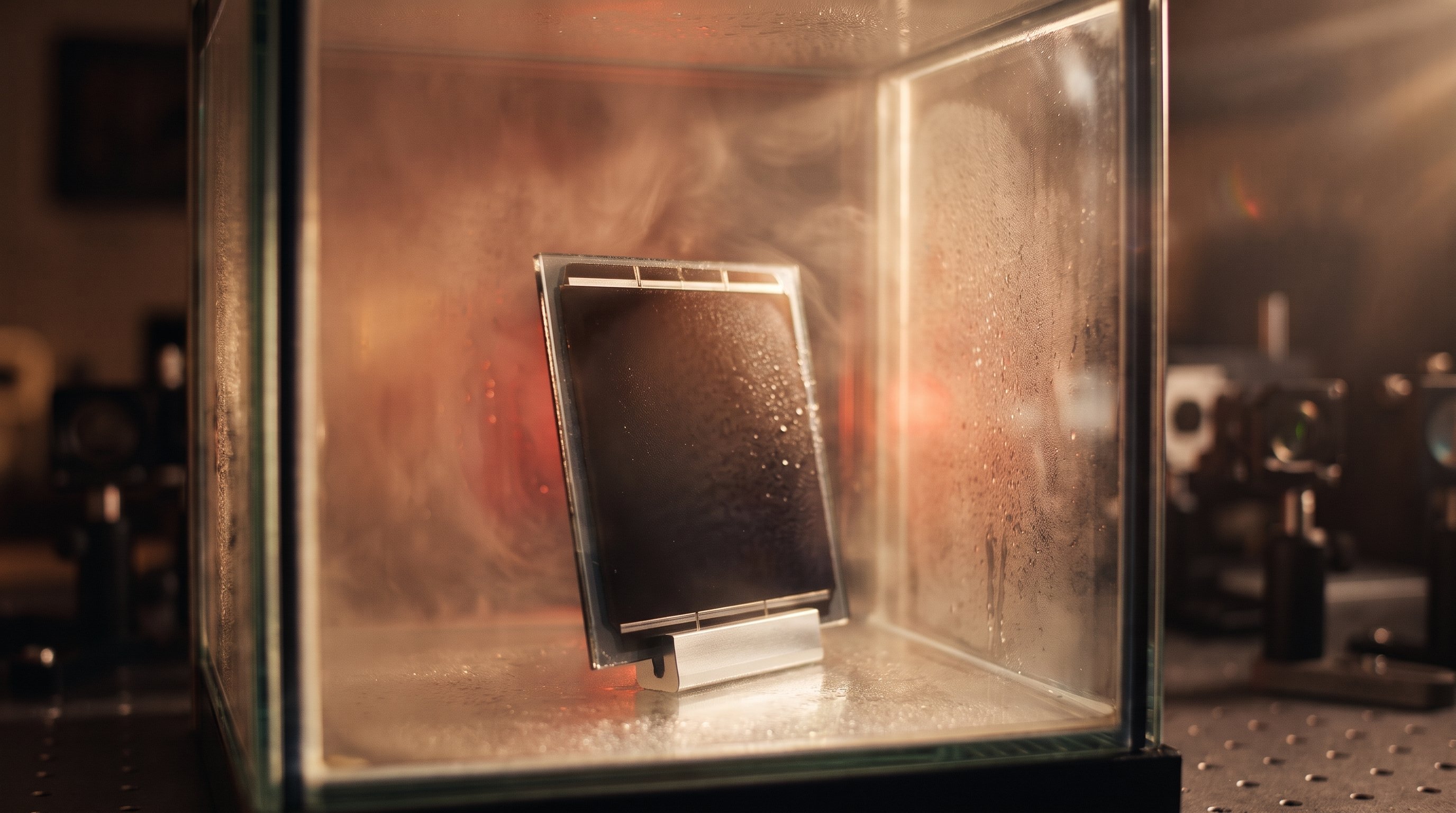
New solar cell survives 1,000 hours of heat and humidity thanks to a clean-up trick
Korean researchers filter the substance that makes perovskite solar cells wear out quickly out of the production process. After 1,000 hours at 85 degrees and in humid air, their cells still kept 95 per cent of their efficiency, an important step towards solar panels that last a long time.
-
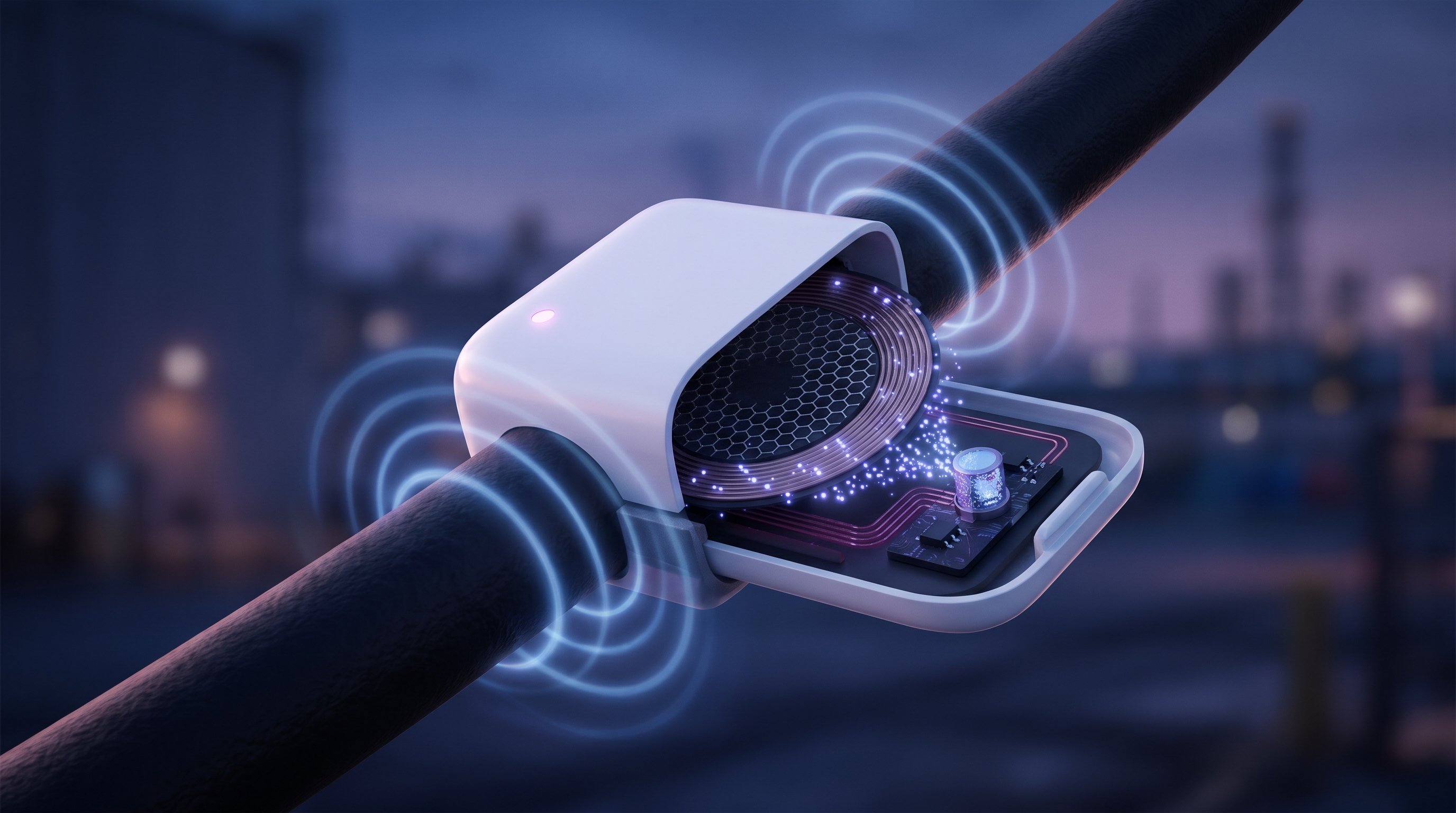
Graphene coil draws power from the magnetic field of power cables: sensor works without a battery
Researchers from Arkansas and Michigan power a temperature sensor with energy from the magnetic field around power cables, using a component made of graphene. If the power goes out, the sensor keeps working for at least 24 hours.
-
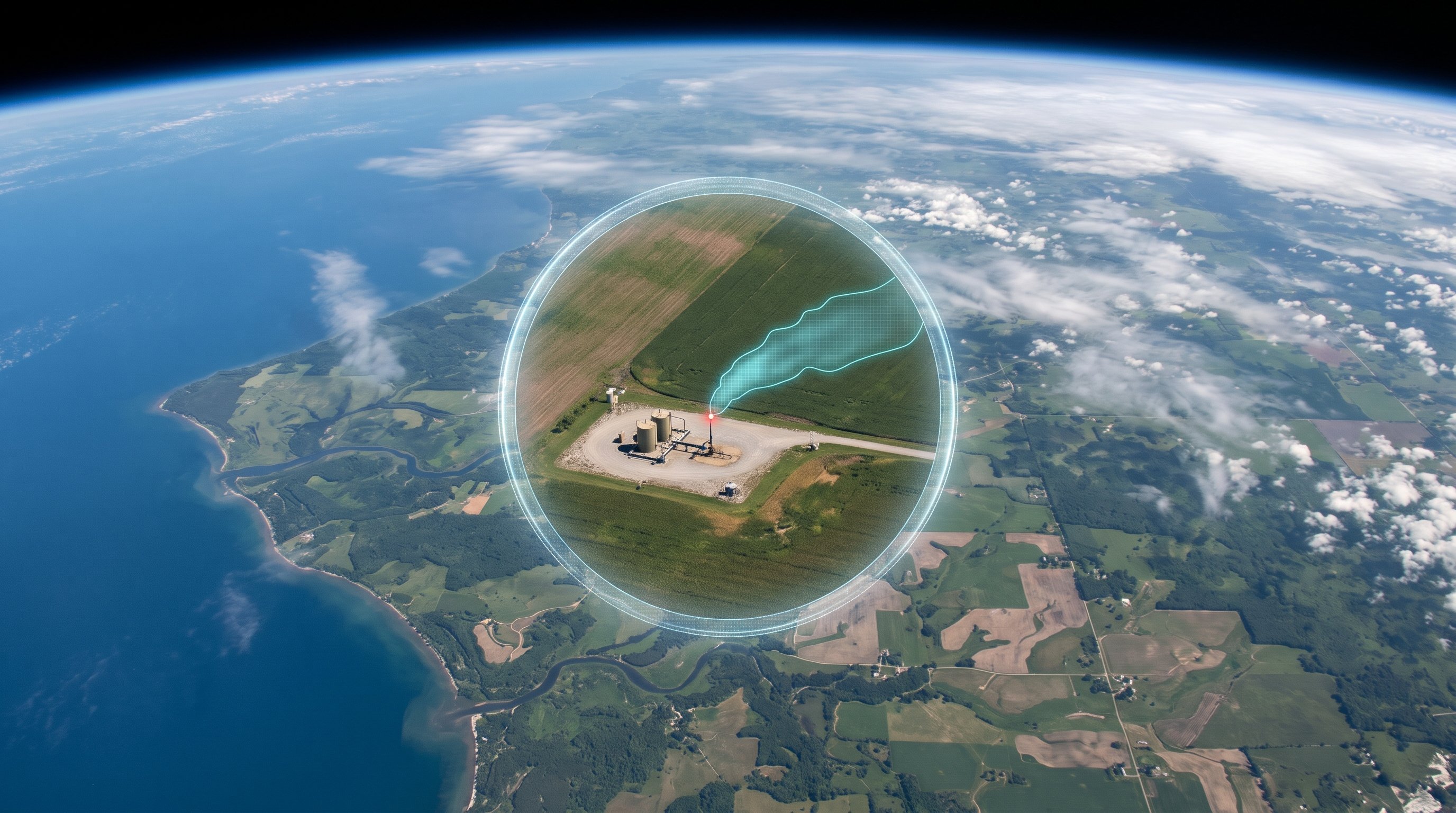
AI from Google and NASA finds many more methane leaks in satellite images
Google Research and NASA built an AI model that detects methane clouds in measurements from the International Space Station. In a test it found about 50% more likely methane plumes than human analysts. The model, code and map are freely available.
-
Chinese team sends 3.2 petabits per second through a single optical fibre
Chinese researchers sent 3.2 petabits per second through one optical fibre with 24 cores, and the equipment processed everything straight away. That is a record for this kind of real-time measurement and could help connect AI data centres faster in future.
-
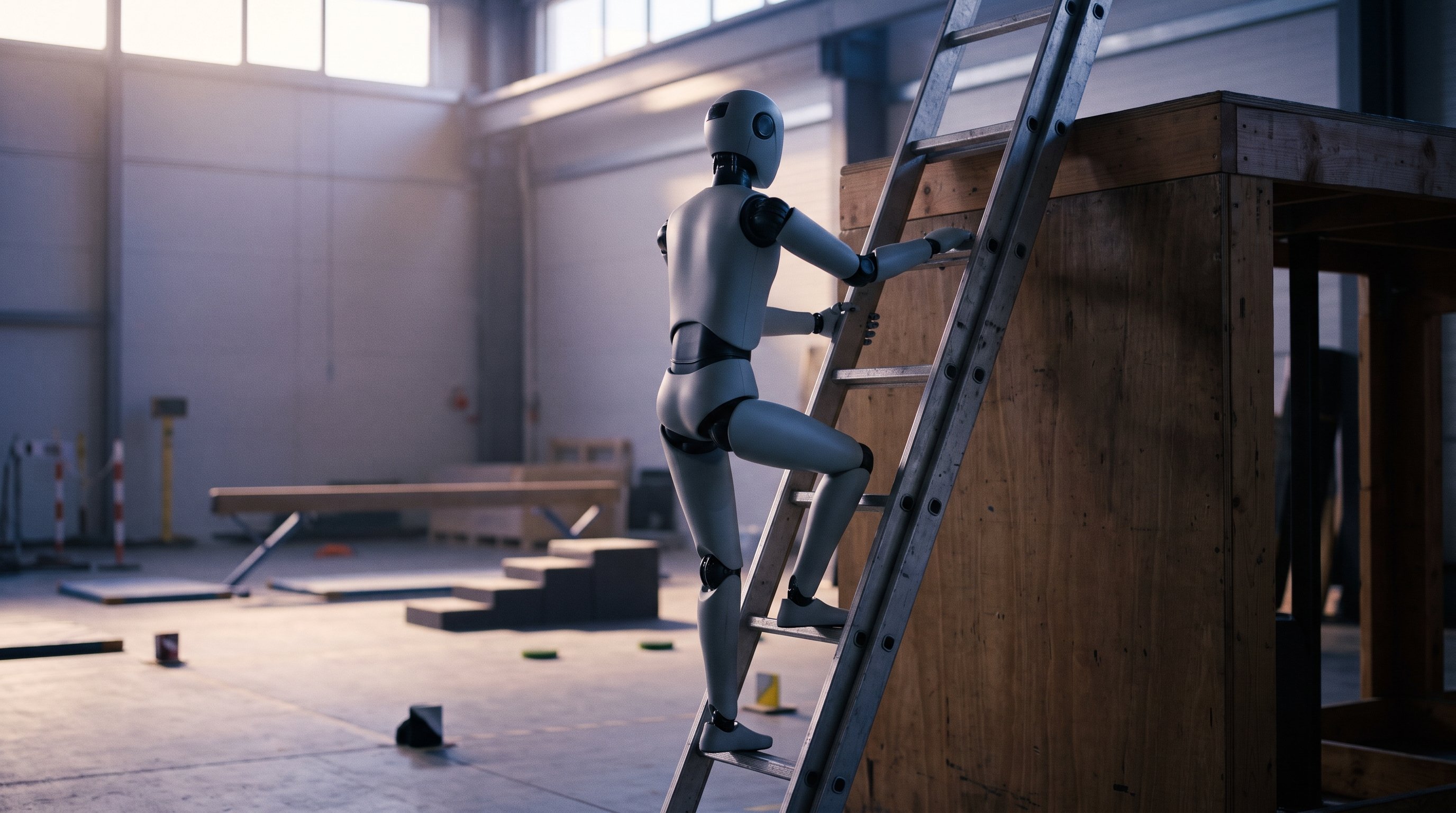
ETH Zurich humanoid robot climbs ladders and gets back up by itself after a fall
Researchers at ETH Zurich have a humanoid robot climb ladders, jump over obstacles and get up after a fall, all with one learning system. In a simulation, the robot completed 92.5 per cent of the obstacle courses.
-
A little silver makes a light lithium battery without a separate negative electrode much more stable
Researchers in Hong Kong add a substance containing silver to a battery without a separate negative electrode. A 2 amp-hour test cell reached 467 watt-hours per kilogram, and a smaller cell kept 90 per cent of its capacity after 200 charges.
-
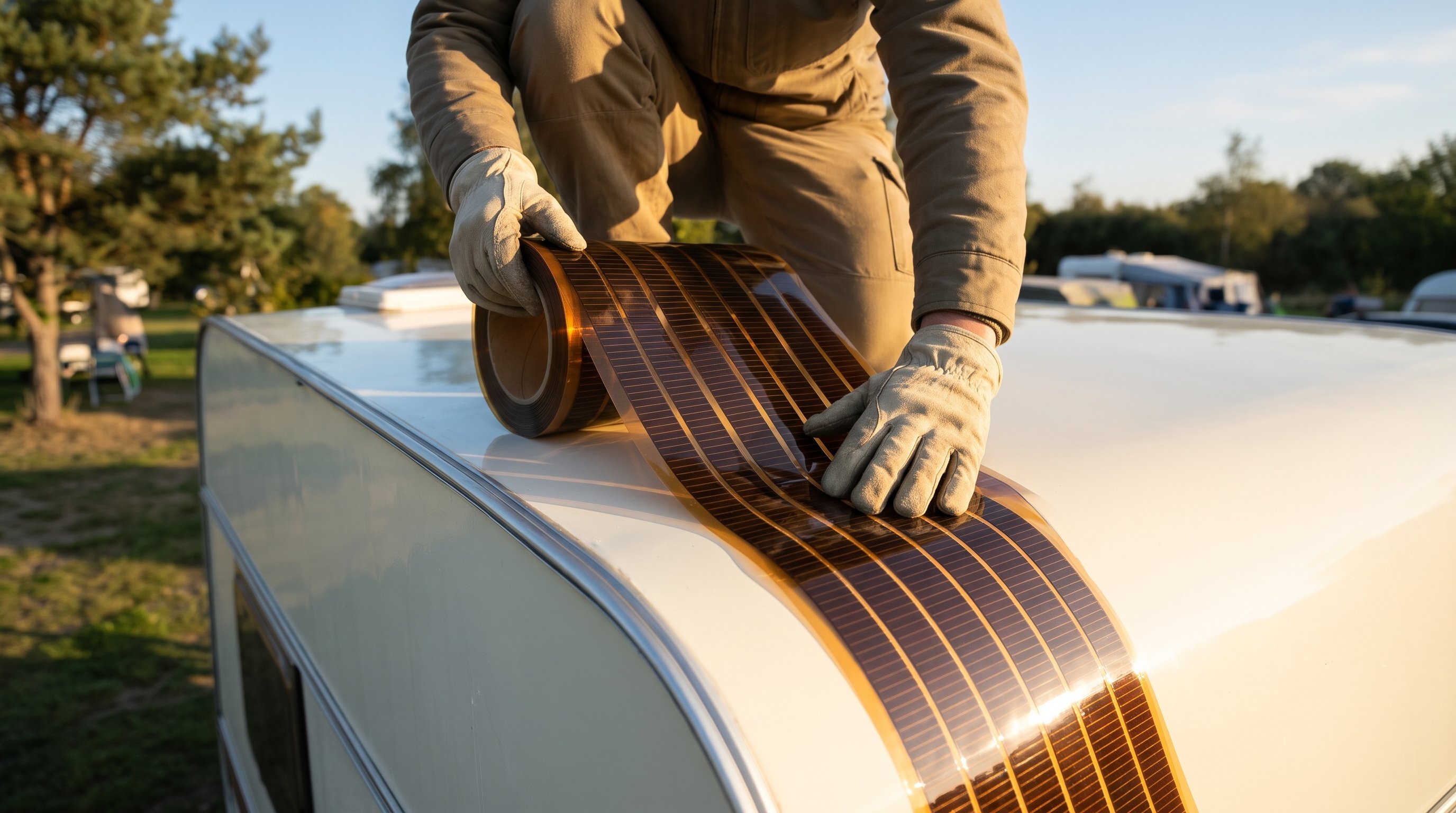
Flexible solar cells reach high efficiency and pass a tough endurance test
Chinese researchers have made flexible solar cells that also work well as larger panels. A small cell converts a certified 26.9 per cent of sunlight into electricity. After more than 1,000 hours of heat and humidity, a test panel kept 92.5 per cent of its efficiency.
-
AI model designs experiments better than 24 experienced AI researchers
On a new test by P-Zero Research, Claude Opus 5.5 designs better AI experiments than the best of 24 human experts. The model needs less than half the computing time to do so and costs about one thirtieth as much.