Nederlands
Topic
#Ruimtevaart
-
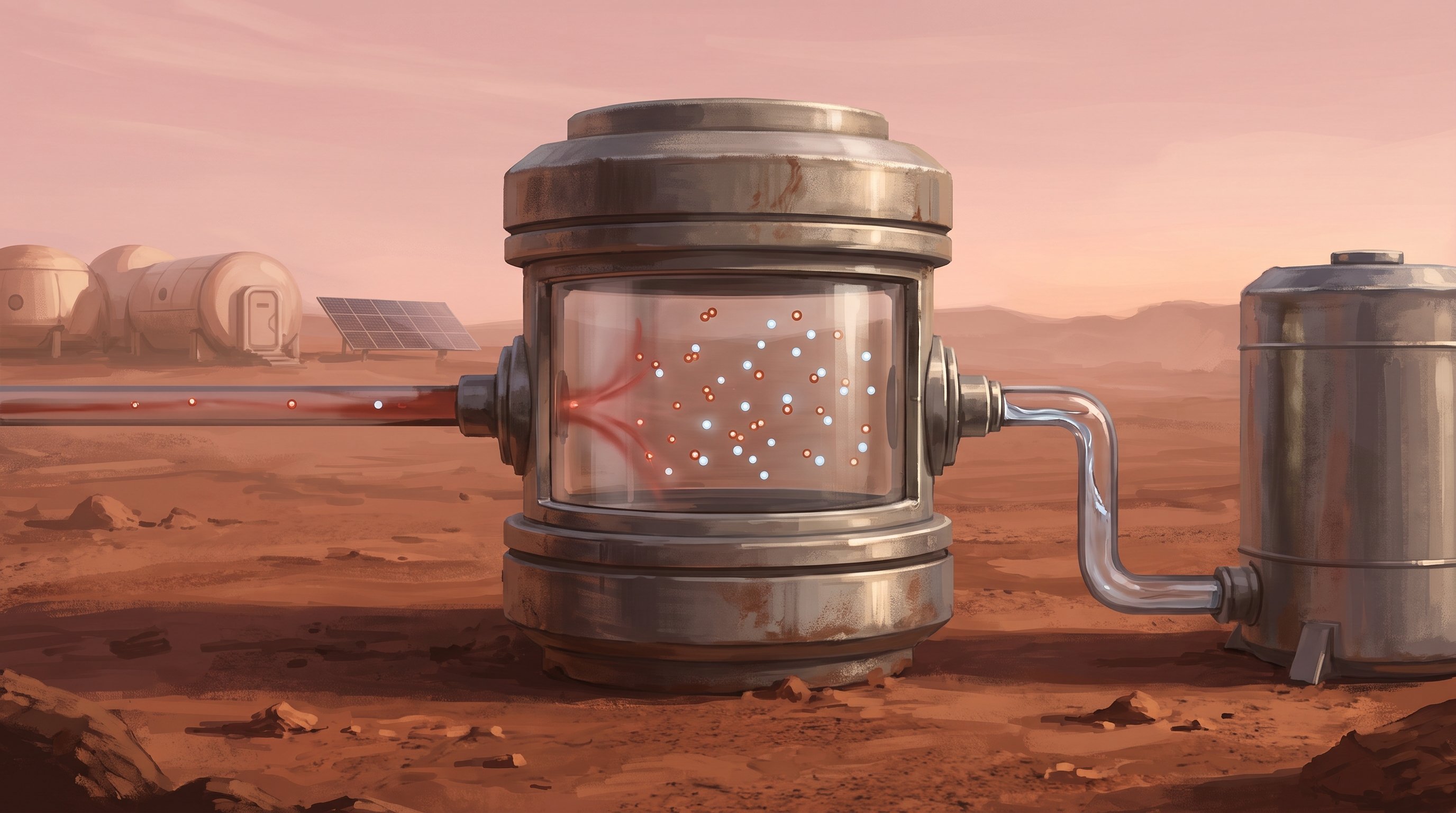
Chinese catalyst turns CO2 into methanol, as a fuel for Mars
Researchers in Hefei made a catalyst of copper and sodium that turns carbon dioxide and hydrogen into methanol eleven times faster than without sodium. The aim: to make liquid fuel from the air on Mars one day. The experiments have now been done in the lab on Earth.
-
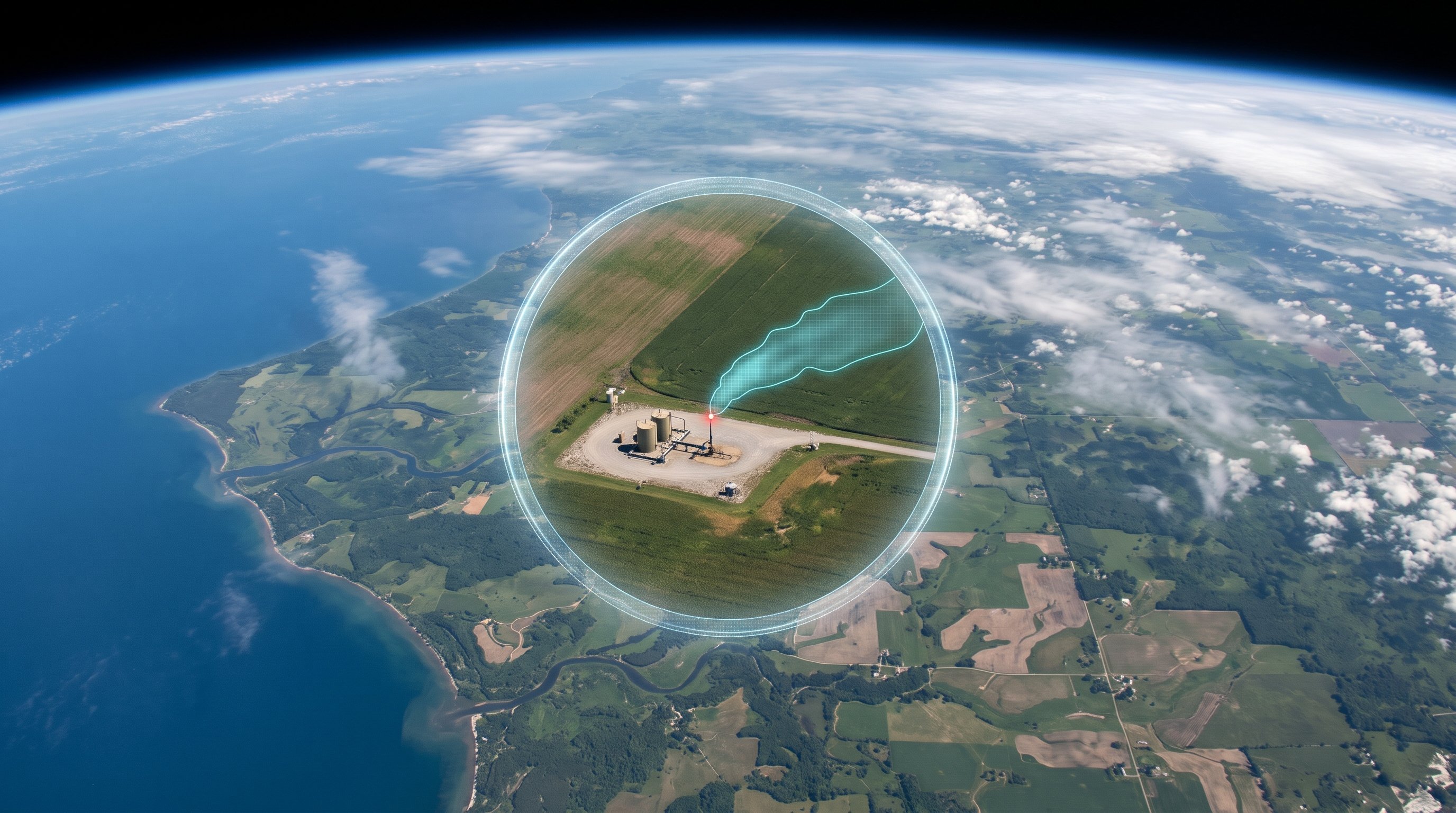
AI from Google and NASA finds many more methane leaks in satellite images
Google Research and NASA built an AI model that detects methane clouds in measurements from the International Space Station. In a test it found about 50% more likely methane plumes than human analysts. The model, code and map are freely available.
-
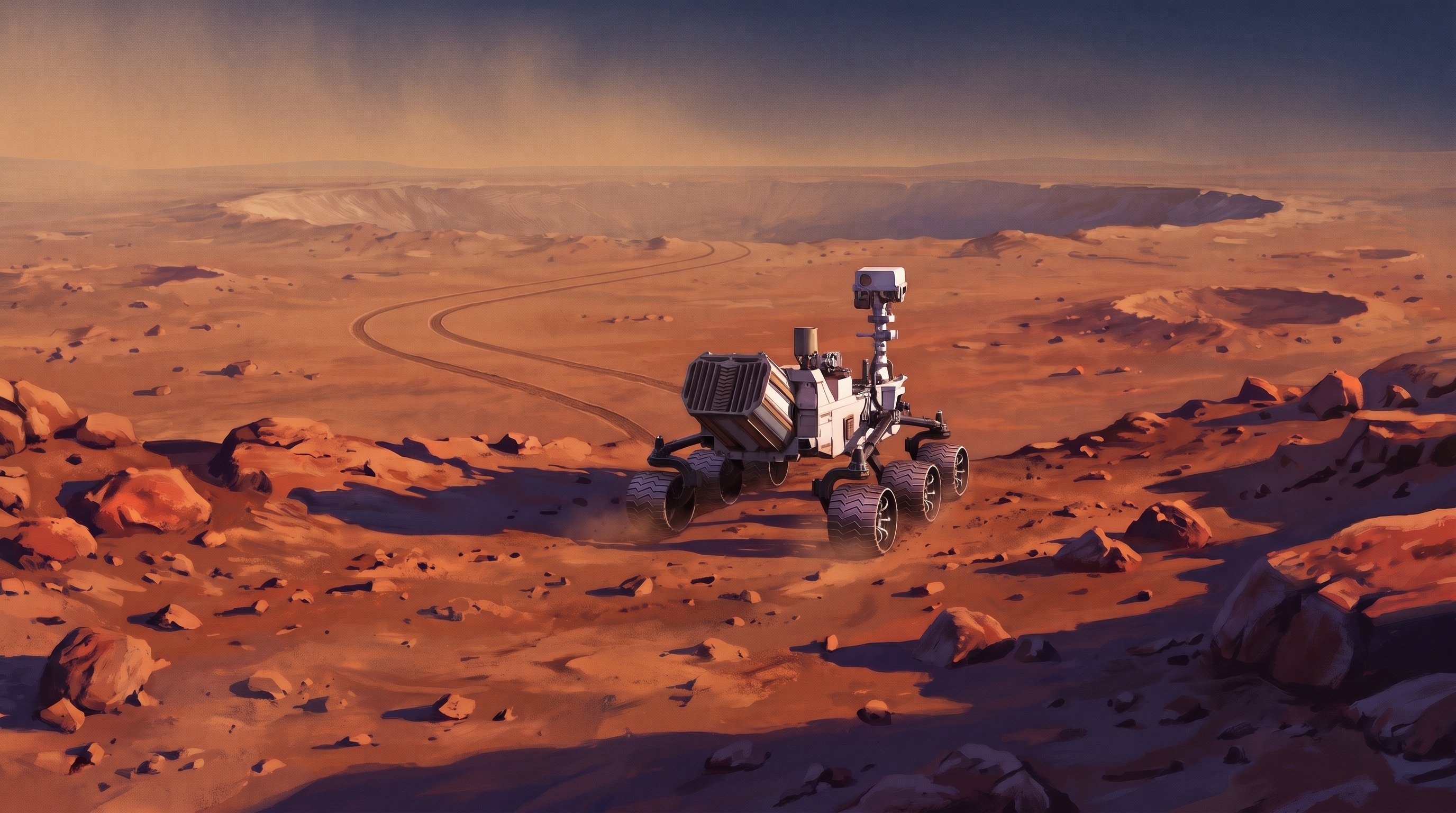
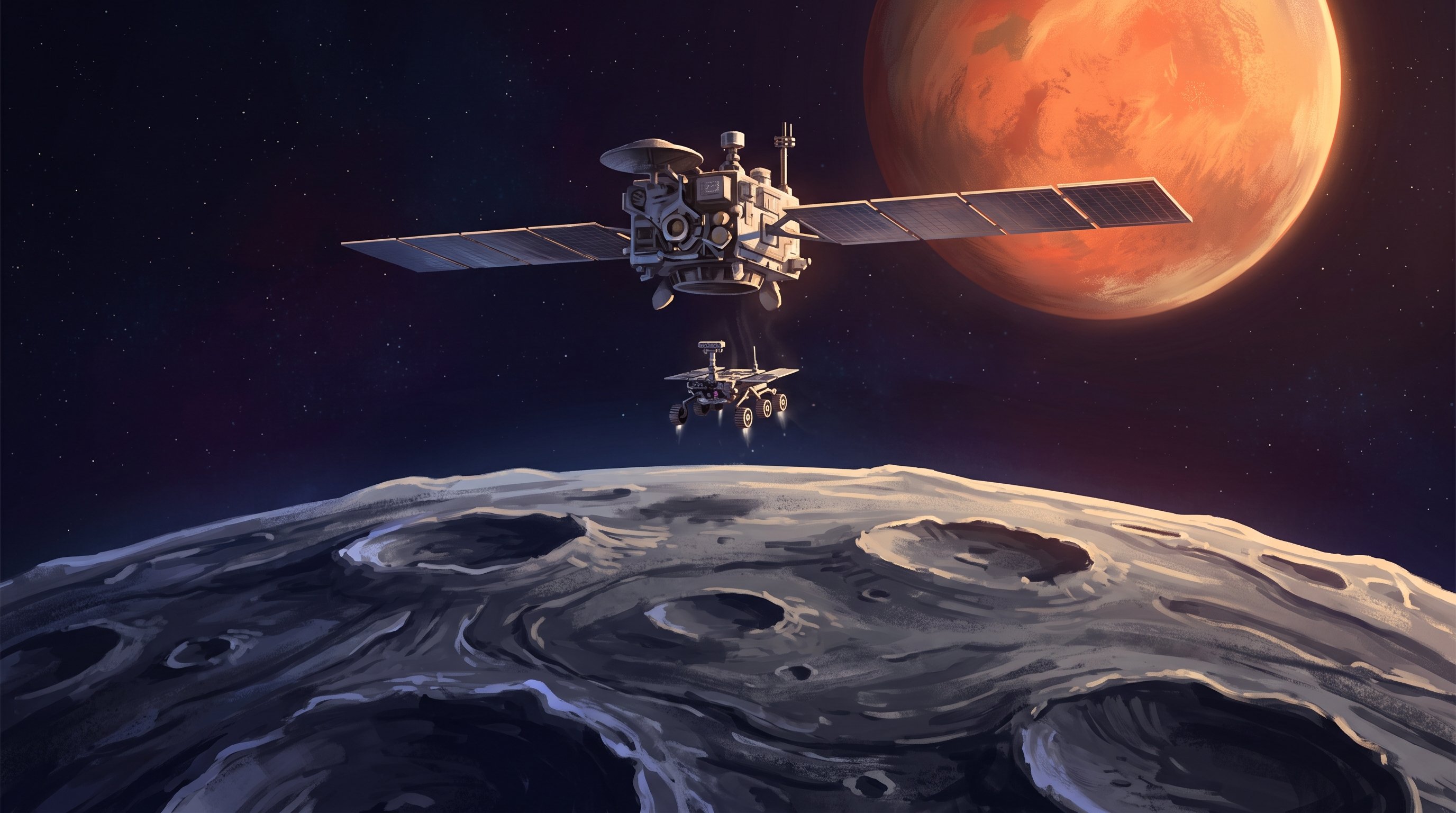
Mars rover Perseverance drives a record distance and mostly steers itself
The Mars rover Perseverance has driven 45.22 kilometres: further than any other vehicle on another planet or moon. It steered itself for more than 90 per cent of that distance. NASA has extended the mission until about the end of 2028.
-
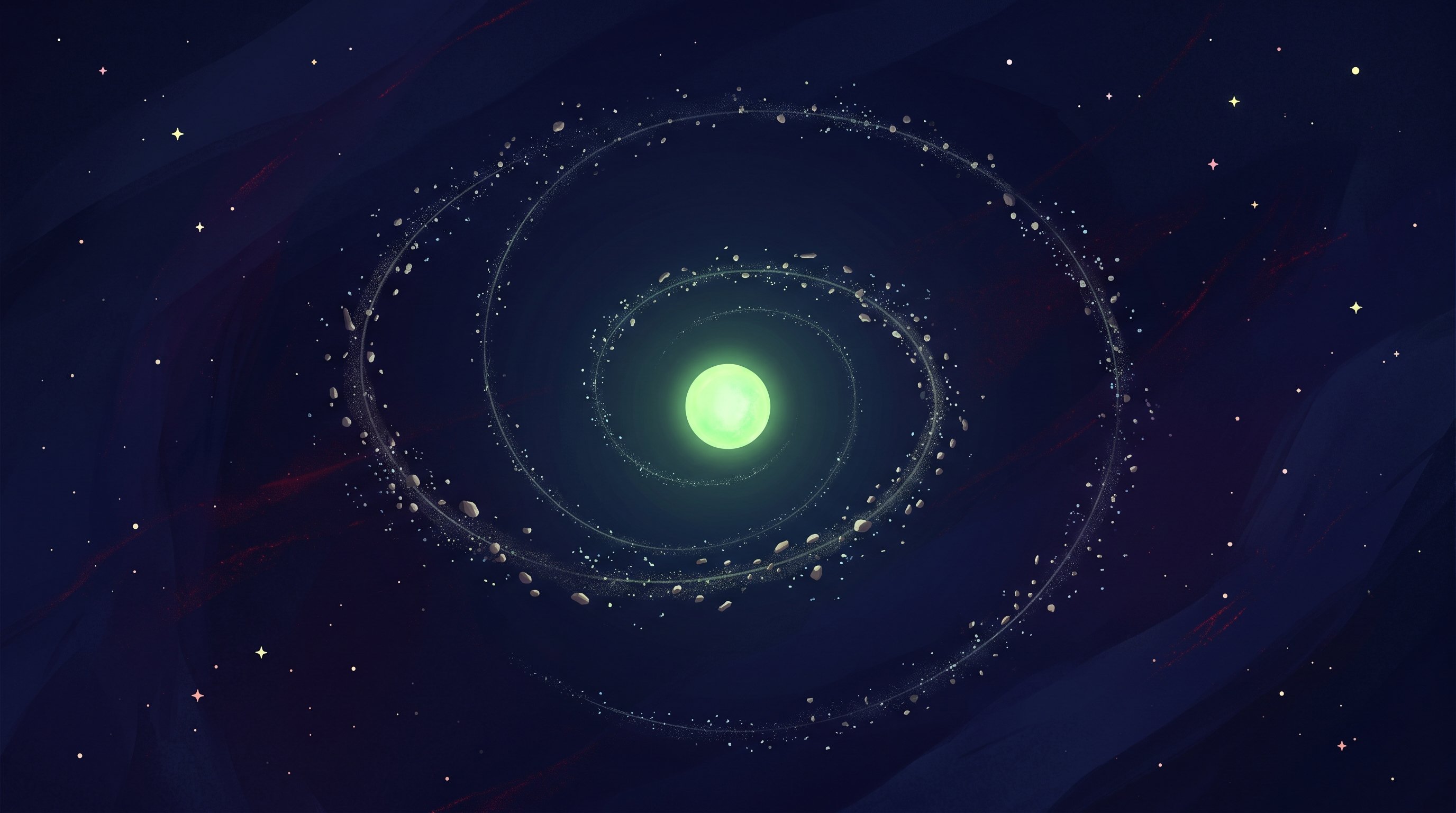
Astronomers find the first star that would look green
A burnt-out star full of dust from rocky planets would glow green to the human eye. Astronomers at the University of Warwick calculated this. It is the first star for which a green colour has been credibly reported.
-
Japan launches space probe that is to be the first to bring soil from a moon of Mars to Earth
The Japanese space agency JAXA has launched the probe MMX. In 2031 it is to bring at least 10 grams of soil from the Martian moon Phobos to Earth. That has never been done before, and it could explain how the moons of Mars came to be.
-
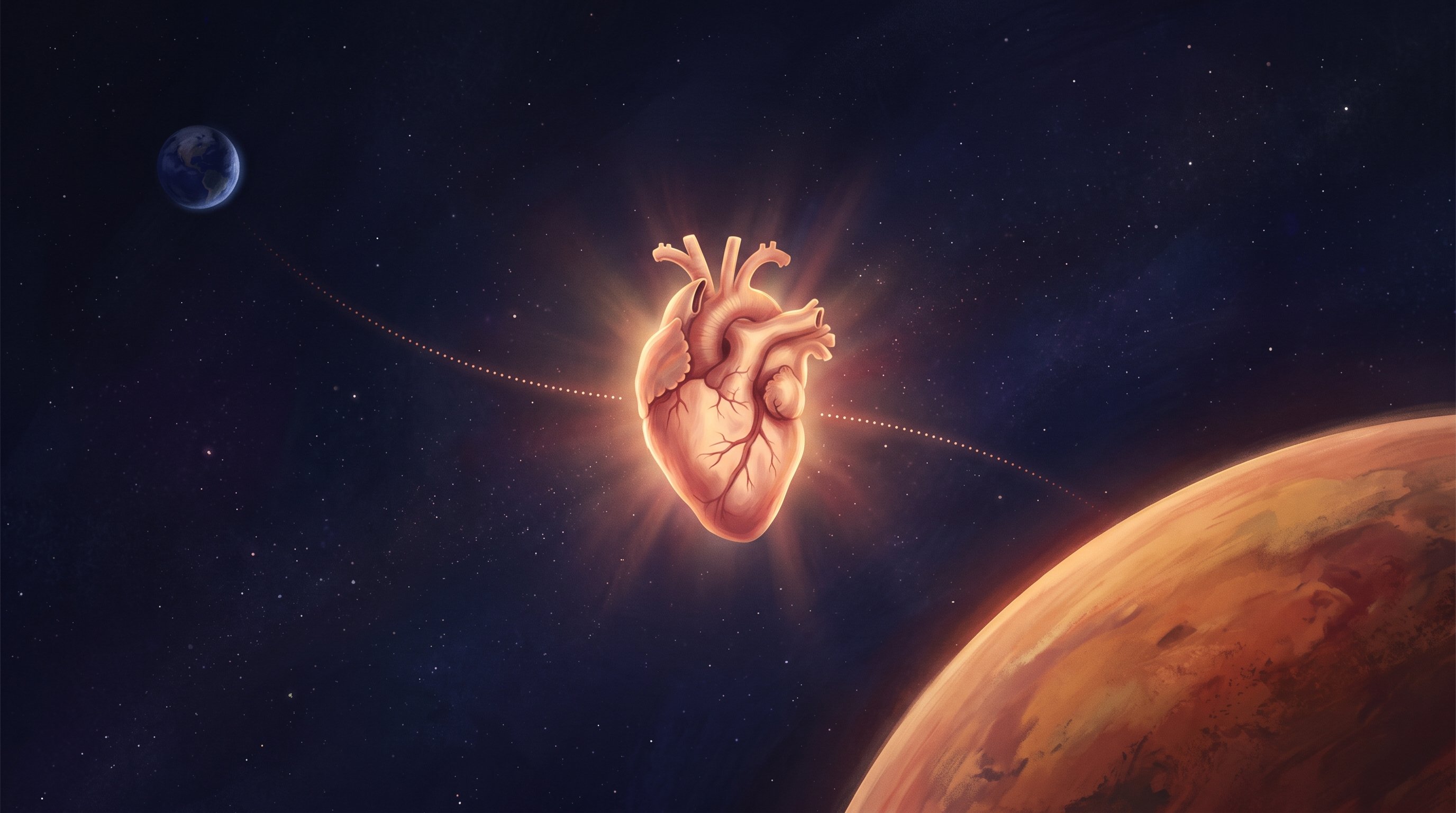
Daily exercise keeps astronauts' hearts ready for Mars
Astronauts' hearts shrink slightly in their first weeks in space, but with daily training they recover during a six-month stay. After returning, the hearts coped well with simulated Martian gravity, American researchers report.