Nederlands
Brain implant
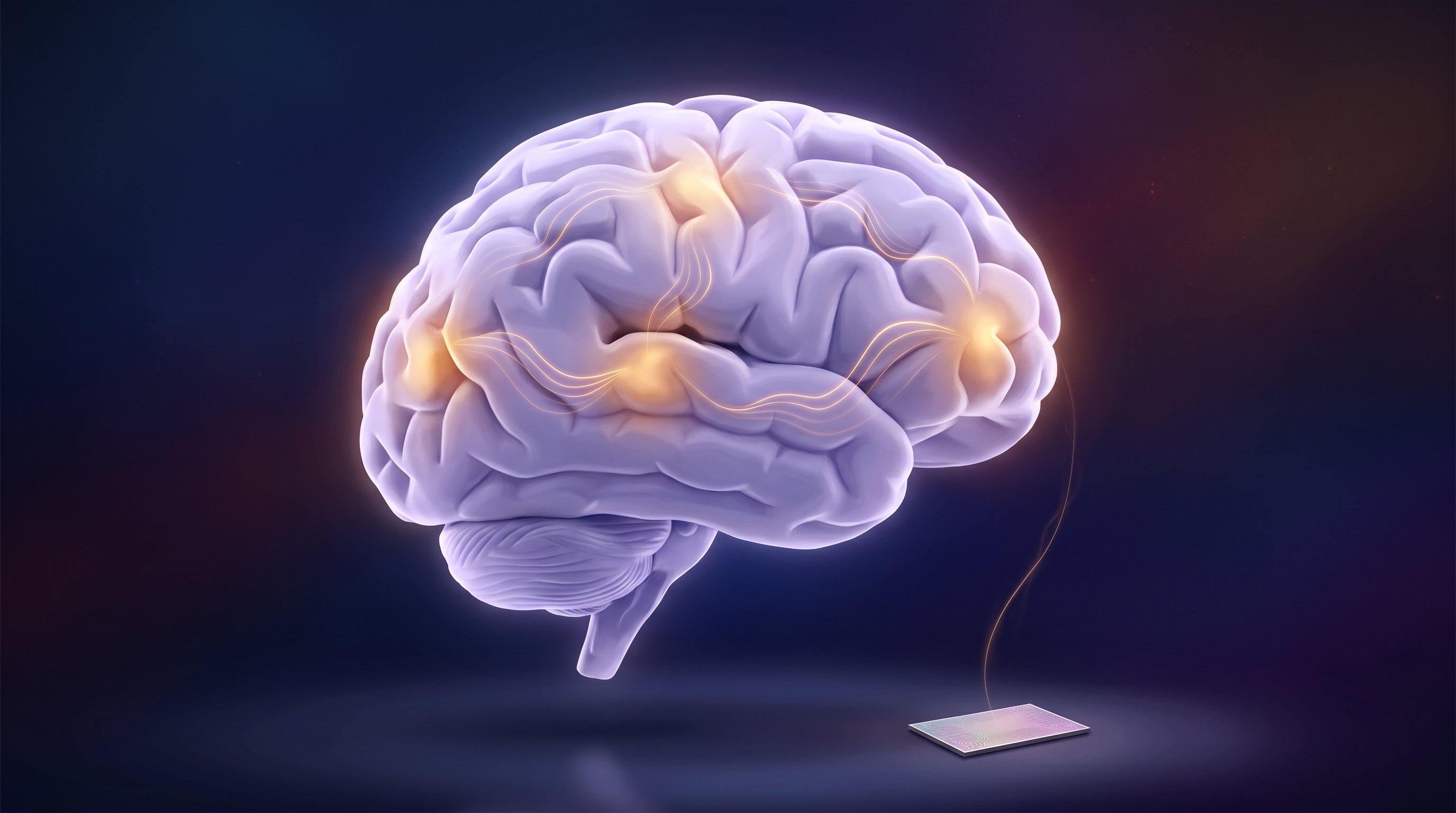
A brain implant is a small device placed in or on the brain. It can measure brain signals, or stimulate the brain. That way it can, for example, help people communicate or reduce symptoms.
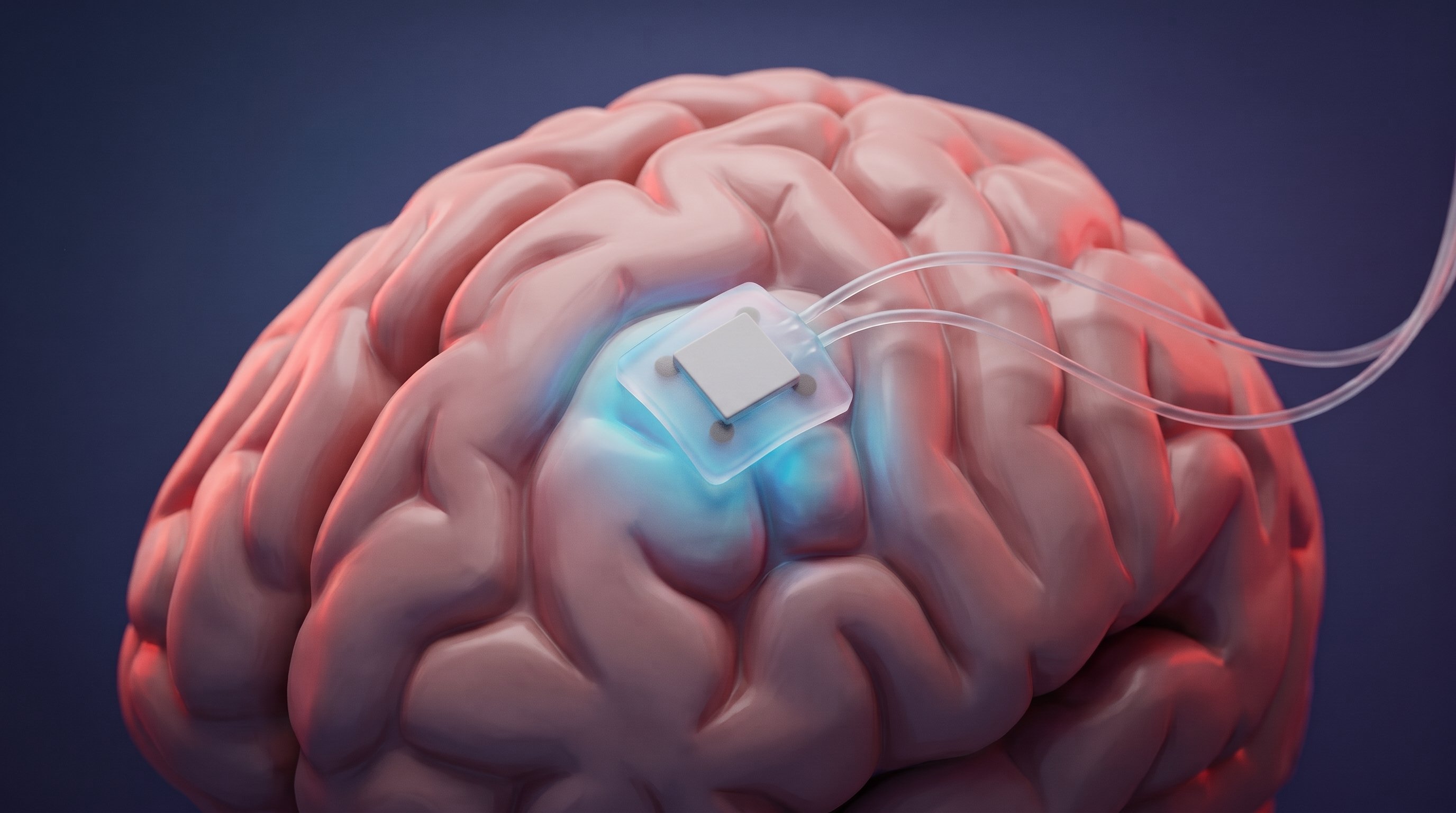
A brain implant is a small electronic device that a doctor places in or on the brain. It works as an interpreter between brain cells and a computer. An implant that translates brain signals into commands for a computer is also called a brain-computer interface.
How does it work?
Brain cells talk to each other with small electrical signals. An implant has thin wires or plates with sensors, called electrodes, that pick up that whispering. A computer searches the signals for patterns that go with an intention, for example the wish to move a cursor or to say a word. That way someone who can no longer use their muscles can still operate a computer.
The other direction exists too: an implant can stimulate brain areas with small currents or calm them down. This is being researched and used for, among other things, symptoms of Parkinson's disease and epilepsy. A doctor works out with the patient what is suitable.
Why it matters
For people who can no longer speak or move because of a disease, an implant can open up new possibilities. Neuralink says that a man with ALS can hold an ordinary phone call using his brain implant. Engineers built the functions in 72 hours at his home, together with him and his wife. The company has not yet given figures on how well it works (link).
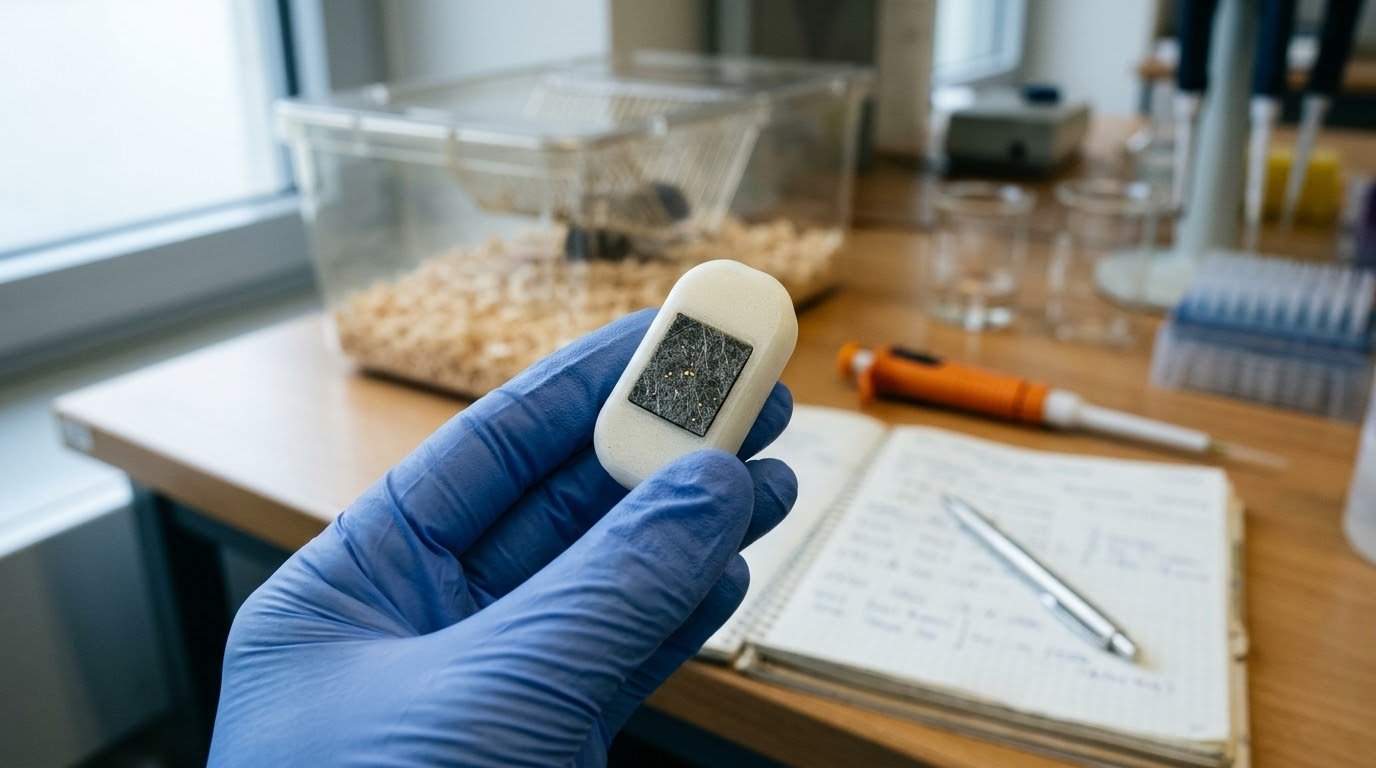
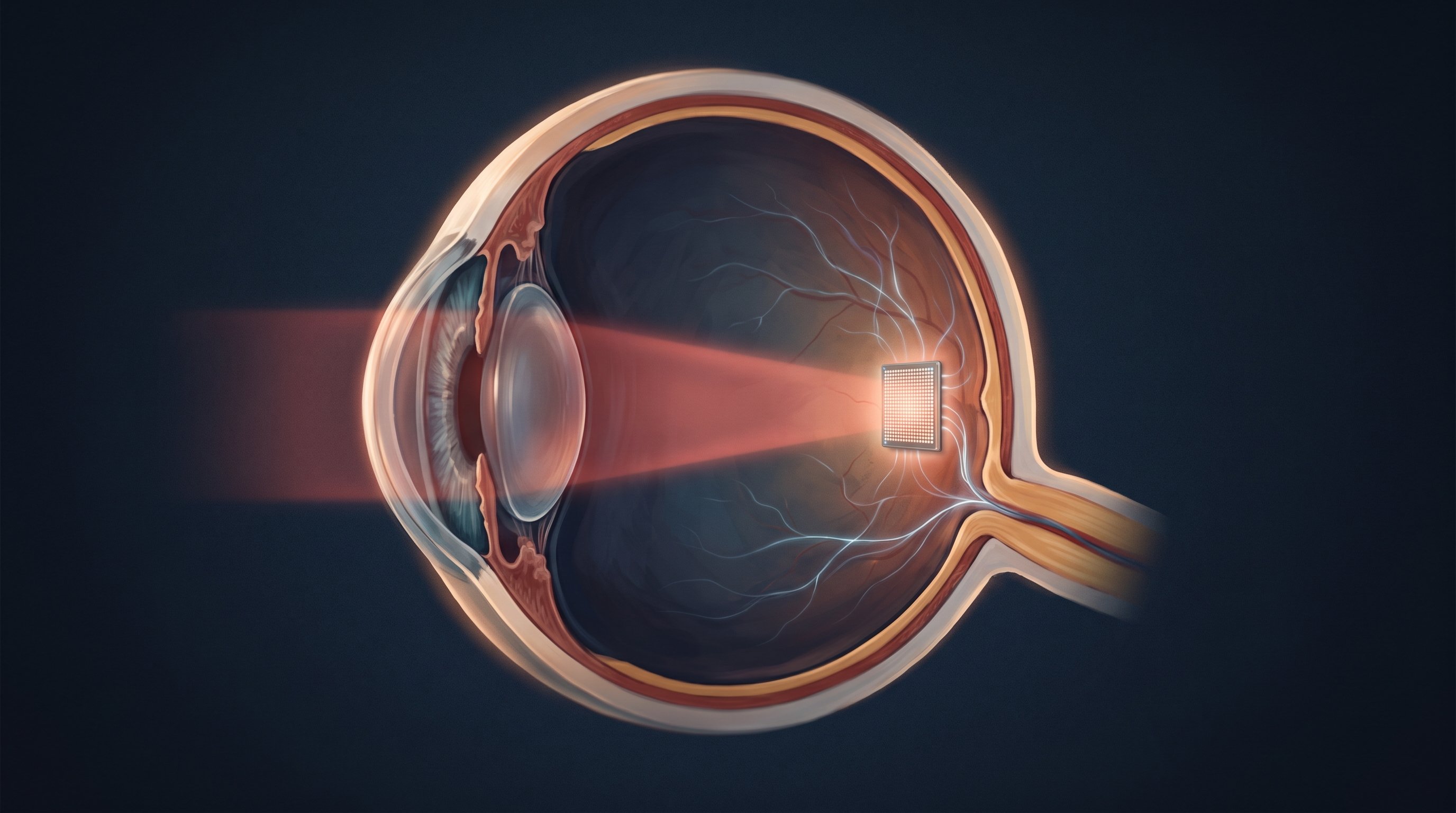
Work is also under way on more economical and softer implants. Researchers at EPFL built a chip measuring 4 by 2 millimetres that tracks how brain areas work together and so recognises concentration and emotional arousal, using very little power. The chip already works on recordings from people and in rats; patients are the next step (link). A group from Dresden, Sheffield and Limerick printed a soft implant that cools a small part of the brain and records brain activity at the same time. In rats, the cooling dampened seizure-like activity for as long as it was switched on (link). Progress is being made outside the brain itself too: the Prima implant from Science Corporation, which sits in the eye, has been allowed in Europe since July for an advanced form of macular degeneration. In a study, more than 80 per cent of participants could clearly read more letters after a year (link).
Many of these developments are still research, and some have so far only been tested in animals.
Articles about Brain implant
-
Implant removes excess sugar from the blood of mice using a little electricity
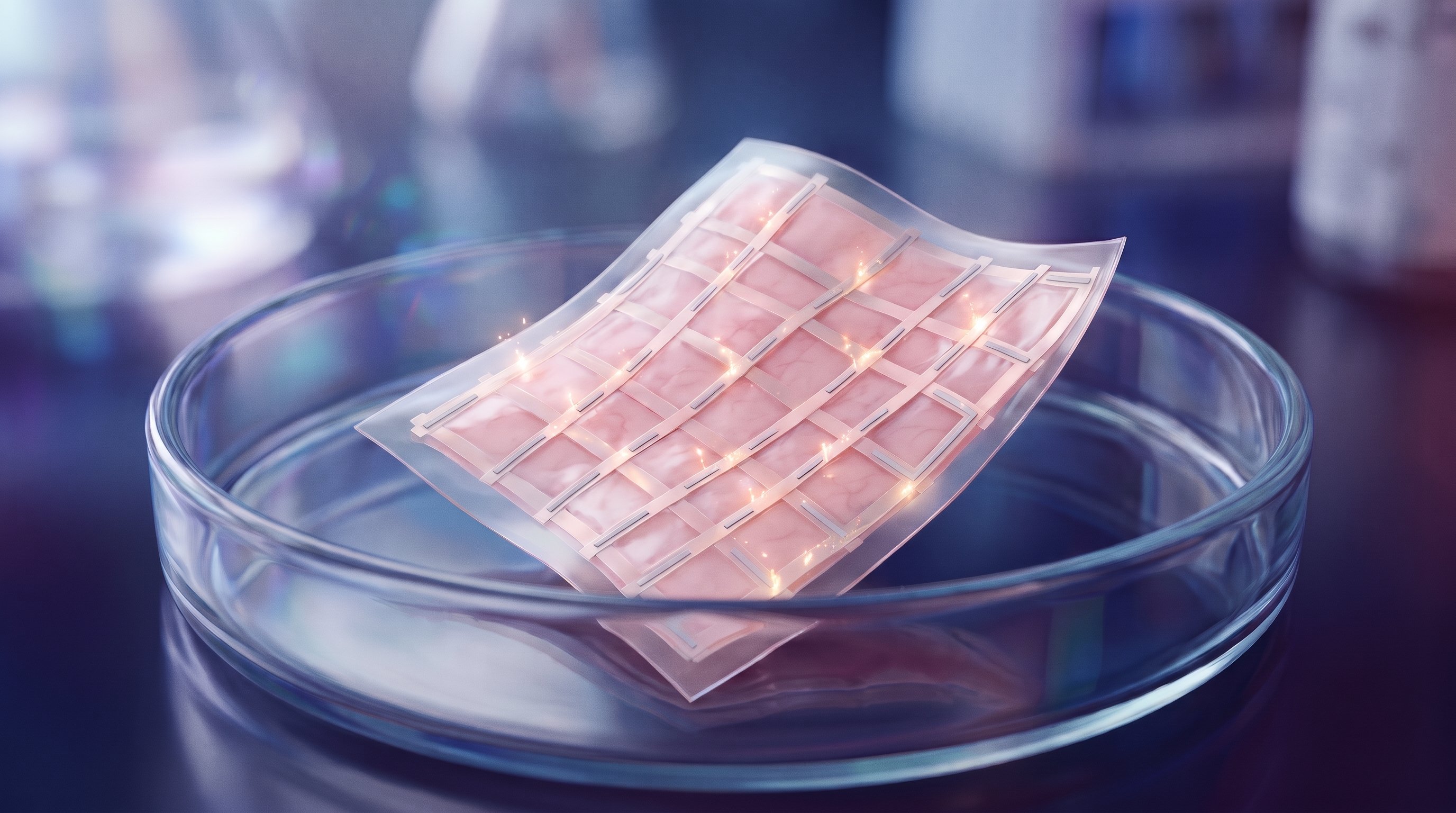
Researchers at ETH Zurich built an implant that converts excess blood sugar into a substance the body passes out in urine, without drugs. In mice with diabetes and obesity, blood sugar returned to normal within 90 minutes and the animals lost weight. Tests on larger animals are the next step.
-
Man with ALS phones his wife using Neuralink brain implant
Neuralink says a man with ALS can hold an ordinary phone call with his brain implant. Engineers built the features at his home in 72 hours, together with him and his wife. The company does not yet give figures on how well it works.
-
Focused sound waves: 13 of 24 brain injury patients show improved consciousness
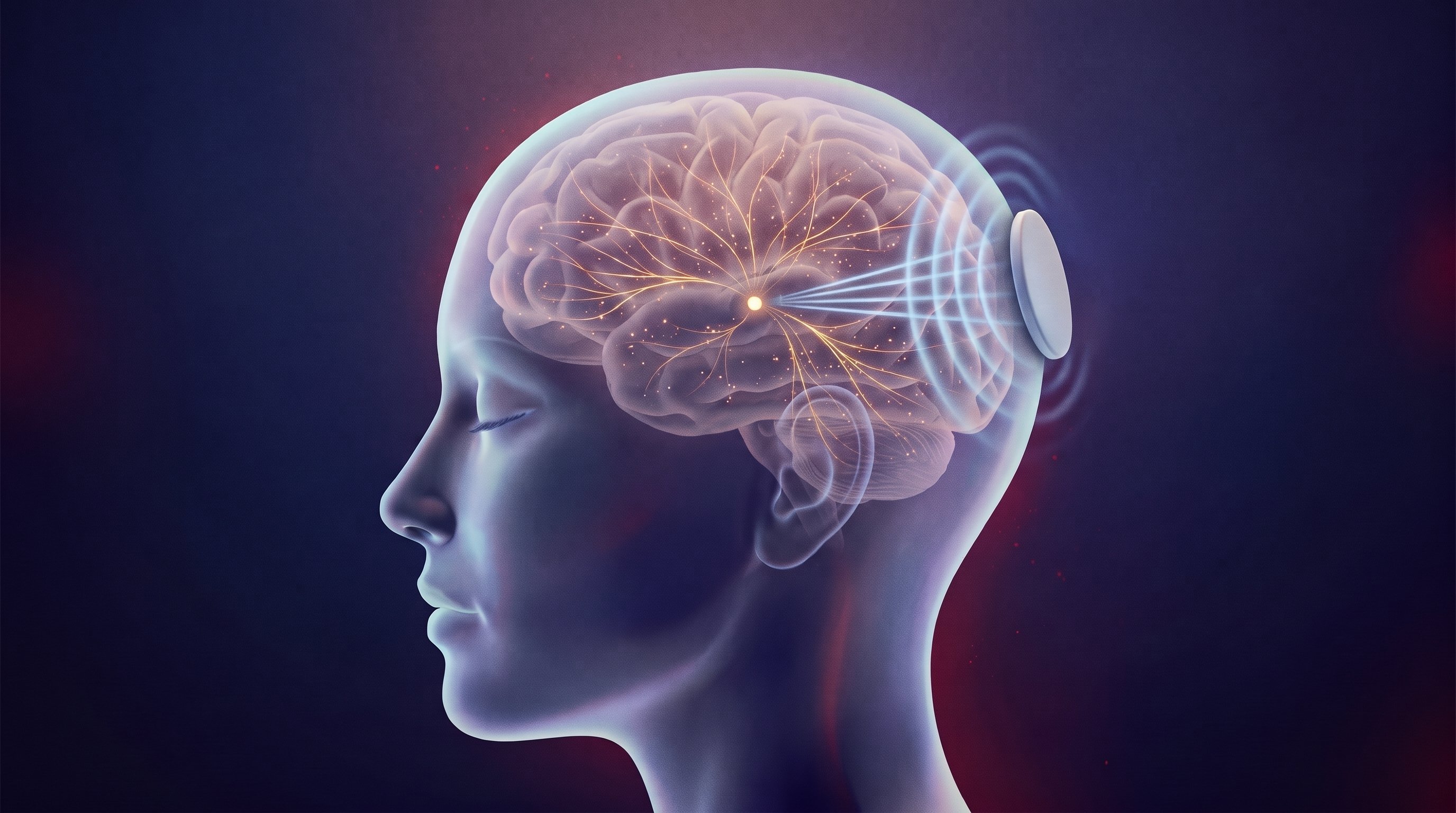
Chinese researchers aim sound waves from outside the skull at a deep part of the brain. In 13 of 24 patients with long-term reduced consciousness, awareness improved, without surgery. A controlled study in the US is now meant to confirm the effect.
-
Soft 3D-printed implant cools a small patch of brain and calms epileptic activity in rats
Researchers from Dresden, Sheffield and Limerick have printed a soft implant that cools a small patch of brain and measures brain activity at the same time. In rats, the cooling calmed seizure-like activity in the brain for as long as it was switched on.
-
MIT tests control of robotic prostheses with tiny implanted magnets
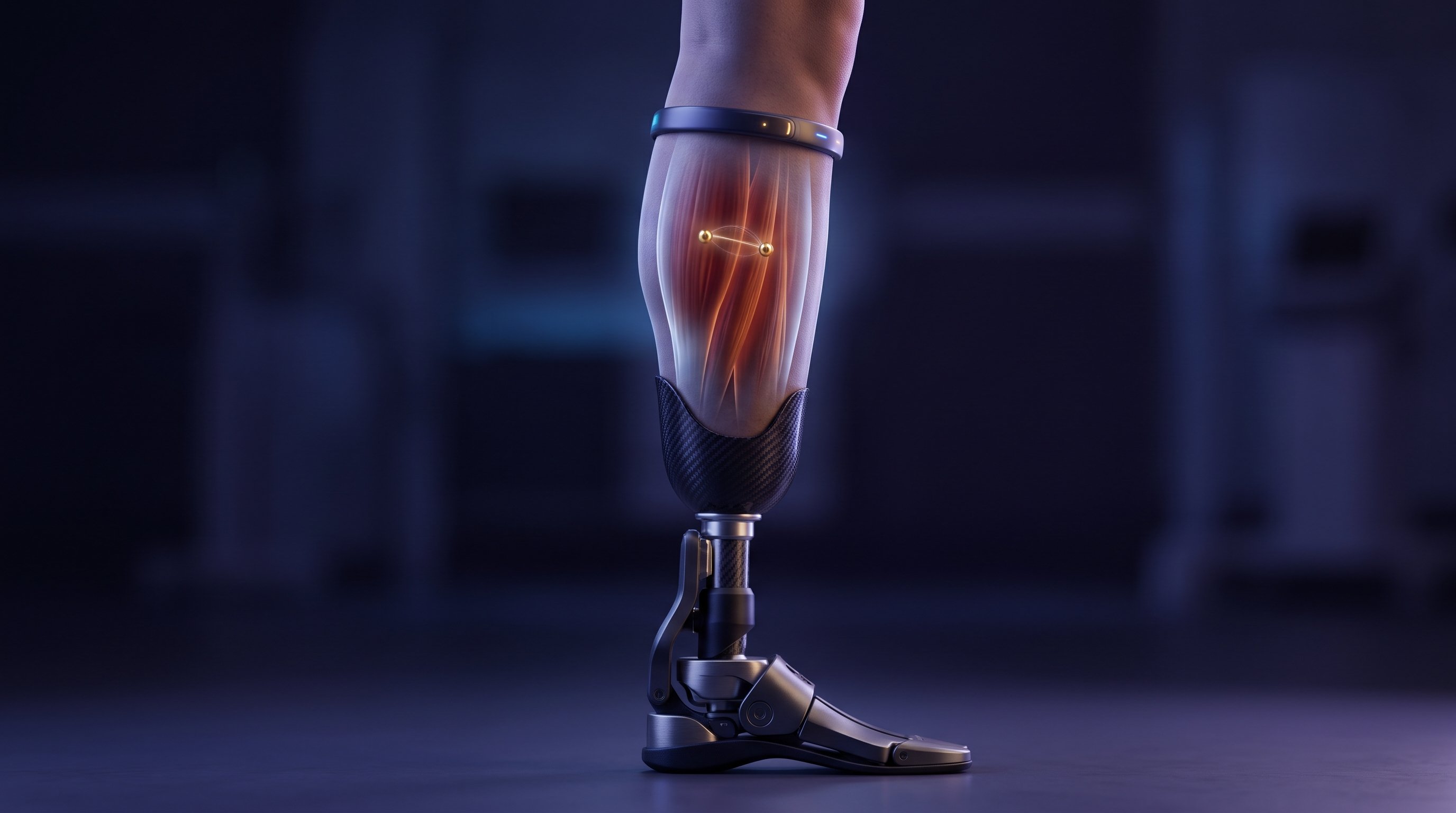
For the first time, MIT researchers have tested in people a way to control a prosthesis with tiny magnets in the muscles. In three people with a below-knee amputation, the magnets gave more stable control signals than electrodes on the skin.
-
Wafer-thin mesh draws electricity from beating human heart cells
Researchers in the US grew beating human heart tissue around a wafer-thin mesh that generates a little electricity with every heartbeat. The work has so far been done in the lab. The goal: implants such as pacemakers that no longer need a battery.
-
Low-power brain implant recognises mental state from how brain regions work together
Researchers at EPFL have built a chip of 4 by 2 millimetres that measures how brain regions work together and so recognises concentration and emotional arousal. It uses very little power. The chip already works on recordings from people and in rats; patients are the next step.
-
Retinal implant lets people with macular degeneration read again
Science Corporation's Prima implant has been allowed in Europe since July for an advanced form of macular degeneration. In a study, more than 80 per cent of participants could read clearly more letters after a year. In the US, the application is still under way.