Nederlands
Focused sound waves: 13 of 24 brain injury patients show improved consciousness
Chinese researchers aim sound waves from outside the skull at a deep part of the brain. In 13 of 24 patients with long-term reduced consciousness, awareness improved, without surgery. A controlled study in the US is now meant to confirm the effect.
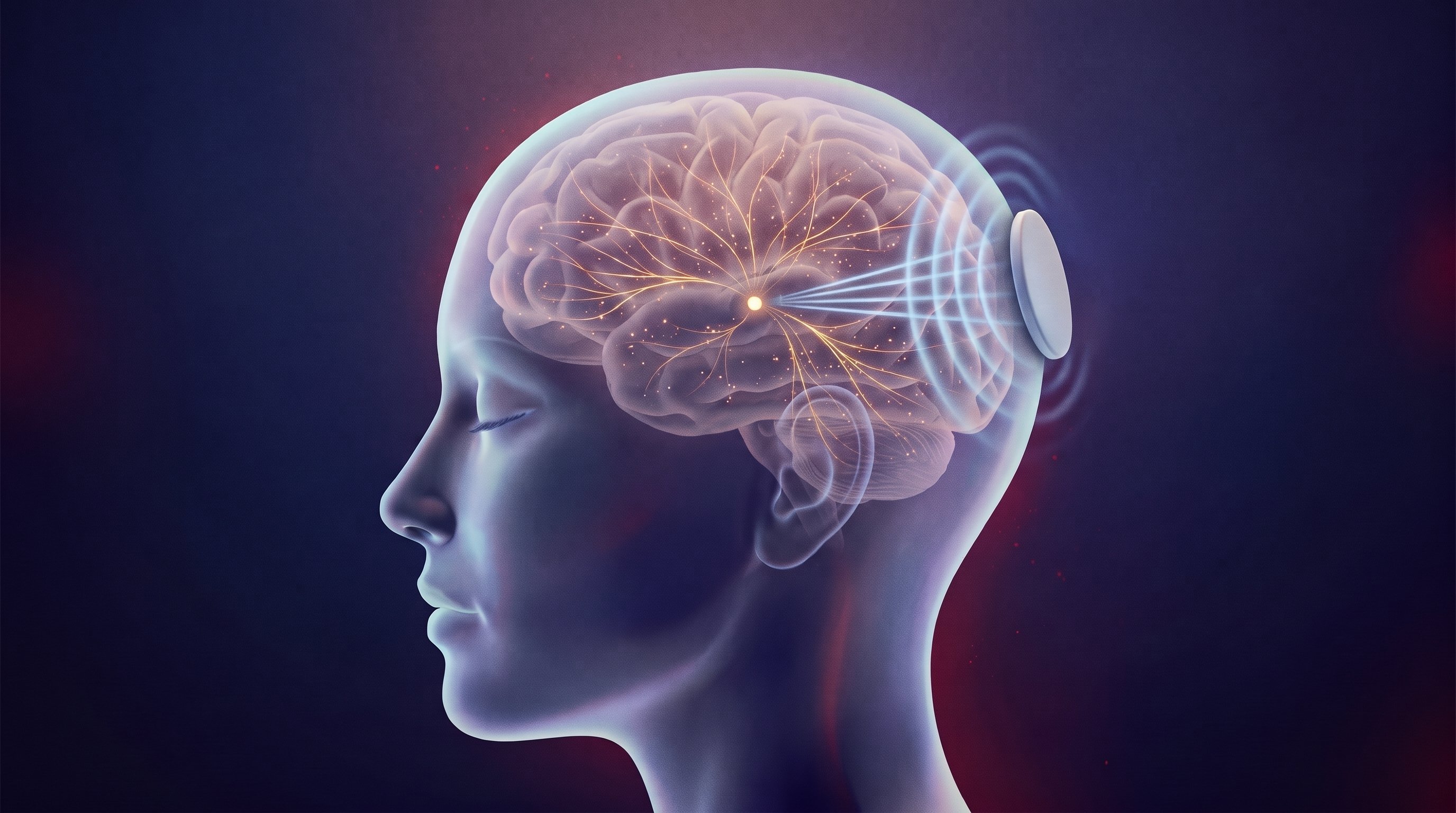
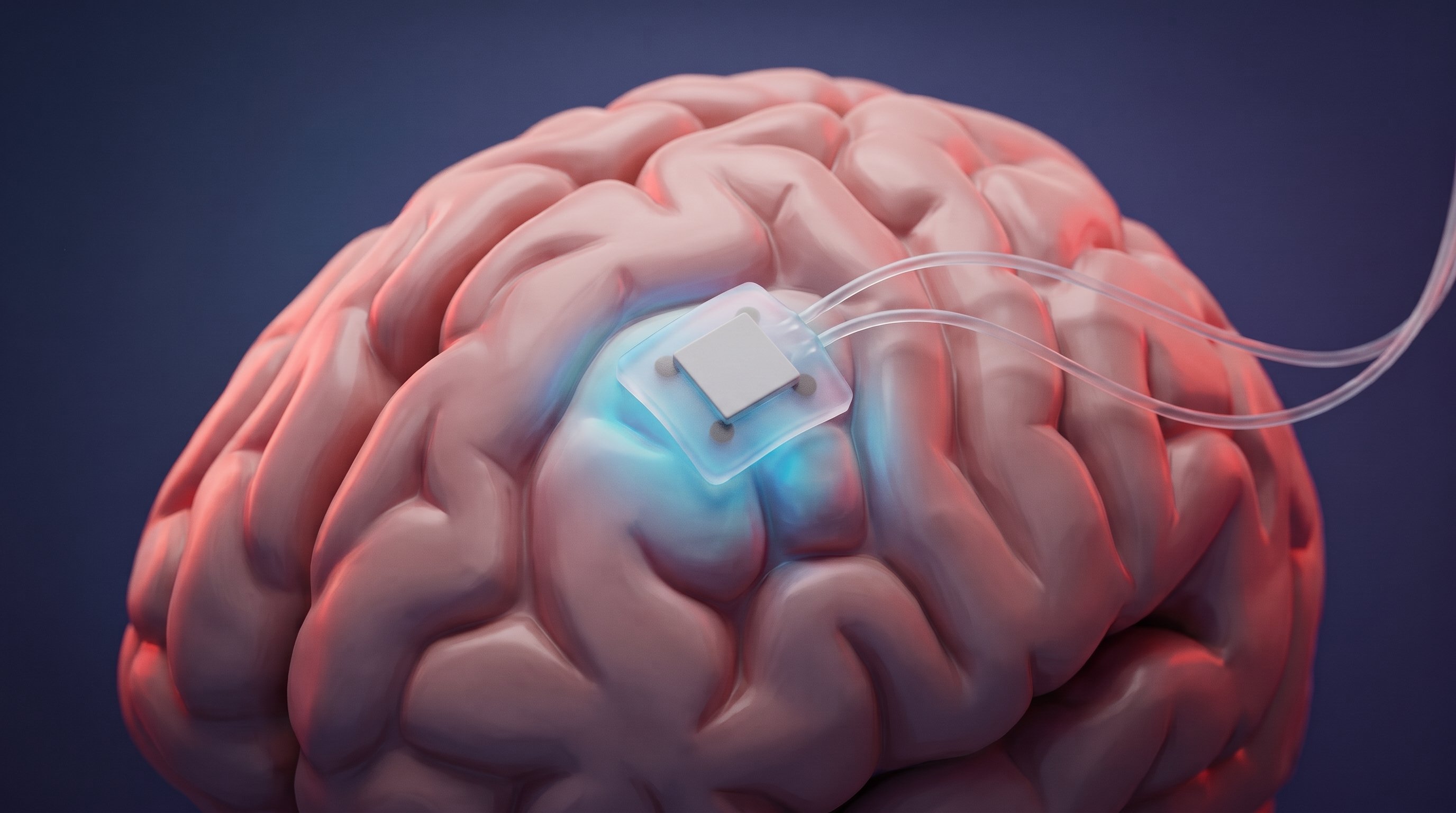
People who stay for months in a vegetative or minimally conscious state after a brain haemorrhage, accident or stroke have few treatment options. A Chinese research team is trying to change that with focused sound waves: ultrasound that is aimed from outside the skull at one spot deep in the brain. No surgery and no implant are needed.
The team, which includes the Shenzhen Institutes of Advanced Technology of the Chinese Academy of Sciences and Kunming Medical University, presented the first results at a conference on brain-computer interfaces in Shenzhen. According to Chinese state media, consciousness improved in 13 of 24 patients in a first study. For four weeks, they received a 20-minute treatment three times a week.
How the technique works
Most people know ultrasound from the scan during a pregnancy. When many sound beams are made to meet at one point, a small area appears where the sound is strong enough to stimulate nerve cells. The rest of the brain tissue notices little of it.
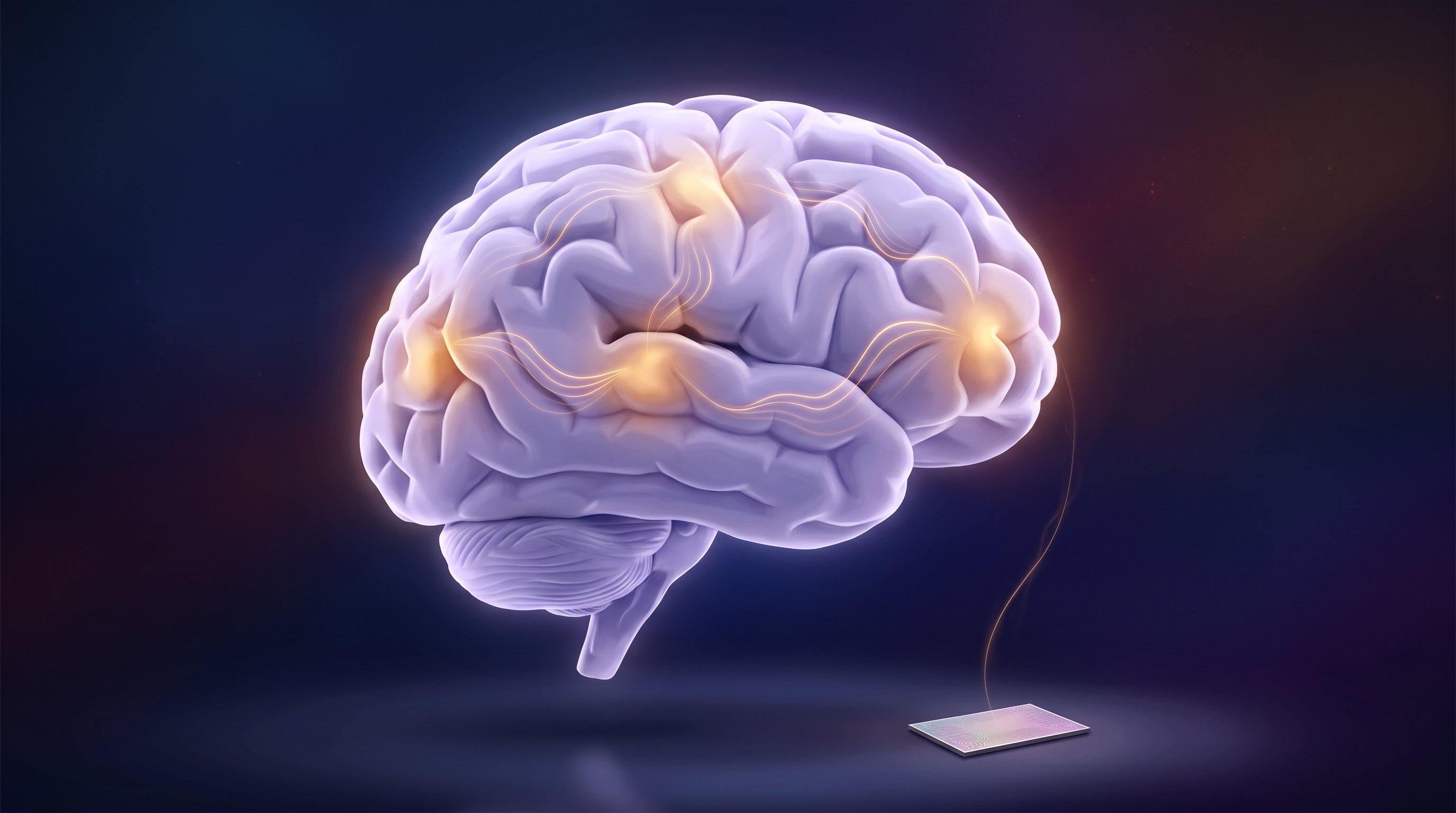
The target is the thalamus, a structure in the middle of the brain. It works like a central switching station: many signals between brain areas pass through it, and it plays a big role in being awake and aware. In people with a disorder of consciousness, that network no longer works well. The idea is that stimulating the thalamus helps get the network going again. The doctors use brain scans to decide exactly where to aim the sound waves.
One patient described in detail
According to state media, one patient, who had been in a coma for three months after a brain haemorrhage, could talk, eat on his own and walk with help again after a month of treatment and rehabilitation.
In February 2026, the same team described one patient in detail in the journal Frontiers in Psychiatry: a 46-year-old man who had been minimally conscious for months after a bleed in the thalamus and was no longer improving. After twelve treatments in four weeks, aimed at the healthy side of his thalamus, he came out of that state. His score on a standard test for consciousness rose from 11 to 20, and there were no side effects. Six months later, the improvement was still there.
The next step: comparing with a sham treatment
The researchers themselves say that one patient proves nothing. After severe brain injury, some people also recover on their own, and besides the ultrasound the patients received their usual treatment and rehabilitation. To know for sure what the ultrasound does, it has to be compared with a group that receives a sham treatment without knowing it.
Such studies are already under way. According to the Chinese team, it is now running such a controlled study itself. And the University of California, Los Angeles (UCLA) is leading a study in several hospitals in the United States in patients with severe brain injury. Some of them first receive a sham treatment, so that the researchers can measure the difference. It also remains to be seen which settings, which patients and which length of treatment work best.
What does this mean for the road to the singularity?
The well-known brain-computer interfaces work with electrodes that are placed in the brain by surgery. Focused sound waves show that you can also intervene deep in the brain without operating. If the controlled studies confirm the effect, people with a long-term disorder of consciousness get a new chance of recovery. And the technique becomes a second, much less invasive way to let technology and the brain work together.
What is the technological singularity? Read the explanation →