Nederlands
Data centre
A data centre is a large building full of servers: powerful computers that compute and store data day and night. AI models are trained there and run there when you ask a chatbot something.
A data centre is a building full of servers: powerful computers in racks that work day and night. They store data, serve websites and carry out computation. When you ask an AI chatbot a question, it usually goes to a data centre, where an AI model works out the answer and sends it back.
How does it work?
A data centre holds thousands of servers, connected by fast cables. For AI there are many specialised chips in them, which together do enormous amounts of computation at the same time. Two things are always important: power and cooling. Chips get hot, and a data centre needs a constant, reliable power supply.
The work in a data centre falls roughly into two parts. First an AI model is trained, which can take weeks and uses a great deal of computing power. Then the model runs for users, and that happens continuously, every second, for millions of questions. Spreading that work over different chips makes the answers faster. The company d-Matrix showed this with a mix of two kinds of chips (link).
Why it matters
As AI is used more, data centres get bigger and demand more electricity. That affects the energy sector. OpenAI, for instance, promises that its new data centres will use less power when the grid is under strain. The first, in the US state of Georgia, can hand back up to 1,000 megawatts (link). At the same time Google and Meta are adding supply: they help pay for extra power from existing nuclear plants (link).
Demand for computing power itself is growing too. On GitHub, more than five times as many code changes were saved in September as a year earlier, mostly because of AI agents. The platform therefore put in 4 million extra CPU cores, the computing cores of ordinary processors (link). Data centres are thus more than storage space: they help determine how fast AI can develop and where the power for it comes from.
Articles about Data centre
-
New method removes toxic arsenic from copper without a hot furnace
The Australian mining company Fortescue removes arsenic from copper ore with a liquid instead of a hot furnace. After four years of trials, the first batch of clean copper concentrate has been sold. That could make much copper usable that now stays in the ground.
-
Nvidia releases open AI models for digital assistants on servers and laptops
Nvidia has released three new open AI models for assistants that carry out tasks on their own. The largest runs in companies' data centres; the smaller ones simply work on a laptop. According to Nvidia, the large model beats top models on specialist tasks after extra training.
-
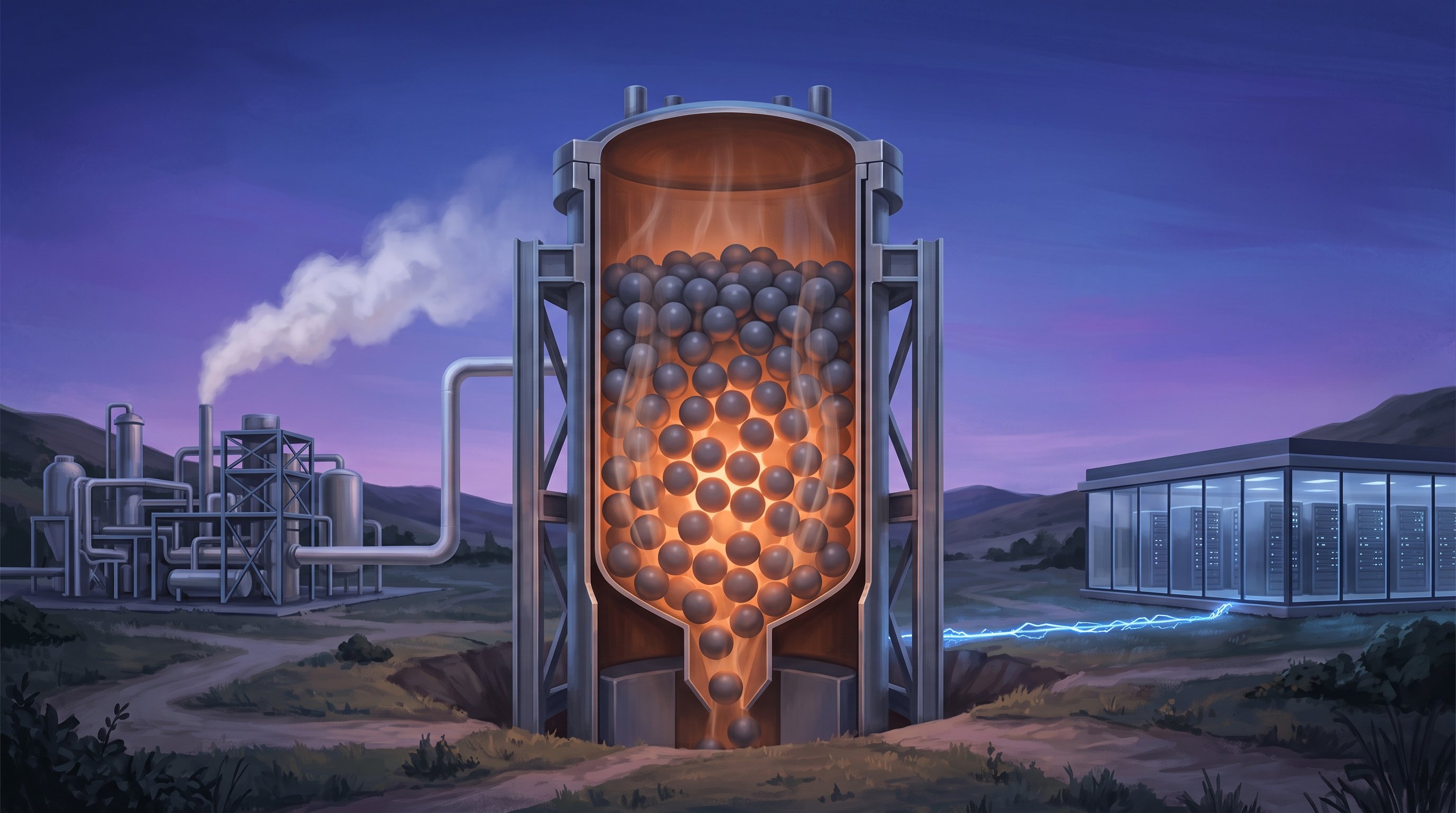
X-energy builds a small helium-cooled nuclear reactor for factories and data centres
The American company X-energy is developing a small nuclear reactor that is cooled with helium gas and supplies hot steam for factories and electricity for data centres. Chemical company Dow and Amazon want to build with it. The first reactors are due to run in the 2030s.
-
Meta releases Muse Spark Open: a large AI model for programming that also runs on your own computers
Meta has released Muse Spark Open, a large AI model for programming and independent agent tasks that anyone can download. According to Meta, it is the strongest American open model so far, and it even runs on two Mac Studios.
-
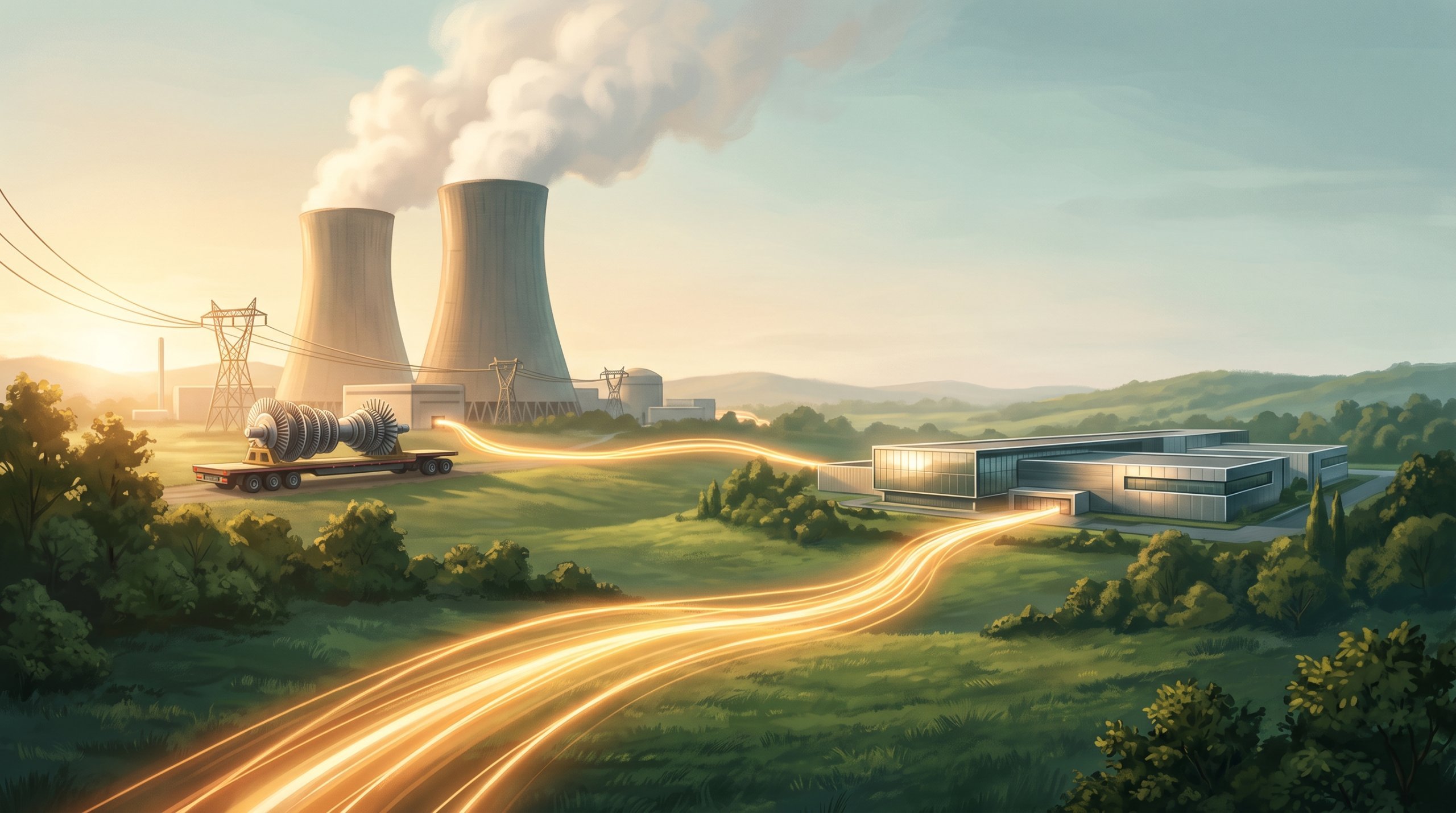
Google and Meta help pay for extra power from existing nuclear plants
American nuclear plants will deliver more electricity without new reactors. Google is buying 890 megawatts extra from Constellation for twenty years, Meta 433 megawatts from Vistra. This quickly adds clean power for AI data centres, as a first step alongside new plants.