Nederlands
New method removes toxic arsenic from copper without a hot furnace
The Australian mining company Fortescue removes arsenic from copper ore with a liquid instead of a hot furnace. After four years of trials, the first batch of clean copper concentrate has been sold. That could make much copper usable that now stays in the ground.
Copper is in every power grid, every electric car, every wind turbine and every data centre. So the world needs more and more of it: according to Fortescue, demand will rise by more than half by 2050, to at least 50 million tonnes a year. But much of the copper ore in the ground also contains arsenic, a toxic substance. Smelters do not want it in there, or charge extra for it. As a result, many copper deposits remain untouched.
The Australian mining company Fortescue now says it has found a better way to remove that arsenic. This month, the company sold the first batch of copper cleaned with this method.
Water instead of fire
After mining, ore is first ground fine and concentrated. The result is called copper concentrate: a kind of powder with a lot of copper in it. To get the arsenic out, this powder is now usually roasted in a very hot furnace. That takes a lot of energy, causes emissions and produces toxic residue and gas containing arsenic.
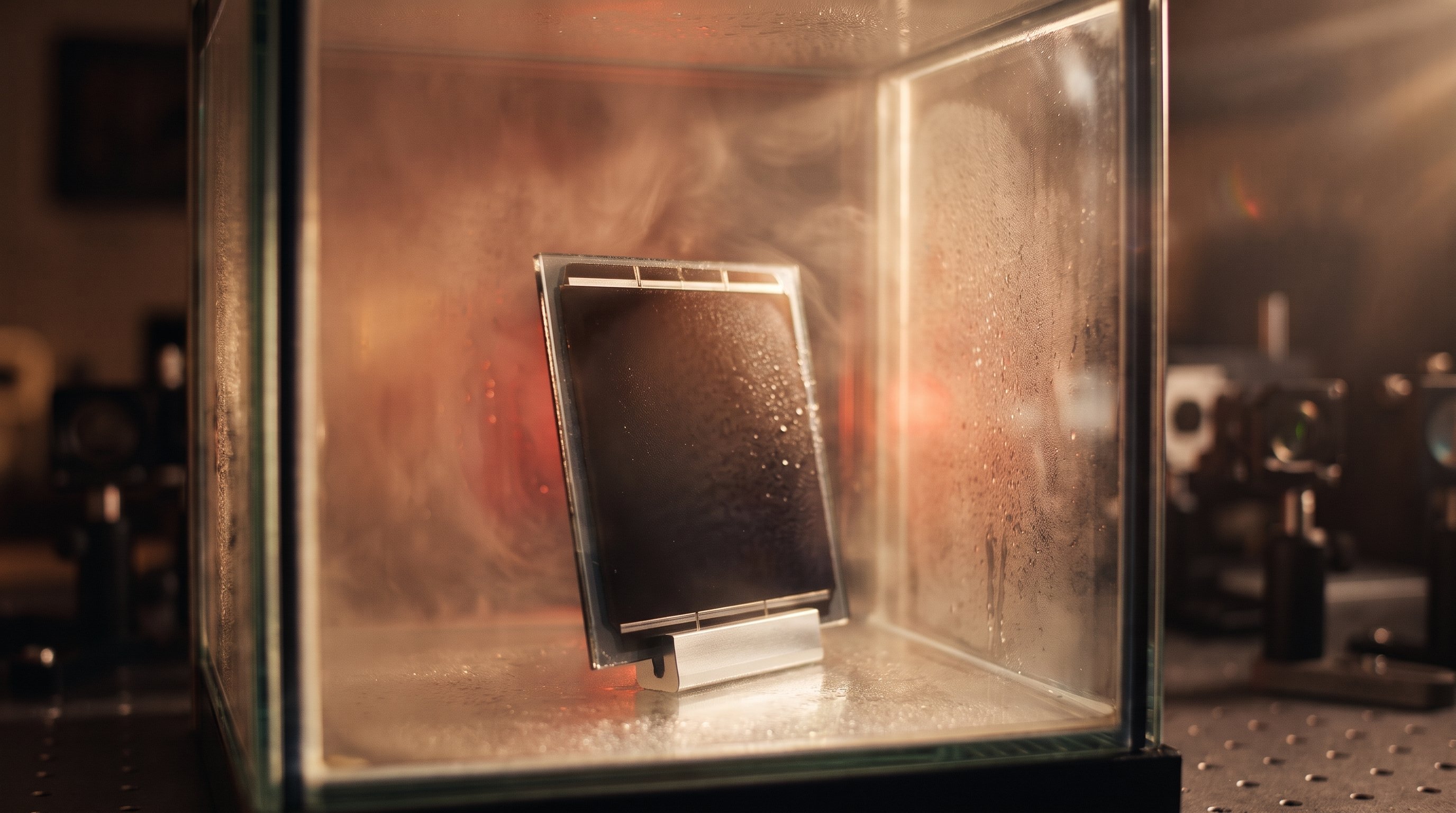
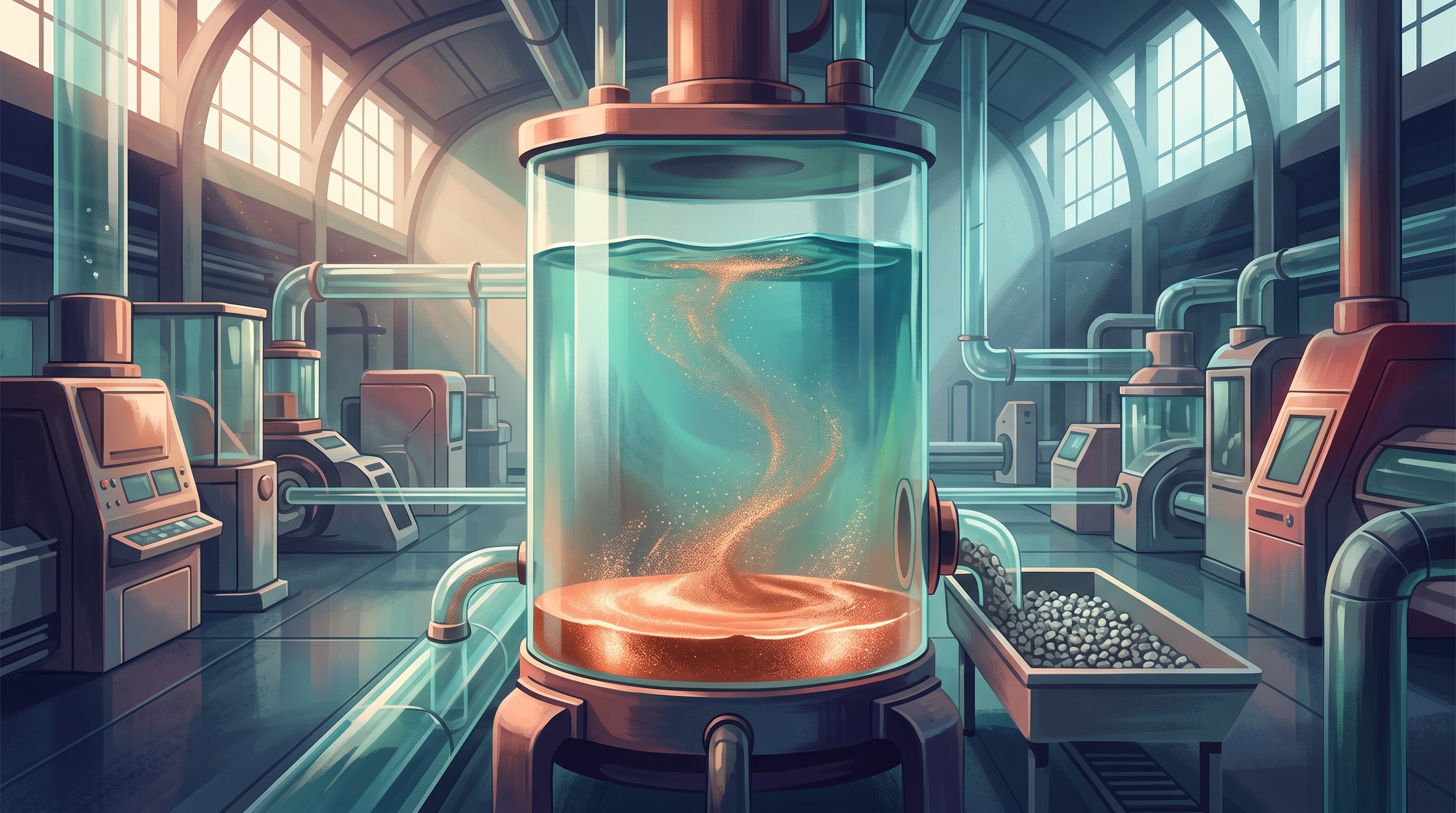
Fortescue's method is called the Toowong process. It works with a liquid, at low temperature and low pressure. At the end, the arsenic comes out as a firm, stable solid, which is much easier to store safely than loose dust particles. Fortescue bought the technology in 2022 and has held the patent on it since.
Four years of trials
At a pilot plant in Brisbane, Fortescue tested the method for about four years: in seven trial rounds and more than 3,000 hours of operation. According to the company, the arsenic content falls from ore with up to about 7 per cent arsenic to less than 0.3 per cent. More than 99.9 per cent of the copper is kept. The first 40-plus tonnes of clean concentrate contained less than 0.25 per cent arsenic and have now been sold.
According to Fortescue, the method costs about the same as roasting, but yields more and uses less energy. Those figures come from the company itself; there are no independent measurements yet.
What comes next?
Fortescue wants to improve the method further and make it cheaper. The next step is a test with ore from Cañariaco, one of the company's copper mining projects in Peru. If that succeeds, a larger share of the ore there can be sold. The company also thinks other mines could benefit.
WATTBA wrote earlier about bacteria that make building material without a hot kiln. There too it is about the same idea: what used to take a lot of heat and energy can also be done differently.
What does this mean for the road to the singularity?
Clean energy and AI need enormous amounts of copper: for power cables, wind farms and the data centres where AI models run. A cleaner way to make difficult ore usable therefore helps directly with that growth. There is also an opportunity for AI itself here: a language model knows chemistry, mining and the rules for waste processing at the same time, and can thus help tune processes like this more quickly to ore from other mines. In this way, a clever discovery from one pilot plant in Brisbane can reach the rest of the world much faster.
What is the technological singularity? Read the explanation →