Nederlands
Hydrogen
Hydrogen is the lightest element and a clean fuel: when it is burned or used in a fuel cell, only water is left. It is often made by splitting water.
Hydrogen is the lightest and most abundant element in the universe. On Earth it is mostly locked up in other substances, such as water and natural gas. As a fuel it is clean: using it in a fuel cell or burning it produces only water, no CO2.
How does it work?
Hydrogen first has to be made, and that can be done in different ways. A widely used route is electrolysis: with an electric current you split water into hydrogen and oxygen. If that electricity comes from sun or wind, the hydrogen is green. Another route is sunlight that splits water directly, without an intermediate step via electricity.
Afterwards hydrogen can be stored and used later, for example in a fuel cell that turns it into electricity. That makes hydrogen interesting for storing energy from sun and wind and for industry that cannot run on electricity.
Why it matters
Researchers are looking for ways to make hydrogen cheaper and more efficient. In Groningen, researchers doubled the hydrogen output of a ceramic cell that splits steam, without extra power, and the cell ran stably for more than 500 hours (link). A team in South Korea built a device from organic, carbon-based materials that splits water with sunlight alone, at 7.9 per cent efficiency, which the team says is a record for this kind of device (link). Singapore takes yet another route: there, an artificial leaf gets hydrogen from polluted seawater without outside power and breaks down the toxic substance hydrazine at the same time (link). These are still trials. For the last two, the next step is a version that is larger or lasts longer. That brings clean, affordable hydrogen closer.
Articles about Hydrogen
-
Chinese company releases free AI model for chemistry, trained on its own lab work
The Chinese company Deep Principle has released Hydrogen-1.0, an AI model for chemistry and materials research that anyone can download. It also learned from failed experiments in the company's own lab. The results have so far been measured by the company itself.
-
German company makes a molecule that stores quantum information and can pass it on with light
The German company NVision and researchers from Ulm and Jerusalem describe in Nature a molecule of carbon and hydrogen that stores quantum information and can pass it on with light. Such a building block could later link quantum computers together.
-
Bismuth sulfide holds on to solar energy for longer: charge is lost about four times more slowly
Researchers at the University of Oxford have found out why bismuth sulfide captures sunlight well and also holds on to the charge for a long time. That gives a recipe for finding better, non-toxic materials for solar cells.
-
South Korean solar device makes hydrogen with record efficiency for organic materials
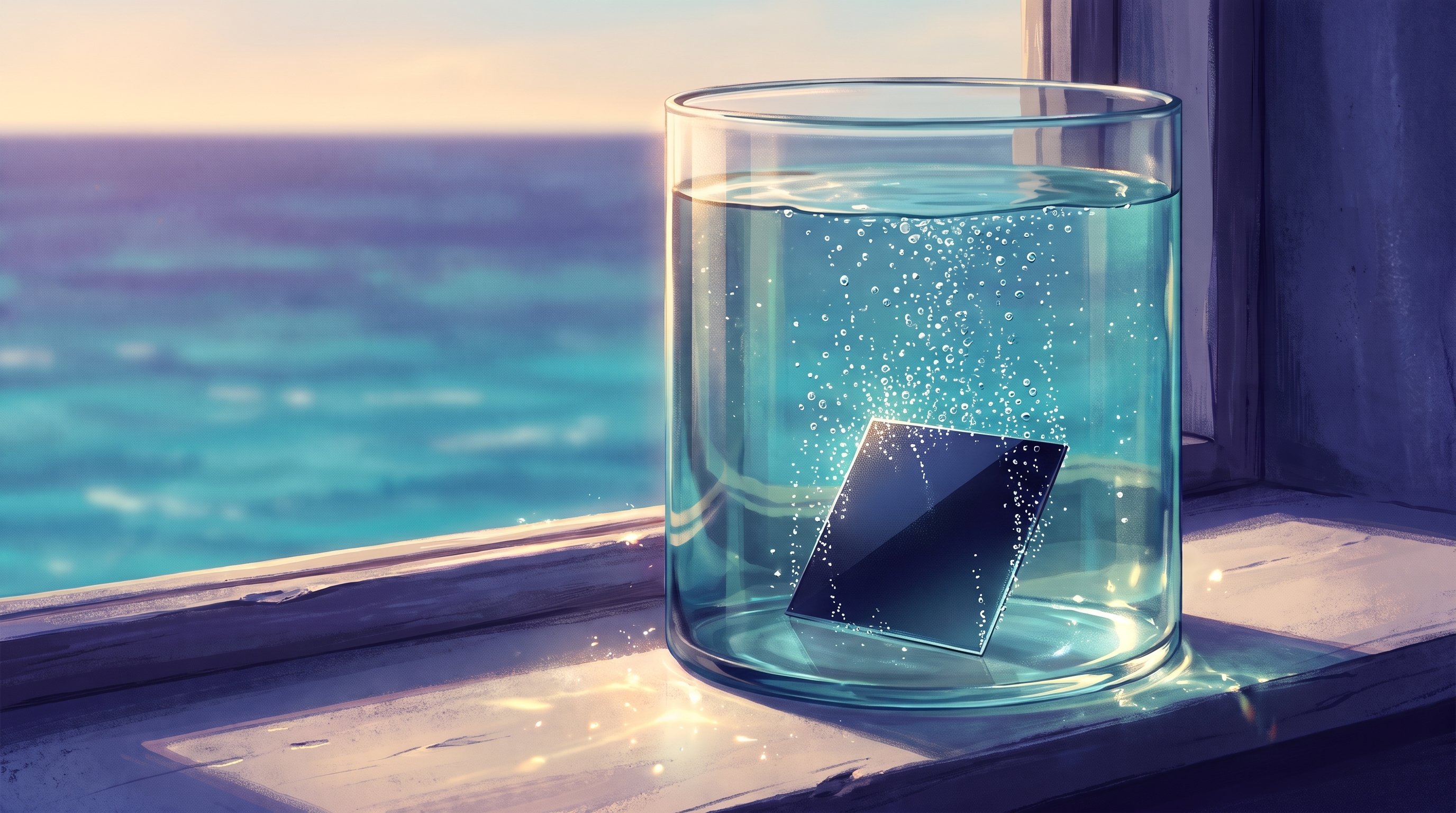
Researchers at UNIST in South Korea have built a device made of organic, carbon-based materials that splits water into hydrogen using sunlight alone. It reaches 7.9 per cent efficiency, a record for this type of device according to the team. The next step is a version that lasts much longer.
-
Chinese catalyst turns CO2 into methanol, as a fuel for Mars
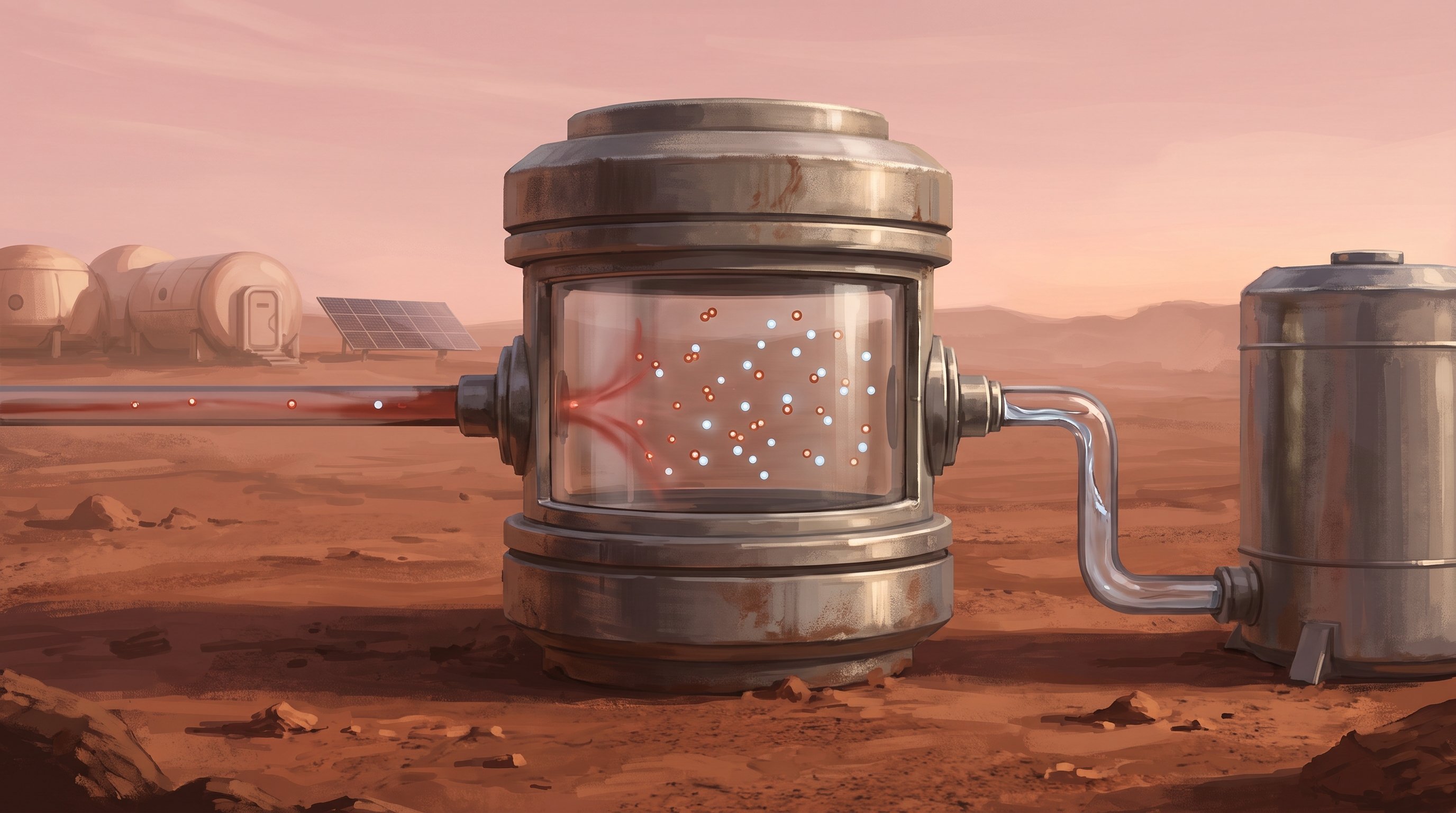
Researchers in Hefei made a catalyst of copper and sodium that turns carbon dioxide and hydrogen into methanol eleven times faster than without sodium. The aim: to make liquid fuel from the air on Mars one day. The experiments have now been done in the lab on Earth.
-
Artificial leaf from Singapore uses sunlight to make hydrogen from seawater and clears up a poison at the same time
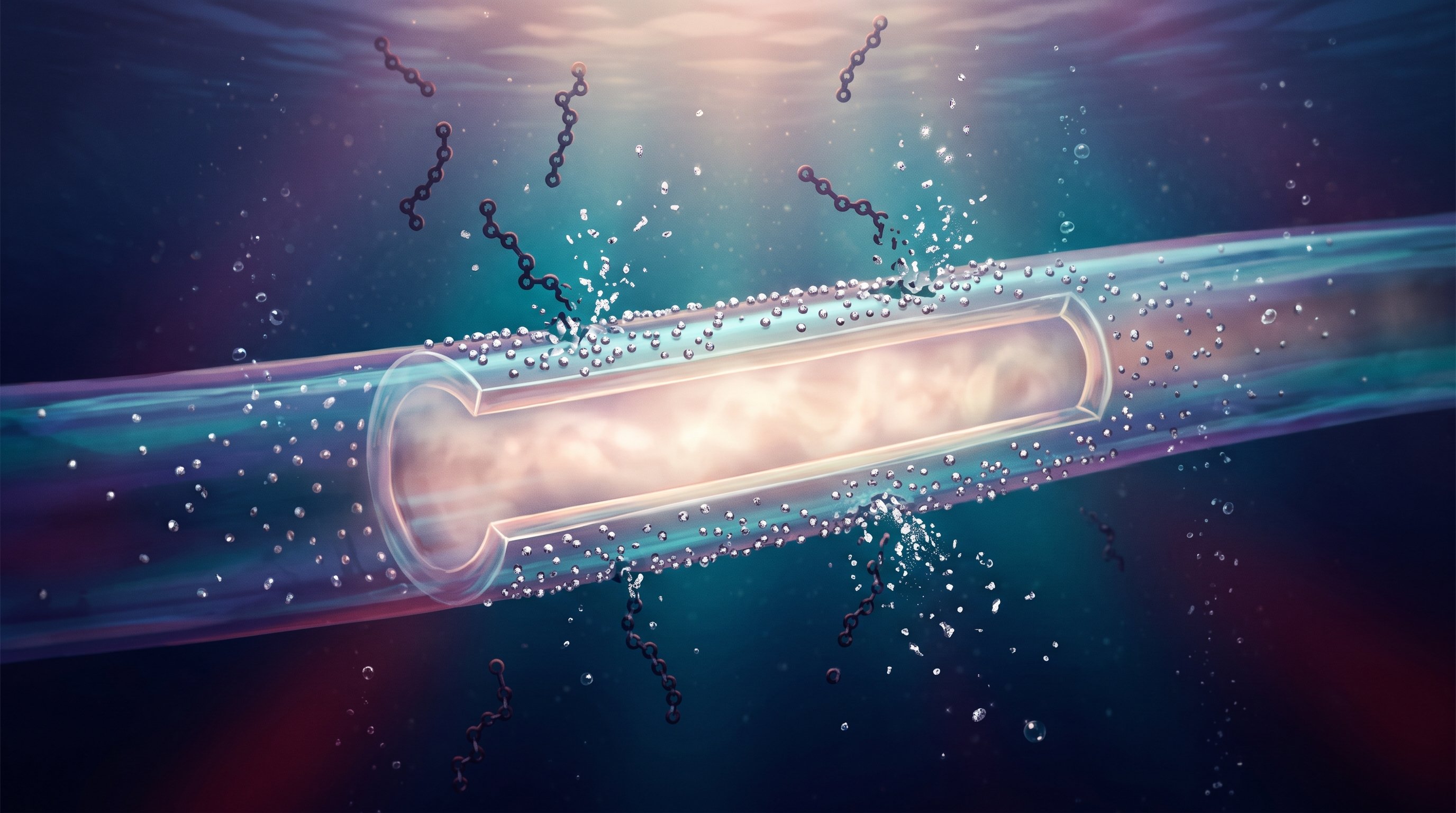
Researchers in Singapore built an 'artificial leaf' that, without power from outside, gets hydrogen from polluted seawater and at the same time breaks down the toxic substance hydrazine. It is a first working prototype; the next step is a larger and longer-lasting device.
-
Ceramic cell in Groningen makes twice as much hydrogen from steam with the same amount of electricity
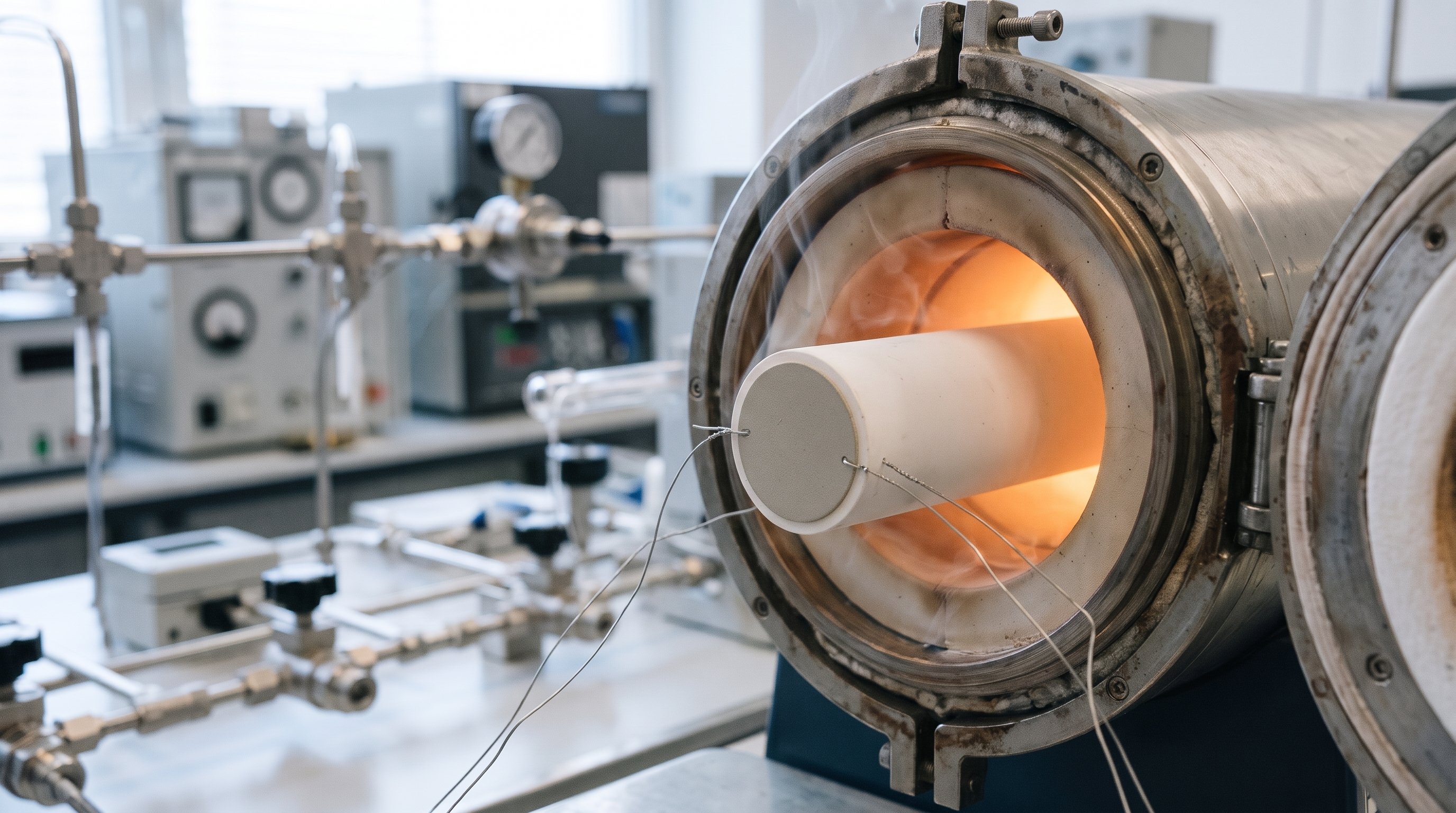
Researchers at the University of Groningen have doubled the hydrogen output of a ceramic cell that splits steam, without extra electricity. The cell ran stably for more than 500 hours. So far it is a lab experiment.
-
New membrane breaks down more than 90 per cent of six types of PFAS in water
Researchers at Arizona State University do not just remove PFAS from water, they also break the substances down. Their palladium membrane kept this up for almost two months. The next step is to make the system cheaper and larger.