Nederlands
Ceramic cell in Groningen makes twice as much hydrogen from steam with the same amount of electricity
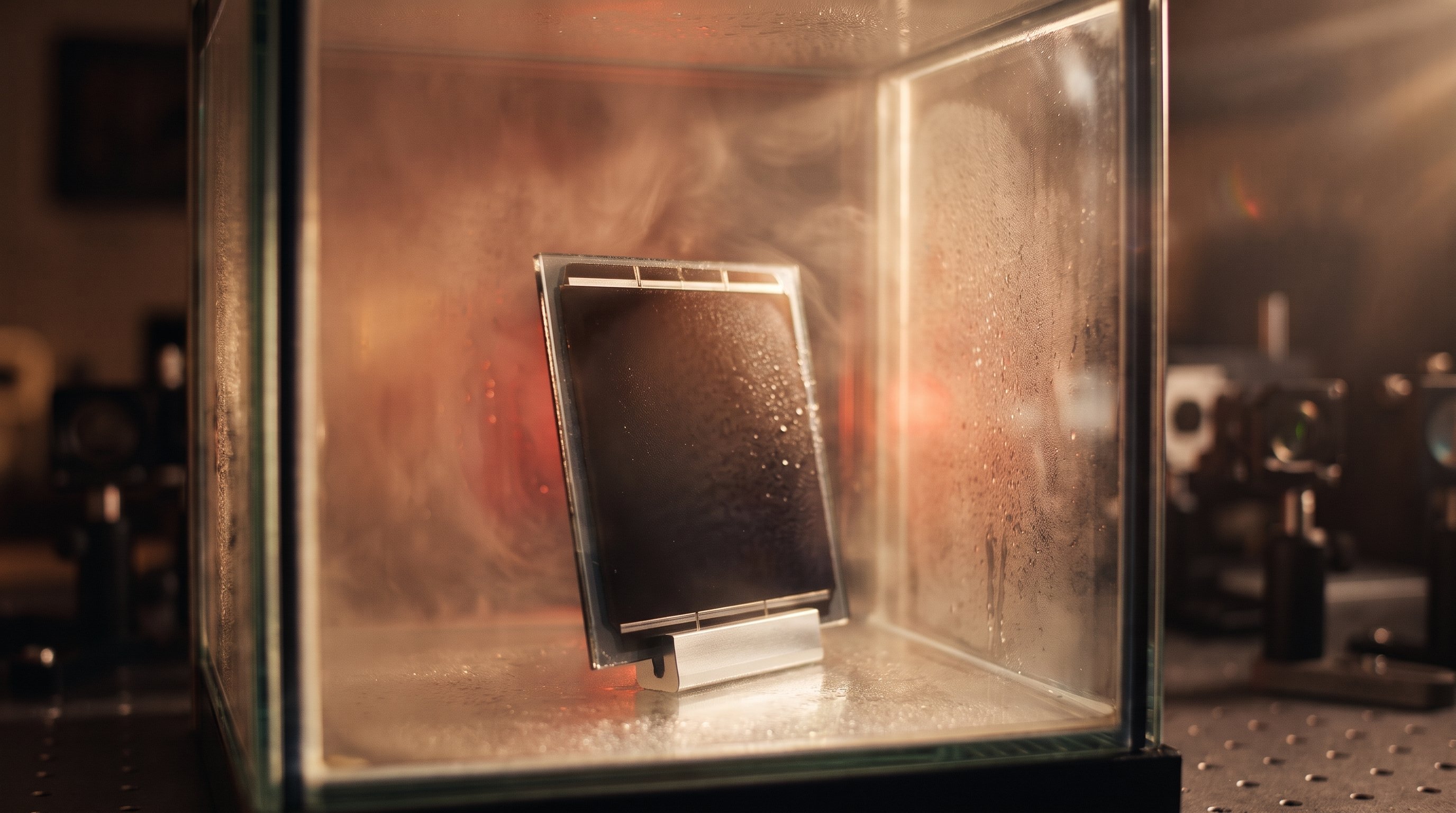
Researchers at the University of Groningen have doubled the hydrogen output of a ceramic cell that splits steam, without extra electricity. The cell ran stably for more than 500 hours. So far it is a lab experiment.
Hydrogen is essential in the chemical industry. Factories use it to make fertiliser, fuels and plastic. But most hydrogen is still made from natural gas, which releases a lot of CO2. Clean hydrogen can also be made from water, but that takes a lot of electricity.
Chemical engineers at the University of Groningen in the Netherlands have now made a cell that produces twice as much hydrogen with the same amount of electricity as earlier cells of the same type. The team of researcher Vassilis Kyriakou published the result on 14 October 2026 in the scientific journal Energy and Environmental Science.
Steam instead of water
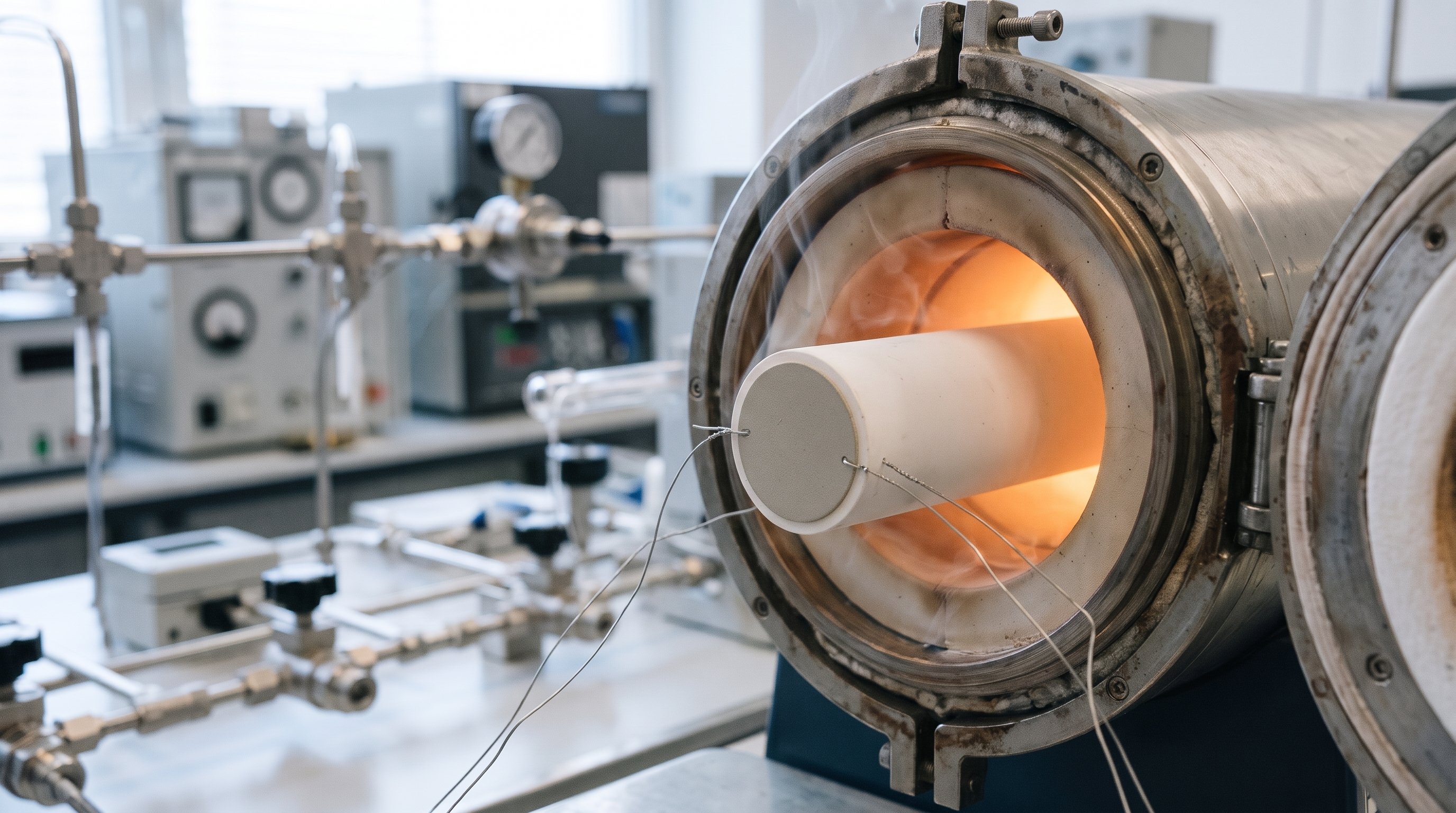
The Groningen team works with a protonic ceramic electrolysis cell. Such a cell does not split liquid water, but hot steam, at temperatures of around 400 to 650 degrees Celsius. That kind of heat is already present in chemical factories. The heat then does part of the work, so less electricity is needed.
Inside the cell is a thin layer of ceramic that works like a very fine sieve. Only hydrogen nuclei (protons) can pass through it. On the other side, they form hydrogen gas again. Because nothing else fits through the sieve, the hydrogen comes out pure straight away. An extra purification step is not needed.
Two materials that help each other
According to the researchers, the gain comes from teamwork between two materials that had been overlooked before: the ceramic layer and the electrode next to it, the place where the steam is split. When the electrode was heated in ordinary air, particles moved across the boundary between the two materials. As a result, tiny grains grew on the surface by themselves, made of a compound of the rare metal praseodymium. These grains speed up the splitting of steam. With an extra acid bath, the team freed up even more of these active spots.
Kyriakou compares the research to a voyage of discovery: along the way, the team came across something it had not expected.
What the cell can do
The improved cell ran for more than 500 hours without getting worse. According to the researchers, more than 95 per cent of the electricity went directly into making hydrogen. And the cell made twice as much hydrogen as earlier designs, with the same amount of electricity.
This is a lab-scale experiment. The next step is to show that the technique also works in larger cells and in the real conditions of a factory. If that succeeds, chemical factories could use their own waste heat to make clean hydrogen. WATTBA wrote earlier about a cheap electrode made of nickel and cobalt for hydrogen from ordinary water.
What does this mean for the road to the singularity?
The singularity is not only about smarter AI. It also needs a lot of clean energy, and an industry that emits less CO2. Hydrogen made without natural gas, using heat that is already circulating in factories, is a step in that direction.
The Groningen result also shows how much there is to gain from the right combination of materials. Searching for such combinations is exactly the kind of work AI is getting better and better at. Models that can calculate thousands of materials at once could soon point researchers to partnerships between materials that are now still discovered by chance. That way, the next unexpected discovery can be made much faster.
What is the technological singularity? Read the explanation →