Nederlands
Preprint
A preprint is a scientific paper that researchers put online before other experts in the field have reviewed it. New work can then be read quickly; the check by other scientists still follows.
Before a study appears in a scientific journal, other researchers in the field read it critically. They look for mistakes, ask for extra experiments and advise whether the paper should be published. This review by peers (peer review) often takes months, sometimes more than a year.
To avoid waiting that long, many researchers put a first version of their paper online in advance: a preprint. Well-known websites for this are arXiv for physics, mathematics and computer science (including AI), and bioRxiv and medRxiv for biology and medicine. Anyone can read the work there straight away and respond to it.
A preprint is therefore new and often important work, but it has not yet been checked by peers. After review, the result may still change.
Why it matters
AI moves so fast that a lot of news first appears as a preprint. Researchers from Tel Aviv and Stanford, for example, had AI models practise on self-made sequences instead of real data, and put that work online as a preprint; peers are now reviewing it.
Conversely, a journal paper can describe work that was online much earlier. The Chinese robot lab in which AI agents carry out DNA experiments themselves appeared in Nature in November 2026, while the first version had already gone online as a preprint in July 2025. The AI model used in that research has since been overtaken by newer models.
Articles about Preprint
-
Researchers test robot code with AI agents in simulations
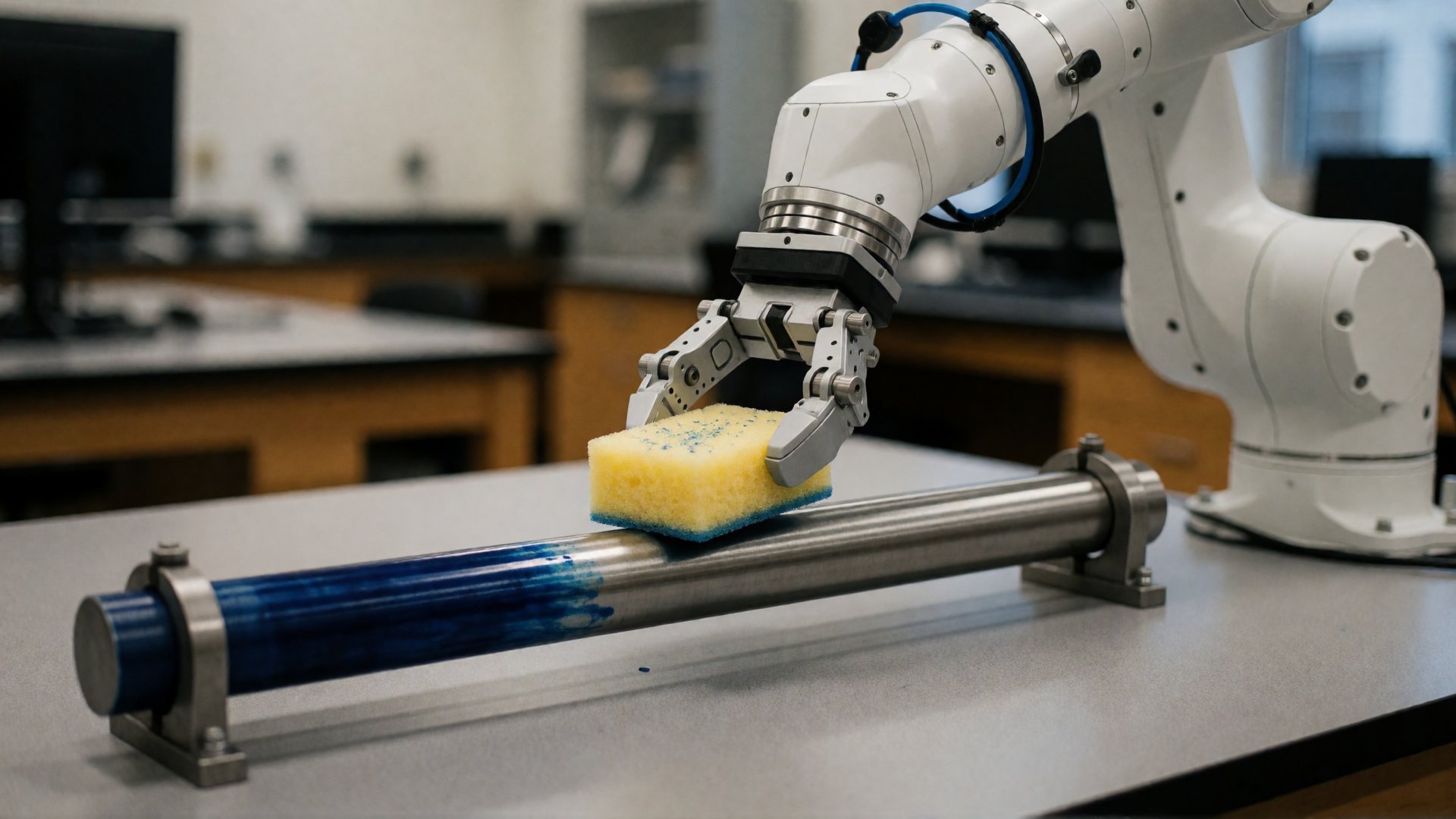
Researchers at UC Berkeley and NVIDIA let AI agents write, test and adjust robot programs in a virtual environment. According to the team, the code that was developed also worked on a real robot in one trial.
-
AI agents run DNA experiments on their own in a robot lab
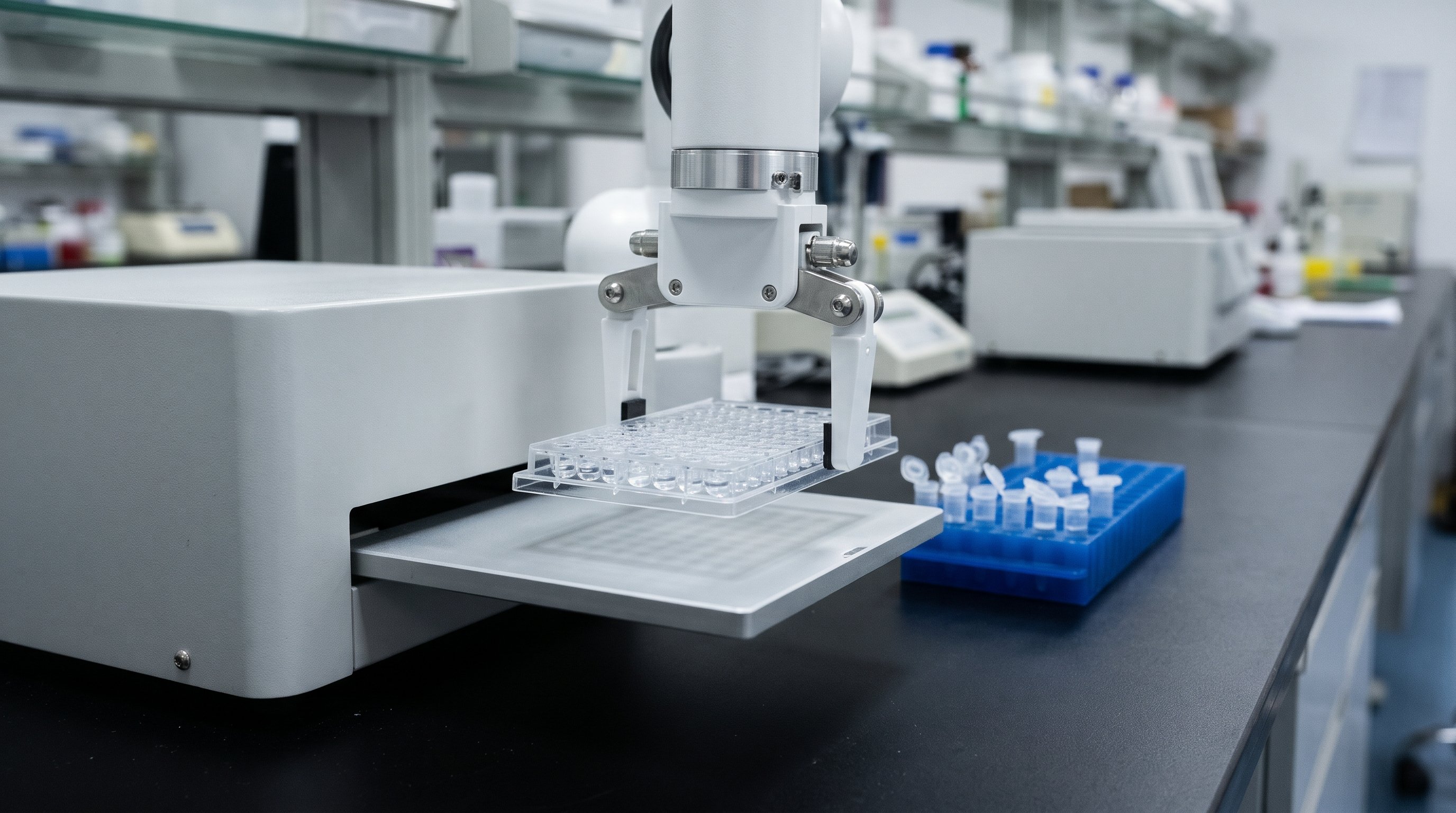
In AutoDNA, a lab at Shanghai Jiao Tong University, AI agents design DNA experiments and carry them out themselves, using more than twenty types of equipment. People only refill materials and maintain the machines. The research is published in Nature.
-
AI learns to predict from self-made exercises, without any real data
Researchers from Tel Aviv and Stanford let two AI models practise with self-made sequences, without a single real text or photo. Afterwards, one of the models also recognised patterns in real text, music and DNA. It is a first test with small models.
-
Start-up PSI uses AI to help publish five quantum proofs that a computer can check
Physical Superintelligence has used its own AI system to tackle five open questions in quantum information theory. Each proof is also written in Lean, a program that checks proofs step by step. Other researchers can now check them for themselves.
-
IBM links two quantum chips with 80-centimetre cables
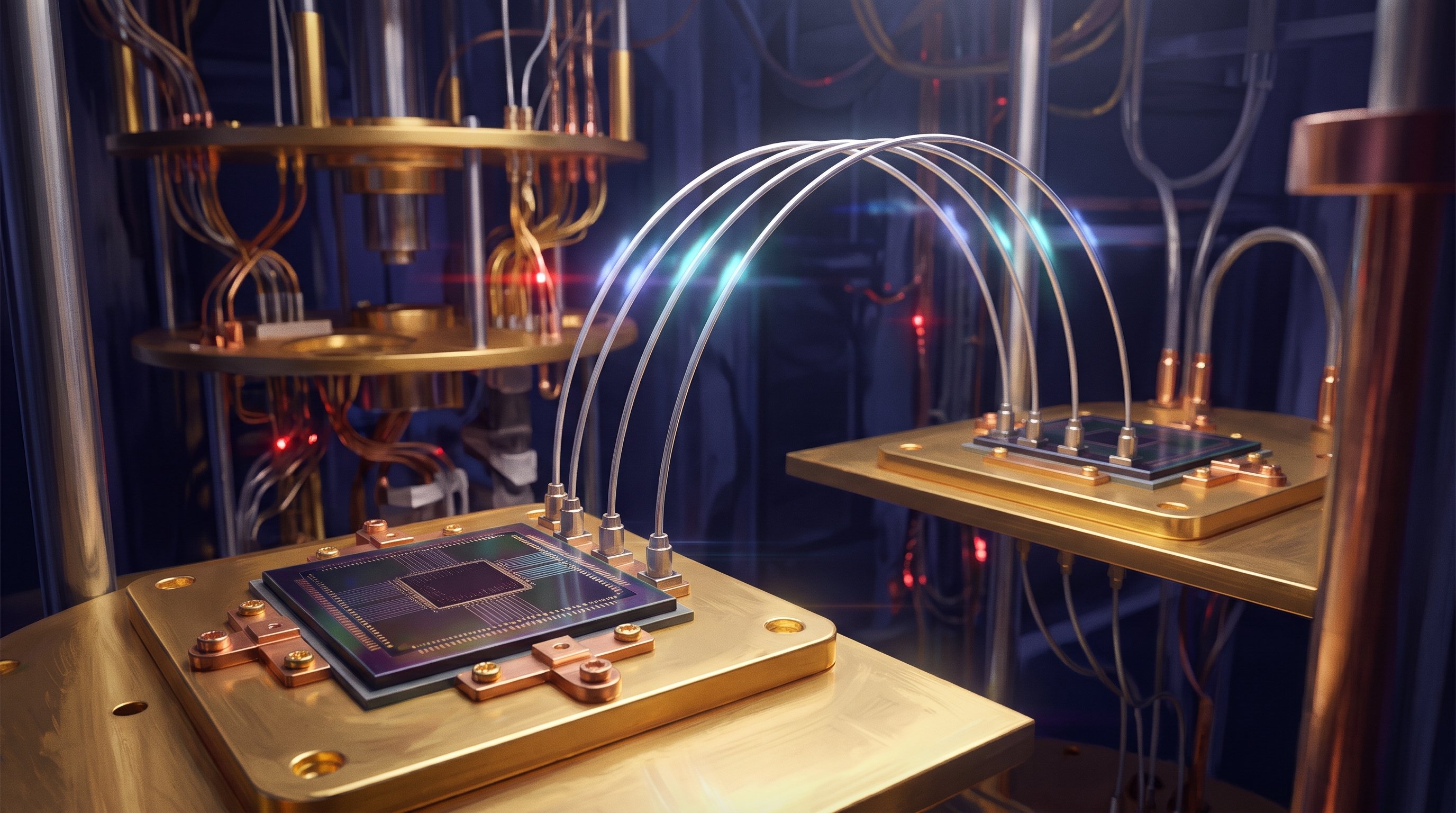
IBM researchers connected two quantum chips of 120 qubits each with four superconducting links of 80 centimetres. The quantum information came across with an average fidelity of 99 per cent. It is a step towards quantum computers built from separate modules.
-
Microsoft AI finds the right diagnosis more often than general practitioners in a simulation
According to a Microsoft study in the journal Science, the AI system MAI-DxO found the right diagnosis in 83 per cent of difficult cases, compared with 36 per cent for doctors. A test with real patients comes next.
-
Nearly 2,000 AI agents from OpenAI work through an atlas of 7.7 million brain cells in 32 minutes
OpenAI had nearly 2,000 AI agents work at the same time on one large dataset of mouse brains. In 32 minutes they came up with explanations and new research ideas, work that would take people months. The next step is to test the best ideas in the lab.
-
Physicist lets AI swap calculation methods between fields: 36 papers in three months
Harvard physicist Matthew Schwartz had the AI model Claude apply calculation tricks from one field in another. With 19 colleagues, that produced 36 scientific papers in three months, from sunspots with a life expectancy to a rainforest that changes faster than expected.
-
KAIST's AI fills in the ground beneath clouds on satellite images
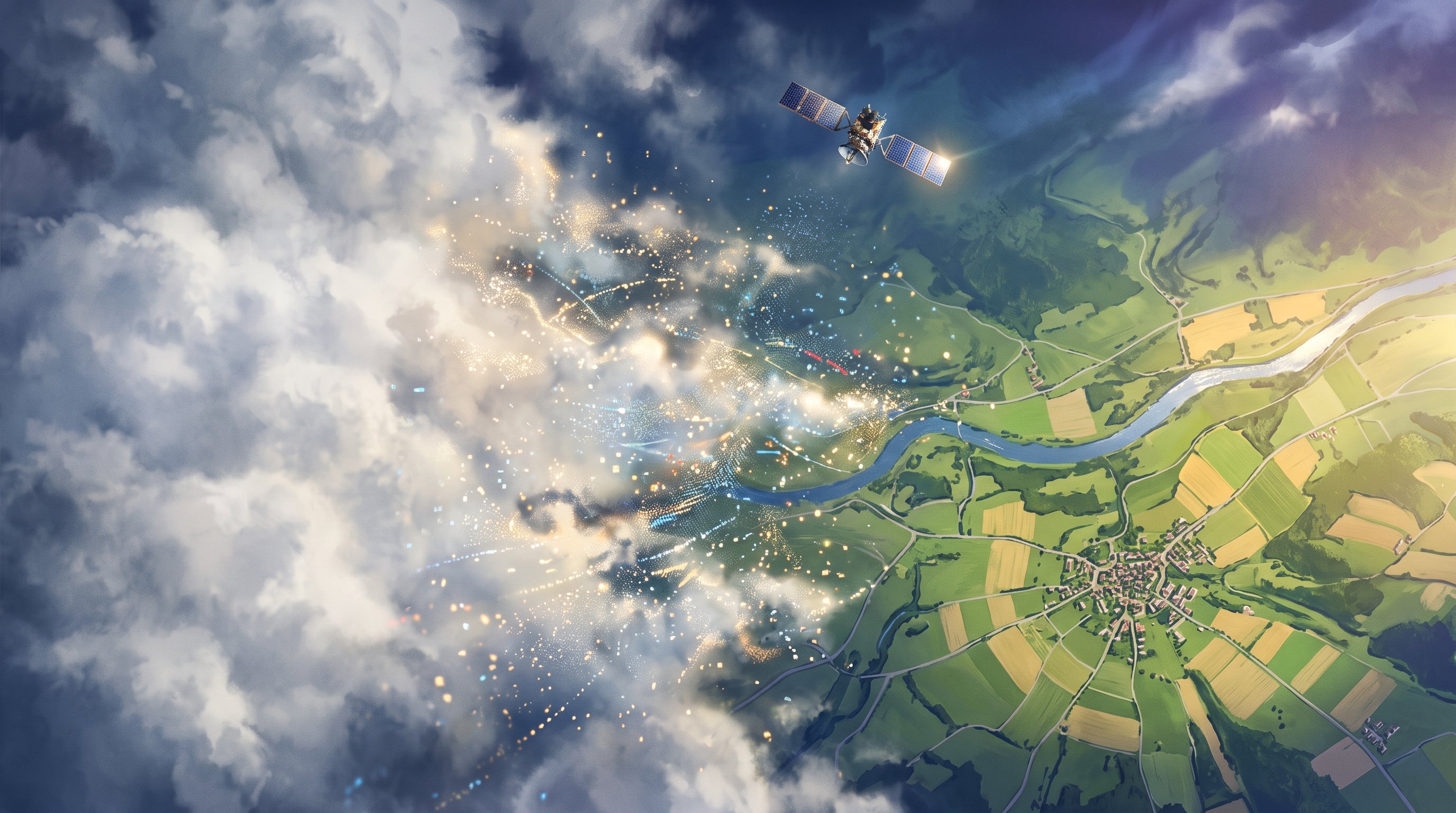
Researchers at South Korea's KAIST built an AI model that learns what the Earth looks like from above, including location and scale. This lets it remove clouds from satellite photos and turn radar images into ordinary photos. That will help with disasters and nature management.
-
Frozen pig kidneys work again after rewarming, one even after more than a year
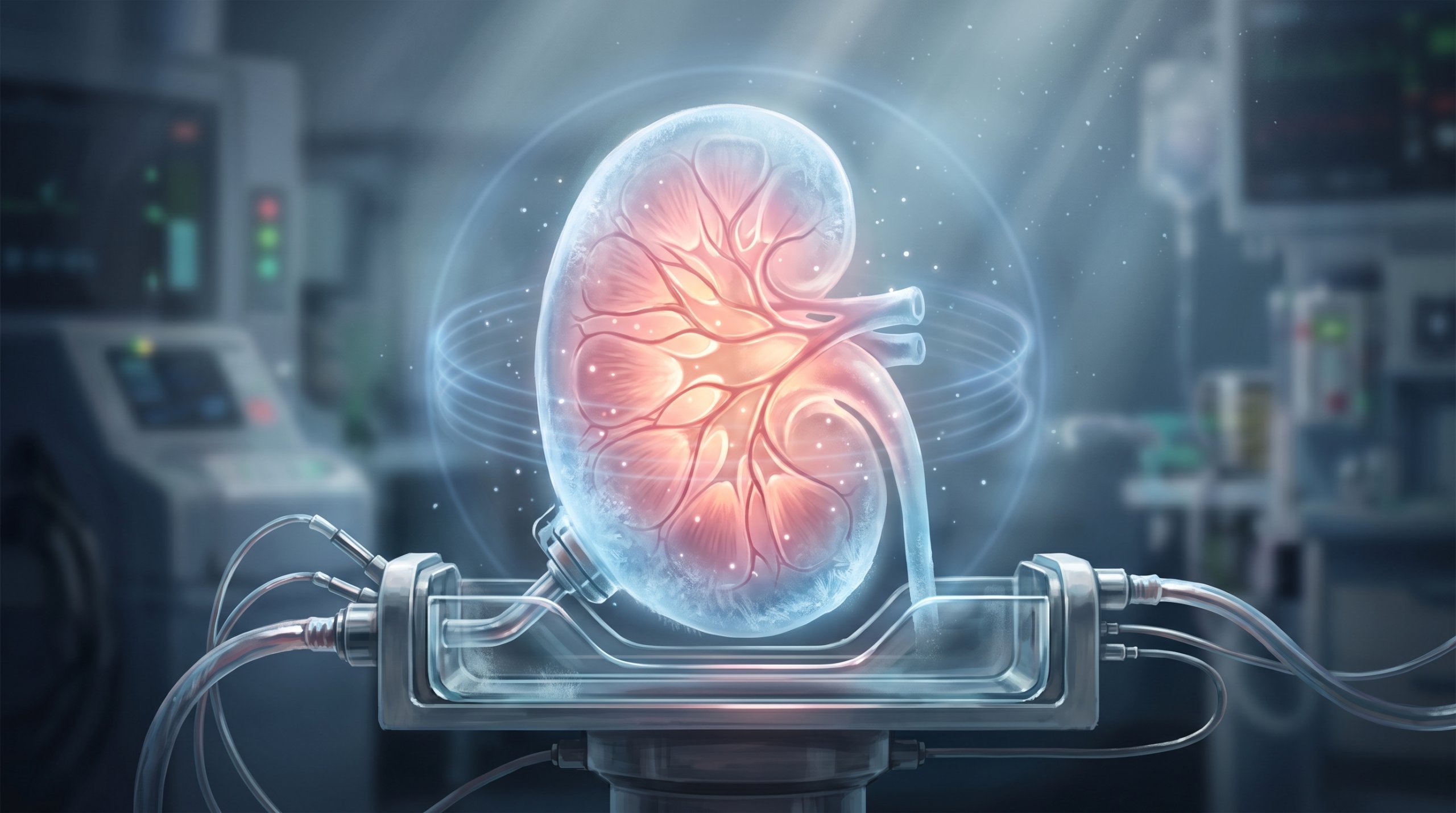
Researchers at the University of Minnesota stored pig kidneys at −150 °C and then got them working again: they made urine, one even after more than a year in the freezer. There was still some damage. The next step is longer trials in pigs.