Nederlands
Caltech nanorobots carry more chemotherapy to the brain in mice
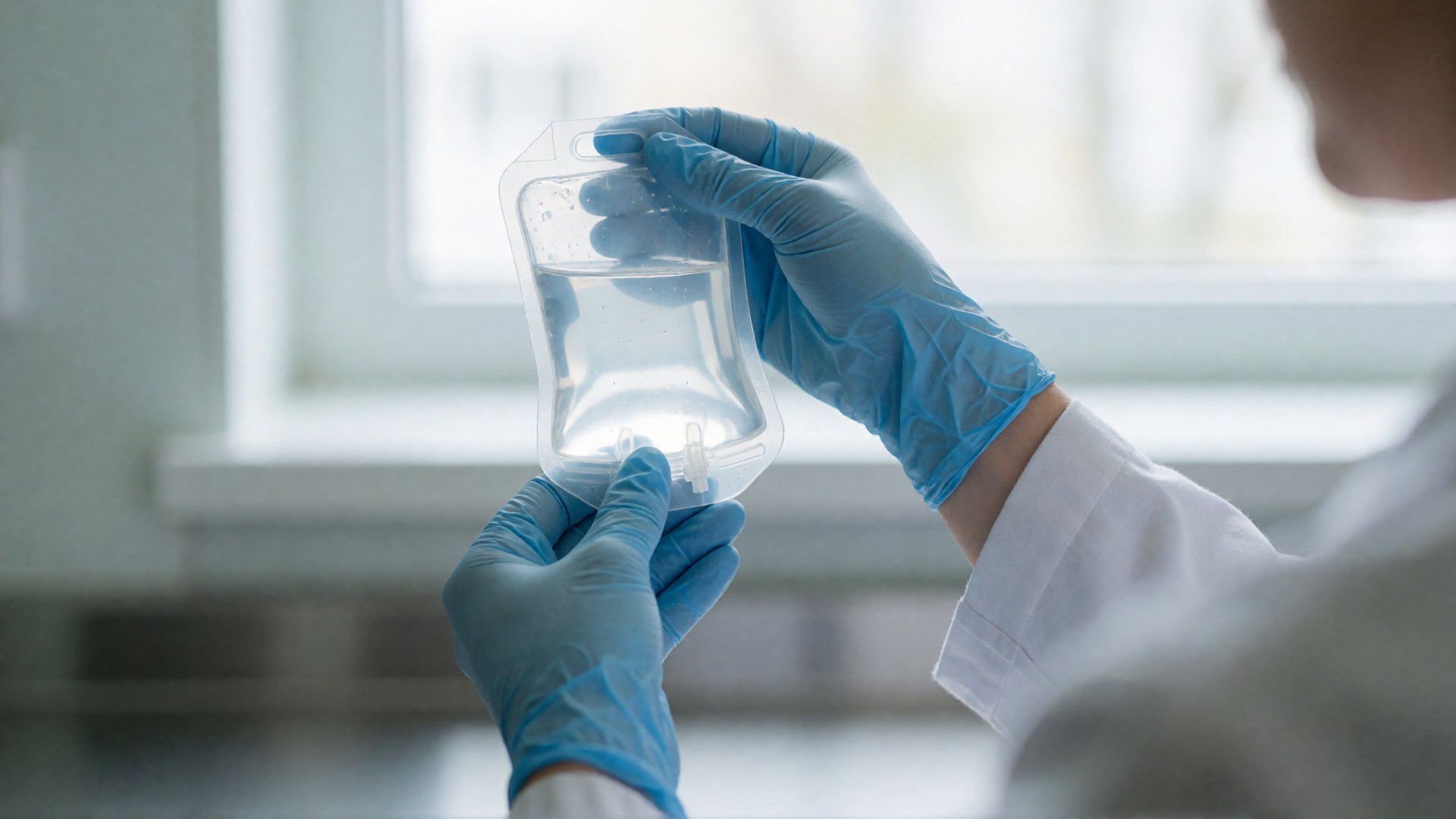
Tiny capsules from Caltech, switched on with light, delivered about five times as much chemotherapy to the brain in mice with brain cancer as the same capsules without light. More research comes first; after that, trials in humans can follow.
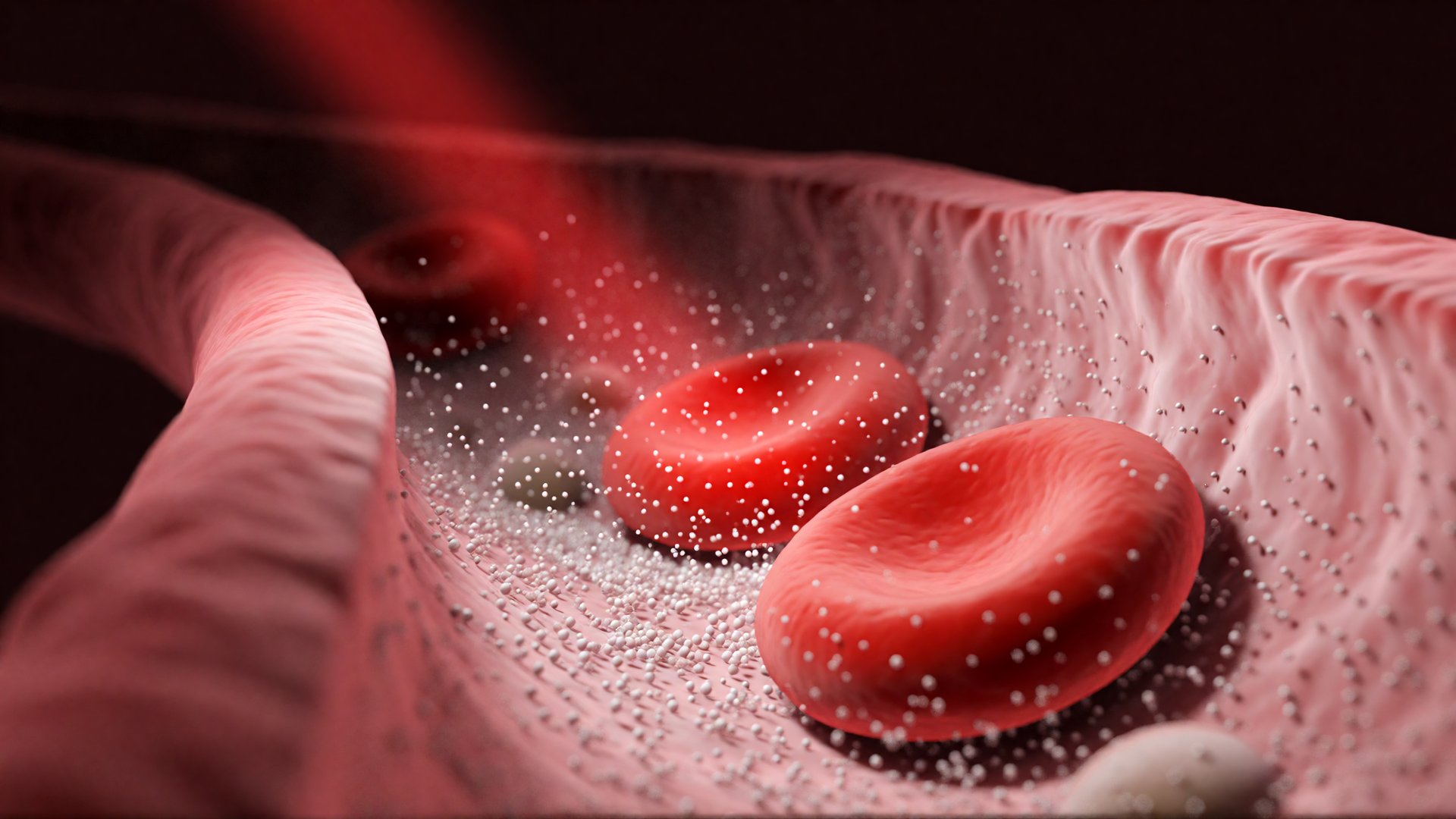
Medicines for brain diseases face a big problem: they often cannot get into the brain. The blood vessels there are surrounded by the blood-brain barrier, a protective layer that keeps harmful substances in the blood away from the brain. That layer also keeps out many medicines.
Researchers led by Wei Gao, professor of medical engineering at the California Institute of Technology (Caltech), developed small capsules to solve this, which they call BrainBots. Their study appeared in the scientific journal Science Robotics.
They tested the BrainBots with the chemotherapy drug doxorubicin in mice with glioblastoma, the most common form of brain cancer. Capsules that were switched on with light delivered about five times as much of the drug to the brain as the same capsules without light. The treatment slowed the growth of the tumour, and the mice lived longer. The researchers saw no damage to the blood-brain barrier. The rest of the body was also less affected by the drug than with a normal dose of doxorubicin alone.
The factor of five is a comparison between capsules with and without light. Follow-up research has to show how the BrainBots perform next to existing treatments.
How the capsules work
A BrainBot is a kind of tiny, lopsided balloon of about 250 nanometres: some 4,000 times smaller than a millimetre. The shell is made of materials that the body tolerates and breaks down. Inside is ammonium bicarbonate, a substance that forms gas when it gets warm. A seal that melts when heated keeps this substance in place. The medicine is attached to the capsule.
The researchers injected the capsules into the bloodstream of the mice. Then they aimed near-infrared light through the skull at the brain. This is invisible light just beyond red, which can pass through skin and bone. The light warms the capsules locally. The seal melts and gas forms. This gas pushes the capsules towards the wall of the blood vessels.
The capsules carry aptamers: short pieces of DNA that attach to one type of cell, here the cells of the blood-brain barrier. These cells take up the capsules and release them on the other side, in the brain. There the capsule breaks down further and the medicine is released.
That the barrier is not a solid wall was also shown by other research in mice: there it carried 92 proteins from the blood to brain cells in a targeted way. The BrainBots make use of this kind of transport. They do not break the barrier open, but let its own cells do the carrying.
What still needs to happen
Some of the capsules reach the brain. The rest end up in organs such as the liver and the spleen and are broken down there, as is usual for small carriers of this kind. The team is now working on a better way to deliver the light. It is also studying how safe and stable the capsules are in the long term and how they break down in the body. An important question is whether enough light gets through the much thicker human skull.
According to Gao, more research is needed first; after that, trials in humans can follow. He hopes the technique can later also help with other brain diseases, such as Parkinson's.
What does this mean for the road to the singularity?
A drug that has trouble reaching the brain has to be put into the blood in large amounts to get enough to the right place. The rest of the body then gets the side effects. If a capsule can carry the drug past the barrier in a targeted way, less is needed. This does not apply to just one medicine: the same kind of capsule can in principle carry a different load.
If that line continues, the way in becomes a separate building block. Anyone who finds a new drug for a brain disease then does not have to work out a route past the barrier, but links the drug to such a carrier. Drugs that are now dropped because they do not reach the brain get a second chance this way. For diseases such as glioblastoma and Parkinson's, where little works well today, that could greatly increase the number of promising treatments.
What is the technological singularity? Read the explanation →