Nederlands
Nobel laureate Hassabis wants to use AI to end all disease, and drug maker Merck is now on board
Demis Hassabis won the Nobel Prize for AlphaFold and wants his company Isomorphic Labs to help end all disease. Last week it raised 5 billion dollars, and now the drug maker Merck is starting a partnership too. The first test in humans is still to come.
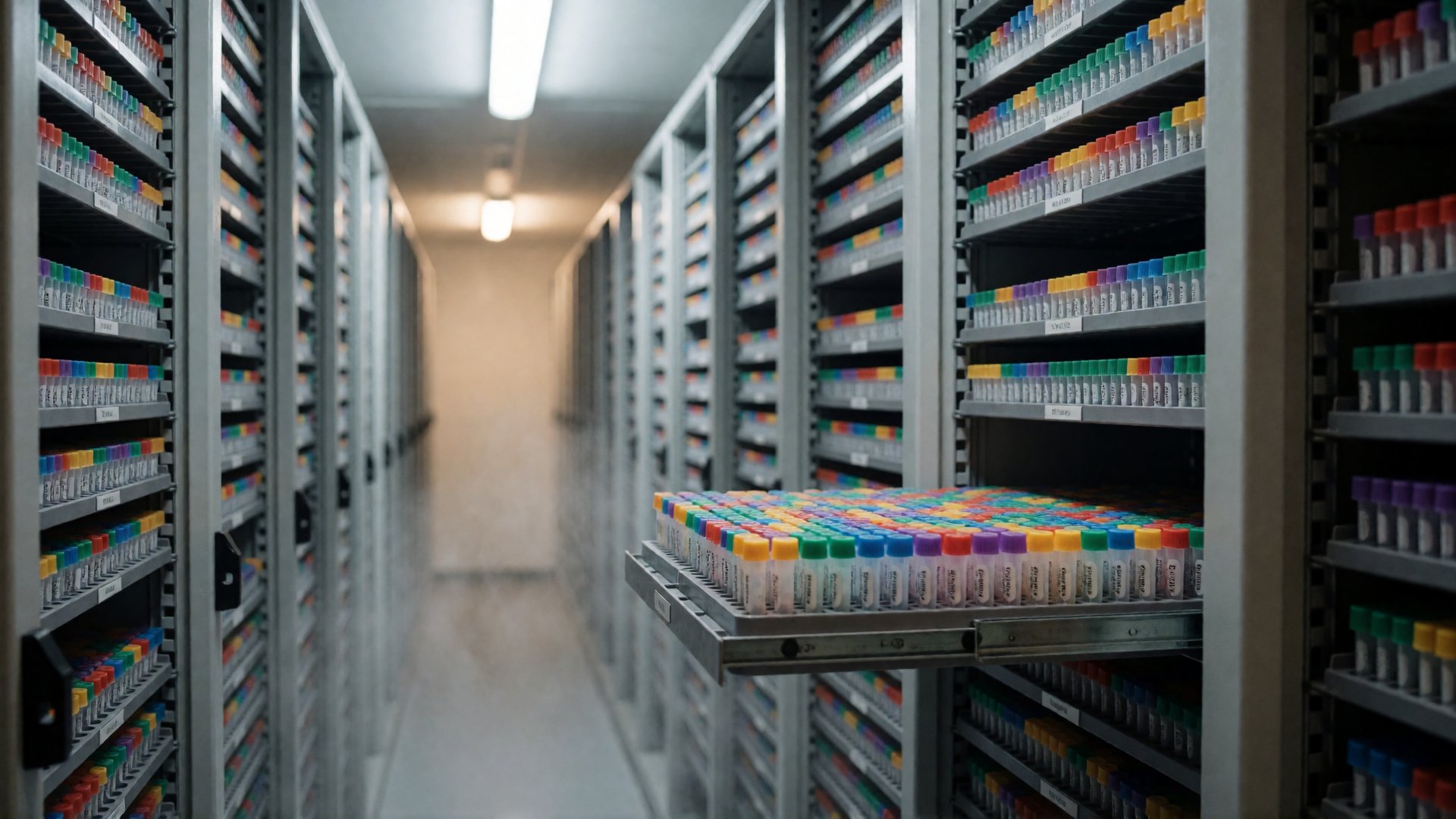
Last week Isomorphic Labs, Demis Hassabis's AI drug company, raised 5 billion dollars from investors, about 4.3 billion euros. Two days later, , the American drug maker Merck announced that it will work with Isomorphic on a new medicine against cancer. That makes four large drug makers now working with Isomorphic. With that money and those partners, Hassabis is working towards a goal he has talked about for some time: ending all disease.
Who is behind this goal
A goal like that sounds like boasting, but Hassabis has achieved something big in this field before. He is a co-founder of Google DeepMind, Google's AI lab. There his team built AlphaFold, an AI system that predicts the shape of proteins. For AlphaFold, Hassabis and his colleague John Jumper received the Nobel Prize in Chemistry in 2024.
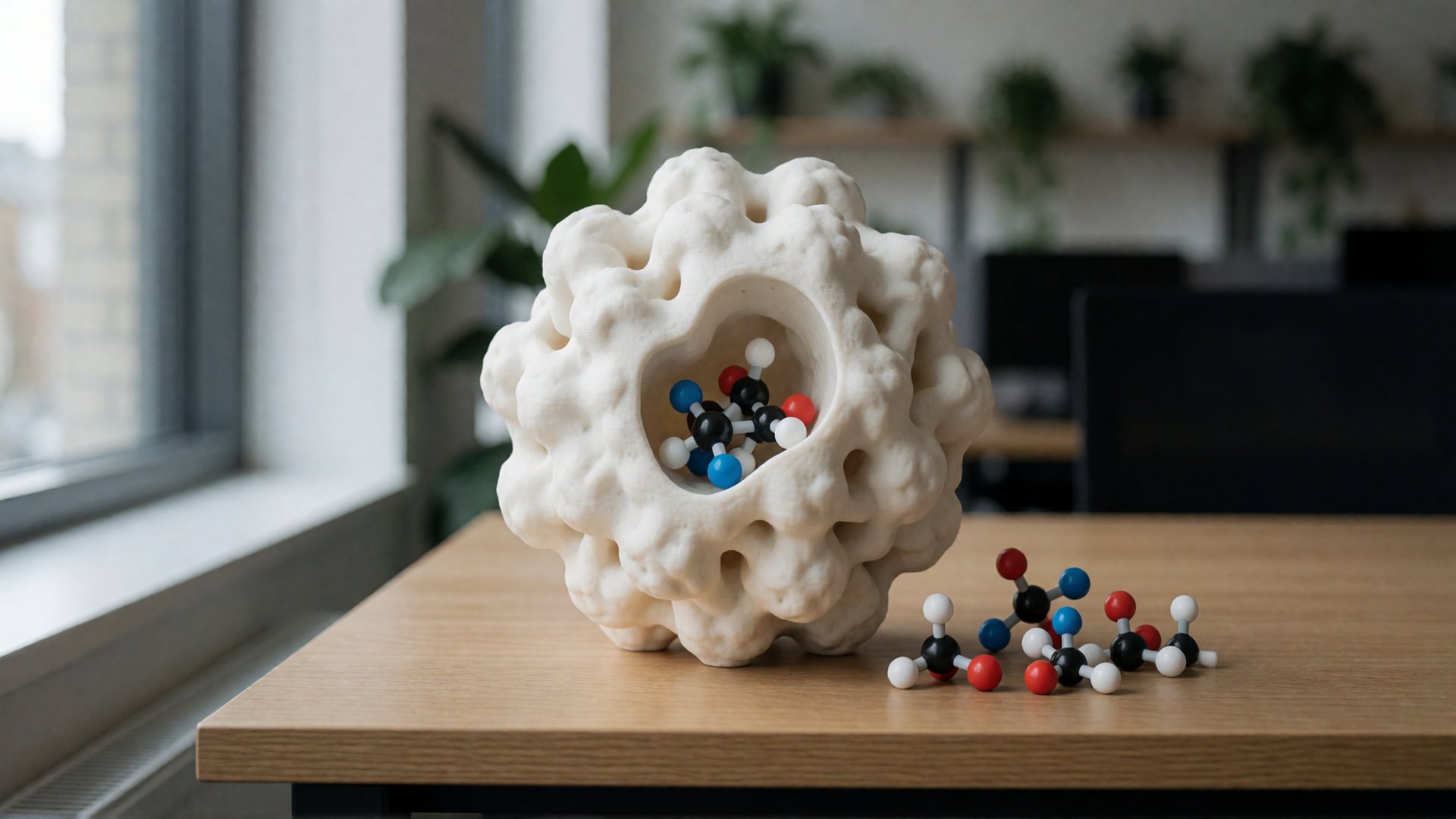
A medicine often works by attaching itself to a protein that is linked to a disease. Whether that works depends on the shape of that protein. That is why Hassabis started Isomorphic Labs in 2021, a spin-off from DeepMind that uses AI to design new medicines. The company belongs to Alphabet, Google's parent company. Hassabis leads Isomorphic and has also been chair of Google DeepMind since August 2026.
Developing one new medicine currently takes ten years on average and costs billions of dollars. The first part of that work is the search for a substance that fits the right protein. Hassabis wants to use AI to cut that part from years to months, perhaps even weeks. In April 2025 he said on the American TV programme 60 Minutes that he believes AI could bring an end to disease within ten years. In May 2026 he told the business magazine Fortune that Isomorphic does not measure itself by a single medicine: it is building a system to tackle all disease.
What Merck and Isomorphic will do
Outside the United States and Canada, Merck is known as MSD. For Merck, Isomorphic will search for possible medicines against one protein that plays a role in cancer. These are medicines made of small molecules, like most pills. Isomorphic uses its own design system for this, together with data from Merck's own research. Merck then tests the best designs in the lab, in animals and in humans. If a medicine succeeds, Merck makes and sells it.
Isomorphic receives an upfront payment, further payments each time the research reaches a next step, and a share of sales if a medicine reaches the market. Isomorphic may also pay part of the development costs; it then receives a larger share of sales later. Isomorphic previously signed similar partnerships with the drug makers Eli Lilly and Novartis (2024) and Johnson & Johnson (January 2026).
Where things stand
Isomorphic has not yet tested a medicine in humans, and no medicine designed with AI has been approved anywhere in the world yet. In January 2026 Hassabis expected the first clinical trials, the tests in humans, by the end of 2026. That is now moving: according to him, there will be more news about that first trial in 2027.
What does this mean for the road to the singularity?
It is already common for AI to design possible medicines. What is new is that four large drug makers are working with the same AI company at the same time. For a drug maker, joining is a logical choice: if the approach works, no company wants to fall behind while a competitor finds new medicines faster. If the approach works in the first tests in humans, the ties with four large drug makers are already in place. The approach can then quickly be used for many more diseases.
If AI cuts the search for a medicine from years to months, the tests in humans become the slowest part. They still take years. If Hassabis wants to end disease within ten years, those tests will have to get faster too. AI can help by predicting in advance which medicine works for which patient. That way, fewer candidates drop out only at the end. If that succeeds, a new medicine becomes cheaper, and it also becomes worthwhile to make medicines for rare diseases. These are now often left aside, because there are too few patients to earn back the costs. The knowledge would, however, sit with a few companies with a lot of money. Whether the new medicines will also be affordable is a question that governments and health insurers can already start thinking about.
What is the technological singularity? Read the explanation →