Nederlands
First user tests a bionic hand that can feel pressure at home
An American man is the first to use an experimental hand prosthesis on his own at home. Through his nerves, it lets him feel pressure. He can cook and write with it, but he sometimes also feels pain and an unexplained strain in the wrist of the prosthesis.
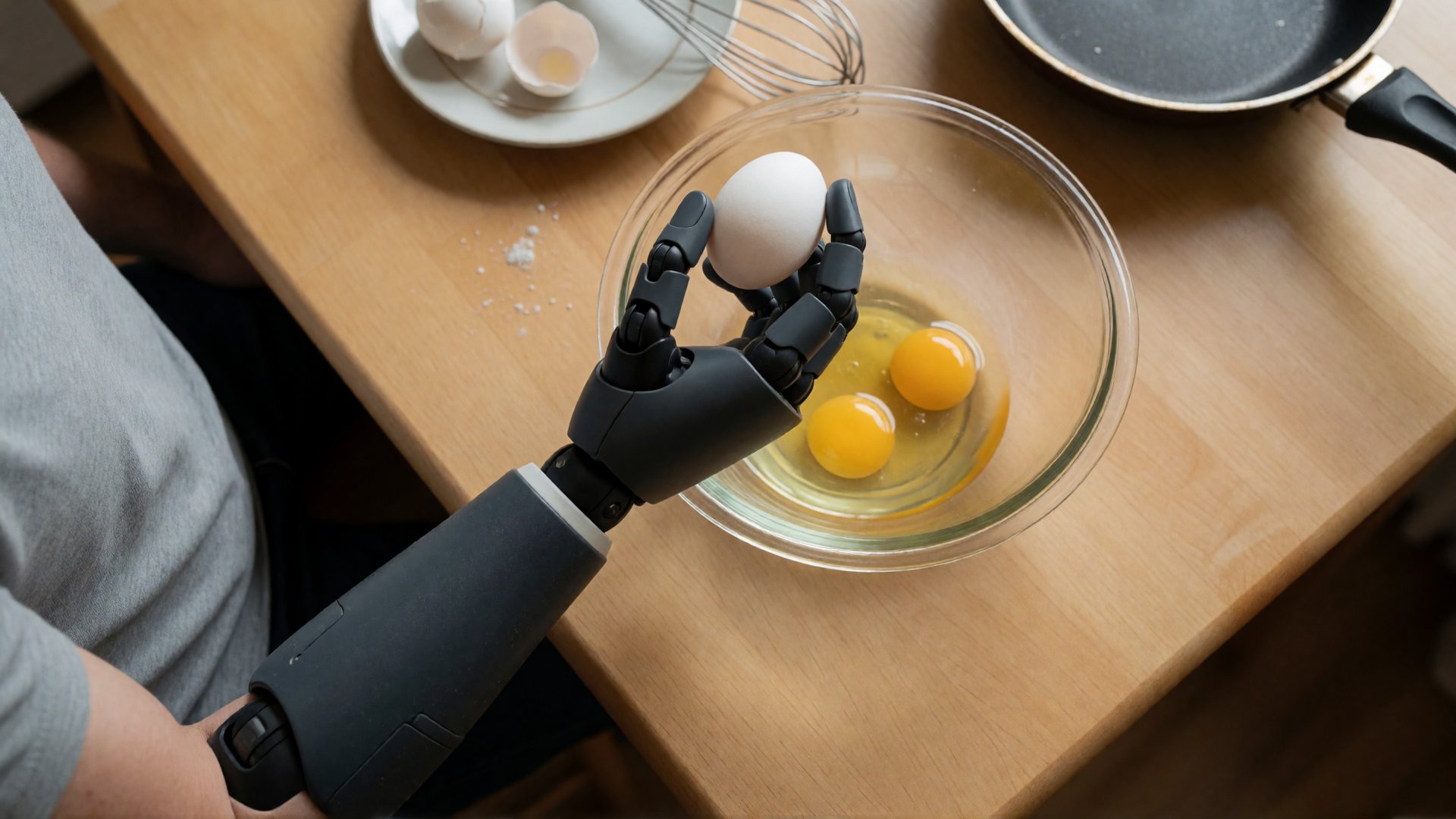
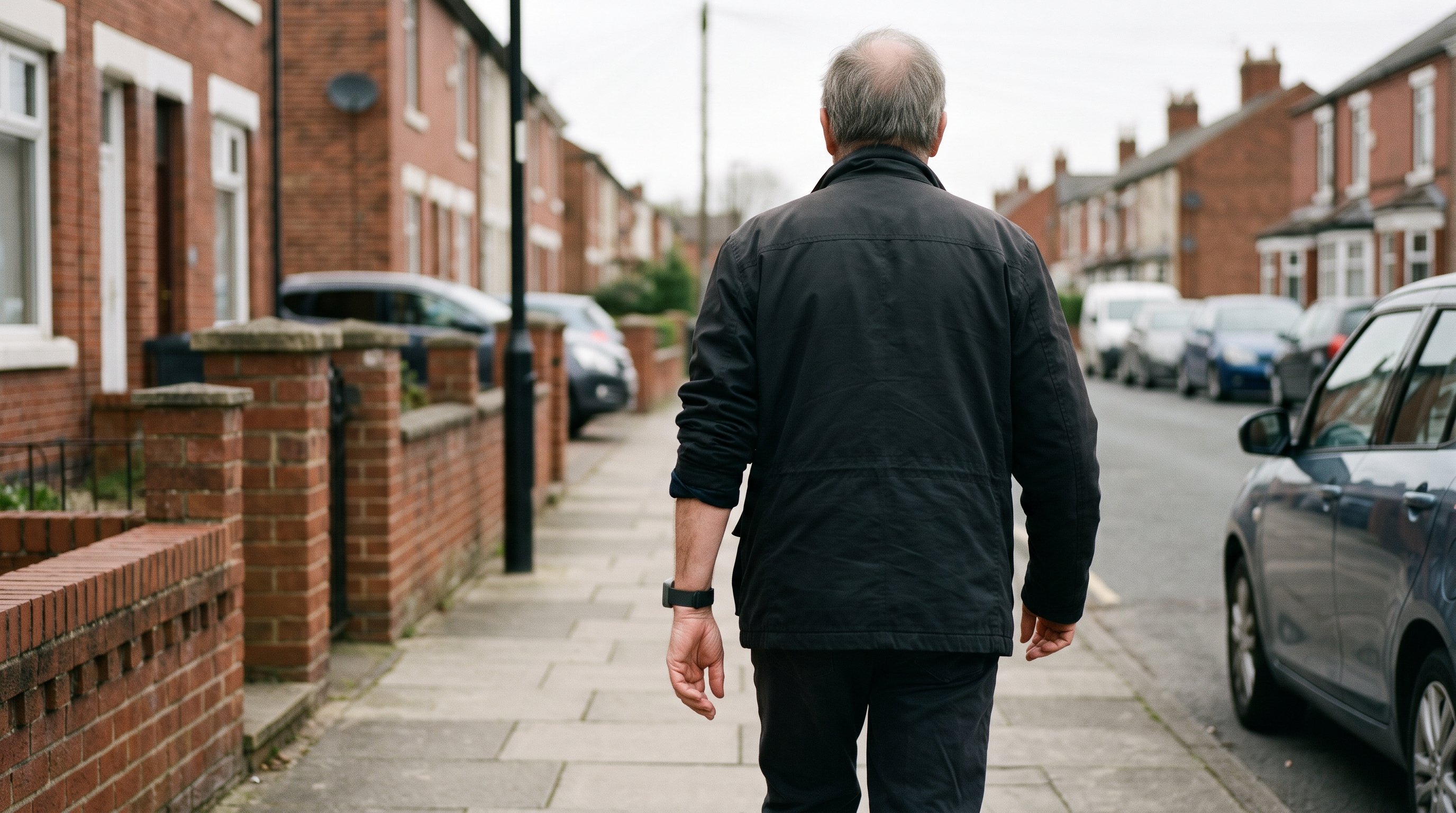
Avi Davidson, a 33-year-old trauma therapist, lost his left hand in an accident in 2009, when he was sixteen. Since 10 July 2026 he has been using an experimental prosthesis from the University of Utah in the United States at home. He is the ninth participant in this study, but the first to use the prosthesis at home without supervision. All earlier participants used it only in the lab.
Davidson wears the hand about six days a week. With it he can crack an egg, fry an omelette and write his name, among other things. At first, writing his name took him a few minutes; now he does it in seconds. The arm weighs about 2.3 kilograms, and the batteries need to be changed once or twice a day.
A connection to the nerves
The hand is the LUKE Arm, an existing robotic prosthesis made by the American company DEKA. What is new is the connection to the nerves, called the BIOS Controller. It turns signals from the nerves into movements of the hand, and sends information about pressure back, so Davidson feels how hard he is gripping something.
To do this, three nerves in his arm each hold a hundred tiny needles that pick up signals and can give small electrical pulses. Another 24 of these contact points sit in the muscles around them. A computer program learned which nerve signals belong to which movement of the hand, wrist and fingers. According to the university, the latest software and AI give a more natural feeling and control that feels effortless.
The research is led by Jacob George and Marshall Trout of the University of Utah. BIOS, a company that grew out of the university, supports the study.
Pain in a hand that is not there
Davidson sometimes feels pain in the prosthesis. This may be phantom pain: pain that feels as if it comes from the lost hand. His prosthetic wrist also sometimes feels stiff and overstrained. Pulling the fingers of the prosthesis backwards eases this. Chris Duncan, a rehabilitation doctor at BIOS, cannot explain this from the body: a prosthesis has no tendons that get stretched, only small motors. He suspects it has to do with how the brain pictures the hand.
In March 2024 the US regulator, the FDA, gave the nerve connection a place in a programme for promising medical devices. The team is planning a larger study and hopes for FDA approval, so that health insurers can cover the cost of the prosthesis.
The study runs for at least a year, until the end of January 2027. Whether it can continue for longer depends on funding. Participants may not keep the prosthesis and will have a second operation to remove the implants.
What does this mean for the road to the singularity?
Robotic prostheses that people control with their own muscle or nerve signals already exist. At MIT, researchers tested small magnets in the muscles to pick up such signals more reliably. What is shifting here is the direction: the connection now works both ways, and it works outside the lab, in an ordinary kitchen. Someone who can feel how hard they are squeezing no longer has to keep their eyes on their hand all the time.
If that continues, a prosthesis becomes less of a tool and more a part of the body. The strange feeling in the wrist suggests that the brain already treats the machine a little like its own hand. The same two-way connection could later also control other devices and send feedback from them. Then the line between a person and the machine they use becomes thinner and thinner.
What is the technological singularity? Read the explanation →