Nederlands
Chinese electric aircraft CE-25A makes first flight with pilots on board
The Chinese electric aircraft CE-25A flew with people on board for the first time . The 19-passenger aircraft is designed for short flights between cities and is now being reviewed by China's civil aviation authority.
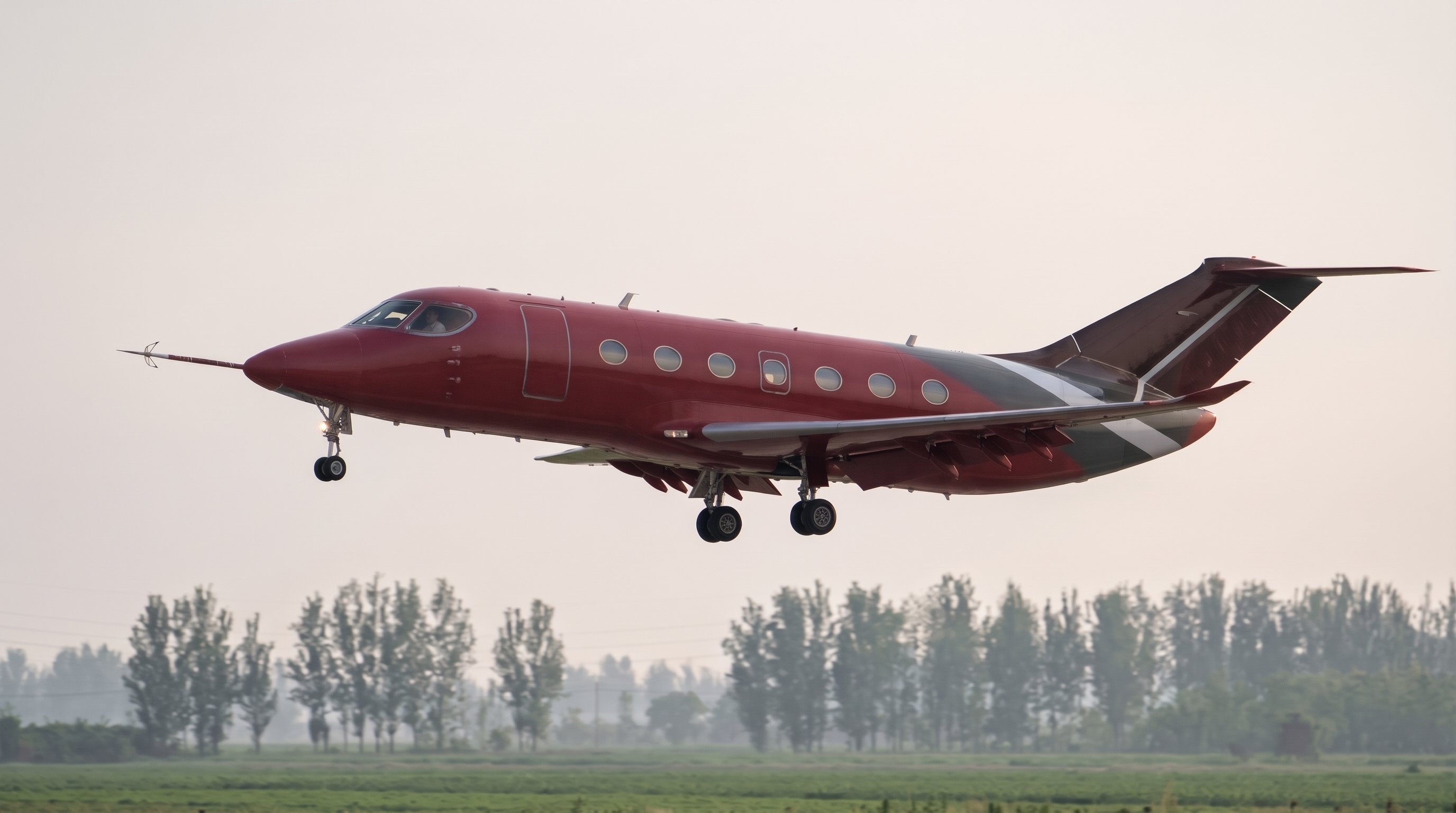
An aircraft that flies on batteries alone is hard to build. Batteries are much heavier than the amount of aviation fuel that holds the same energy. That is why electric aircraft so far have mostly been small machines for a few people. In January 2025, China already approved the RX4E for commercial flights, a small electric aircraft with four seats. The CE-25A is a big step up: it is built for 19 passengers.
The aircraft from the Chinese aircraft maker COMAC flew in Binzhou, in the eastern province of Shandong. On board were two pilots and an engineer who monitored the test flight. According to COMAC, everything worked normally and the aircraft performed as expected. The flight lasted just over 16 minutes and the aircraft covered about 60 kilometres.
Playing loads YouTube, which may set cookies. More information
What kind of aircraft is it?
The CE-25A is COMAC's first electric aircraft meant for paying passengers. Fully loaded, it weighs at most 10,000 kilograms at take-off, about as much as five large cars. According to COMAC, it flies at 300 kilometres per hour at a height of 2,400 metres and has a range of 400 kilometres. That is slightly less than the straight-line distance from Amsterdam to Paris.
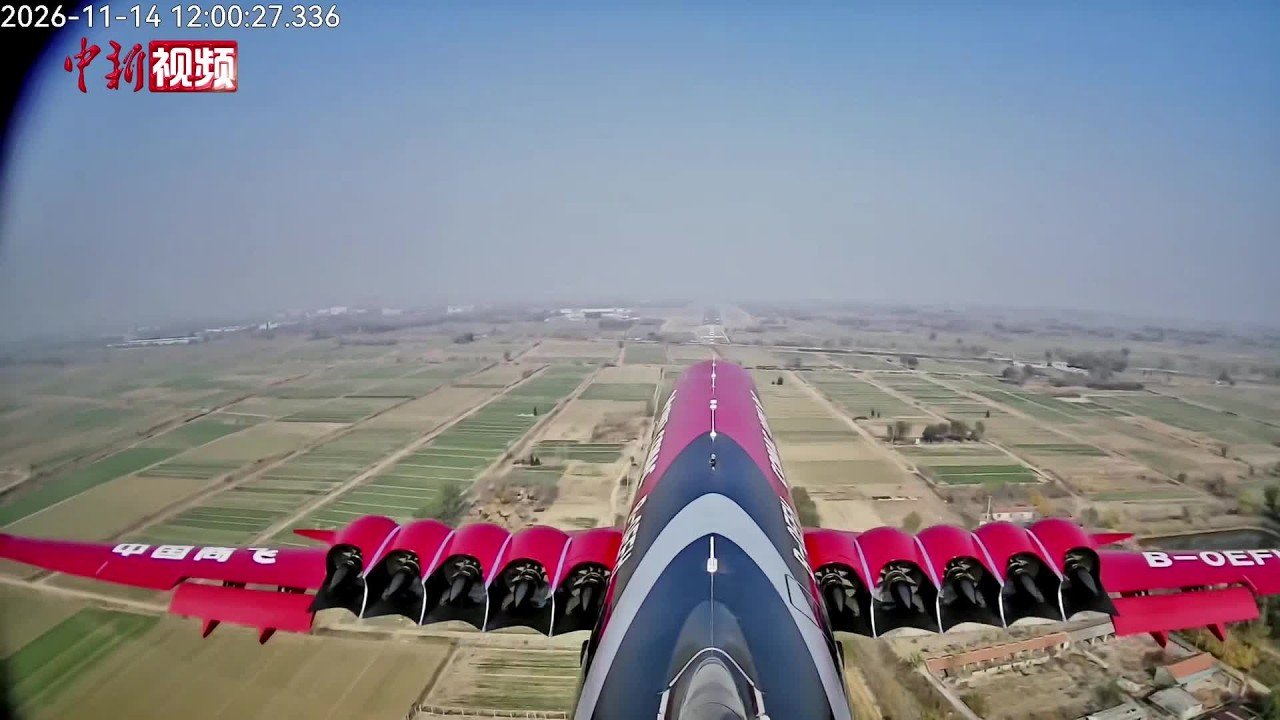
Instead of propellers, the aircraft has ten electric fans, five on each wing. Each fan turns inside a round casing, which is known as a ducted fan.
COMAC developed the aircraft together with the Chinese battery maker CATL, Shanghai Jiao Tong University and other partners. The companies have not said which battery it uses. The CE-25A first flew , at that time without people on board and controlled by a computer. Since then, the aircraft has made nineteen of these test flights without people.
What still has to happen
China's civil aviation authority, the CAAC, has accepted COMAC's application for a type certificate. That is the approval of the design that an aircraft needs before it may carry passengers. It is not yet known when this review will be finished or when the aircraft will enter service.
The 400 kilometres is the longest distance the aircraft can fly. A passenger aircraft must always keep energy in reserve, for example to divert to another airport. With passengers on board, the distance it can cover in practice will therefore be shorter. Work on aircraft like this is also under way outside China: Heart Aerospace flew its test aircraft X1 for the first time in August 2026.
What does this mean for the road to the singularity?
For flights of a few hundred kilometres, an electric aircraft is a good fit. An electric motor has far fewer moving parts than a normal aircraft engine, and the electricity can come from the sun or the wind. If aircraft like the CE-25A pass their review, small airports could regain routes that are too expensive today: to an island, a remote region, or between two cities without a fast train between them, with a quiet aircraft and no exhaust fumes.
For battery makers, an aircraft is the hardest test there is. Every kilogram counts, and the battery must stay safe in heat, cold and shocks. A manufacturer that builds a good battery for that can also use the knowledge for lorries and for robots, which today often have to go back to the charger. In this way, an aircraft for nineteen people also helps the machines that will soon work on their own.
What is the technological singularity? Read the explanation →