Nederlands
Google buys carbon-free power from Fervo: contracted revenue rises to 11.9 billion dollars
Google will buy carbon-free geothermal electricity from Fervo Energy for 15 years. As a result, the company's contracted revenue rose in one quarter from 7.2 to 11.9 billion dollars.
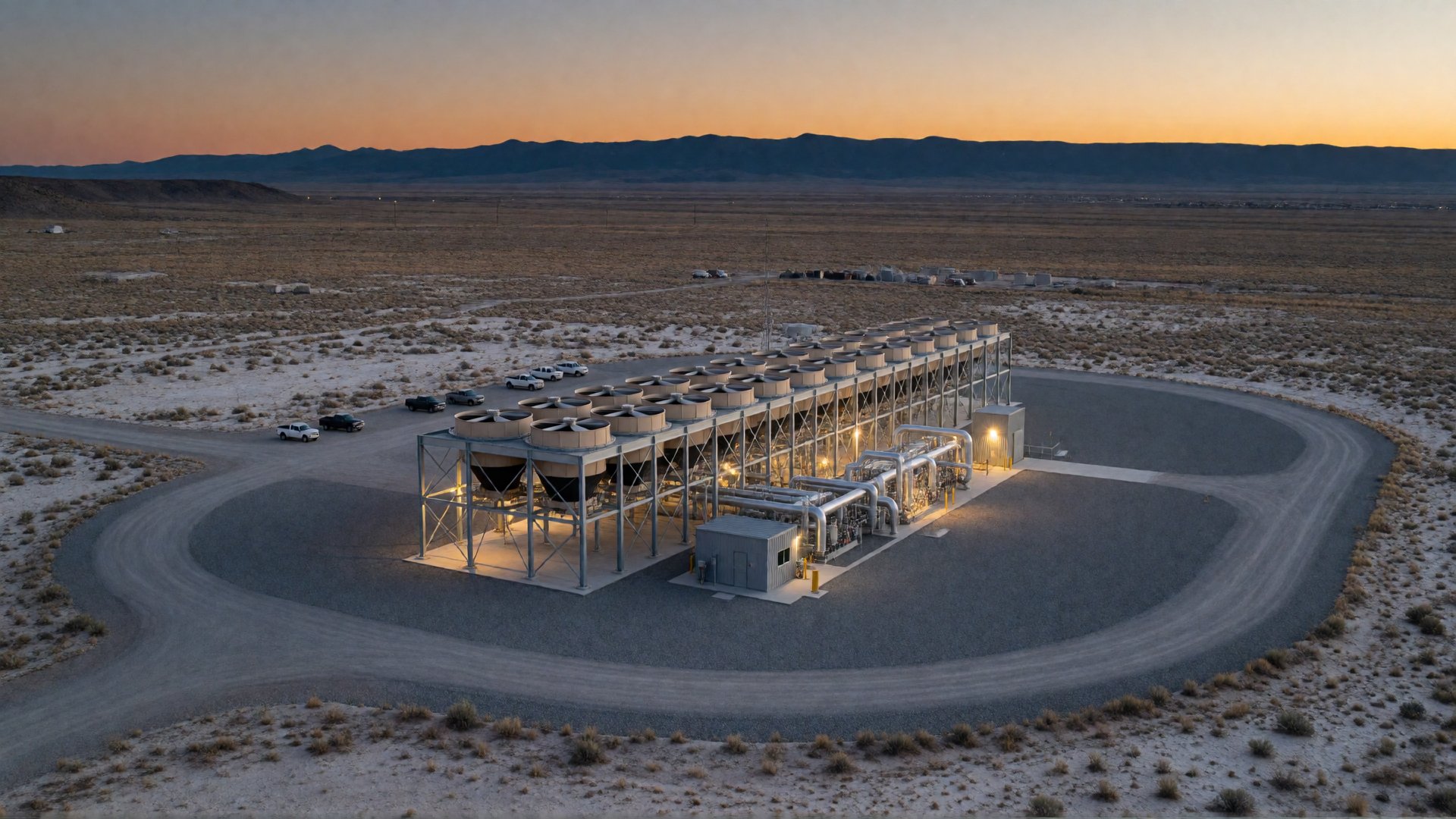
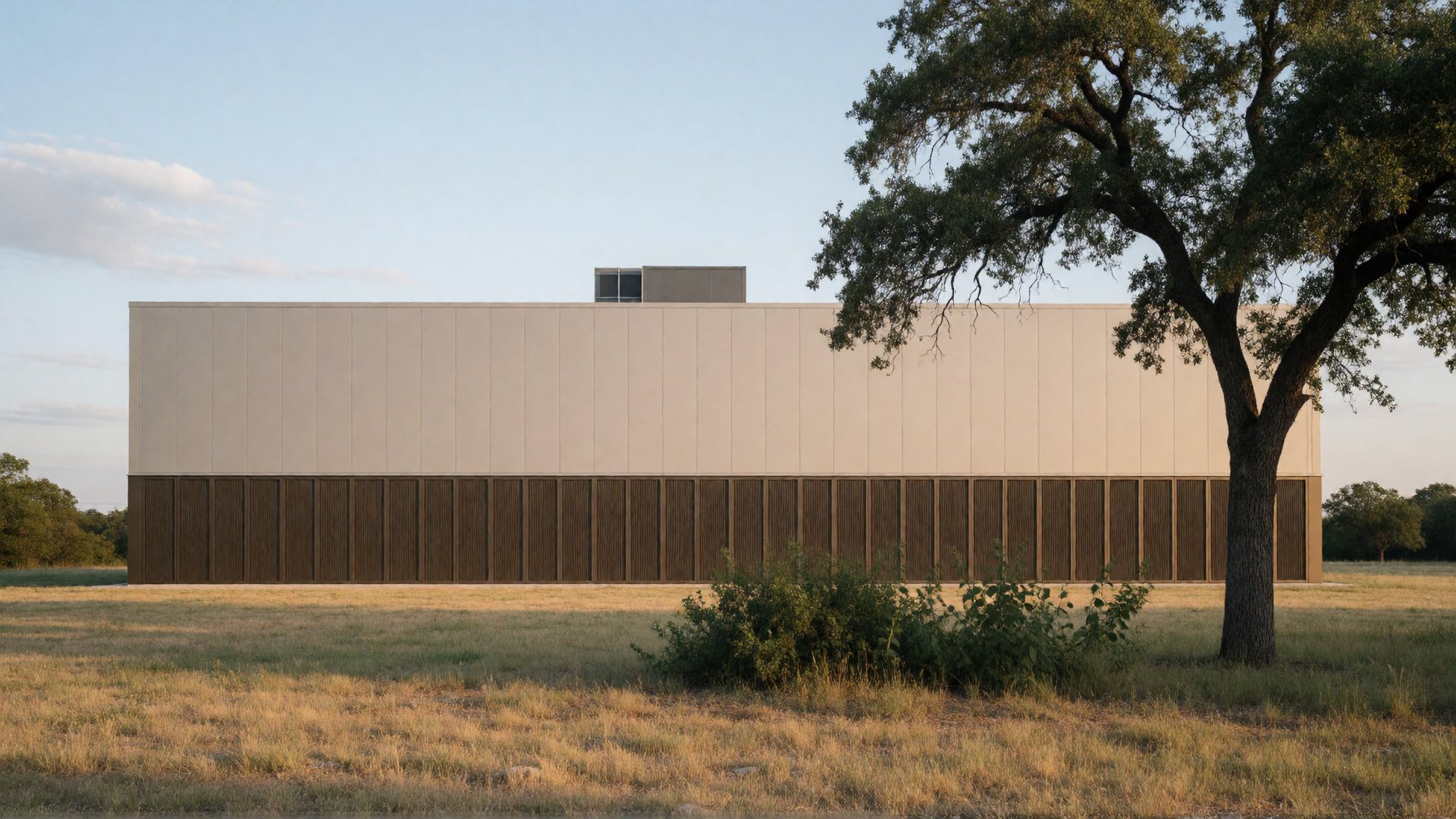
Google will buy carbon-free electricity for 15 years from Fervo Energy, a US company that generates power with geothermal energy: heat from deep underground. The contract covers 396 megawatts. The power will come from a new plant at Cape Station in the state of Utah, called Cape Google 400, and is due to be available from 2028. Google wants to use the power for a possible data centre in Utah.
This fits the goal Google set in 2020: by 2030, all of its data centres worldwide should run on carbon-free energy at every hour of the day. That is hard with sun and wind alone, because the sun does not shine at night and the wind does not always blow. Geothermal energy supplies power day and night, even when there is no wind. Google has worked with Fervo since 2021, first for the power supply of its data centres in Nevada.
Thanks to this contract, Fervo's contracted revenue rose in the third quarter from 7.2 to 11.9 billion dollars (about 6.5 to 10.7 billion euros). That is the total income laid down in all of the company's power contracts, spread over the full term of those contracts. So it is not what Fervo earns per year. The capacity under contract grew from 658 to 1,054 megawatts.
The company hardly earns anything from selling power yet, because sales have only just started. The first block of 33 megawatts at Cape Station has been running commercially since 30 September. The first phase of three blocks is due to deliver about 100 megawatts in total in 2027. The Google plant will first be connected to the electricity grid. This means construction does not have to wait for Google's possible data centre, says co-founder and CEO Tim Latimer: neither side is waiting for the other.
More power per well
Fervo's newer wells at Cape Station are deeper and hotter, and each can deliver 15 megawatts gross, meaning before the plant uses any power itself. Fervo links several wells into a GeoBlock. The first completed block delivered 33 megawatts; newer blocks are meant to reach 50 megawatts. That matches the power demand of a typical hall in a data centre, so customers can take capacity step by step.
Fervo estimates that Cape Station can deliver 8.4 gigawatts in total (1 gigawatt is 1,000 megawatts). Earlier expert estimates came to about 4 gigawatts, roughly half. These figures are estimates of what the site could produce, not capacity that is already connected.
The first phase costs about 7,000 dollars per kilowatt of capacity. Fervo is aiming for 5,500 dollars for Cape Google 400, and 3,000 dollars in the long term. With those targets and with subsidies, the Google project would cost about the same as a new gas-fired power plant that buys fuel at 6 dollars per million BTU, a unit of energy used for gas in the US. In the US, gas currently costs about 3 dollars per million BTU. So geothermal energy is still more expensive than gas, although the gap is getting smaller.
What does this mean for the road to the singularity?
Data centres need power day and night, and demand grows with every new AI model. That Google buys carbon-free power is not new: it has already done so with wind energy, among other sources. What is new is that Google is now securing constant carbon-free power for 15 years from a source that does not depend on the weather or the time of day, built by a young company.
Such a large contract gives Fervo the certainty to keep drilling and building. If costs fall as the company intends, geothermal energy will also become cheaper for others: for other data centres, but also for cities and factories. If that trend continues, Google's competitors with their own climate goals will find it harder to stick with gas, and they will want the same kind of plants. In this way, the growth of AI could mean more clean power instead of extra emissions. That is a hopeful thought, not a certainty: gas is cheap now, and geothermal energy will only catch up if Fervo reaches its cost targets.
What is the technological singularity? Read the explanation →
Sources
- TechCrunch
- Climate Solutions News
- Fervo Energy: resultaten derde kwartaal 2026 (persbericht)
- Fervo Energy: stroomovereenkomst van 396 megawatt met Google (persbericht)
- Fervo Energy: gesprek over de cijfers van het derde kwartaal
- Google: doel van 24/7 koolstofvrije energie in 2030
- Google: het jaar in koolstofvrije energie (geothermie in Nevada)
- American Gas Association: aardgasprijzen eind oktober 2026