Nederlands
Cheap aluminium catalyst lets sodium-sulphur battery recharge thousands of times
Chinese researchers made sodium-sulphur batteries far more durable by swapping a single atom in an aluminium catalyst. In lab tests, the battery kept working well for 2,500 charging cycles.
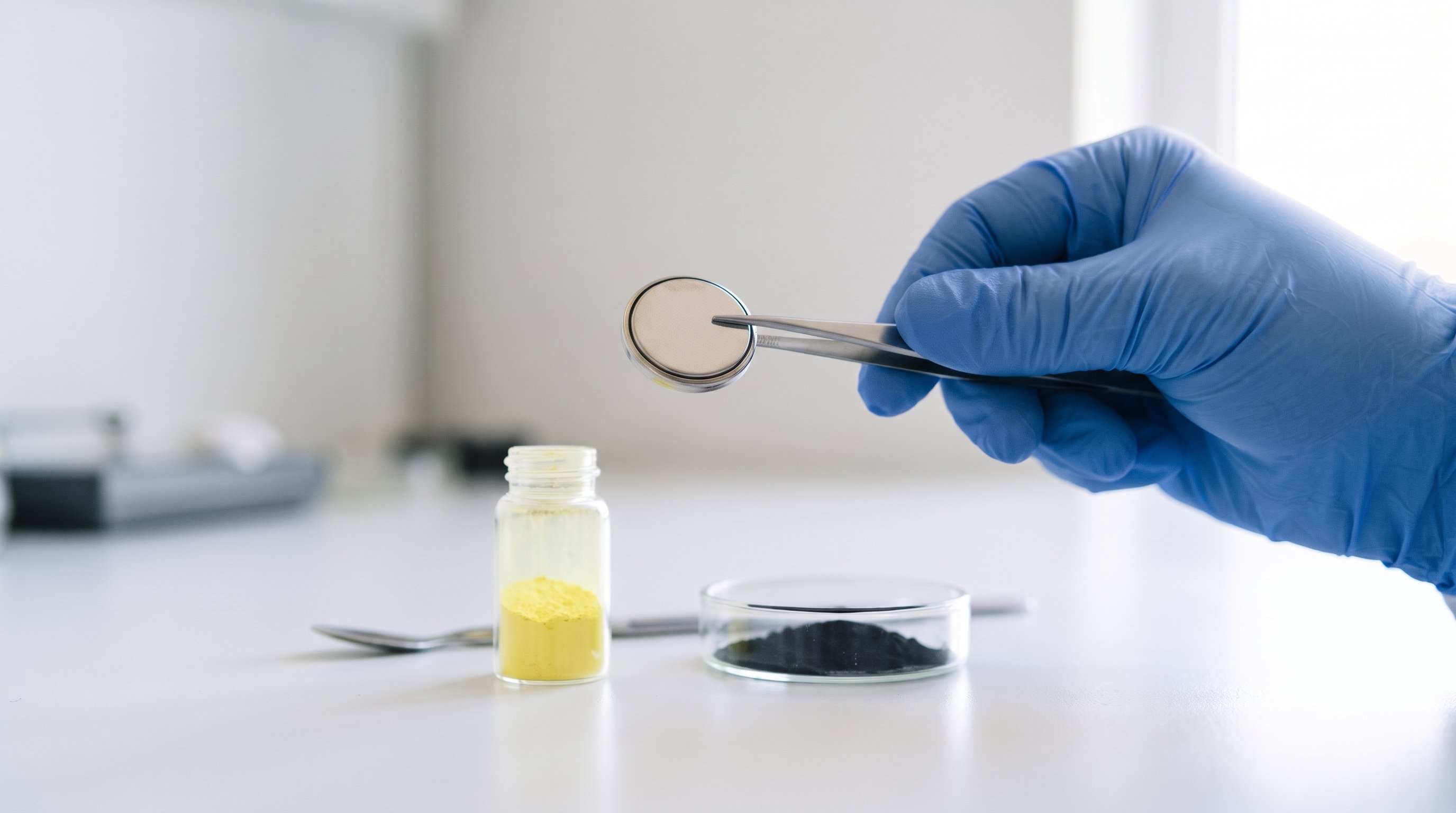
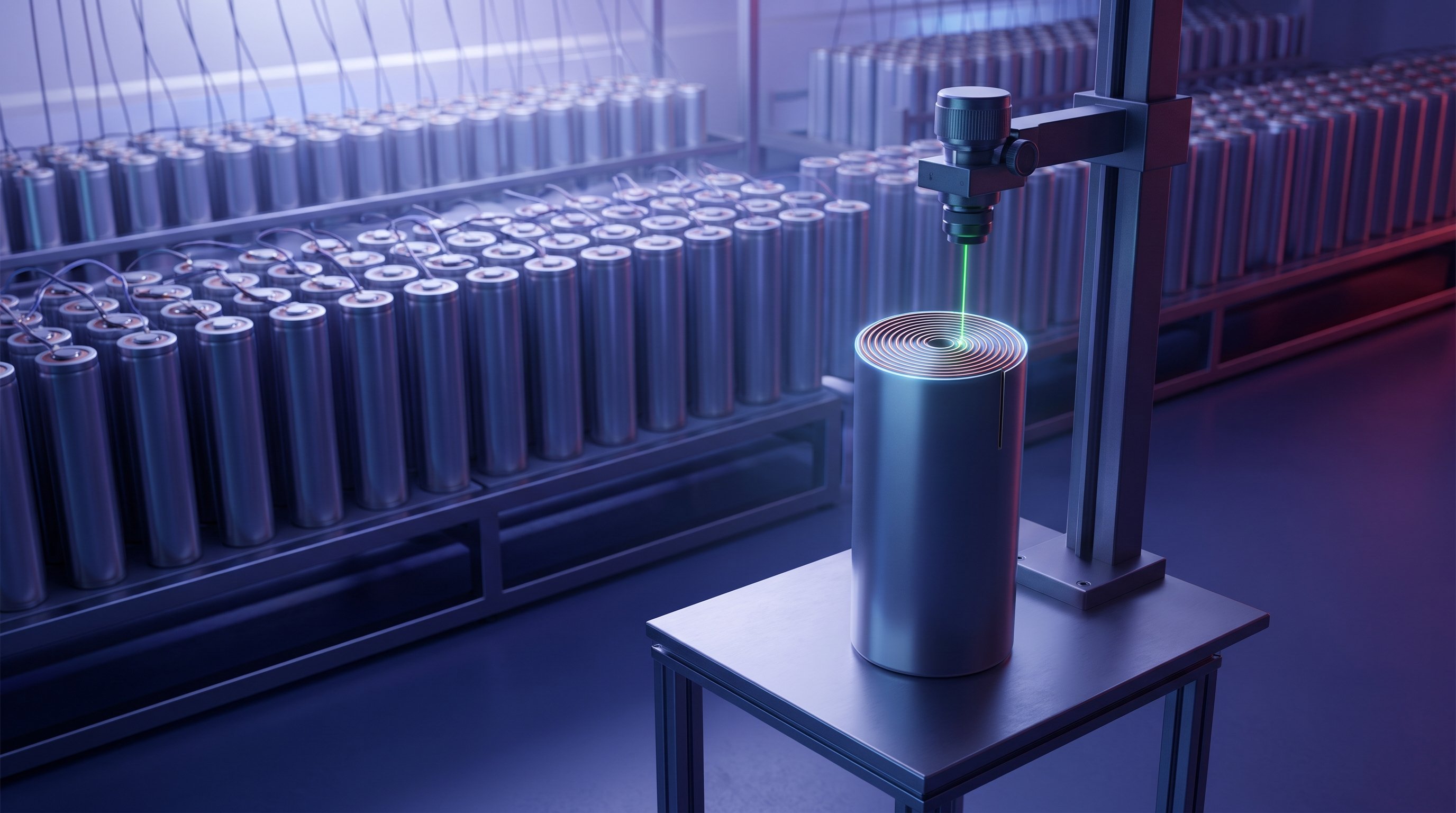
Batteries made of sodium and sulphur are an attractive alternative to lithium batteries. Both materials are cheap and easy to find almost everywhere, and in theory such a battery can store a lot of energy. Yet they are hardly used in practice, because they wear out quickly.
A team at the High Magnetic Field Laboratory in Hefei, part of the Chinese Academy of Sciences, has found a solution: a modified aluminium catalyst. The research, led by Professor Wang Hui together with Professor Zheng Fangcai, appeared in the journal Angewandte Chemie. The institute announced it on 2 November 2026.
Why these batteries wear out
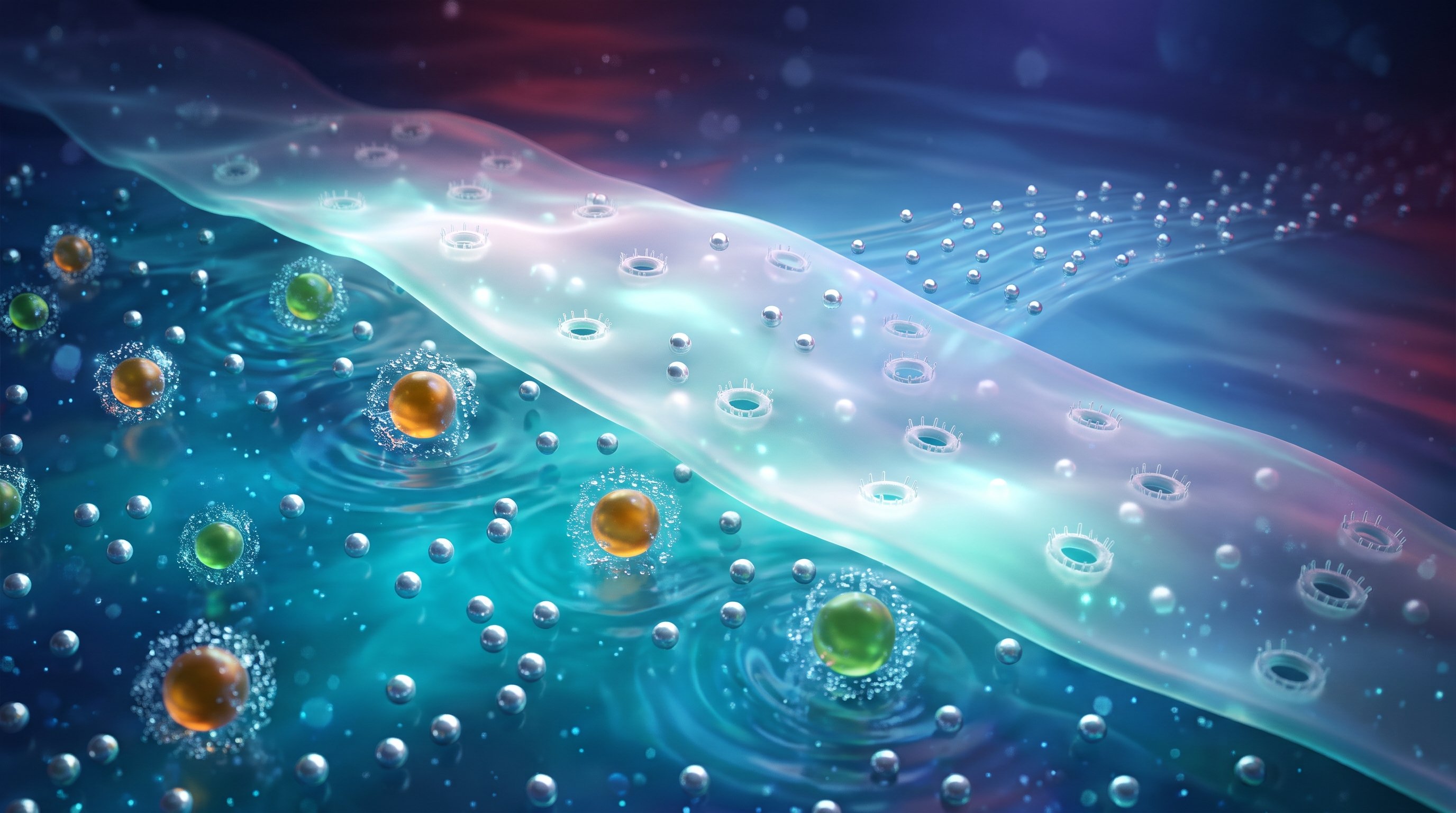
When the battery charges and discharges, sodium and sulphur form intermediate products called polysulphides. They dissolve in the battery's liquid and drift away from the side where they belong: the positive pole, where the sulphur sits. Each time, a little sulphur is no longer available for storing energy. After many charging cycles, the battery holds less and less charge.
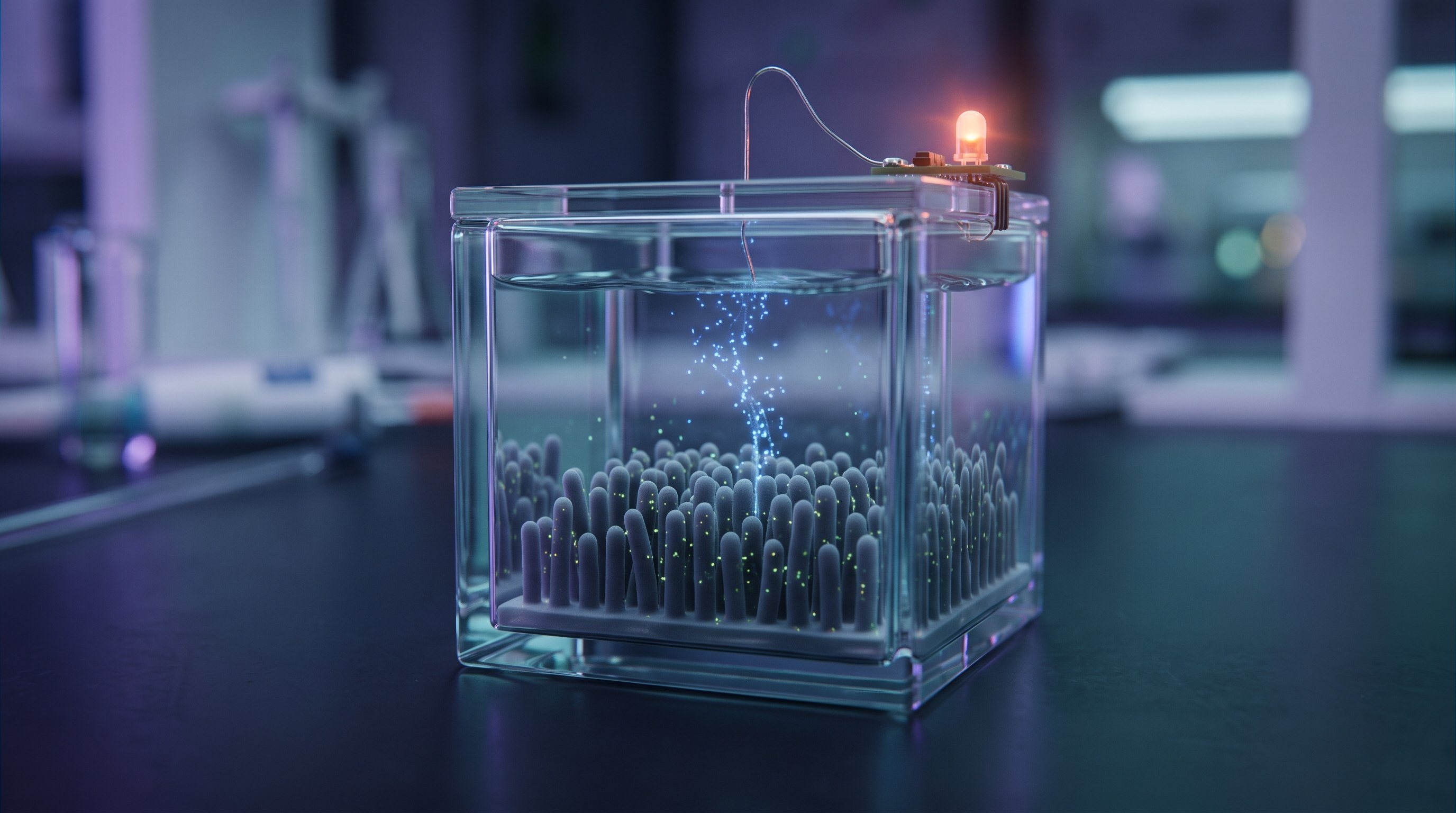
A catalyst can help. This is a substance that speeds up a reaction without being used up itself. Here, it holds the polysulphides at the positive pole and helps them react quickly, so they have less chance to drift away.
One atom of difference
The researchers used single aluminium atoms, spread over a support material, as the catalyst. Aluminium is cheap and non-toxic, but until now it worked less well than expensive metals such as cobalt or nickel. Normally, each aluminium atom sits between four oxygen atoms. The team replaced one of those four with a nitrogen atom.
According to the researchers, this small change alters how the electrons are spread around the aluminium. As a result, the atom holds on to the polysulphides more firmly. Fewer polysulphides escape from the positive pole, and the reactions in the battery run more smoothly.
The results
In lab tests, the battery kept working stably for thousands of charging cycles, according to the institute. The researchers say it lost on average 0.017 per cent of its capacity per cycle over 2,500 cycles. After 100 cycles, the sulphur side could still store almost 1,200 milliampere-hours per gram.
These are lab results, measured by the team itself. The next step is to show that the approach also works in larger batteries, such as those used to store solar and wind power. According to the researchers, the main insight is broader: the atoms around a metal atom determine how well it works as a catalyst. This means cheap metals such as aluminium can also become good catalysts.
What does this mean for the road to the singularity?
Anyone who wants to use a lot of solar and wind power must be able to store that energy cheaply for the times when the wind does not blow or the sun does not shine. Sodium-sulphur batteries can do that with materials that are easy to find, without scarce metals such as lithium or cobalt. This research tackles the biggest weak point of these batteries, and does so with a cheap metal. If the approach also works on a large scale, cheap and sustainable power storage comes a step closer. That is exactly what is needed for a future in which we use much more energy, for example for electric transport and data centres.
What is the technological singularity? Read the explanation →