Nederlands
Donor cell therapy shows first results in scleroderma
In five of six scleroderma patients who received a standard preparatory treatment, CRISPR Therapeutics saw a clinical improvement after three months. The experimental donor cell therapy is being tested in a small, early-stage (phase 1) study.
In systemic sclerosis, also called scleroderma, the immune system attacks the body itself. This can lead to scarring of the skin and organs. For people in whom existing treatments do not work well enough, CRISPR Therapeutics is studying a new cell therapy.
The company presented preliminary results on 8 November 2026 at the annual meeting of the American College of Rheumatology (ACR). The treatment is also being studied in lupus and in inflammatory muscle diseases.
Modified donor cells
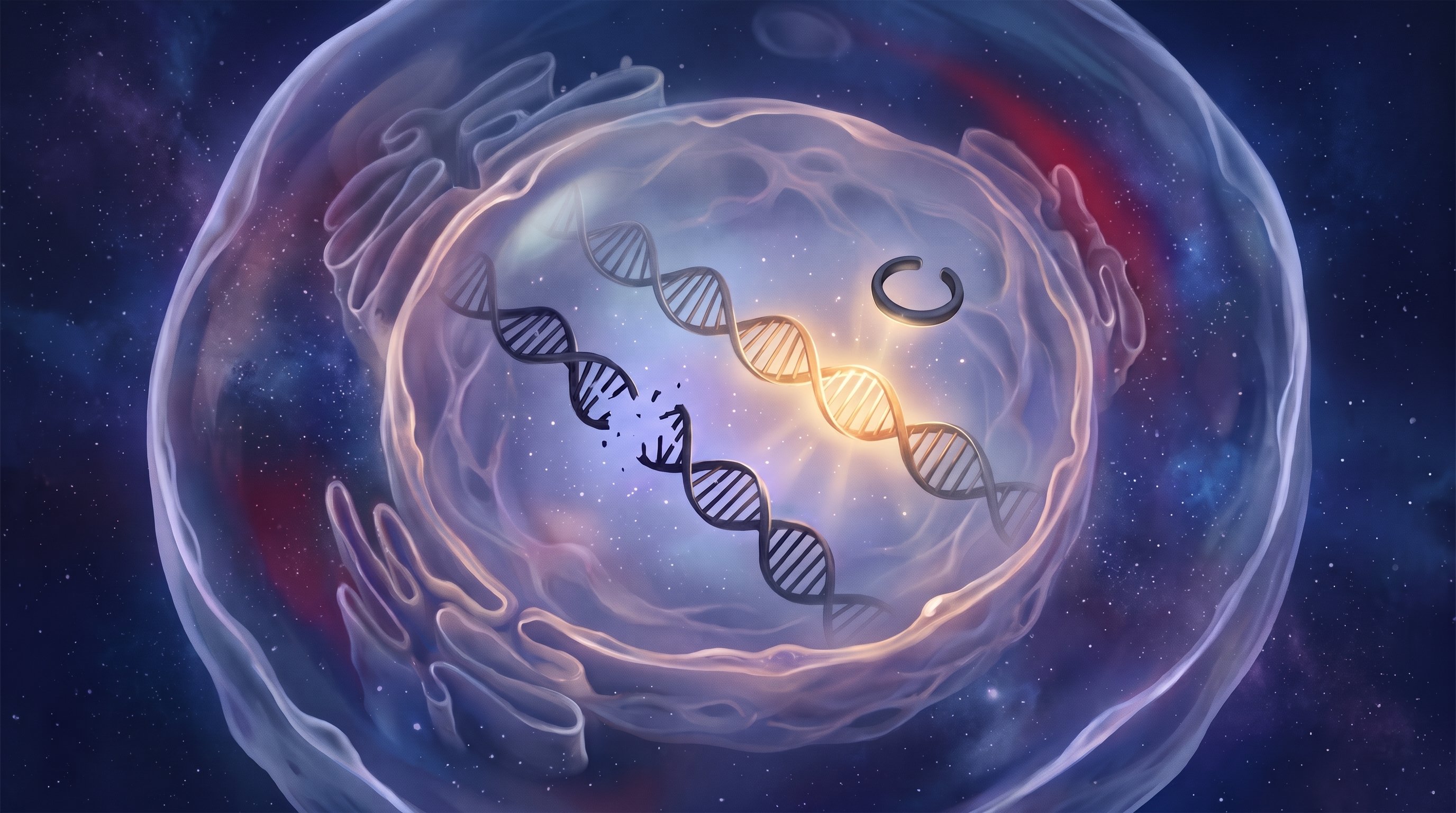
The experimental treatment is called zugocabtagene geleucel, or zugo-cel for short. It uses T cells, a type of immune cell, from healthy donors. These cells have been modified with the gene-editing technique CRISPR so that they track down and remove B cells. B cells are other immune cells that take part in the attack on the body in these diseases.
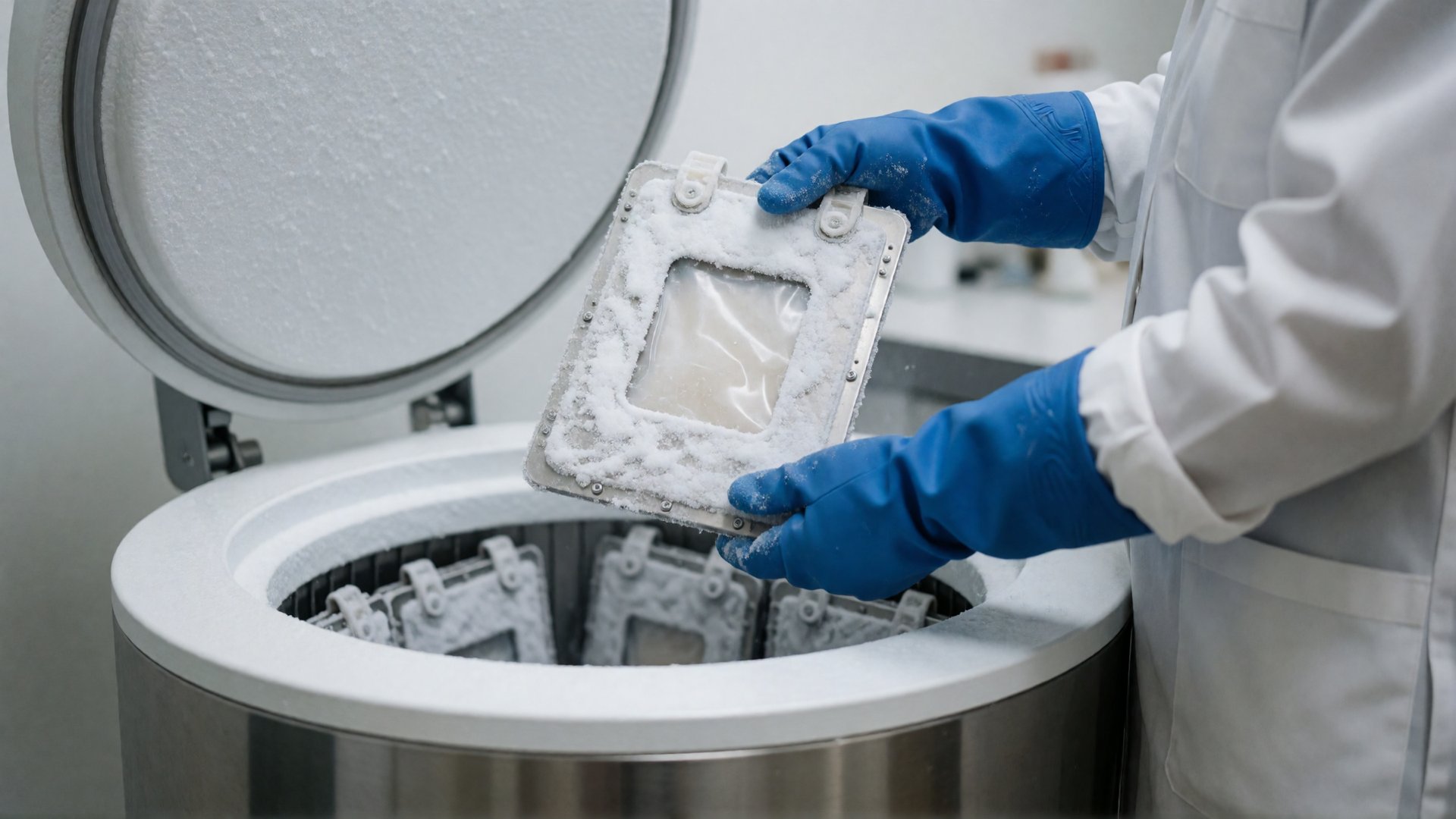
The approach differs from existing cell therapies, which are made separately for each patient from that patient's own T cells. Donor cells can be made in advance and kept ready. The extra modifications are meant, among other things, to prevent the body from rejecting the donor cells, and to prevent the donor cells from attacking the recipient's body. Beforehand, patients receive a treatment that temporarily lowers the number of their own immune cells.
First results
By 21 July 2026, seven scleroderma patients had been followed for at least three months after the same dose of donor cells. Six of them had received the standard preparatory treatment. According to CRISPR Therapeutics, five of those six showed a clinical improvement after three months on a scoring method that looks at the skin, lung function and patients' own experiences, among other things.
According to the company, the improvement lasted in all five. Four had been followed for at least six months. The seventh patient had received a lighter preparatory treatment and improved on several parts of the scoring method.
By 15 October 2026, 21 patients in the whole study had received the cell therapy: eight with scleroderma, four with lupus and nine with an inflammatory muscle disease. According to the company, all nine patients with the muscle disease showed a moderate or major improvement. Two of the three lupus patients who could be assessed stayed in drug-free remission for at least nine months: they no longer took any medicines, and their disease stayed quiet during that period according to a fixed scoring method. In one of them, this has already lasted more than a year.
Safety and next steps
In the 21 patients, the company reported no serious infections or deaths. Nor was any immune reaction reported in which donor cells attacked the recipient's body. An inflammatory reaction that often occurs after cell therapy remained mild to moderate.
One of the first six scleroderma patients did develop a pulmonary embolism, a blood clot in a blood vessel of the lung. This happened during a long hospital stay, without medicines that prevent such blood clots. According to the researchers, this serious side effect was possibly related to the cell therapy.
The study is still running and the patient groups are small. Larger studies and longer follow-up are needed to establish the effectiveness and safety more firmly. The company is now also testing a dose that is twice as high.
What does this mean for the road to the singularity?
Cell therapy with modified immune cells already works against some forms of blood cancer, but today it is made to measure for each patient. That is expensive and takes time. These first results show that donor cells made in advance are now also being studied in serious autoimmune diseases. If larger studies confirm the approach, a cell therapy that can be available to many more people comes closer.
What is the technological singularity? Read the explanation →