Nederlands
Cholesterol therapy tested in humans after two years of effect in primates
A prototype of an experimental treatment lowered LDL cholesterol in primates for two years after a single dose, says Scribe Therapeutics. The treatment is now being tested in humans for the first time.
High LDL cholesterol raises the risk of cardiovascular disease. Existing medicines can lower cholesterol, but they have to be taken regularly. The American biotech company Scribe Therapeutics is researching a treatment that is meant to work for a long time after a single dose.
According to Scribe, a prototype of this treatment lowered LDL cholesterol in non-human primates by more than 50 per cent. The drop lasted two years. The company presented its research on 7 November 2026 at a congress of the American Heart Association in Chicago. Scribe had already announced the two-year results in September.
The treatment, STX-1150, is now being tested in humans for the first time. According to Scribe, that study began in mid-2026 and focuses on adults with raised LDL cholesterol and a higher risk of cardiovascular disease. The researchers are looking at safety, tolerability and effect. The study is running in Australia and New Zealand, with the Victorian Heart Hospital as the first site, and has up to 64 participants, who will be followed for a year after treatment. Scribe expects the first data in the first half of 2027.
Making a gene less active
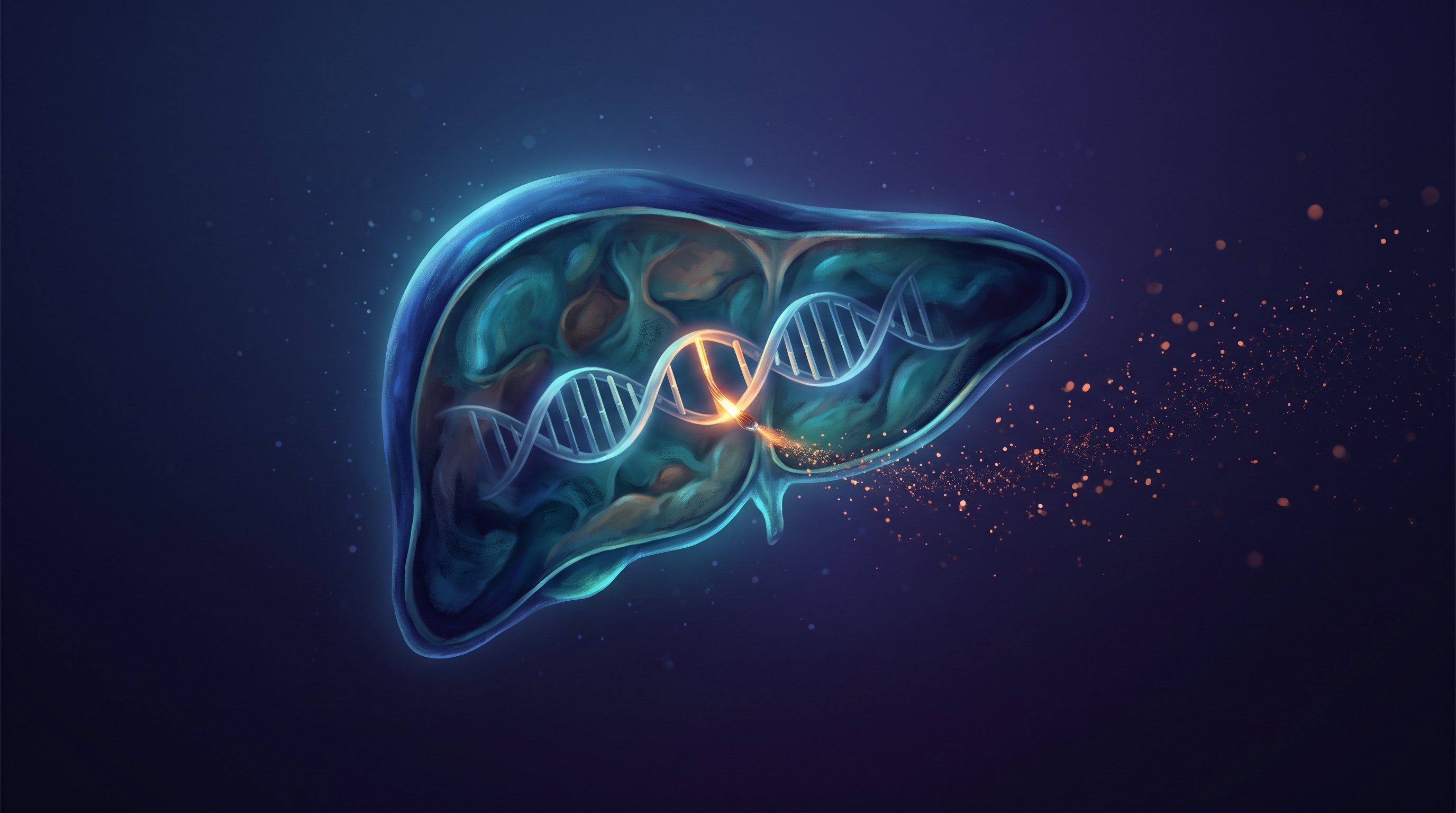
STX-1150 targets the PCSK9 gene in liver cells. This gene helps determine how much LDL cholesterol the liver removes from the blood. The treatment is meant to make the gene less active, so that the amount of LDL cholesterol in the blood falls.
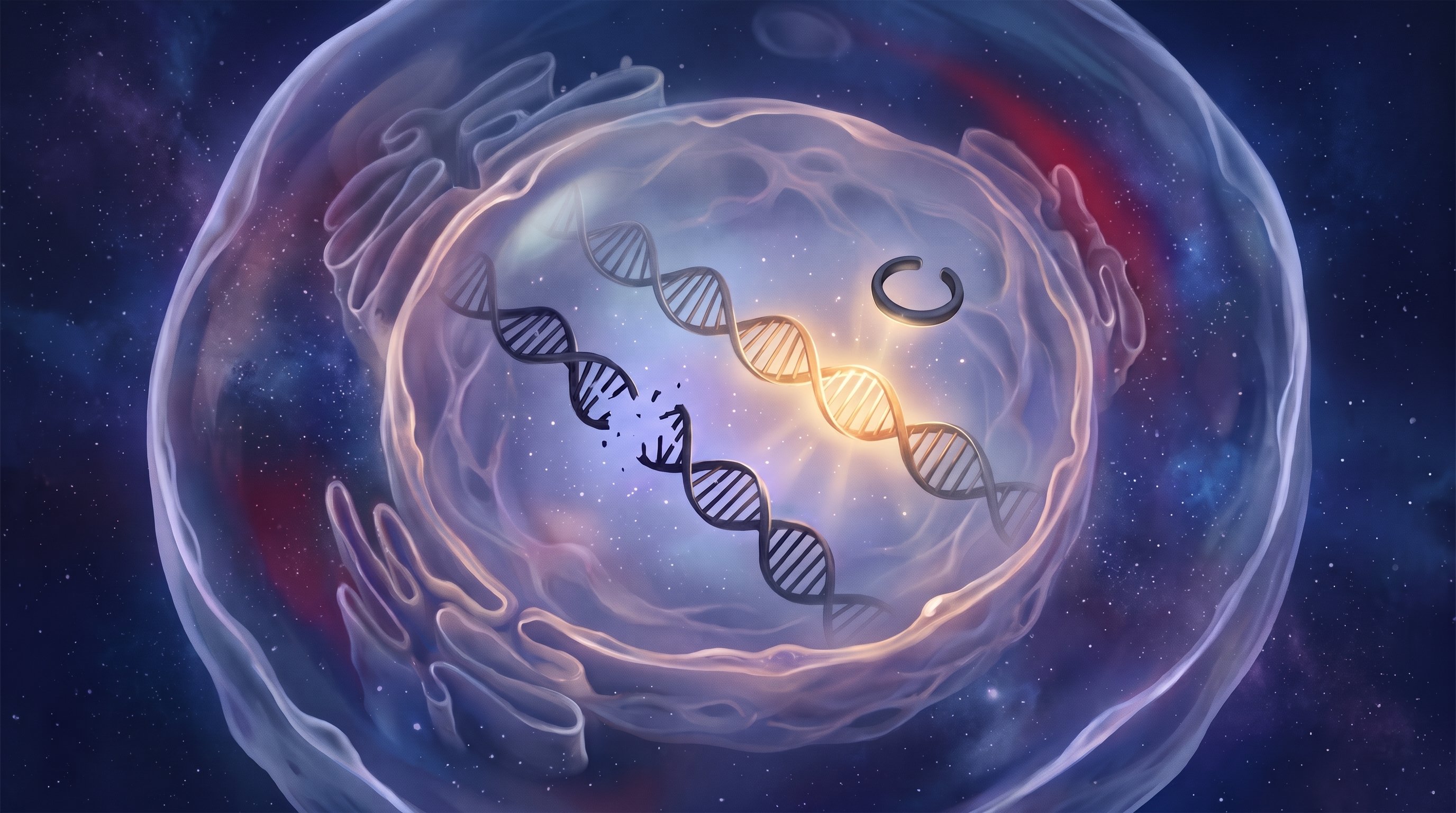
To do this, Scribe uses a technique that adds chemical markers to influence the activity of a gene. The aim is not to change the order of the DNA permanently. Tiny fat particles carry the necessary components to the liver. A built-in safeguard is meant to limit unwanted effects at other places.
In the test animals, the measured liver enzymes were comparable with those of animals that received a saline solution, according to Scribe. In a separate study of harmful effects in primates, the company reported no adverse clinical observations. The research in humans is now meant to give more clarity about safety and effect in patients.
A second approach for a different blood value
Scribe is also working on STX-1200. This experimental treatment is meant to change the LPA gene in the liver permanently in order to lower lipoprotein(a), abbreviated Lp(a). This is a particle in the blood that is linked to the risk of cardiovascular disease. According to Scribe, Lp(a) fell by more than 95 per cent in primates in tests with variants of the treatment. The programme is not yet being tested in humans.
A lower Lp(a) value does not automatically mean that patients get fewer heart and blood vessel problems. According to the American Heart Association, the experimental drug pelacarsen from Novartis lowered Lp(a) by 78 per cent on average in a study with more than 8,000 participants. Even so, there was no difference on a combined measure of, among other things, heart attacks and strokes. This underlines why follow-up research into patients' health is important.
What does this mean for the road to the singularity?
Scribe is exploring two ways to lower blood values linked to cardiovascular disease for a long time: making a gene less active, or changing the DNA permanently. If the first approach also proves safe and effective in humans, it could be a step towards a treatment that is needed less often. The study in humans first has to deliver results for that.
What is the technological singularity? Read the explanation →
Sources
- Tech Times
- www.biopharmatrend.com
- www.scribetx.com
- Scribe Therapeutics: presentaties op AHA Scientific Sessions 2026 (4 november 2026)
- Scribe Therapeutics: Australische toestemming voor eerste onderzoek bij mensen met STX-1150 (21 mei 2026)
- Victorian Heart Institute (Monash University): eerste onderzoek bij mensen in het Victorian Heart Hospital
- ClinicalTrials.gov: onderzoek naar STX-1150 bij verhoogd LDL-cholesterol (NCT07428473)
- American Heart Association: Lp(a)HORIZON, Lp(a) 78 procent lager zonder minder hart- en vaatproblemen
- ASBMB Today: epigenetische remming en hart- en vaatrisico (19 augustus 2026)
- Scribe Therapeutics: presentaties op het AHA-congres 2026 (4 november 2026)