Nederlands
Gallium oxide switching module is the first of its kind to reach 1 megawatt
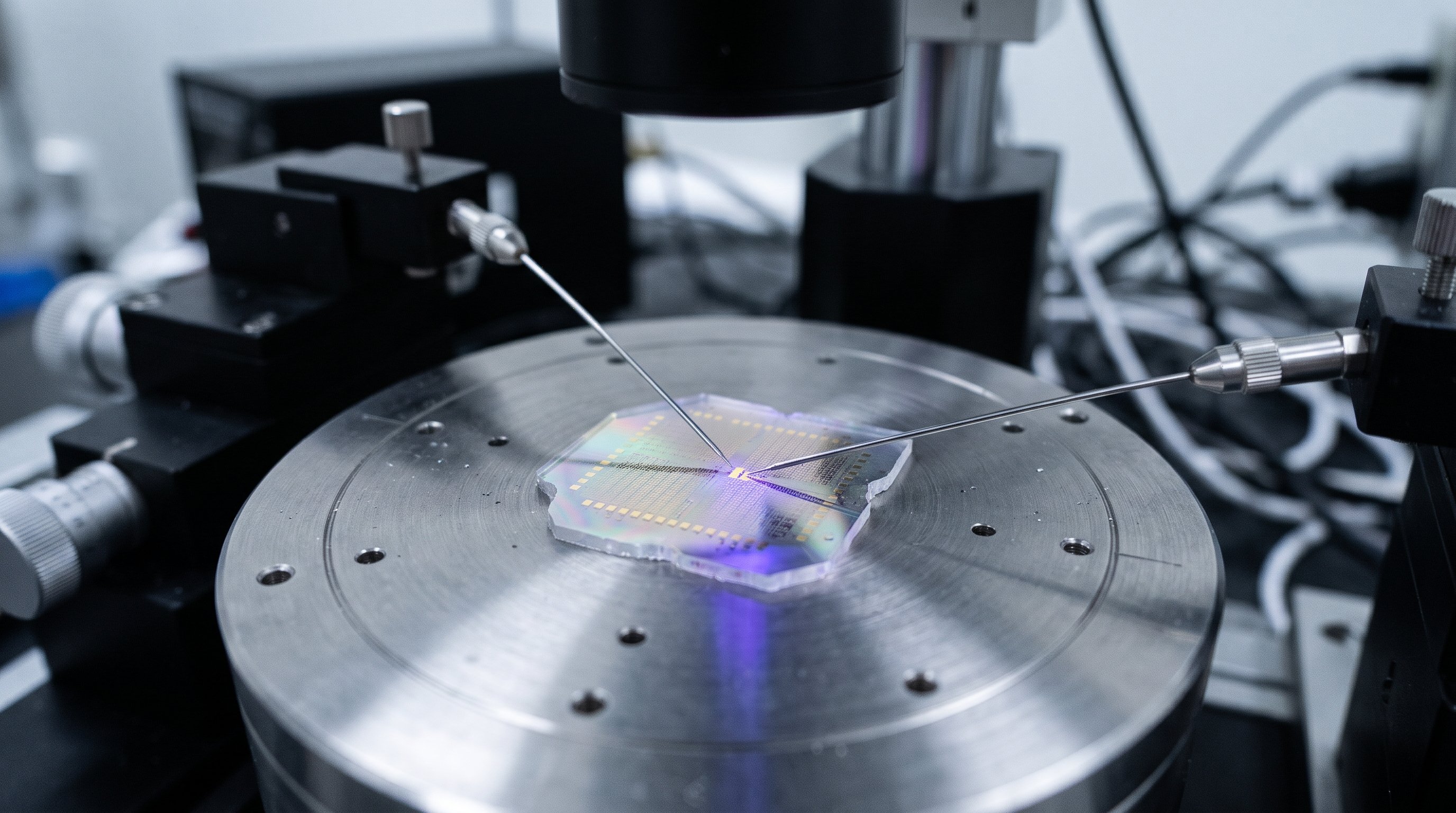
Researchers in Hong Kong built a module with six gallium oxide chips that repeatedly switched 1,000 volts and 1,000 amperes in tests. According to them, it is the first module made from this kind of semiconductor to reach 1 megawatt this way.
Wherever electricity is controlled or converted, semiconductor switches are at work: in electric cars, solar installations, the power grid and data centres for AI. For a long time these were mostly made of silicon. Newer materials such as silicon carbide and gallium nitride have already made such switches more efficient and smaller. Researchers at the University of Hong Kong (HKU) have now gone a step further with gallium oxide, a material that can handle much higher voltages.
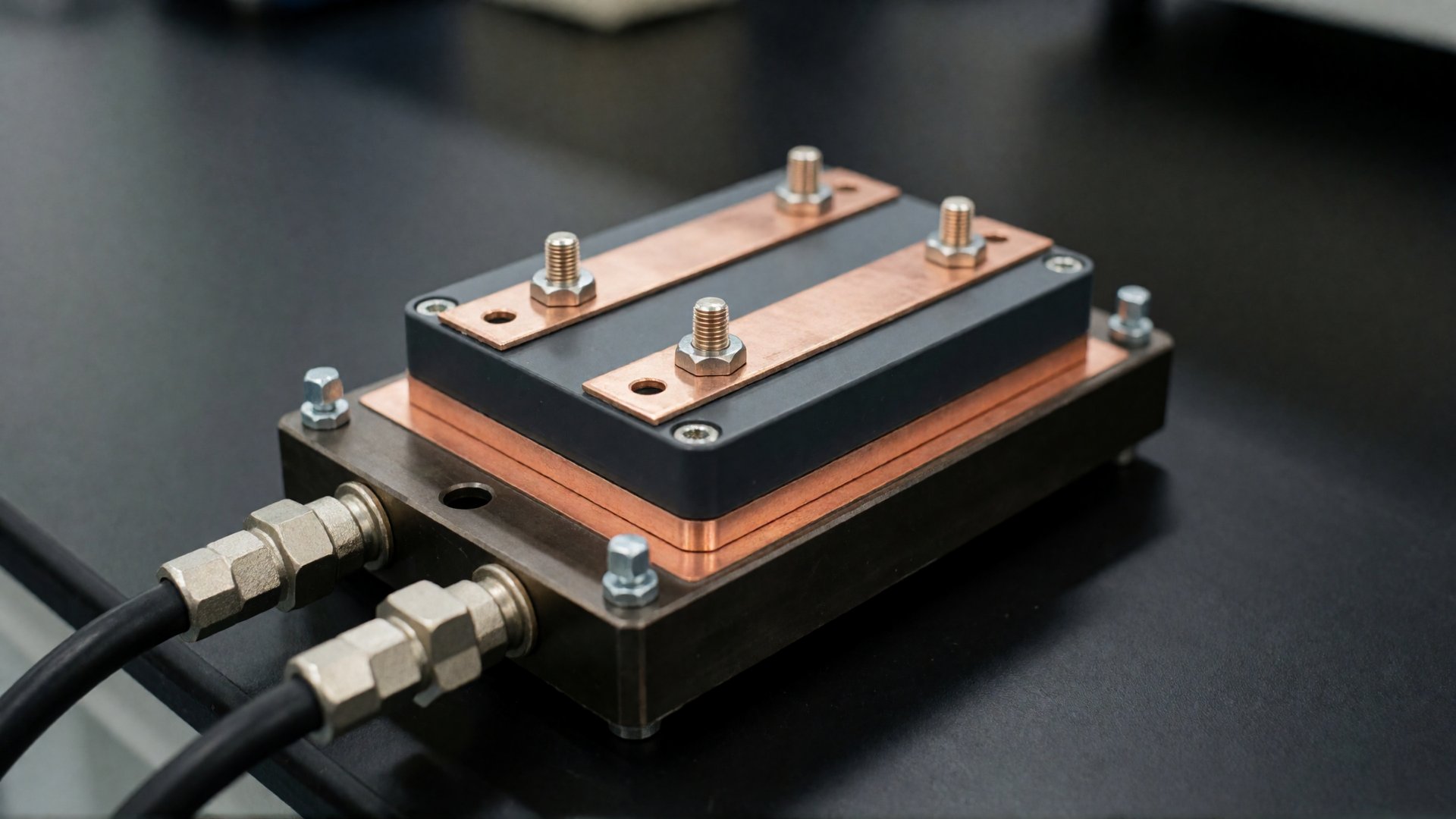
Their module with six gallium oxide chips repeatedly switched 1,000 volts and 1,000 amperes in tests, a thousand times per second. That is a peak power of 1 megawatt, as much as 500 kettles of 2,000 watts running at the same time. According to the team, this is the first module with several chips of this kind of semiconductor to reach the megawatt level, and the power is more than a hundred times higher than had been achieved before with this group of materials. The research was published in Nature Communications. Professor Yuhao Zhang of HKU led the work, together with colleagues from Virginia Tech in the United States and Nanjing University in China.
Handles high voltage, struggles with heat
Gallium oxide belongs to the semiconductors with an ultra-wide band gap. This means the material can withstand a much stronger electric field before it breaks down, so it can switch higher voltages in a smaller piece of material. The drawback: gallium oxide is poor at getting rid of heat. And when many chips are placed together in one housing, high voltage and high current cause extra problems with heat and with the electric field around the chips.
That is why the team designed the chip and its housing as a single whole, instead of first making the chip and then looking for a package to put around it. The part of the chip where the heat is produced now sits right next to the cooling, so the heat only has a short distance to travel. A special insulating layer spreads the electric field more evenly around the chip, so that there is no spot where the voltage builds up too high.
In a short pulse of current, a single packaged chip conducted 234 amperes at 1,000 volts and kept working while its interior reached more than 250 degrees Celsius. The team then put six of these chips together in the module that reached 1 megawatt.
What it could be used for
According to the researchers, the module is especially suited to devices that need a great deal of energy in very short bursts: the protection of high-voltage grids, advanced medical equipment, particle accelerators and installations for nuclear fusion. Because the module switches so quickly, HKU says it could also lead to smaller and more efficient devices for converting power. The next step is to show that such a module also works reliably for a long time outside the lab, in real devices.
What does this mean for the road to the singularity?
More computing needs more power, and that power has to be controlled and converted somewhere. Switches that can handle higher voltages and currents in a smaller housing make the power grid, large installations and data centres more compact and more efficient. This module shows that gallium oxide, with cleverly designed cooling, can do that work at the megawatt scale. That brings a new generation of power electronics a step closer.
What is the technological singularity? Read the explanation →