Nederlands
Tiny memory component works at just 0.6 volts and survives a trillion switches
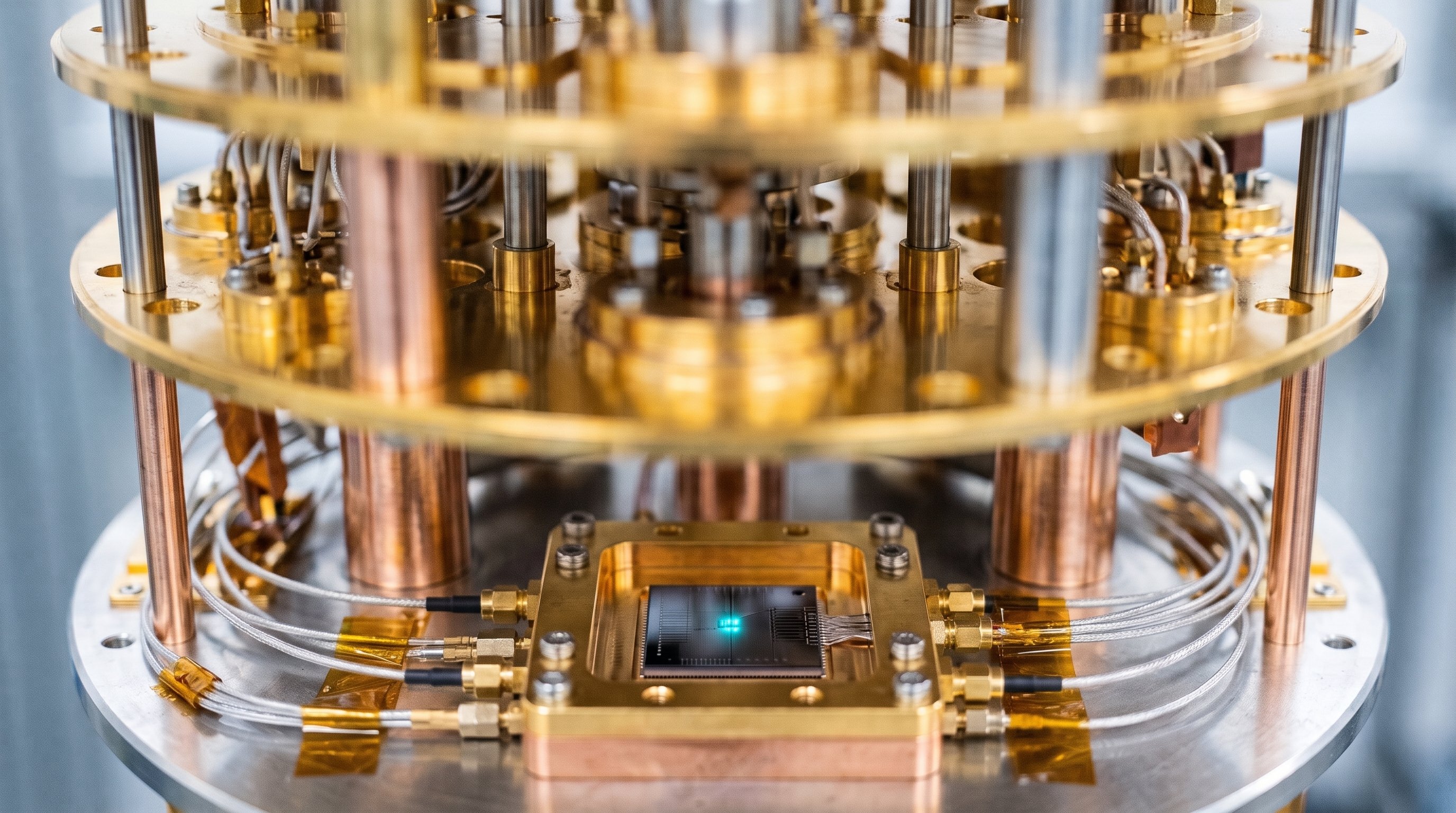
Researchers from South Korea, together with Samsung, made a memory component 5 nanometres thick that switches fast at just 0.6 volts and withstands a trillion switches. In time, this could lead to memory that uses less power, including in AI servers.
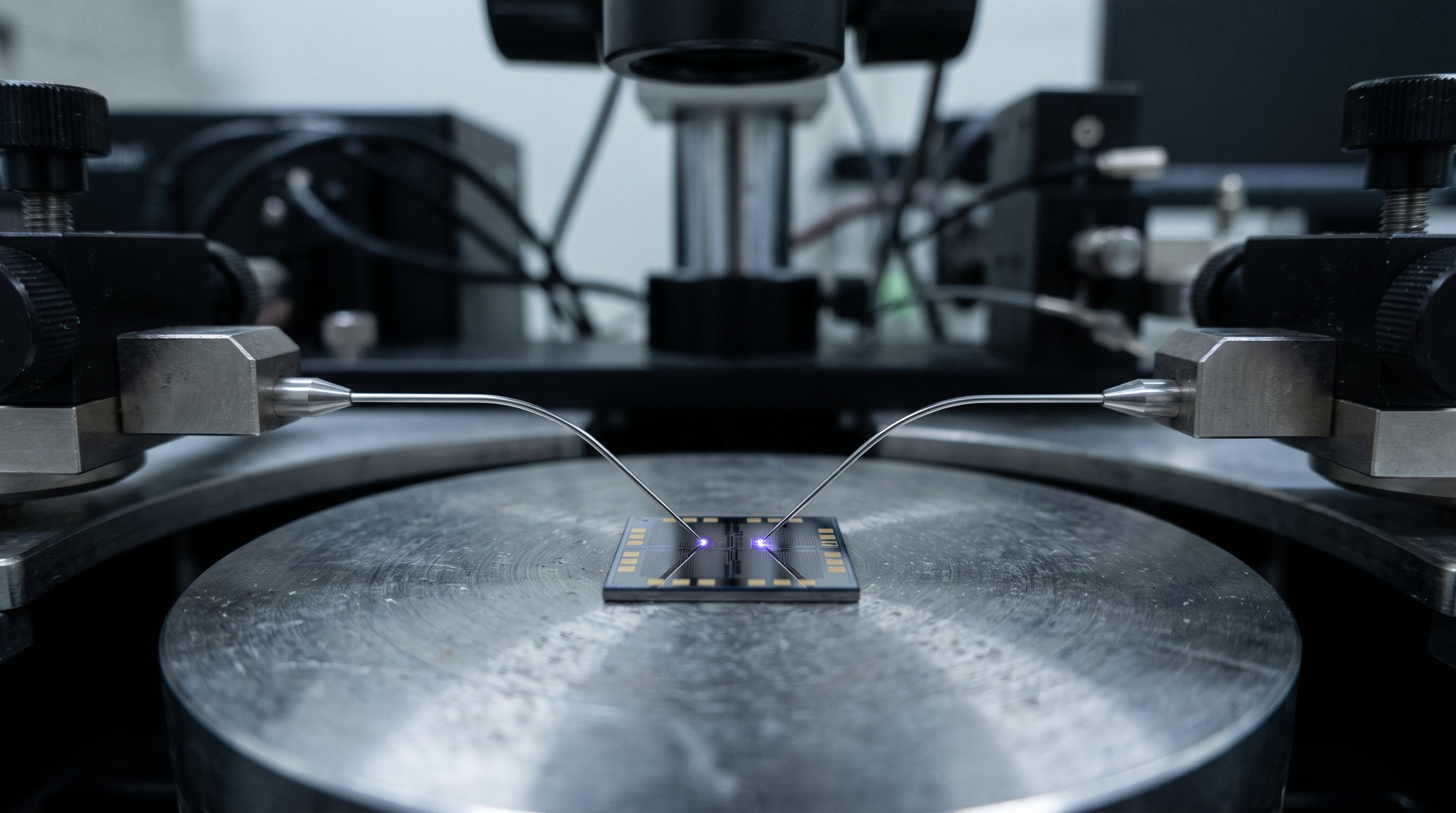
A team from Seoul National University has made a component for computer memory that switches reliably at just 0.6 volts. The research, led by Professor Min Hyuk Park, was carried out together with Hanyang University, the Pohang Accelerator Laboratory and Samsung Electronics. It was published in the journal Nature Communications; the university announced it on 4 November.
The problem: fast, efficient and long-lasting
The working memory of computers and phones (DRAM) stores each bit as a tiny amount of electric charge. That charge slowly leaks away, so the memory has to keep refreshing the data. This costs power, even when the computer is doing nothing. In AI servers and phones, this power use is a major bottleneck, the university writes.
Ferroelectric memory works differently. In the material, the electric charge points one way or the other, and that state is kept without any extra power. Far less refreshing is then needed. Until now, the difficulty was that switching faster needs a higher voltage, and a higher voltage wears out the material faster. Researchers call this the dilemma between speed and lifetime.
What the team did
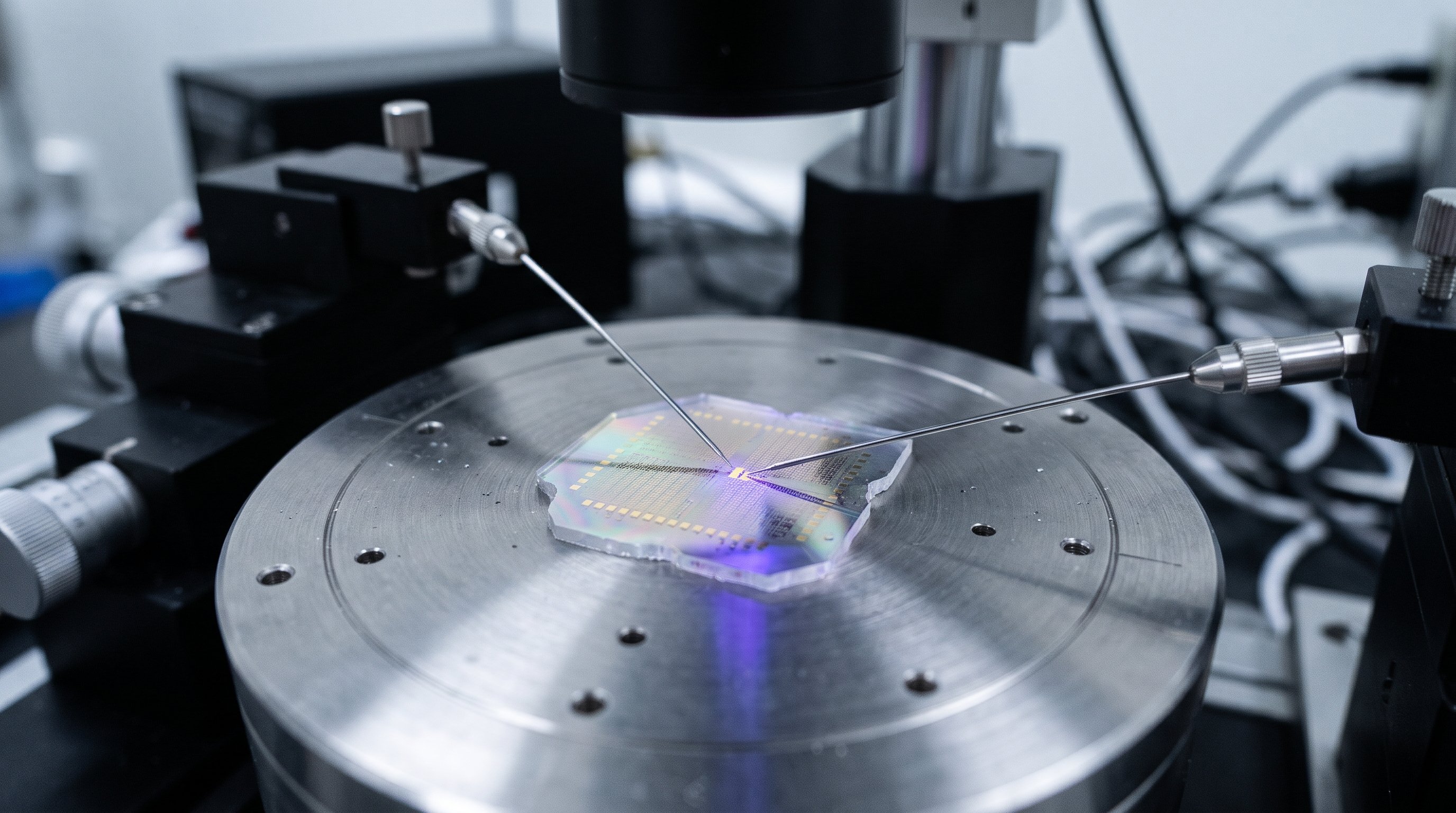
The component is a layer 5 nanometres thick, about 20,000 times thinner than a sheet of paper. It consists of hafnium zirconium oxide between two electrodes of titanium nitride. The team built the junction between electrode and material so that less voltage is lost there. As a result, less voltage is needed from outside to switch the component.
At 0.6 volts, half of the material switched in about 42 billionths of a second, and at 1 volt in about 8 billionths of a second. After a trillion switches, the component had not broken down. Using a stricter measure, in which the component may lose less than a fifth of its signal, it lasted 600 billion switches at 0.6 volts and a trillion at 1 volt. According to the researchers, this combination of low voltage, speed and lifetime is the best so far.
One striking finding: an electric field inside the material that is normally bad for keeping data actually helped at the start of switching. This meant less voltage was needed from outside.
From lab component to memory chip
The team also proposes a design for a memory chip that resembles that of ordinary DRAM, with one transistor and one such component per memory cell. In computer simulations, this design worked. From their measurements, the researchers calculate that a component as small as those in real DRAM chips could even switch within a billionth of a second. That is a calculation; the next step is to actually build and test such small components.
One advantage for chip factories: hafnium oxide and zirconium oxide are already used in making chips. This makes the material a good fit for existing production, according to the researchers. The research was funded by the South Korean Ministry of Science and ICT, through the national research foundation, and in part by Samsung Electronics.
What does this mean for the road to the singularity?
AI servers need more and more fast memory, and that memory uses power. Memory that holds data without constant refreshing can reduce that use, in data centres and in phones. This component shows that low voltage, speed and a long lifetime can go together, in a material the chip industry already knows. The next step is to show that it also works in real memory chips. If that succeeds, efficient computing power for ever larger AI systems comes a step closer.
What is the technological singularity? Read the explanation →