Nederlands
Breakthrough in hepatitis B: first medicine that lets 1 in 5 patients stop taking pills
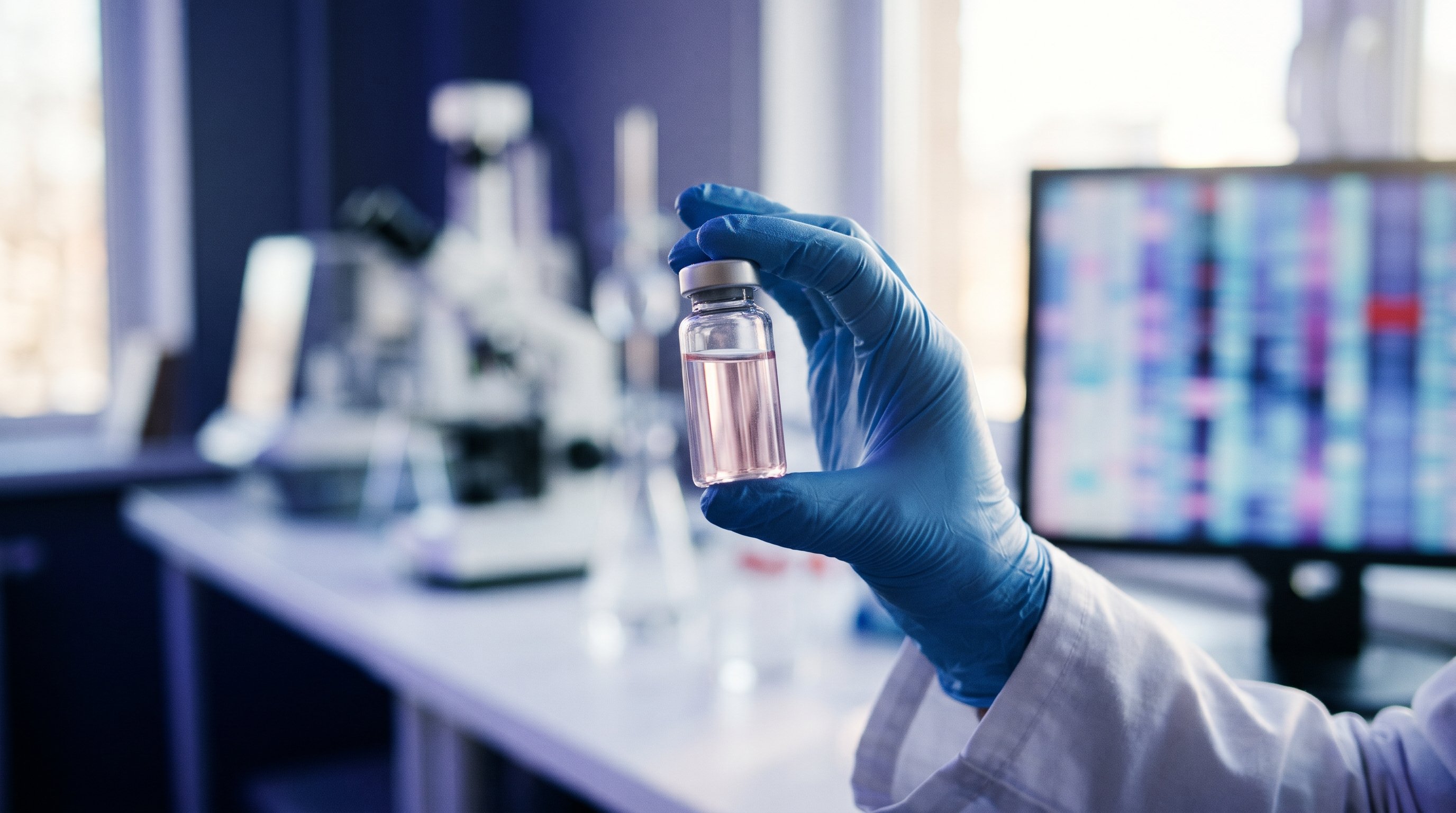
In the United States, a medicine has now been approved that can 'functionally' cure chronic hepatitis B in some patients. After six months of injections, the virus stayed under control in about 1 in 5 participants, even when they stopped all medication.

People with chronic hepatitis B often take medicine for the rest of their lives. Those pills hold back the virus well, but they almost never get rid of it completely. If someone stops, the virus usually comes back. Worldwide, more than 240 million people live with this liver infection. It is one of the main causes of liver cancer.
On 20 October 2026, the American medicines regulator FDA approved a medicine that could change this. It is called Hibsago (active substance: bepirovirsen) and comes from the pharmaceutical company GSK, which developed it with the American biotech company Ionis. Japan went first in August: it was the first country in the world to approve the medicine. In about 1 in 5 patients in the large studies, the virus stayed under control, even six months after they had stopped all treatment.
What is a 'functional cure'?
Doctors speak of a functional cure when there is so little genetic material of the virus in the blood that it can no longer be measured, and no protein from the outside of the virus can be found either. This has to stay that way for at least 24 weeks after the patient has stopped all medication. The immune system then keeps the virus in check by itself.
This does not necessarily mean the virus has disappeared from the body completely. How long the effect lasts is being followed further. For patients it means: no more daily pills, as long as the check-ups stay good.
How the medicine works
Bepirovirsen is a new kind of medicine against hepatitis B. It is a short piece of artificial genetic material that fits exactly onto the 'building instructions' that the virus leaves behind in liver cells. As a result, the cell makes less virus material and less of the protein with which the virus misleads the immune system. According to GSK, the medicine can also give the immune system a boost.
The treatment lasts six months, alongside the usual medicines against the virus. In the studies, patients received a dose under the skin every week; each dose consists of two small injections. After the first time, patients can inject themselves at home.
The results
The approval is based on two large studies, B-Well 1 and B-Well 2, in 29 countries. In these, more than 1,800 adults without liver cirrhosis (a scarred liver) received the medicine or a placebo. The results appeared earlier this year in the journal The New England Journal of Medicine.
- 233 of the 1,220 people who received the medicine (19 per cent) reached a functional cure. In the placebo group it was 0 of 614.
- In people with little virus protein in their blood, it was higher: 200 of 768 (26 per cent). According to GSK, about 45 per cent of people with diagnosed chronic hepatitis B belong to that group.
- Almost a quarter of the participants who received the medicine could then stop taking the usual medicines. In the placebo group, nobody managed that.
For comparison: with the current standard treatment, fewer than 1 per cent of patients reach such a cure after a year, according to GSK.
Who is it for, and what should doctors watch out for?
In the United States, the medicine is meant for adults without liver cirrhosis who have been taking medicine against the virus for at least six months, whose virus is well suppressed and in whom the amount of virus protein in the blood is low enough. This is measured with a special blood test, which the FDA authorised at the same time.
The treatment requires good supervision. The FDA warns of temporary inflammation of the liver during treatment and of a sharp drop in blood platelets. Patients therefore have regular blood tests. The most common side effects are a red or painful spot where the injection was given, fever, tiredness and headache.
In Europe, the medicine has been under review by the European Medicines Agency EMA since March. In China, too, it is getting priority review. GSK expects more decisions in the coming months.
What does this mean for the road to the singularity?
For years, 'keeping it under control' was the best that could be achieved with chronic hepatitis B. That there is now a medicine with which some patients can stop treatment after six months is a real turning point. It also shows how powerful medicines based on genetic material have become: they can be aimed precisely at a single target.
AI could play a useful role here in the future. The question now is mainly who does and who does not respond well, and which combination with other medicines can raise the percentage further. AI models can oversee large amounts of patient data, virus characteristics and knowledge from different fields at the same time, and so predict faster which patient will benefit most from a treatment. In this way, the step from 1 in 5 to a much larger share of the 240 million patients can be taken sooner.
What is the technological singularity? Read the explanation →
Sources
- GSK: Hibsago (bepirovirsen) approved in the US
- HCPLive: FDA Approves Bepirovirsen for Chronic Hepatitis B
- New Atlas: Breakthrough hepatitis B drug offers 'functional cure' for first time
- NEJM: Phase 3 results of bepirovirsen treatment for chronic hepatitis B
- GSK: bepirovirsen in beoordeling bij de EMA (27 maart 2026)
- Pharmaceutical Technology: eerste goedkeuring in Japan
- Ionis: persbericht FDA-goedkeuring