Nederlands
Oklo's Groves-1 test reactor cleared to start research and training
The US Department of Energy has completed the final check for Groves-1, a small Oklo test reactor in Texas. The reactor may now run without restrictions for research, testing and staff training.
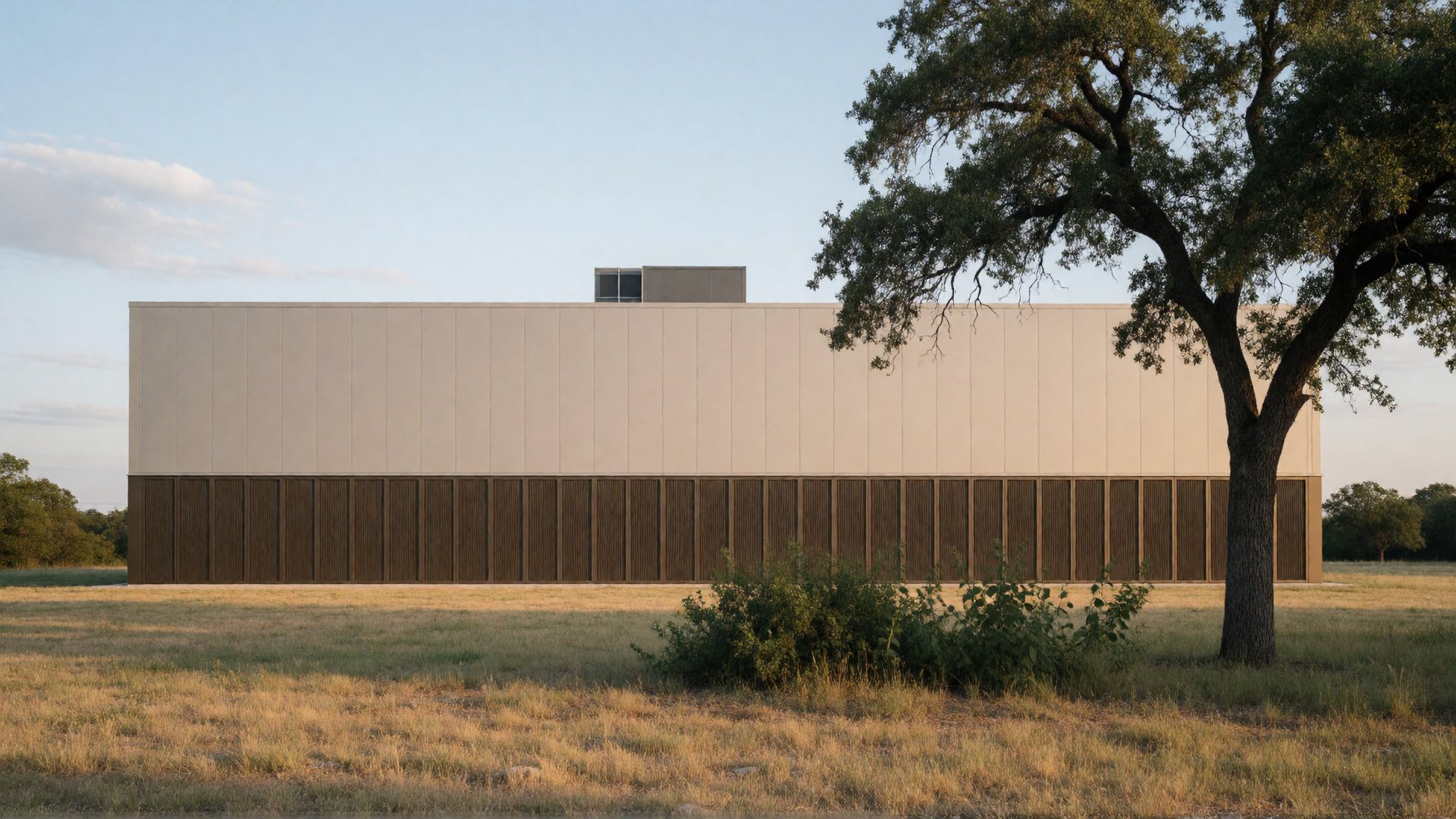
The American company Oklo may now use its Groves-1 test reactor freely. The US Department of Energy (DOE) has completed the final checkpoint, Oklo announced . Until now the reactor ran as a demonstration, to show that it can start up safely. Now the phase begins in which it is actually put to use for research, testing and training.
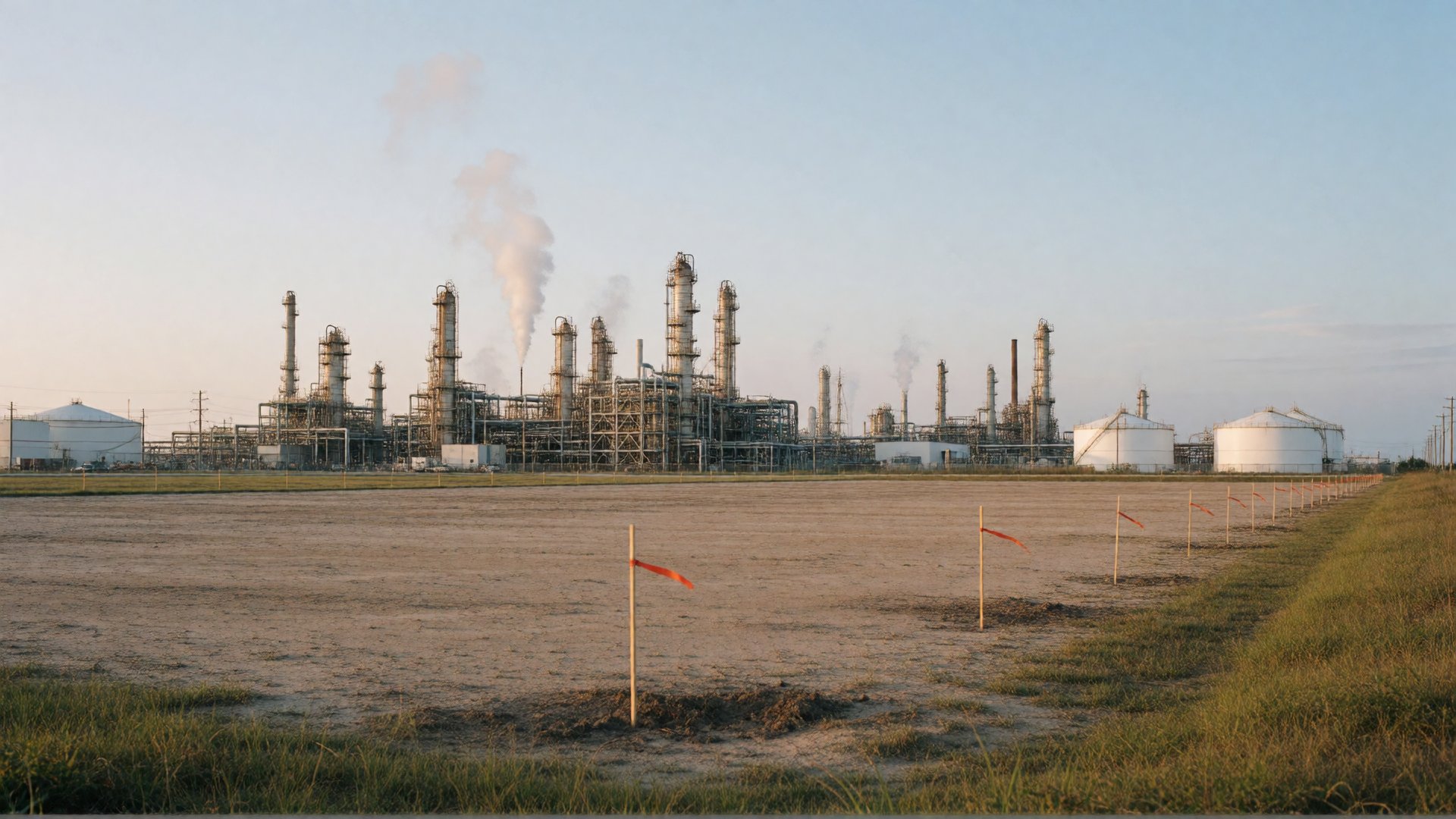
Groves-1, in full the Groves Isotope Test Reactor, stands near the small town of Lockhart in the US state of Texas. In August 2026 the reactor went critical for the first time: the state in which the chain reaction in the nuclear reactor keeps itself going. That happened at low power, less than a year after construction began. According to Oklo, it was the first reactor in the programme to achieve this on private land.
A faster route through the department
Groves-1 is part of the department's Reactor Pilot Program. In August 2025 the department selected eleven projects with new reactor designs for that programme. Under it, companies get permission from the department to build and test pilot reactors, so that new designs get off the drawing board faster. The mobile Kaleidos reactor from the company Radiant may also be tested at full power through the department. The difference: Kaleidos is meant to supply electricity later, while Groves-1 is a small test reactor for research.
What Oklo uses the reactor for
With Groves-1, Oklo wants to try out parts and working methods for later reactors. This concerns future reactors that make isotopes, and Aurora, the power plant Oklo wants to build. Isotopes are variants of a type of atom; some are radioactive and are used in hospitals, among other places. One example of what Oklo is testing is the drive of the control rods: the rods used to slow down or start the chain reaction. Oklo is looking at how well and how reliably that drive works.
During a recent start-up, the operators wore glasses that tracked what they looked at and for how long. Oklo wants to use this to make the control panels of future reactors fit better with how people work. The reactor also serves as a practice site for training staff. In addition, Oklo carries out precise measurements of the chain reaction there. According to the company, these measurements can also help ordinary nuclear power plants, for example to make better use of their fuel and produce more electricity.
The experience should also help with Groves-2 Forge, a planned Oklo pilot plant that makes and processes isotopes. The department has chosen that project for its Nuclear Energy Launch Pad, a programme that helps companies develop new nuclear technology quickly. Oklo is first focusing on lutetium-177, a radioactive substance doctors use to treat cancer with targeted radiation from inside the body.
For commercial reactors, the US nuclear regulator NRC still issues the licences. In October 2026 the NRC adopted a rule that allows companies to use analyses and test data from the pilot programmes of the Department of Energy or the Department of War in their licence applications. The NRC still assesses safety itself.
What does this mean for the road to the singularity?
A new reactor design on paper is not yet a power plant. In between lie years of testing, training people and applying for licences. Now a company can first build a small pilot reactor, learn from it, and then take that data to the regulator. In this way every step produces knowledge for the next one, instead of every company starting from zero.
If this approach catches on, it becomes attractive for other companies to test their design early in a pilot reactor as well: those who do not will fall behind when it comes to the licence. This way, new nuclear power plants can move faster from design to the grid. That matters, because data centres, factories and, soon, robots need electricity that is available day and night. And the same kind of reactor can at the same time provide more radioactive substances for treating cancer.
What is the technological singularity? Read the explanation →