Nederlands
SpaceX wants to build its own gas power station for AI computing centre in Texas
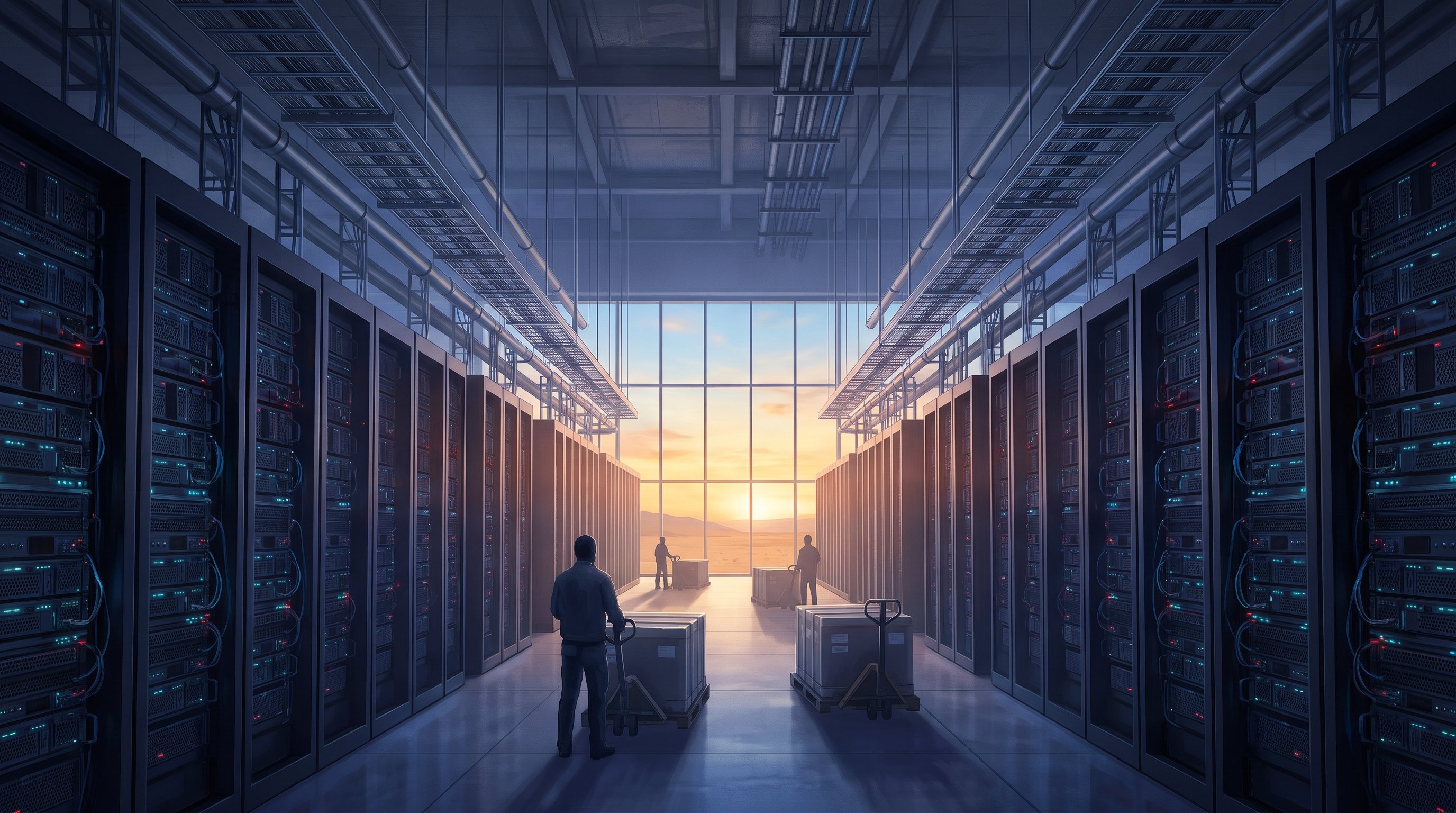
SpaceX wants to build a large AI computing centre near Starbase in Texas, with its own gas-fired power station of about 750 megawatts. That way it does not have to wait for power from the grid. The town will discuss the plan on 9 December.
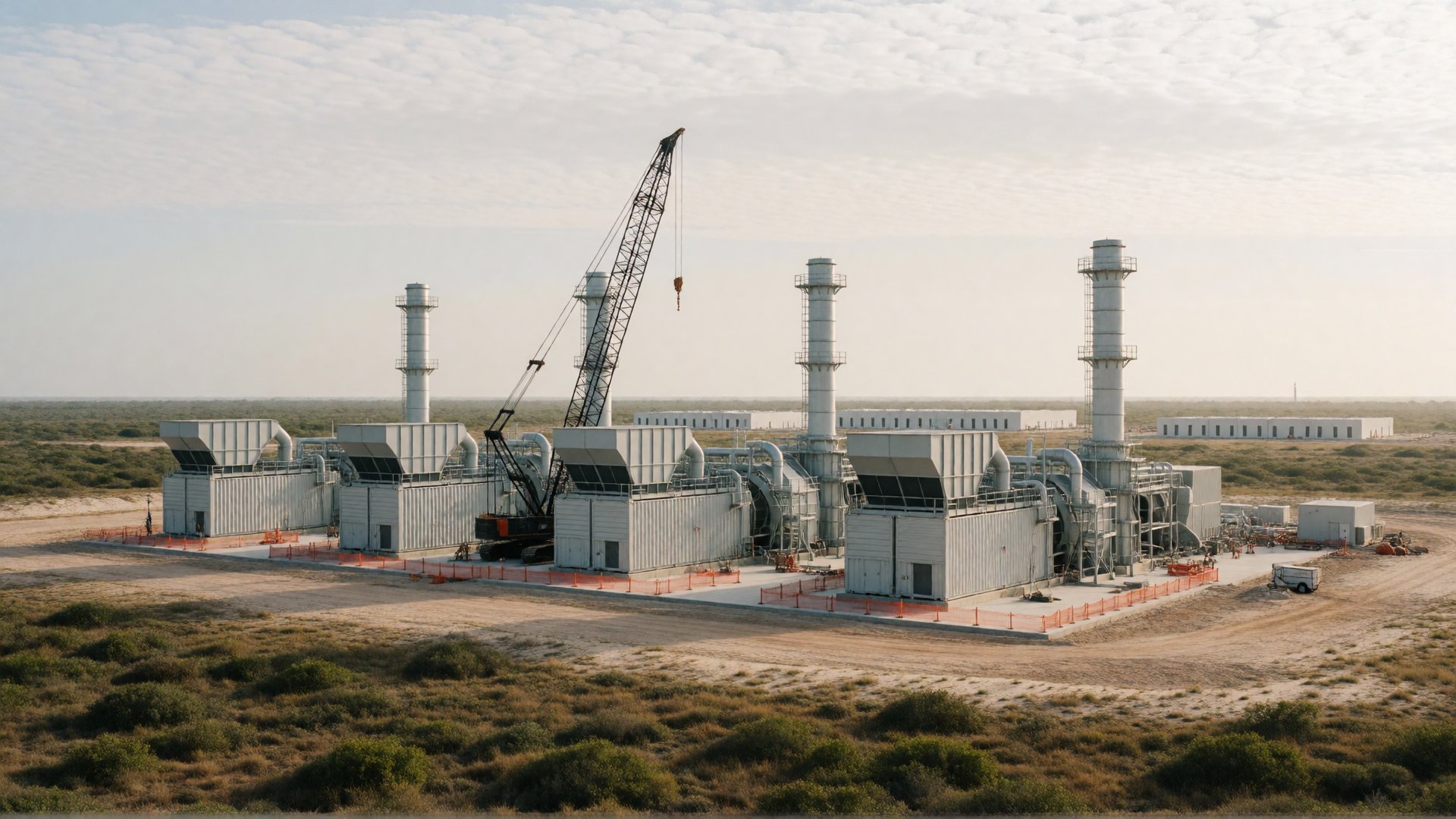
SpaceX, Elon Musk's space company, wants to build a large AI computing centre in the south of Texas, with its own gas-fired power station next to it. This is clear from an announcement by the town of Starbase, the community around SpaceX's launch site. The first phases are estimated to cost 24 billion dollars. Later the project could grow further.
According to reports, the power station is to produce about 750 megawatts. A megawatt is the measure of how much electricity a power station can generate at one time. The site of about 180 hectares lies near the Port of Brownsville. SpaceX wants to build, own and run the power station and the computing centre itself.
Its own power instead of waiting
The data centre is to generate all its electricity itself and draw nothing from the public grid. This way SpaceX avoids a major bottleneck. The power grid in Texas is busy: in August 2026, Governor Greg Abbott had the grid operators temporarily pause new connection requests from data centres, so that they could be assessed first.
According to SpaceX, the centre will train advanced AI systems, including for medical research, help in emergencies and factory work. The company also wants to test technology there for computers that are later to run in space. SpaceX says the project has already created more than 3,000 construction jobs, and will create about 500 permanent jobs.
Hearing and local concerns
On 9 December 2026, the Starbase town council will hold a hearing, a public meeting where anyone can give their opinion, on a tax break for the project. Nothing has been decided on this yet.
The site used to belong to the city of Brownsville. At SpaceX's request, Brownsville gave it up this year, and Starbase took it over. Brownsville had just introduced a temporary stop on new data centres, and the project now falls outside it. In return, SpaceX is paying 220 million dollars for water and sewage projects in Brownsville, 40 million of which has already been transferred.
A regional environmental group has announced a protest. It is worried about air pollution, water use and higher energy bills. Other residents mainly see new jobs.
What does this mean for the road to the singularity?
For anyone who wants to build computing power quickly, a connection to the power grid is more and more often the slowest step. SpaceX removes that step by simply putting the power station next to the computers itself. It is a race in which nobody wants to fall behind: whoever waits for the grid sees a competitor finish first. The company also has plans for an even larger campus in Arizona, so this does not seem to be a one-off choice.
If that trend continues, large AI builders will also become energy companies. For now that mainly means gas, because it is quick to build. But a company that builds its own power station anyway can later also choose cleaner sources that are still expensive or new today, such as small nuclear power stations or storage on a large scale. If that switch succeeds, the hunger for computing power will actually push the energy of the future forward. The concerns of local residents about air and water must be taken seriously along the way.
What is the technological singularity? Read the explanation →