Nederlands
Large perovskite solar panel turns 19.6 per cent of sunlight into electricity
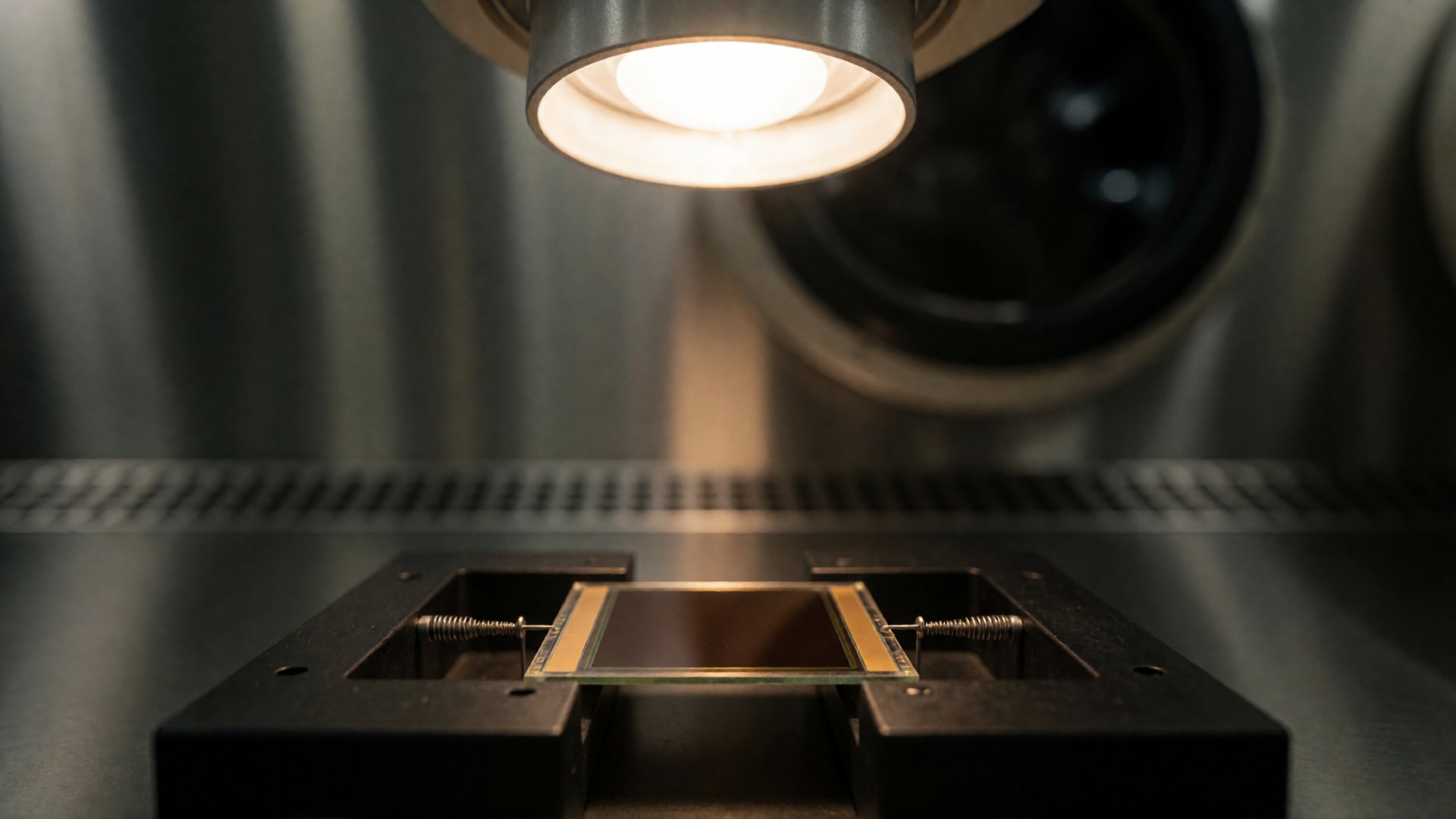
China's UtmoLight and Australia's University of New South Wales made a 2.81 square metre perovskite solar panel that turns 19.6 per cent of sunlight into electricity. Germany's Fraunhofer ISE confirmed the measurement. A step from lab cell to full-size panel.
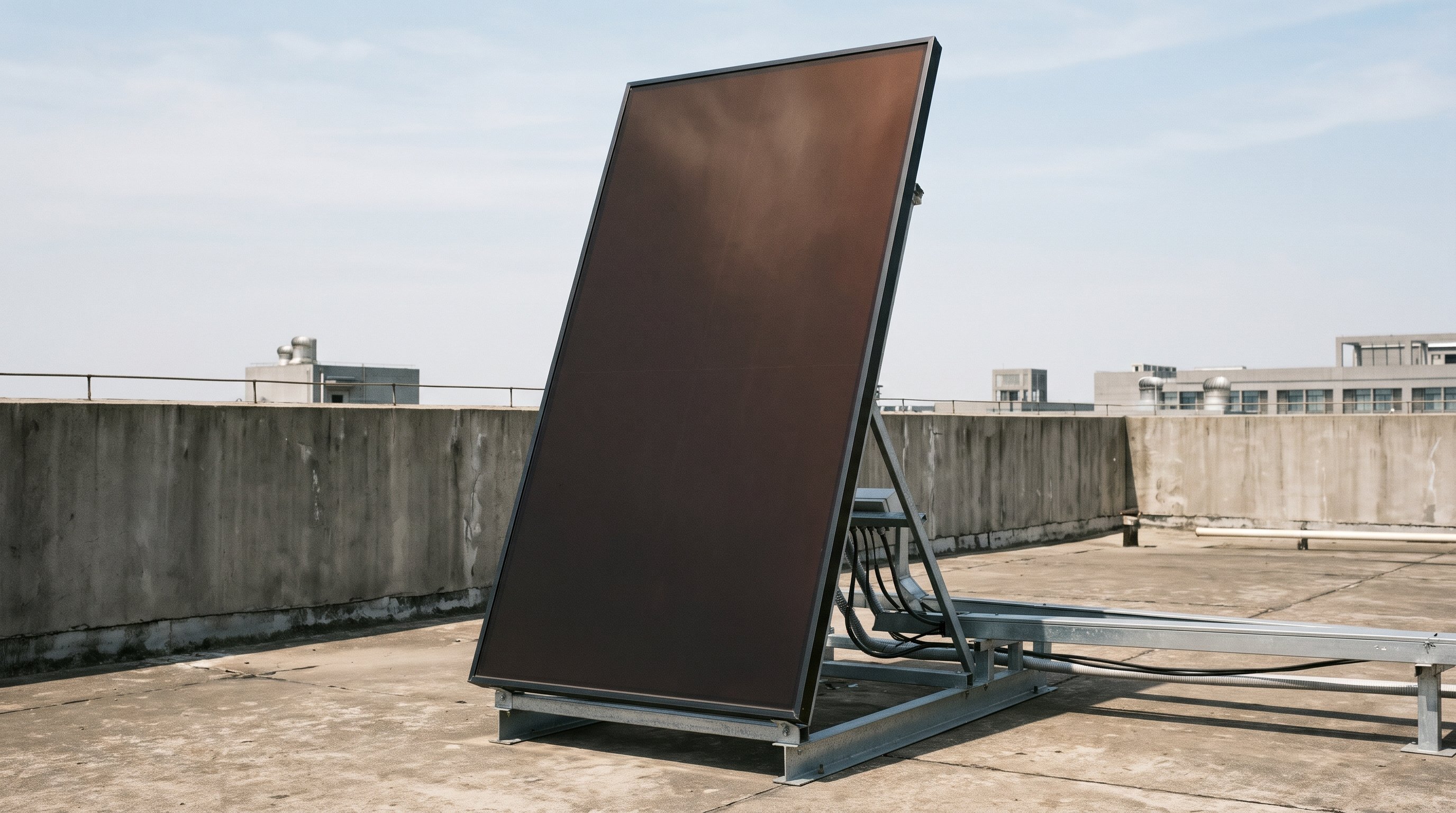
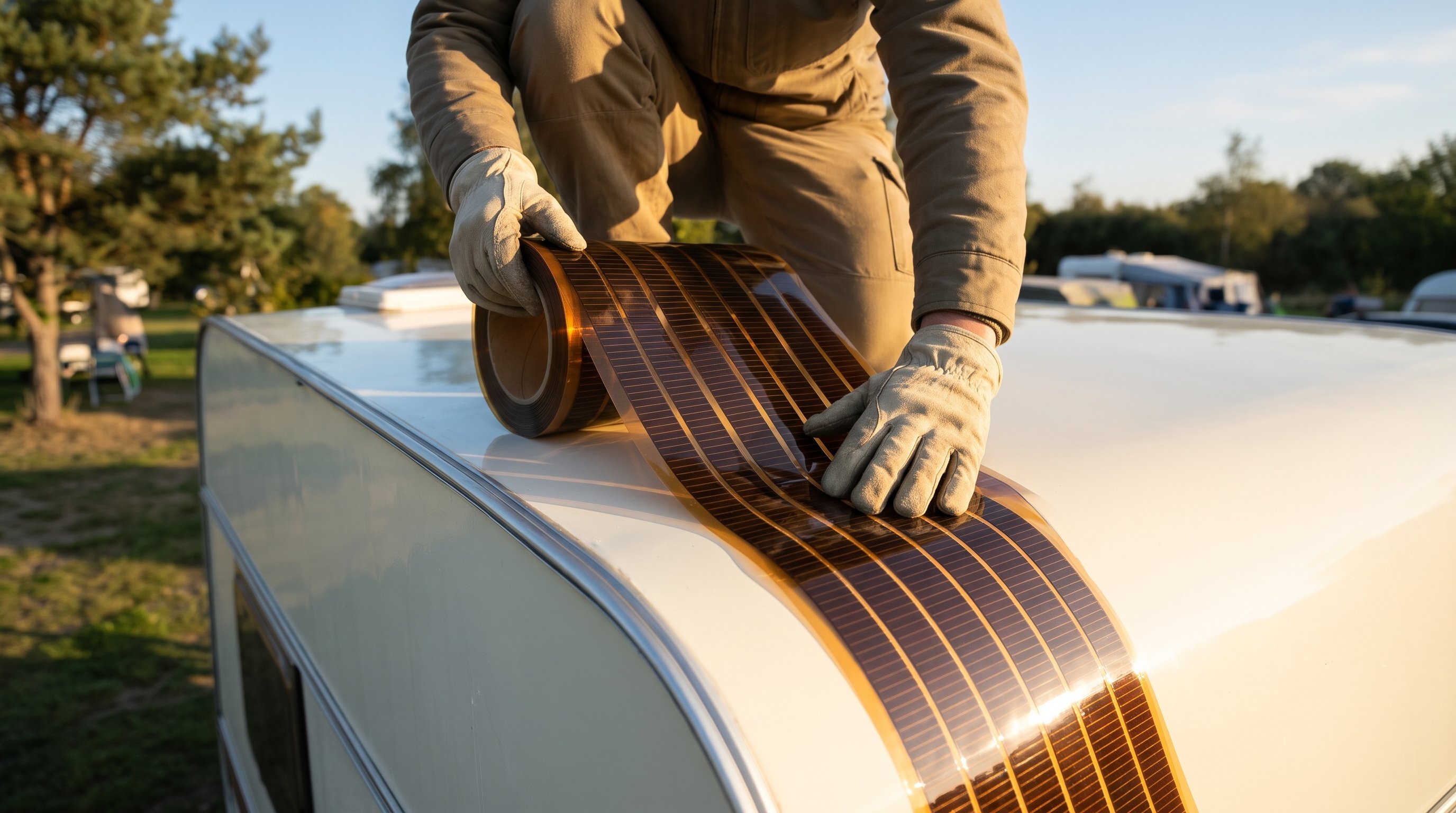
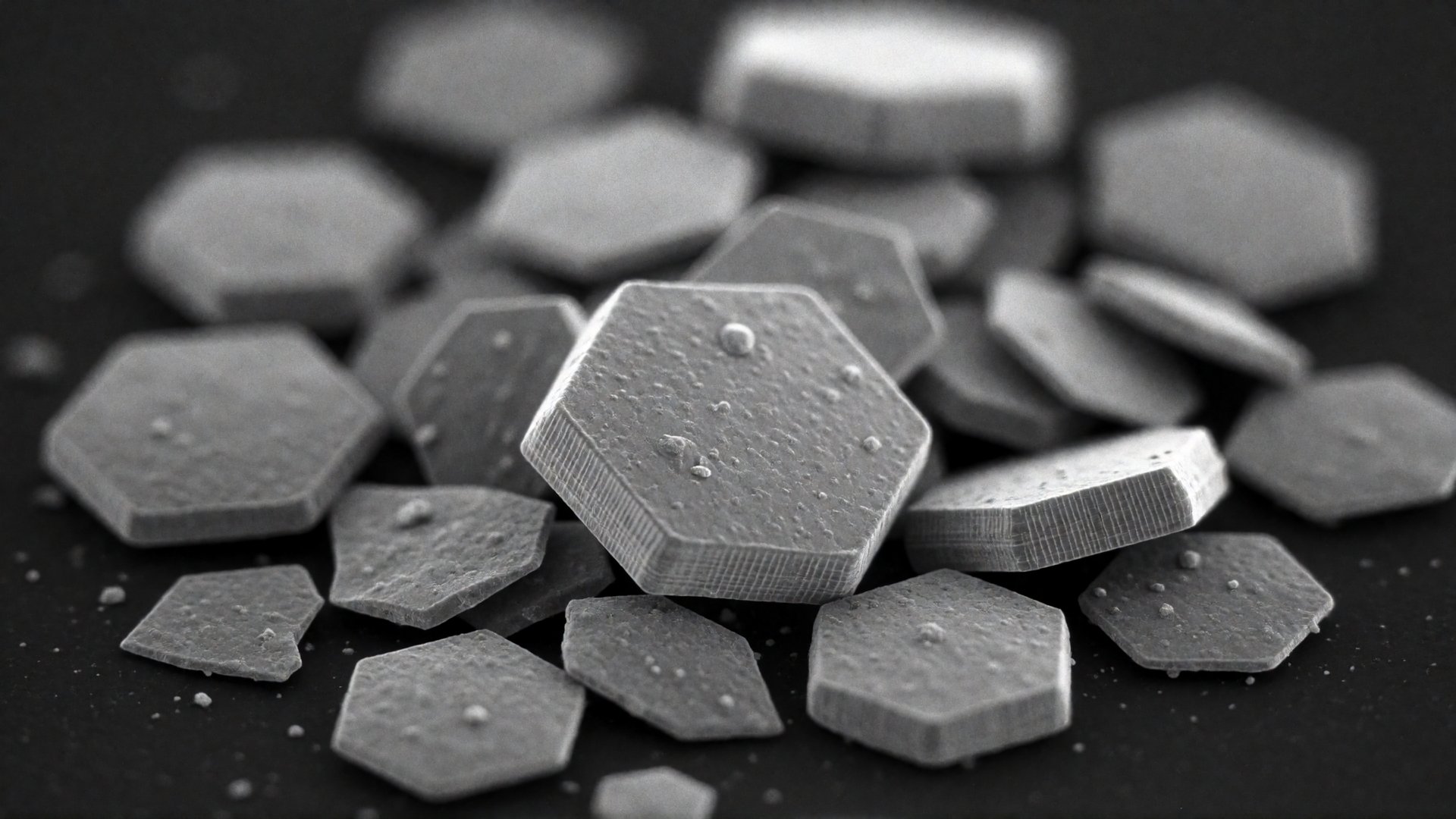
Perovskite is a type of crystal that turns sunlight into electricity. It is applied as a very thin layer. Small lab cells made of perovskite already reach high efficiencies: they turn a large part of the sunlight that falls on them into electricity. The hard part is keeping that up on a panel of normal size.
Progress is now being made. The Chinese company UtmoLight and researchers at the University of New South Wales (UNSW) in Australia made a panel of 2.81 square metres. It turns 19.6 per cent of sunlight into electricity, almost one fifth. Under the fixed light and temperature conditions used to compare panels, it delivers about 551 watts.
Fraunhofer ISE, a German research institute for solar energy, checked the panel. The institute ran the panel at its highest power for five minutes in a row. During that time, the efficiency varied by no more than 0.1 per cent. According to UtmoLight, this is a world record for perovskite panels of this size. The company says the panel comes from its factory in Wuxi, China, which has been making panels in large numbers since February 2025.
From lab cell to panel
The bigger a panel, the harder it is to keep its efficiency high. The thin layer of perovskite must be equally thick across the whole surface and form crystals in the same way everywhere. The connections between the strips of the panel and the transitions between the layers must also work well. Every small flaw costs electricity.
UtmoLight is making fast progress here. In May 2025, a 2.82 square metre panel reached 17.04 per cent. So the new panel converts 2.56 percentage points more of the sunlight. That is about 15 per cent more electricity from the same area. Earlier in 2026, UtmoLight and UNSW had already reached 23.5 per cent with a smaller test panel of 30 by 30 centimetres. The company aims for 20 per cent in mass production.
In the lab, progress is even faster. A double lab cell, in which a layer of perovskite and a second layer each capture part of the light, turned 31.1 per cent of sunlight into electricity. UtmoLight's panel shows how much of such gains remains after scaling up to the size of a rooftop panel. Longer tests will show how long the panel keeps its efficiency in sun, heat and moisture.
What does this mean for the road to the singularity?
Solar panels already supply electricity on a large scale, almost all of them with silicon cells. Perovskite is a strong candidate to join them. What this news shifts is the gap between the record in the lab and the panel from the factory: that gap is getting smaller. If one manufacturer reaches almost 20 per cent on a panel of normal size, other makers of perovskite panels will have to follow. Otherwise customers will buy their panels elsewhere.
If that trend continues and the panels also last for years, every roof will produce more electricity. That makes solar power cheaper for households and businesses. Data centres for AI also need more and more electricity. Cheaper solar power makes it easier to keep up with that growth without raising energy bills for everyone.
What is the technological singularity? Read the explanation →