Nederlands
Russian fast reactor runs on fuel made from its own spent fuel
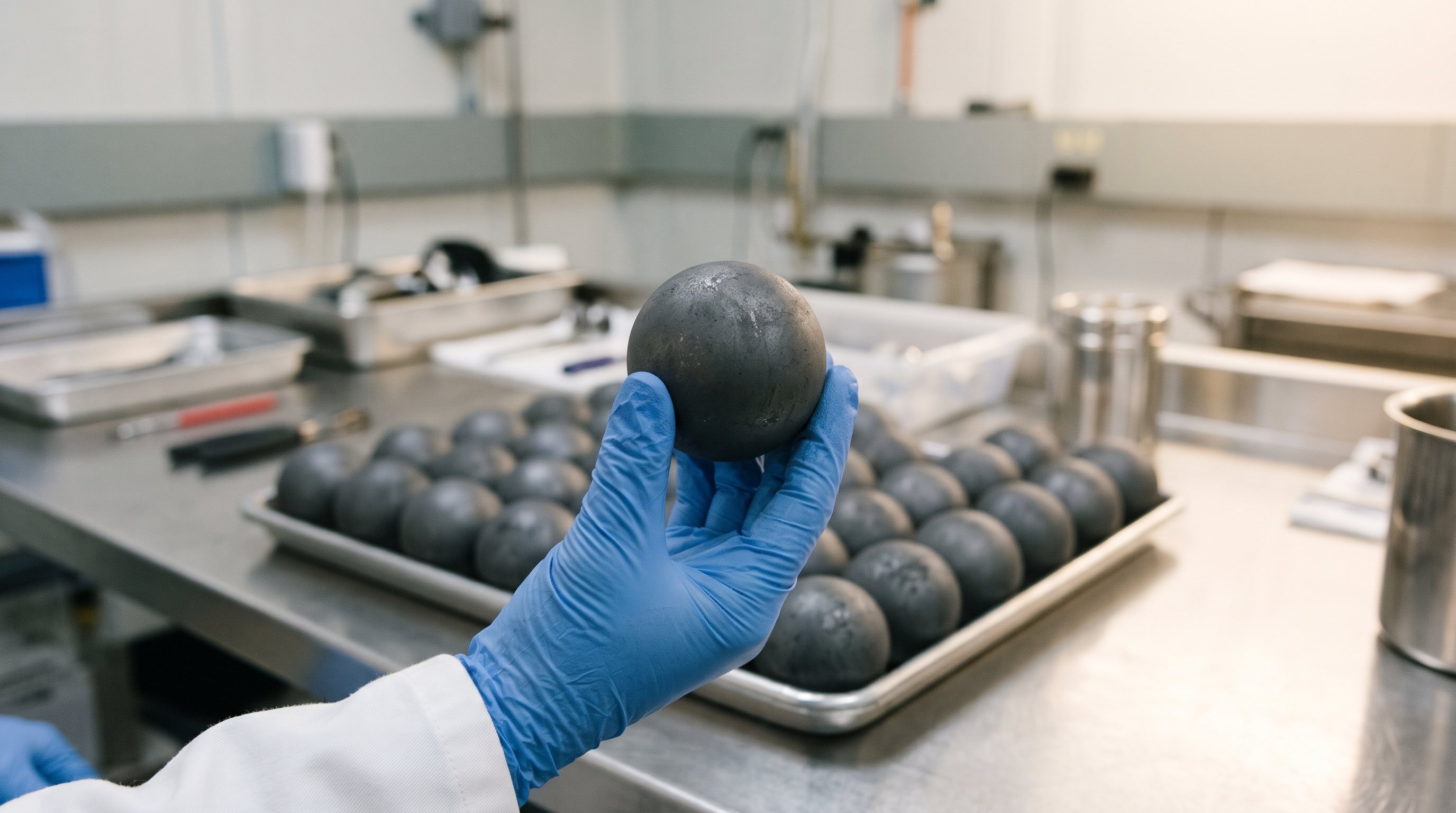
Rosatom is testing new fuel in the BN-800 reactor with plutonium taken from spent fuel of that same reactor. According to the Russian state company, it is the first time in the world that this has been done within a single industrial reactor.
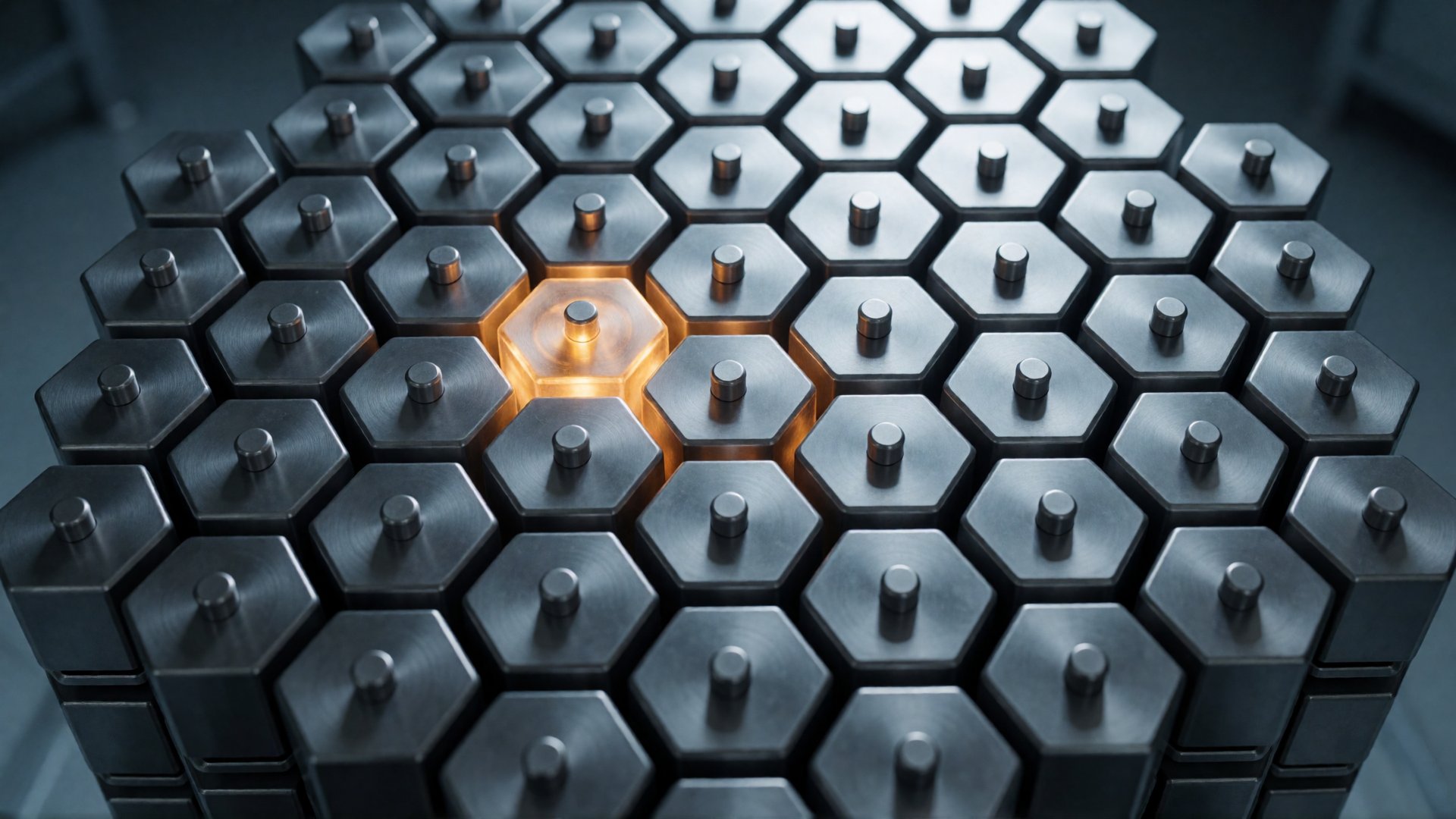
A nuclear power station uses up only a small part of its fuel. What comes out of the reactor after a few years is radioactive, but it still contains useful material. Part of the uranium has turned into plutonium inside the reactor. That plutonium can in turn serve as fuel.
Rosatom, the Russian state nuclear energy company, has now done this for the second time in the same reactor. The company announced this on 25 November 2026. In the BN-800, reactor 4 of the Beloyarsk nuclear power station, a test assembly with new nuclear fuel has been running since then: the fuel rods in which atomic nuclei split and so give off heat. The plutonium in it comes from fuel that had already completed a full cycle in that same reactor. According to Rosatom, it is the first time in the world that fuel has been recycled again within a single industrial reactor. The company has not said how much fuel was loaded or from which day.
A reactor that can make good use of plutonium
The new fuel is a mixture of plutonium and uranium. In an ordinary nuclear power station, the neutrons are slowed down. These are the particles that keep the splitting of atomic nuclei going. The BN-800 is a fast reactor: it keeps the neutrons fast. This way it can also split plutonium that is hard to use in an ordinary power station. Water would slow the neutrons down. That is why the BN-800 is cooled with liquid sodium, a metal that is liquid at that temperature.
The reactor produces about 820 megawatts of electricity. It has been in regular operation since 31 October 2016. Since September 2022 it has run entirely on this mixed fuel. The fuel is made in the Russian city of Zheleznogorsk.
Spent fuel from ordinary power stations had already been processed and used in a fast reactor before. A second round in the same reactor had not been done yet. For the new assembly, Rosatom used an improved way of recovering the plutonium, with fewer processing steps. According to the company, the fuel stays just as good and recycling becomes cheaper as a result.
A closed loop
If fuel can go round again and again, this is called a closed fuel cycle. According to Rosatom, it needs less new uranium and leaves less radioactive waste. Rosatom's director general Alexey Likhachev says the idea has now moved from theory to practice. He sees it as preparation for the BN-1200M, a larger fast reactor that he says should be in operation within ten years.
All results come from Rosatom itself. So far it is a single test assembly. The next step is to show that the fuel keeps behaving well after several rounds, and that this can be done on a large scale and at an affordable cost.
What does this mean for the road to the singularity?
Data centres for AI need more and more electricity, and nuclear power stations supply it day and night. So far, nuclear energy depends on uranium that has to be mined. If fuel can go round several times, much more energy can be drawn from the same uranium. Then the limit is no longer the supply of uranium, but how fast countries can build reactors and plants for recovering fuel.
That also changes the balance of power. A country that controls the whole loop can offer power stations with fuel and waste processing included. Other countries then have to invest in fast reactors themselves, or become dependent on those who can. If it works out, a lot of reliable electricity is added without the pile of waste growing just as fast. Working with plutonium does require strict oversight, because it can also be used for weapons. The better that control is organised, the more of this electricity can power the computing behind AI in the future.
What is the technological singularity? Read the explanation →