Nederlands
Different stacking of atoms slows voltage loss in a powerful battery material
Researchers at Seoul National University stacked the atomic layers of a battery material that stores a lot of energy in a different way. In lab tests, it kept more than 98 per cent of its voltage after 100 charges.
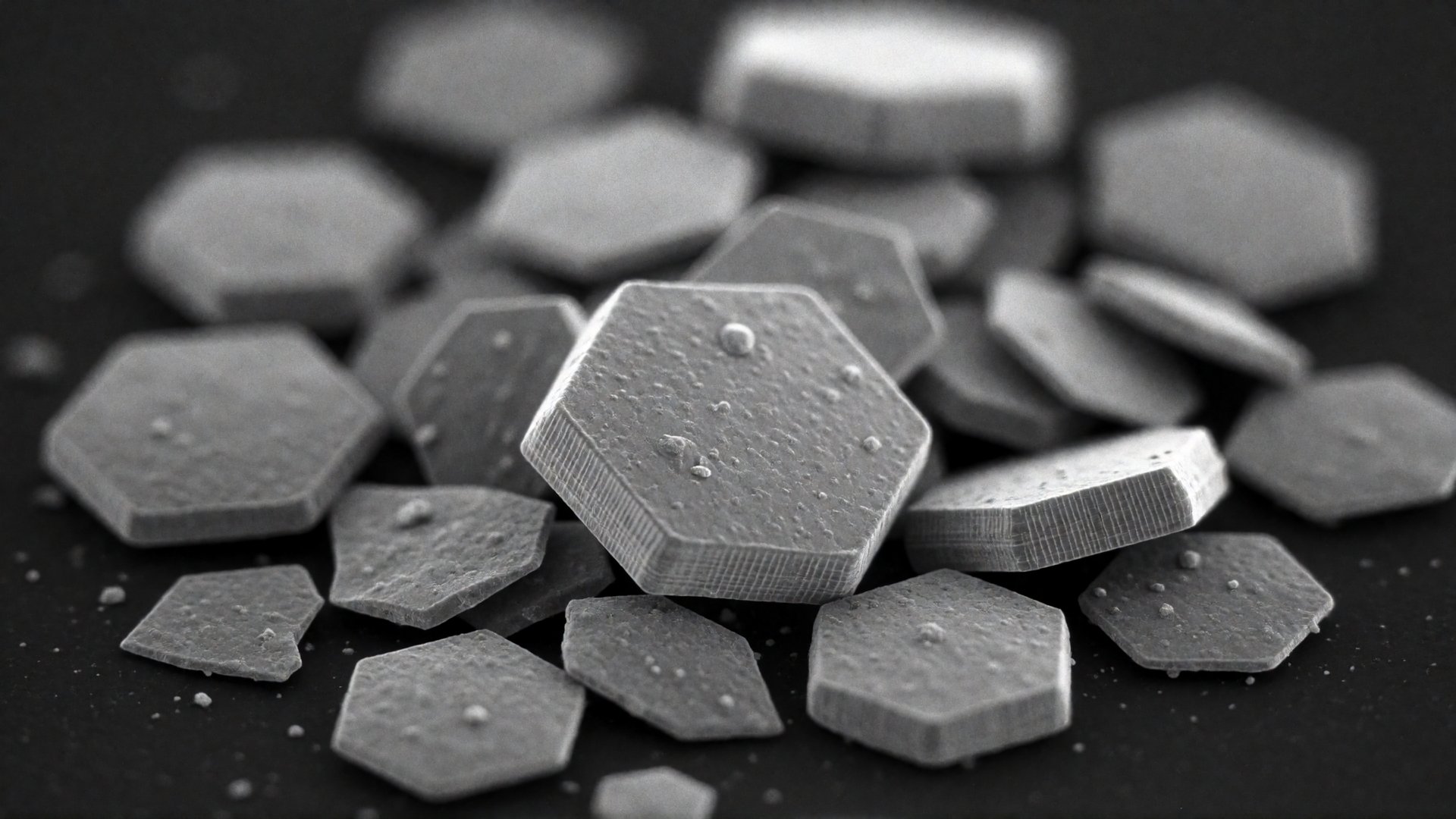
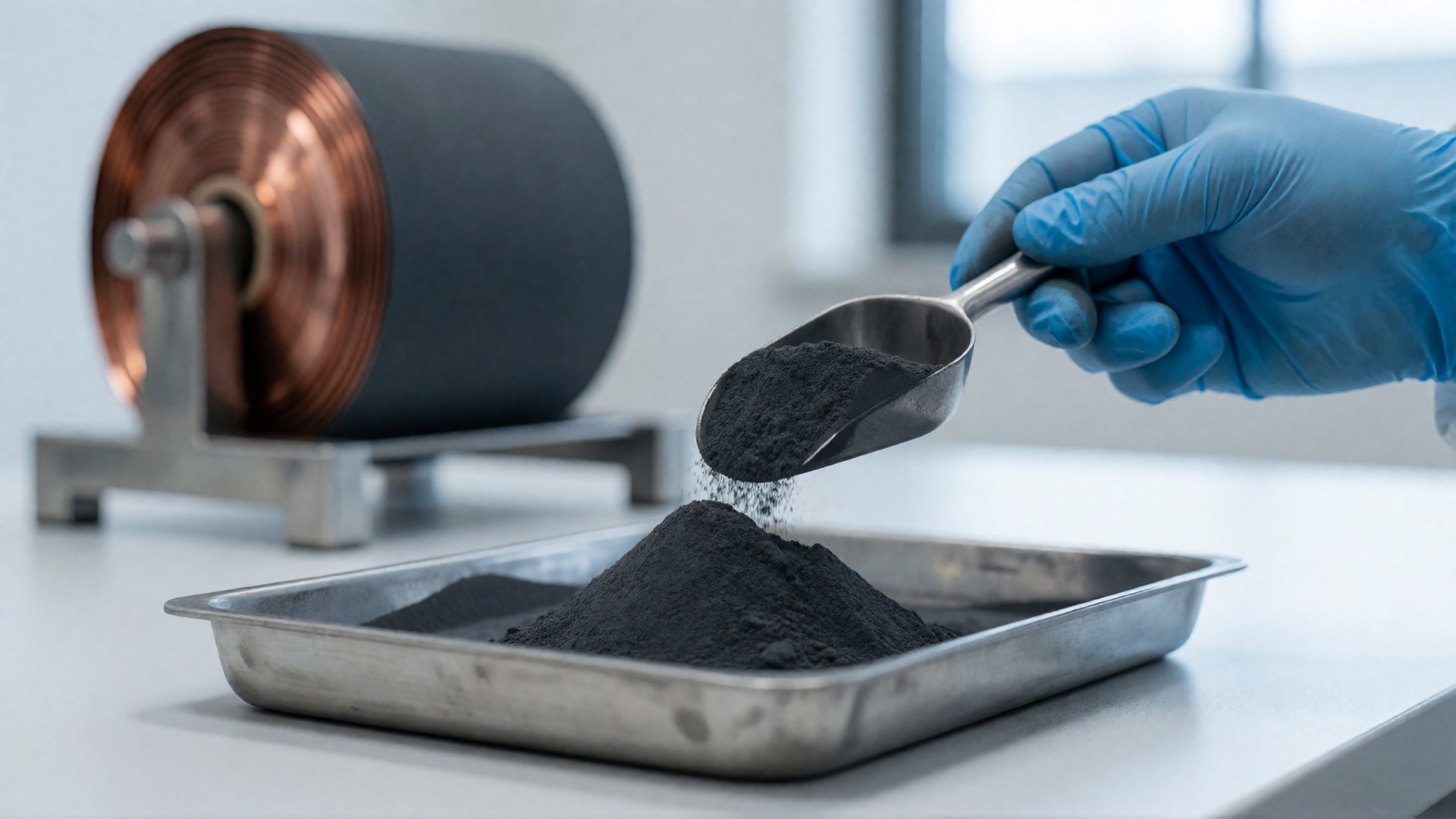
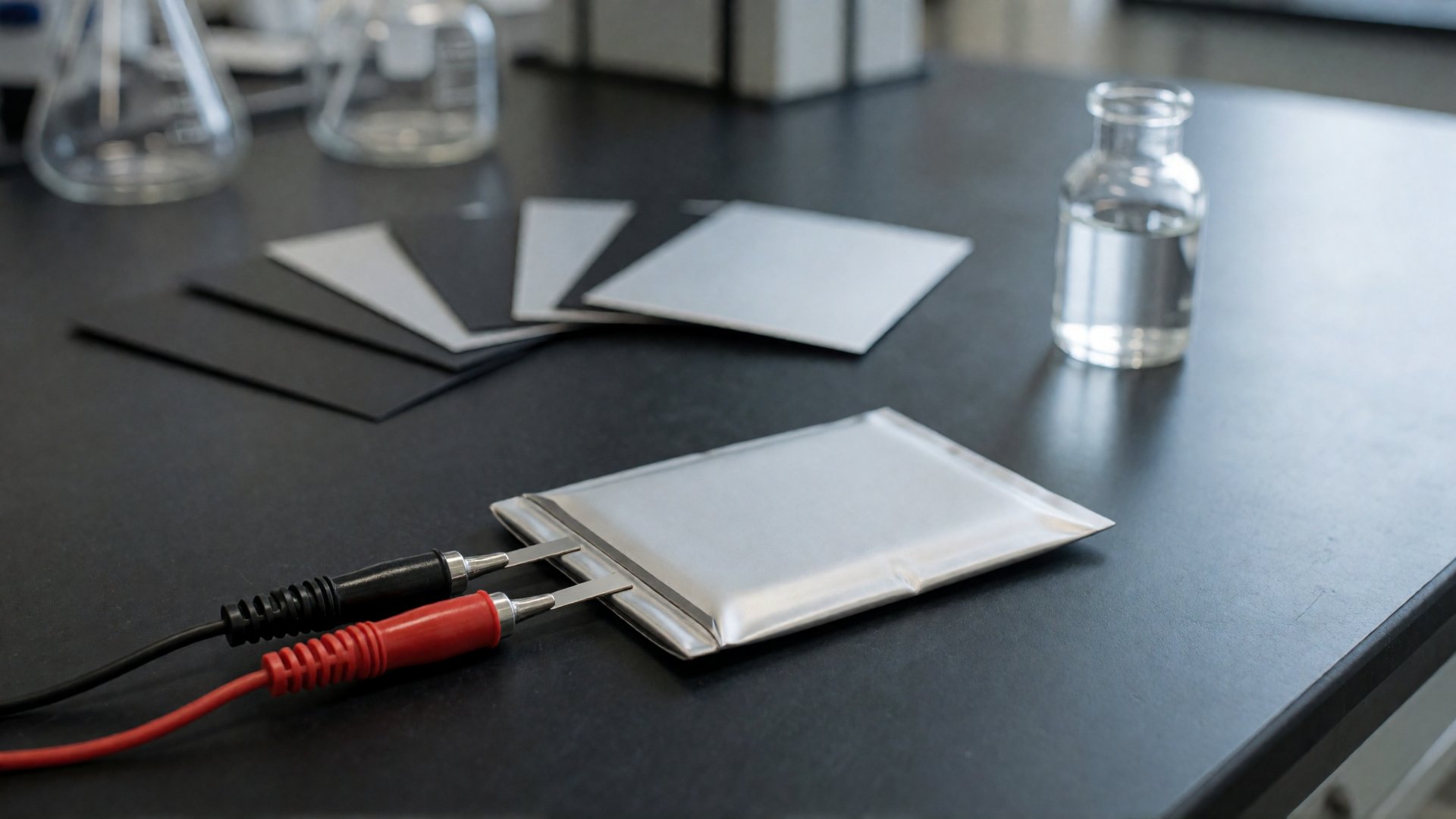
A battery that stores more energy per kilogram lets an electric car drive further on one charge. A promising route towards that is a cathode made of so-called lithium-rich material. The cathode is the positive side of the battery. The drawback of this material: every time it is charged and discharged, the voltage drops a little. So does the amount of energy the battery can deliver.
Researchers at Seoul National University in South Korea have found a way to largely slow down that decline. The team is led by Kisuk Kang, a professor of materials science. The work was published in the scientific journal Nature Sustainability.
Why the voltage drops
Lithium-rich material stores extra energy because not only metals such as nickel take part in storing charge, but oxygen as well. That comes at a price. During charging, metal atoms in the material sometimes move to a different place, and they do not always come back. Oxygen atoms also sometimes bind to each other in pairs. With every charge, the structure of the material becomes a little more disordered. As a result, the voltage drops.
Researchers previously tried to prevent this with a protective coating or with extra elements. It was difficult to let the oxygen take part fully and keep the structure intact at the same time.
A different stacking of layers
The material consists of thin layers of atoms, stacked like sheets of paper. These layers can lie on top of each other in different ways. The researchers studied a stacking that combines two known forms in one crystal. Specialists call it O6.
In this stacking, a metal atom that tends to move away is pushed back more strongly by the metal atoms around it. As a result, it moves less often to a place from which it is hard to return. During discharging, it returns more easily to its old place. The oxygen atoms also bind to each other less readily. The researchers saw this with electron microscopes, X-ray measurements and simulations of the atoms on a computer.
In charging tests in the lab, one gram of a typical O6 material stored 277 milliampere-hours of charge during the first discharge. Over 100 charges, the average voltage of that material dropped by 0.31 millivolts per charge. O6 materials with a different composition also kept more than 98 per cent of their starting average voltage after 100 charges. They performed better than the ordinary stacking the researchers compared them with.
What still needs to happen
The tests were about the material in the lab, not yet about a complete battery in a car or a home battery. The team is now working out exactly how this stacking forms. The material is made by replacing the sodium atoms in a sodium-based version with lithium. Understanding what happens to the layers during that step will make it possible to produce the material exactly as needed. According to Kang, this makes it a promising candidate for cathodes that store more energy.
What does this mean for the road to the singularity?
Electric cars and large batteries for solar and wind power already run on lithium-ion batteries, and these get a little better every year. Lithium-rich material could be a big step forward here, because it stores more charge per gram. The stumbling block has always been that this extra storage fades with use. This research shows that the solution can lie in the structure of the material itself: in how the layers of atoms lie on top of each other, rather than in a protective coating around it.
If manufacturers can produce such a stacking reliably, they will have a battery that stores more without the car's range noticeably shrinking after a few years. A battery for solar and wind power that keeps its voltage needs replacing less often. In the long run, that makes storing electricity cheaper. And the cheaper storage becomes, the more often solar and wind power can keep the lights on in the evening and on calm days too.
What is the technological singularity? Read the explanation →