Nederlands
Mediwhale gets US clearance for AI that estimates heart risk from a photo of the retina
The US regulator, the FDA, has cleared software from the South Korean company Mediwhale that estimates the risk of heart and vascular disease from a photo of the retina. In Europe, the software has been allowed on the market since May 2026.
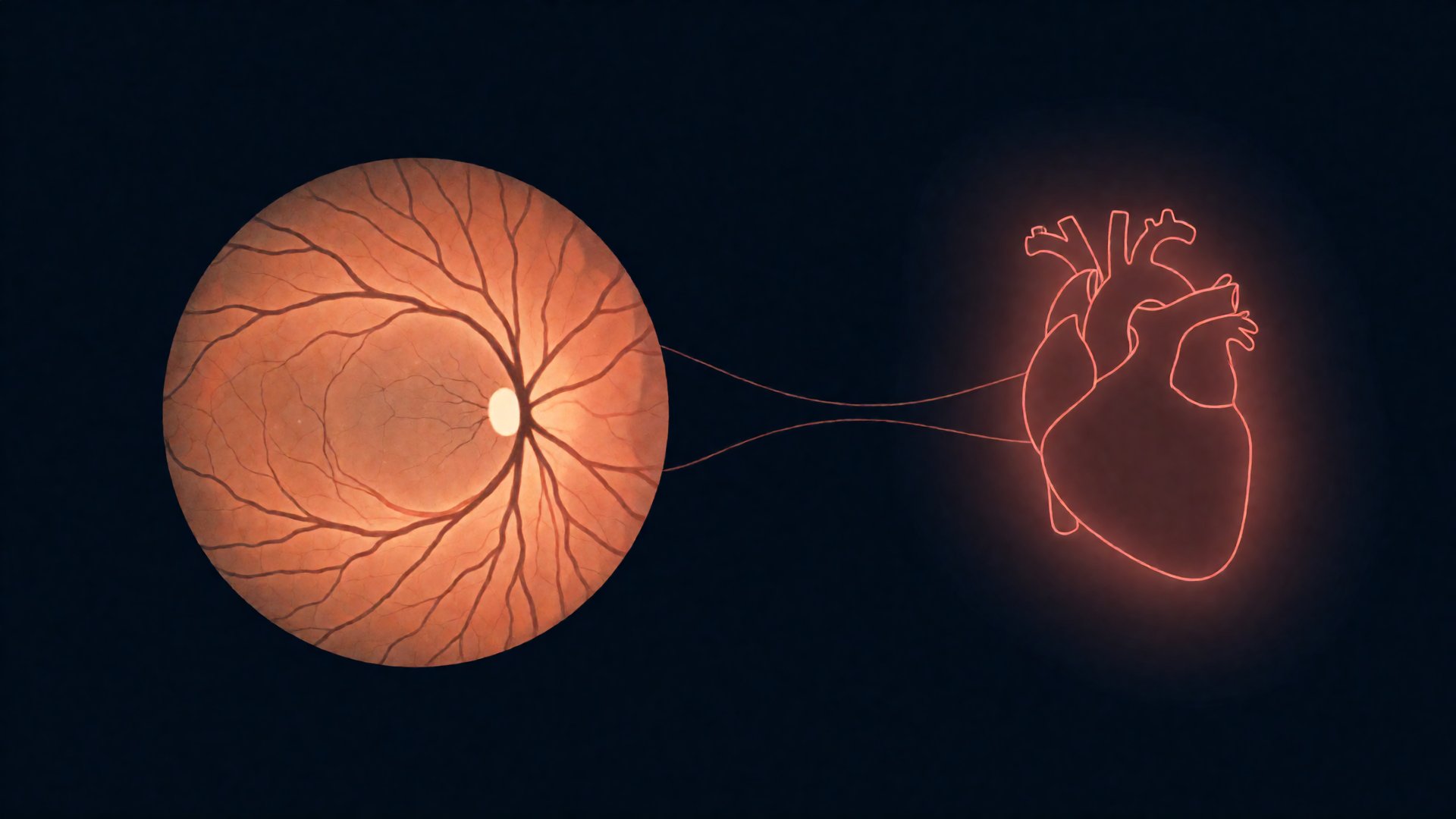
A photo of the eye can show more than just eye diseases. The retina, the light-sensitive layer at the back of the eye, contains small blood vessels that a doctor can look at directly. The South Korean company Mediwhale has made software that uses AI to work out from such a photo how likely it is that someone will develop heart or vascular disease.
The software, called Dr. Noon CVD, has now been cleared by the FDA. That is the US regulator that decides which medicines and medical devices may be used in the United States. Mediwhale announced the clearance .
What the software does
The software looks at a photo of the retina and also takes the patient's age and sex into account. From this, it estimates the chance of a first case of heart or vascular disease caused by atherosclerosis in the next ten years. In atherosclerosis, the blood vessels slowly clog up. The software places the patient in one of three risk groups.
The result is not a diagnosis. It is meant for healthcare professionals, who use it together with other medical information to assess a patient's risk. Taking the photo needs no needle and no procedure.
In Europe, the software is already further along. Since May 2026, Mediwhale has held a CE certificate for its retinal software under the European rules for medical devices. This allows the company to sell the software in all 27 EU countries, including for predicting the risk of heart and vascular disease.
Plans in the US
In the US, retinal cameras are already in place in many GP practices and other primary care clinics. There they are used to check the eyes of people with diabetes. Mediwhale wants to work with companies that already run such cameras, so that the same photo can also be used for the heart check. The company also wants to collect data in the US on how the software works in everyday practice.
Chief executive Kevin Taegeun Choi co-founded Mediwhale after a personal experience. His glaucoma, an eye disease that slowly damages sight, was only discovered when he had already lost much of the sight in one eye.
What does this mean for the road to the singularity?
AI that reads medical images is already common: software helps doctors spot eye diseases on these same retinal photos, for example. What is new is that such a photo may now officially be used for a completely different organ: the heart. The camera does not need to change for this, only the software that looks at the photo.
If that trend continues, one photo of the eye becomes a small general health check. Each new use then no longer needs a new device, just a new piece of software on cameras that are already there. That makes it attractive for makers of medical AI to build on equipment that practices already have. For patients, it could mean that a routine eye check at the GP or optician starts a conversation about prevention earlier, long before any symptoms appear. Such estimates will need to stay accurate in everyday use, including for groups of people on whom the software has been tested less.
What is the technological singularity? Read the explanation →