Nederlands
Short bursts of sound strengthen waves of brain fluid during sleep
Short pulses of pink noise, timed exactly to the slow brain waves, made the waves of brain fluid larger in fourteen sleeping volunteers. Follow-up research will show whether this also helps clear more waste from the brain.
Researchers at the Massachusetts Institute of Technology (MIT) in the United States have made the waves of brain fluid larger in sleeping volunteers by using short bursts of sound. It only works if the sound plays at exactly the right moment: at the peak of a slow brain wave. The study appeared in September in the journal Science Translational Medicine.
Neuroscientist Laura Lewis of MIT led the research. The first author is Joshua Levitt, who recently completed his PhD at Boston University and worked in Lewis's lab as a visiting graduate student.
Why brain fluid matters
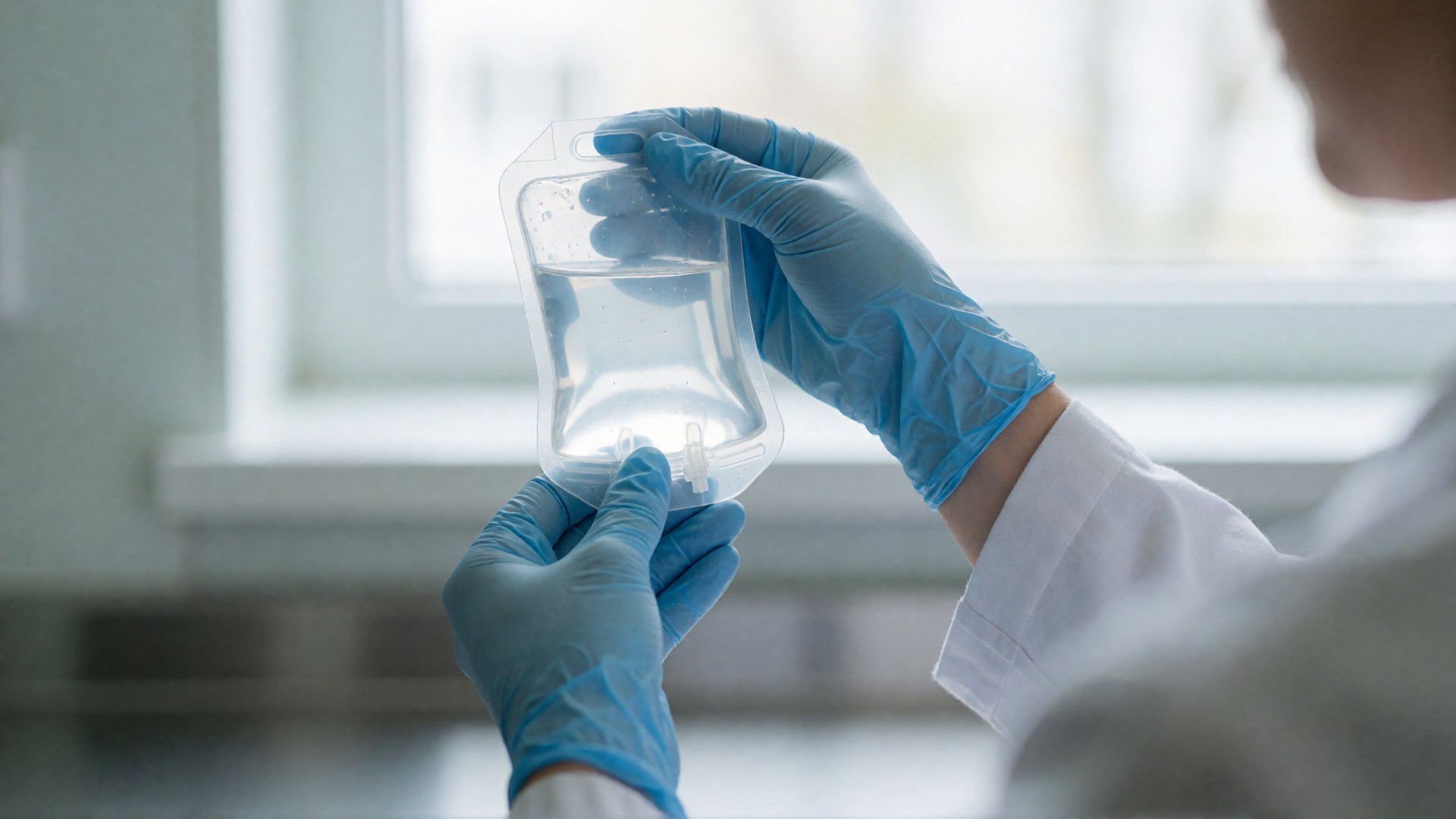
Brain fluid surrounds the brain and the spinal cord. It protects them and helps remove waste. That waste includes the proteins amyloid and tau, which build up in the brain in Alzheimer's disease and other forms of dementia. Better removal might help prevent such a build-up, Levitt says.
During deep sleep, the brain produces slow electrical waves. In 2019, Lewis already showed that the waves of brain fluid are closely linked to them. According to the researchers, the slow brain waves work like a pump: they make blood vessels in the brain narrow and widen again, and that sets the fluid in motion.
Sound at the peak of the wave
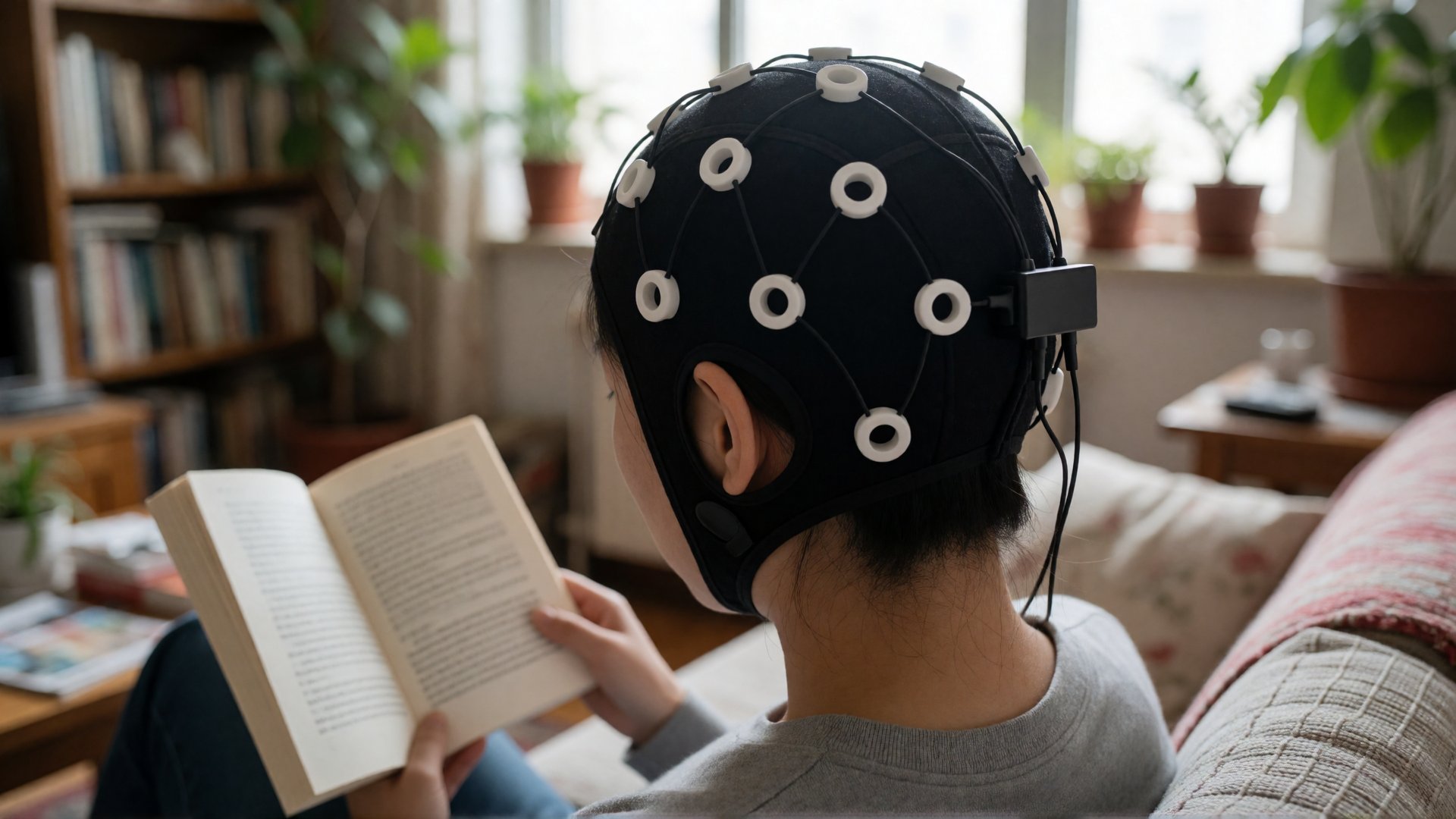
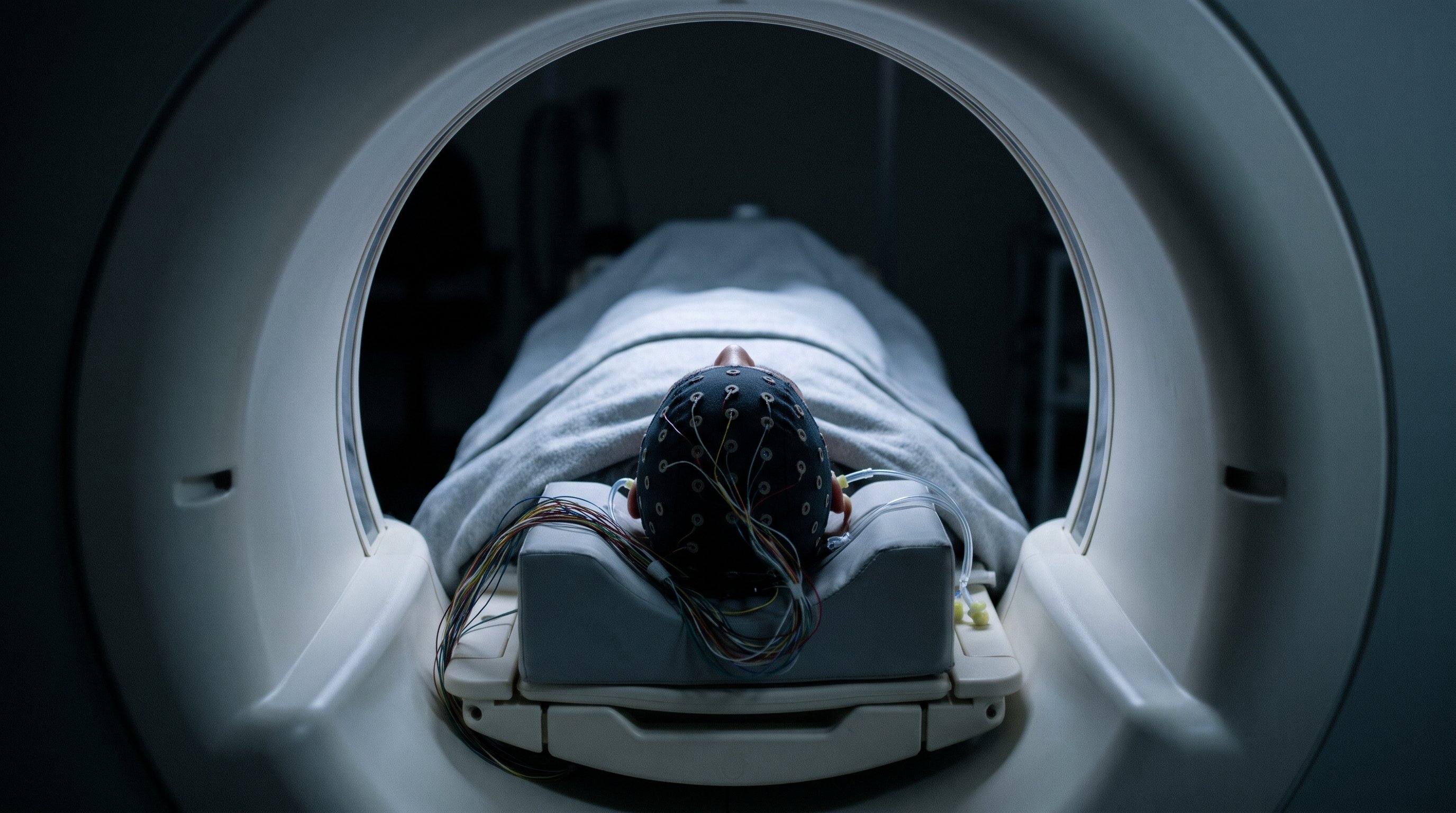
Fourteen healthy volunteers slept in an MRI scanner, which showed how the brain fluid flowed. At the same time, electrodes on their heads measured their brain activity. An algorithm predicted when a slow brain wave would reach its peak. At exactly that moment, a 50-millisecond pulse of pink noise played, quiet enough not to wake anyone.
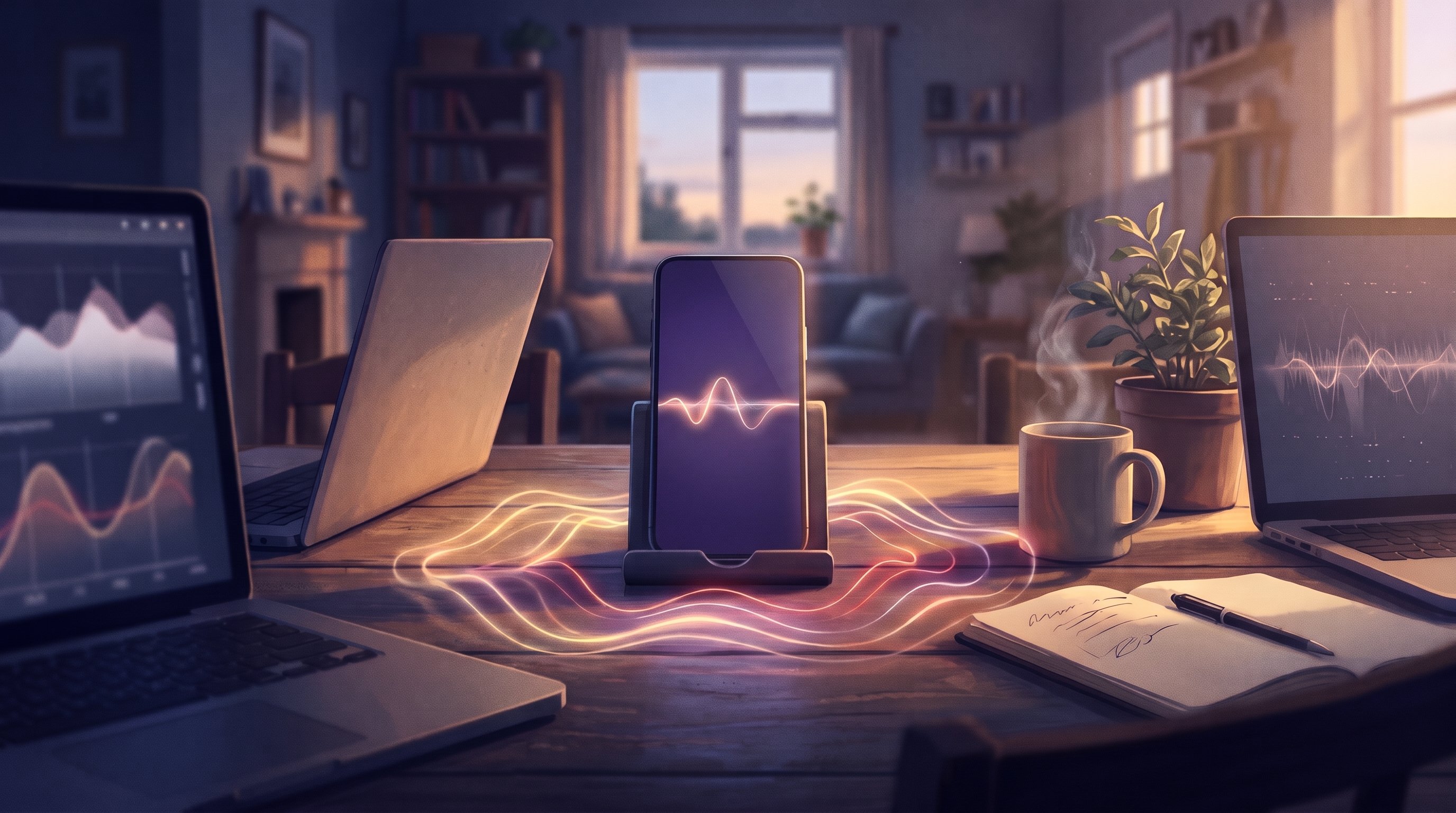
Pink noise is similar to white noise, but the low tones are louder than the high ones. It sounds a bit like steady rain. During the pulses, both the slow brain waves and the waves of brain fluid became larger. As far as the researchers know, nobody had managed to strengthen this fluid wave during sleep before.
Lewis compares it to a child on a swing: a push only helps at the right moment. That is why the timing matters more than the type of sound, Levitt told Scientific American. White noise may work too, but in his view playing pink noise all night does not have the same effect. The team is still working out exactly how the sound strengthens the fluid flow.
The next steps
The next question is whether the stronger fluid flow really removes more waste. That is very hard to measure in humans, Lewis told Scientific American, so research in animals will be important. The team also wants to test the method in older people and in people with sleep problems, such as insomnia. Levitt has started a company that aims to develop a device for use at home, for example a headband that plays the sound at the right moment.
Lauren Hablitz of the University of Rochester, a biologist who studies how waste is removed from the brain and who was not involved in the study, calls treatments the biggest challenge in her field. Drugs and surgery for this are still experimental. In her view, pink noise could be a much less invasive route, she told Scientific American.
What does this mean for the road to the singularity?
Living longer in good health starts with a healthy brain. This research shows that a simple, well-timed sound can make the waves of brain fluid larger during sleep. If follow-up research shows that more waste is cleared as a result, a headband for use at home could one day help keep the brain healthy, without drugs or surgery.
What is the technological singularity? Read the explanation →