Nederlands
Soft electrode records brain signals for more than eight hours while the wearer moves
Chinese researchers made an electrode that is soft against the scalp and firm where the recording circuit attaches. With it, they recorded brain signals reliably for more than eight hours while the wearer moved freely, and typing with brain signals stayed above 94 per cent accurate.
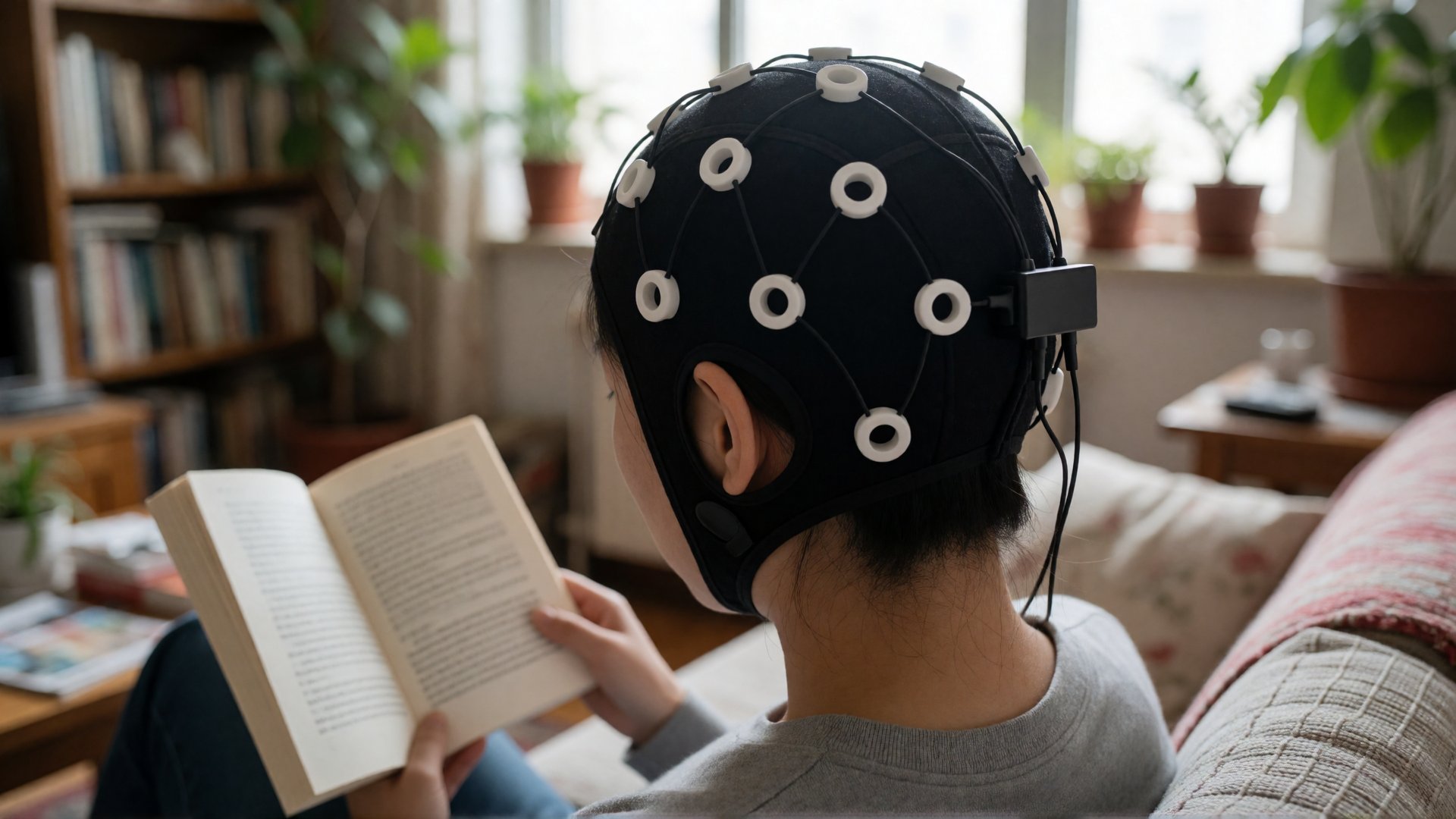
A brain-computer interface turns brain signals into commands for a computer. This is possible without surgery: a cap covered in electrodes, called an EEG cap, picks up the weak electrical activity of the brain through the scalp. This allows someone to choose characters on a screen without a keyboard, for example.
Outside the lab, this often goes wrong. A stiff electrode fits poorly on the soft scalp, so with every movement it shifts a little and disturbs the recording. An electrode that is completely soft, on the other hand, makes poor contact with the firm connection to the recording circuit. As a result, such electrodes often work reliably for only a short time.
Soft on one side, firm on the other
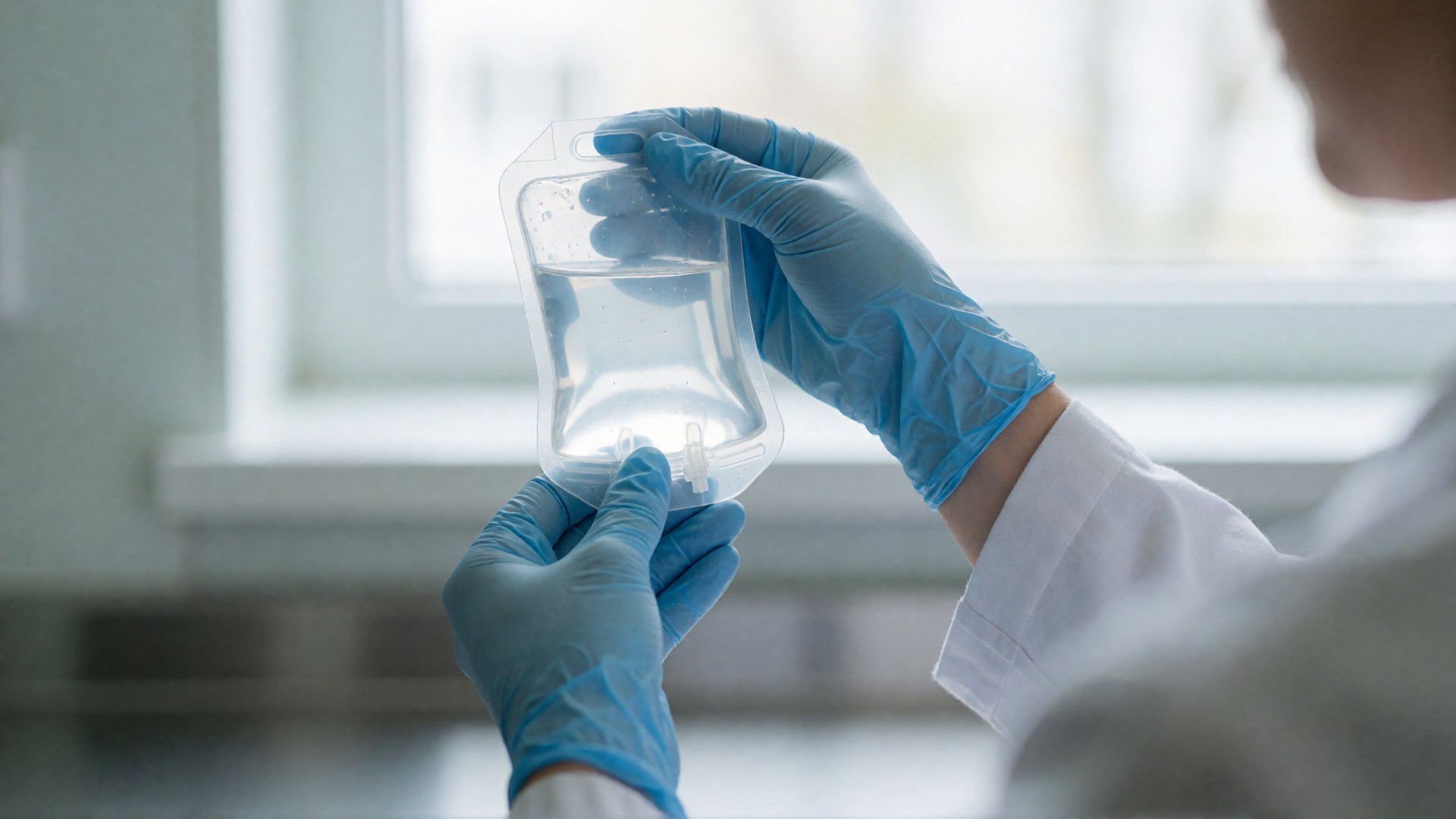
Researchers from Guangxi University, Guangxi Medical University and Tsinghua University, among others, looked at human skin, which also changes gradually from soft to firm. They made an electrode from hydrogel, a jelly-like material that holds a lot of water. The gel is soft on the side of the scalp and becomes gradually firmer towards the side where the recording circuit is attached.
They created this gradual change with heat. They let the gel set while one side was warmer than the other. As a result, the material did not form the same number of links everywhere: a dense, firm network on one side and a looser, softer network on the other. The pores in the gel also grow gradually in size. According to the researchers, this means the electrode slowly and evenly releases a liquid that conducts current, so the contact with the skin stays good for a long time.
In their tests, the electrode gave good recordings for more than eight hours while the wearer moved freely, and for more than fourteen hours at rest. In a typing task, in which characters were chosen with brain signals, the accuracy stayed above 94 per cent. The team published the results on 31 October in the journal npj Flexible Electronics. The next step is testing with more people and in daily life.
What does this mean for the road to the singularity?
A brain-computer interface without surgery only becomes truly useful when it works all day while you simply go about your life. This electrode brings that one step closer. The longer and more reliably such caps pick up brain signals, the better computers can learn to read them, and the more naturally people and computers will work together in future.
What is the technological singularity? Read the explanation →