Nederlands
Cell therapy for Parkinson's shows signs of safety after four years
An experimental cell therapy for Parkinson's disease showed signs of safety and better movement after four years in twelve participants, especially at the highest dose. A large follow-up study should show how well the treatment works.

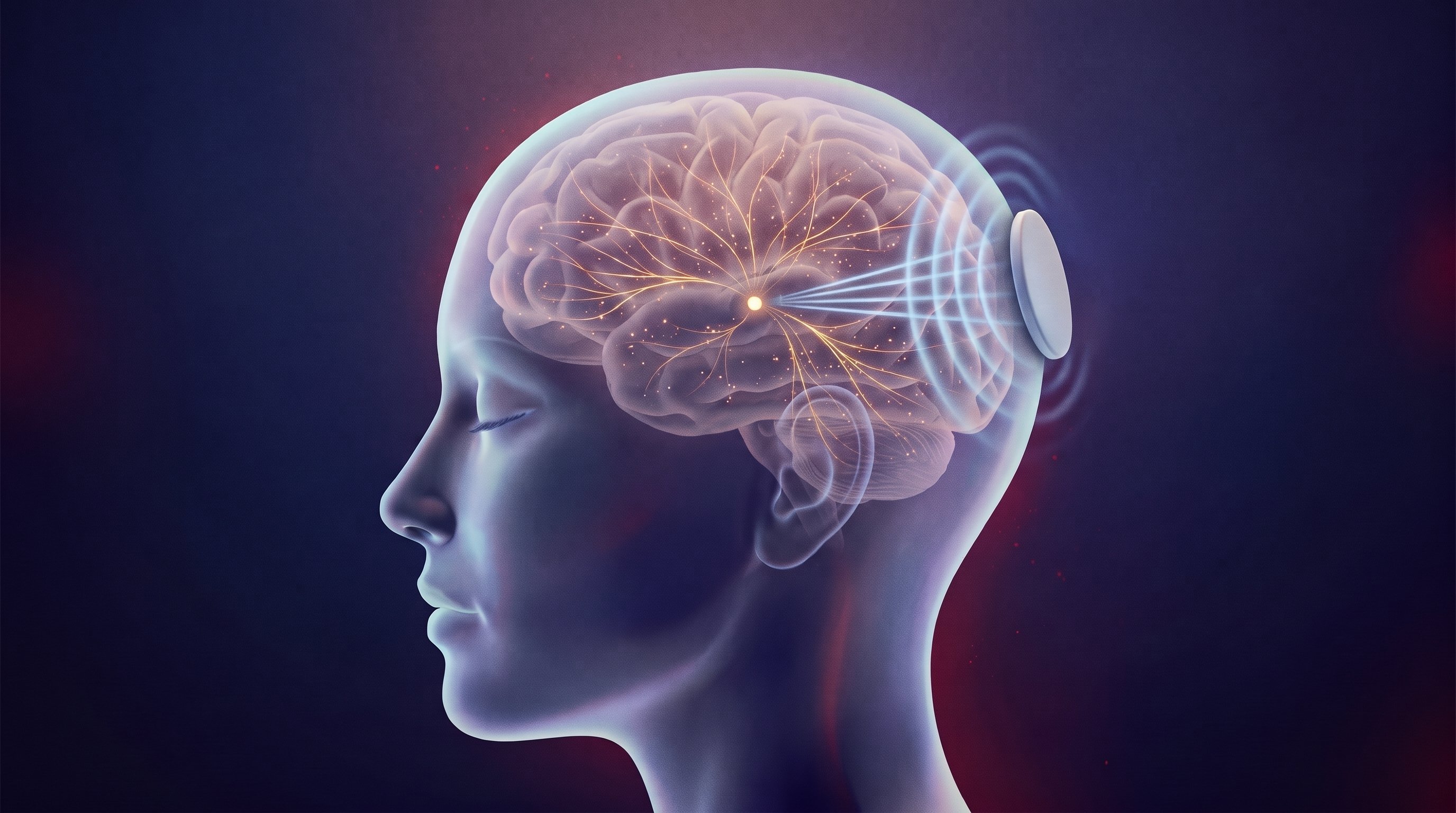
In Parkinson's disease, nerve cells that make dopamine are lost. Dopamine is a substance that helps control movement. Existing treatments, such as medicines, mainly ease the movement symptoms. They do not bring back the lost cells. An experimental cell therapy tries to do exactly that: place new dopamine cells in the brain.
In a small study of twelve people with Parkinson's, researchers saw signs after four years that the treatment is safe enough. There were also signals that movement improved, especially at the highest dose. Neurologist Claire Henchcliffe of the University of California, Irvine, presented the results in October 2026 at the annual meeting of the American Neurological Association in San Diego. The medical news site Healio reported on it on 3 November.
Placing cells through surgery
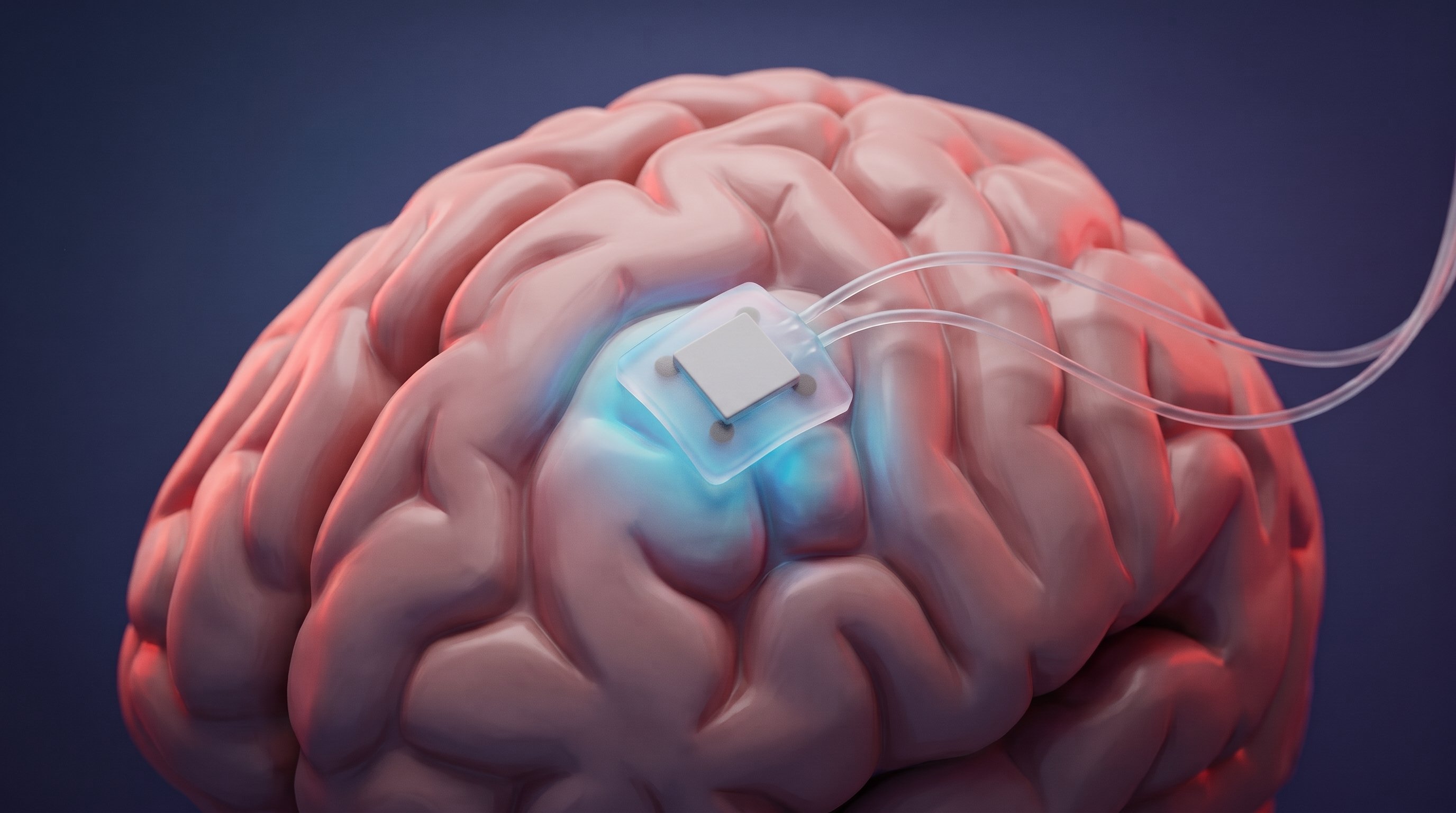
The treatment is called bemdaneprocel and is still being researched. It consists of precursors of dopamine cells, grown from donor stem cells. In a single operation lasting several hours, surgeons place these cells on both sides of the brain, in an area that is important for movement.
Five participants received 0.9 million cells on each side, and seven participants received 2.7 million cells per side. The participants were between 50 and 78 years old and had had Parkinson's for 5 to 15 years. The donor cells do not match the recipients' immune systems. For that reason, all participants took medicines that suppress the immune system for a year. This stops the body from rejecting the cells.
Side effects and movement
According to the conference report, most unwanted events after the treatment were mild or moderate. There were ten serious events. One of them was an epileptic seizure shortly after the operation, which was linked to the procedure. Two were related to Parkinson's disease; the others were unrelated to the study, according to the report. Nobody died and nobody stopped because of side effects.
Doctors measured the movement symptoms on a fixed points scale, at a time when the usual Parkinson's medicines had worn off. A lower score means fewer symptoms. In the low-dose group, the average score fell from 43.2 to 39 points in four years. In the high-dose group, it fell from 49 to 33.4 points. According to their own diaries, people on the high dose also spent more than an hour less per day in a period when their medicines were not working well.
What still has to be shown
The study was small and had no comparison group. The results are therefore signs, not yet proof that the cells caused the improvement. Henchcliffe has ties to several companies, including BlueRock Therapeutics, which funded the study. The participants will be followed for another three years.
The next step is already under way. Since August 2025, BlueRock has been testing the treatment in a large study with about one hundred participants. In it, some participants receive a sham operation without cells, and neither participants nor researchers know who received what. A design like this can show whether the improvement really comes from the cells.
What does this mean for the road to the singularity?
Living longer in good health calls for treatments that repair damage instead of only easing symptoms. This therapy tries to do that for Parkinson's: replacing lost brain cells with new ones grown from stem cells. That the participants have no major problems after four years is an important condition for testing this approach further. The large study with sham operations should show whether the new cells really help people with Parkinson's to move better.
What is the technological singularity? Read the explanation →