Nederlands
Sila to supply silicon battery material to Panasonic
US company Sila will supply a new battery material made of silicon and carbon to Panasonic Energy for several years. Over the full term, the deal could be worth more than 1 billion dollars, once the material passes Panasonic's approval tests.
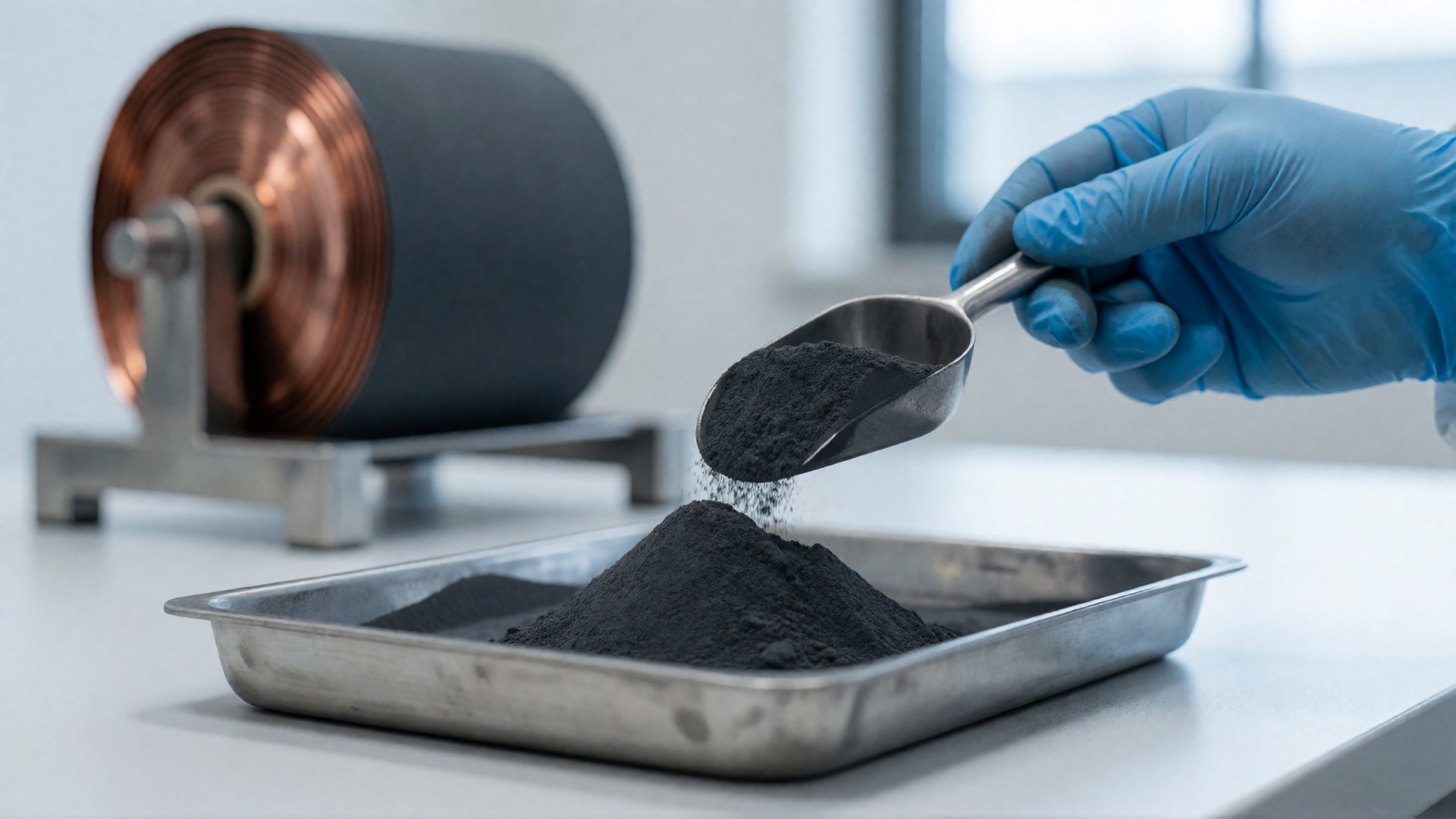
US company Sila, which makes materials for batteries, has signed a multi-year supply agreement with Panasonic Energy Corporation of North America. Panasonic will use Sila's material, called Titan Silicon, in battery cells for electric vehicles that it makes in the United States. The companies announced the deal . Over its full term, the agreement could be worth more than 1 billion dollars (about 910 million euros); the companies have not named a fixed amount.
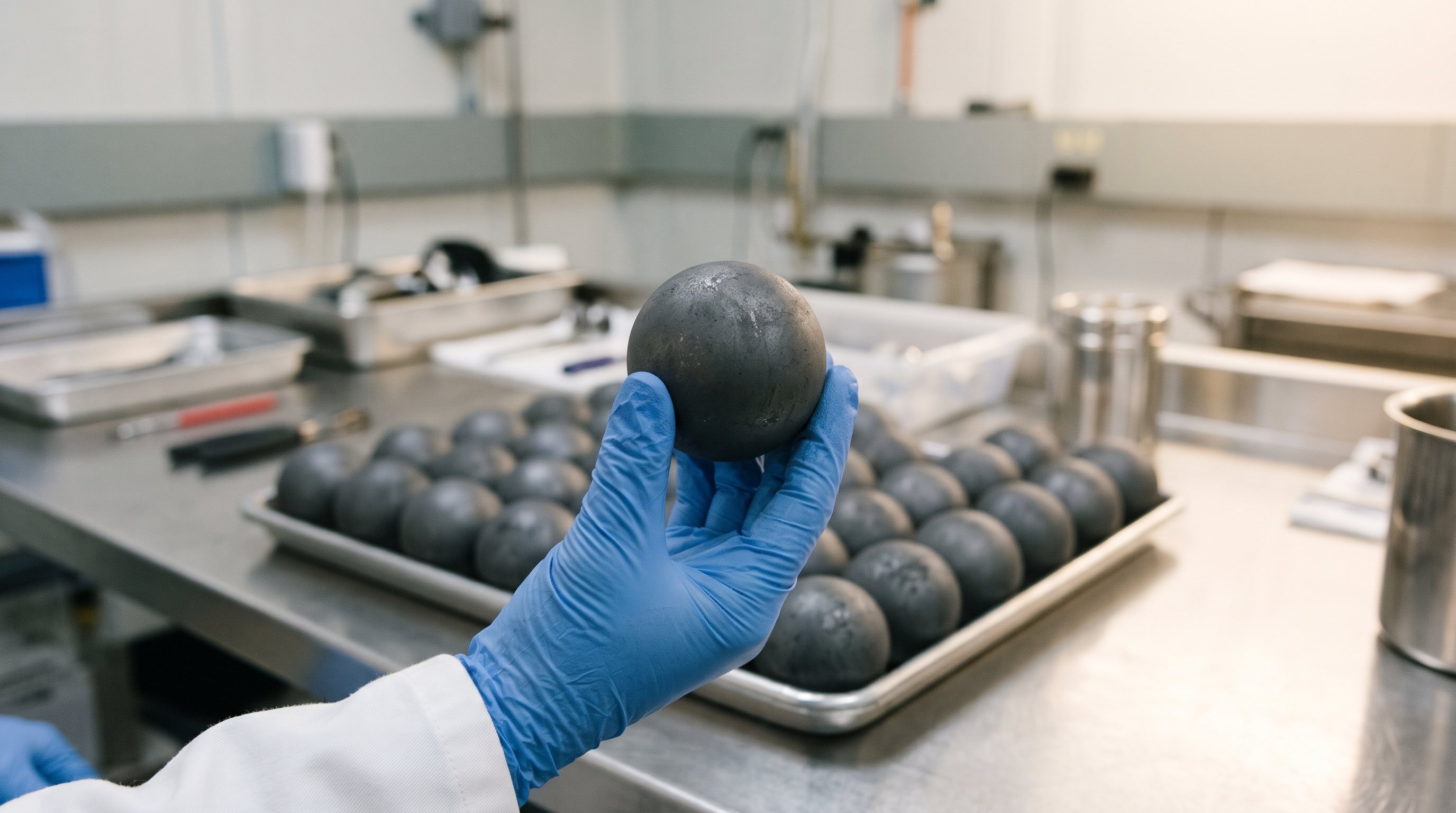
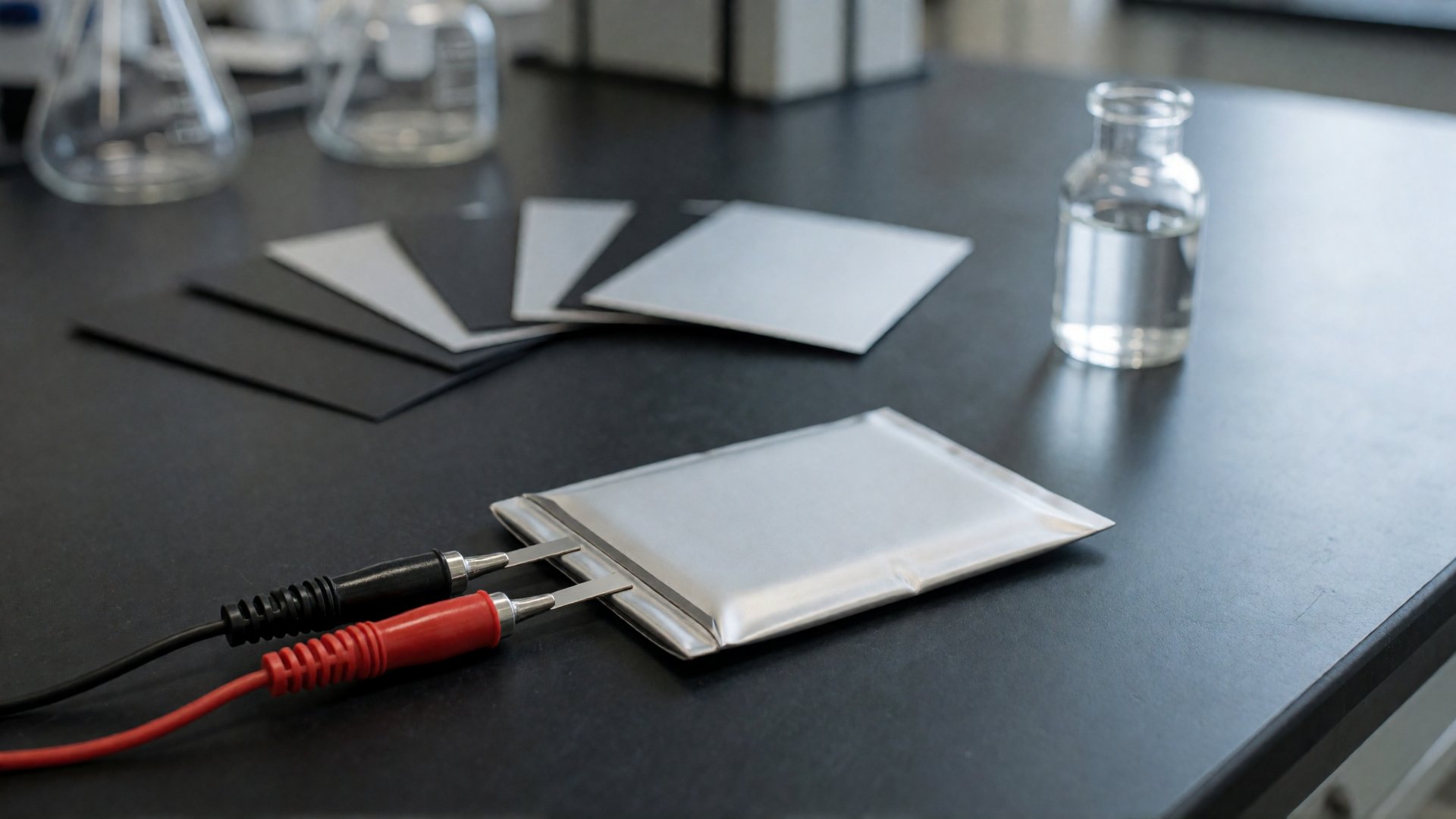
Titan Silicon is a mix of silicon and carbon for the anode, the negative side of a battery cell. That is where lithium is stored while the battery charges. In most batteries today, the anode is made of graphite, a form of carbon that is also used in pencil lead. Sila's material can replace that graphite partly or completely. According to Sila, batteries with it charge faster and last longer than with competing products.
Sila makes the material at a factory in Moses Lake, in the US state of Washington. Chief executive Gene Berdichevsky says the factory can deliver as soon as Panasonic has approved the material; that approval process is still under way. The two companies will also work together on inventions and the rights to them. Sila expects the expansion of the factory for this and other deals to create about 500 extra jobs in manufacturing and construction.
Money and raw materials
In August 2026, Sila received a conditional commitment for a loan of 1.4 billion dollars (about 1.3 billion euros) from the Office of Strategic Capital, a financing office of the US Department of Defense. In July 2026, the company had already raised 300 million dollars (about 275 million euros) from private investors. With that money, Sila is expanding the Moses Lake factory and also building its own factory for lithium-ion battery cells.
The US government's interest has to do with graphite. The United States has not mined any graphite of its own since 1989, and China supplies about 82 per cent of all natural graphite in the world. In addition, from 1 January 2028 the US Department of Defense may no longer buy batteries for weapons and support systems if they contain materials from companies in countries such as China.
What does this mean for the road to the singularity?
Silicon in the anode has long been a promise in the battery world. What this deal changes is the scale: one of the largest battery makers wants to buy the material for years, from a factory that is already running. For Panasonic it is also a form of insurance. Needing less graphite means depending less on a single country that can stop the supply.
A deal like this also pushes others to move. Other battery makers do not want to be the only ones still relying on graphite from China, and Sila's competitors have to show that their material is just as good and can be delivered just as quickly. If that race produces batteries that charge faster and last longer, cars are not the only ones to benefit. Drones and robots can then also work longer before they have to go back to recharge, and that is exactly what machines need to work on their own in the real world.
What is the technological singularity? Read the explanation →