Nederlands
Topic
#Materiaalkunde
-
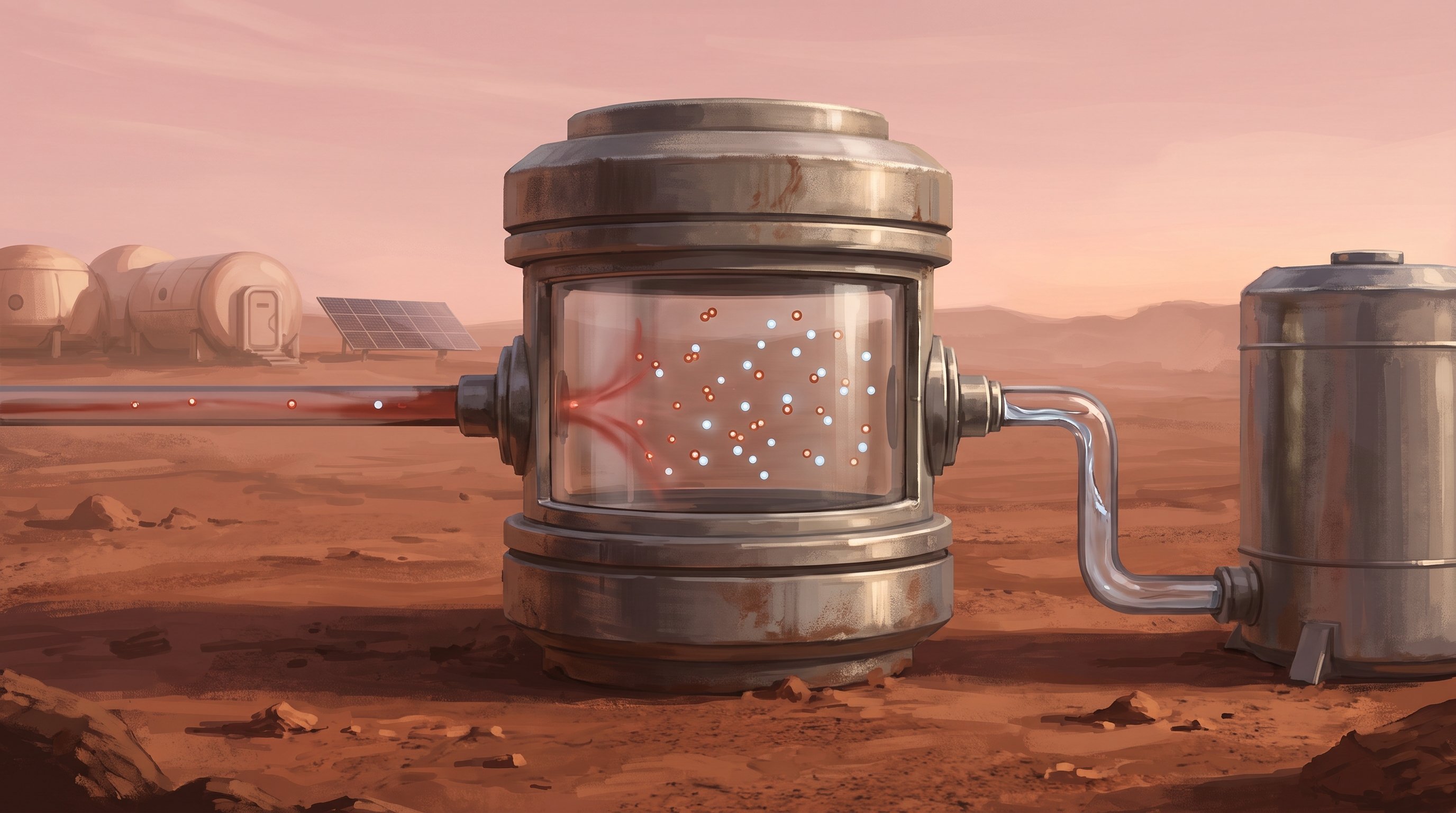
Chinese catalyst turns CO2 into methanol, as a fuel for Mars
Researchers in Hefei made a catalyst of copper and sodium that turns carbon dioxide and hydrogen into methanol eleven times faster than without sodium. The aim: to make liquid fuel from the air on Mars one day. The experiments have now been done in the lab on Earth.
-
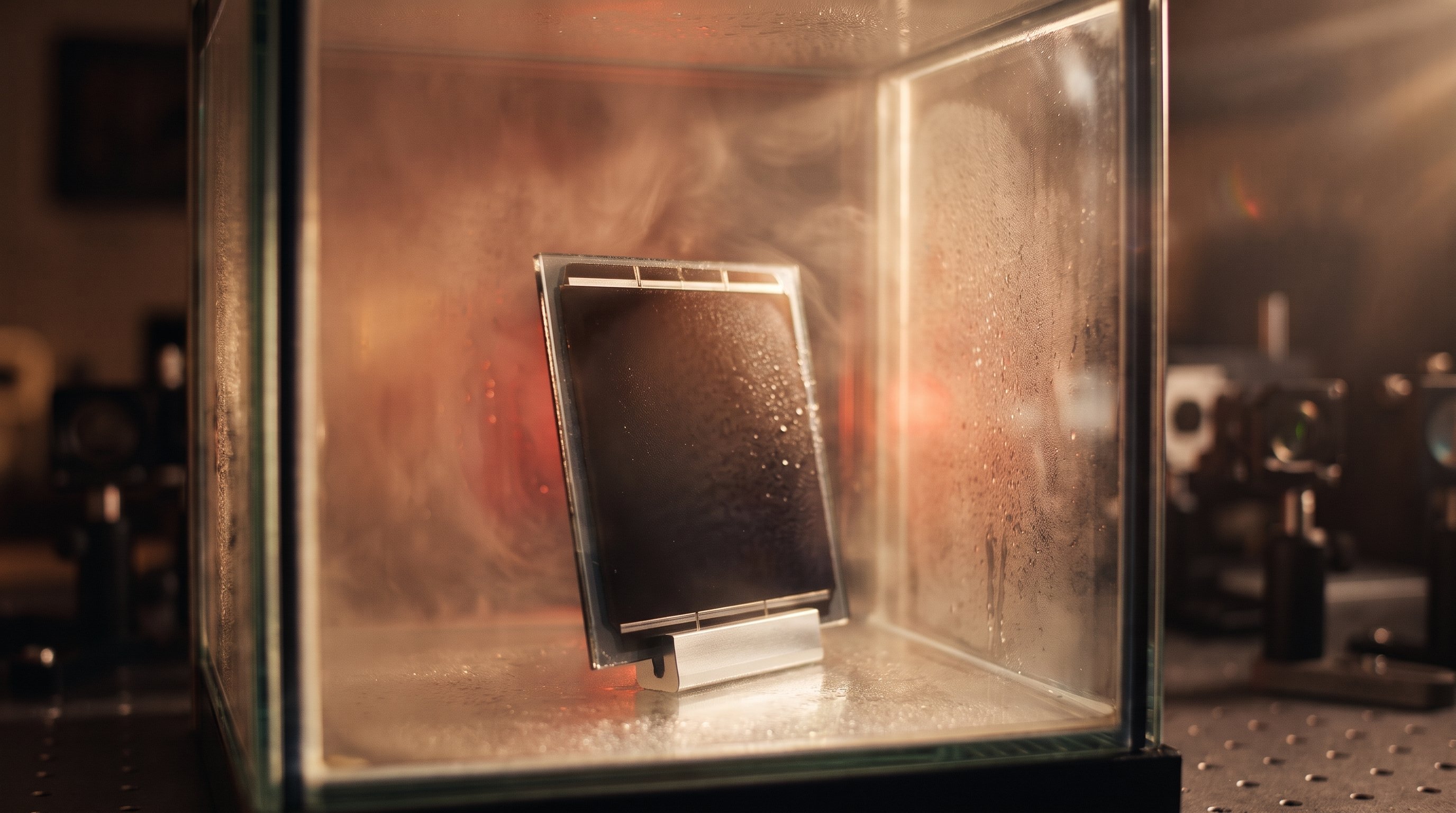
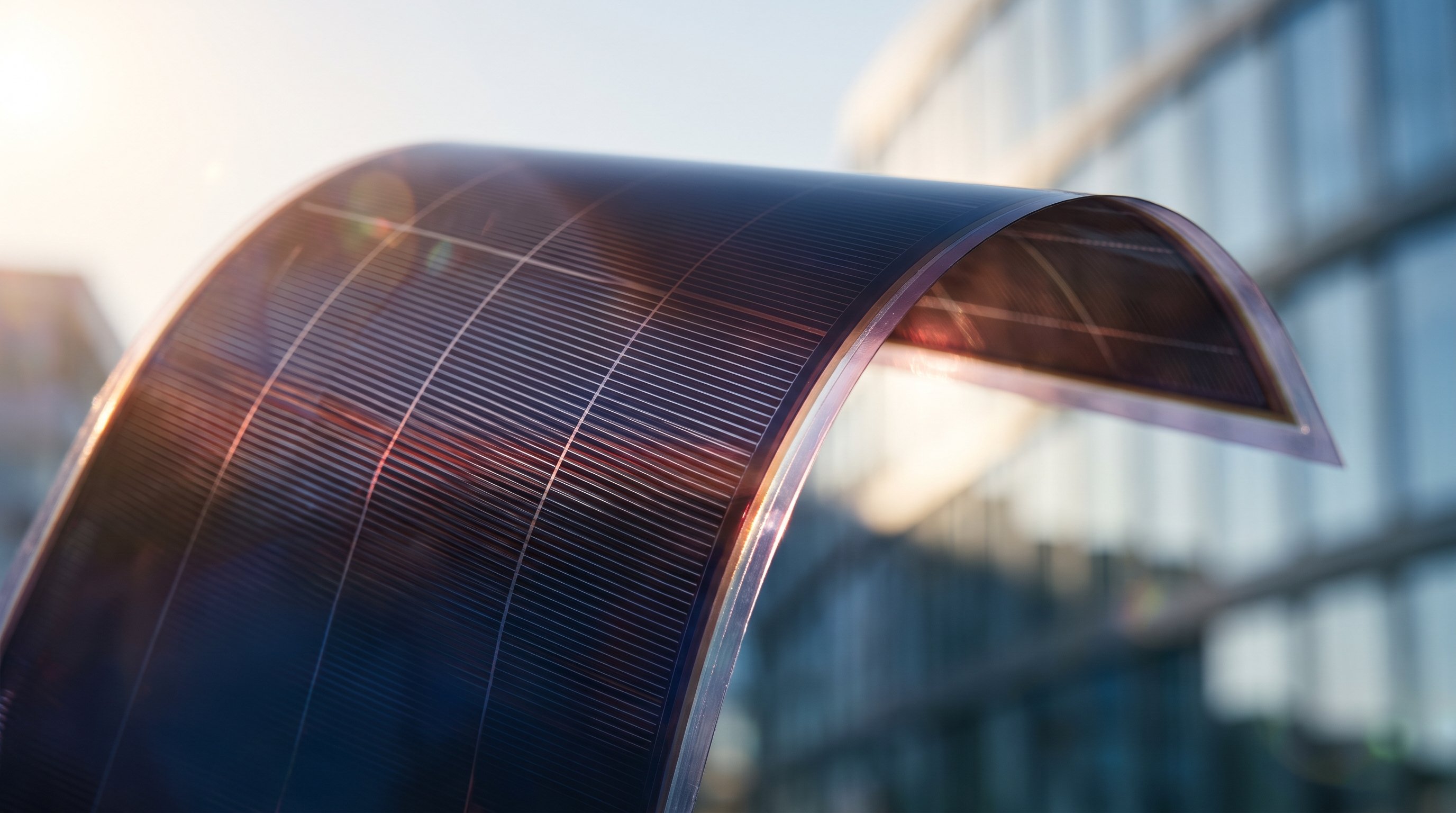
New solar cell survives 1,000 hours of heat and humidity thanks to a clean-up trick
Korean researchers filter the substance that makes perovskite solar cells wear out quickly out of the production process. After 1,000 hours at 85 degrees and in humid air, their cells still kept 95 per cent of their efficiency, an important step towards solar panels that last a long time.
-
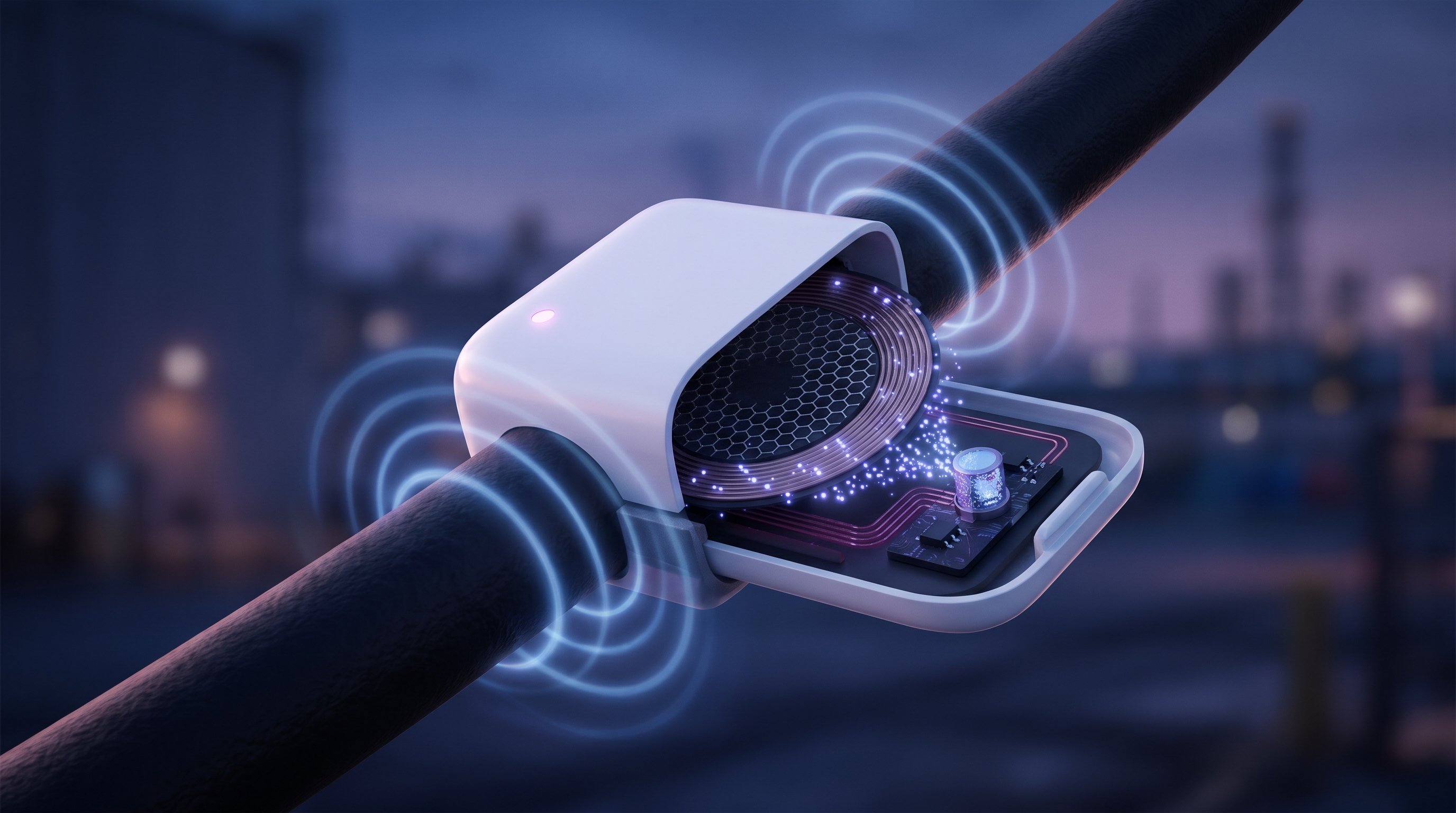
Graphene coil draws power from the magnetic field of power cables: sensor works without a battery
Researchers from Arkansas and Michigan power a temperature sensor with energy from the magnetic field around power cables, using a component made of graphene. If the power goes out, the sensor keeps working for at least 24 hours.
-
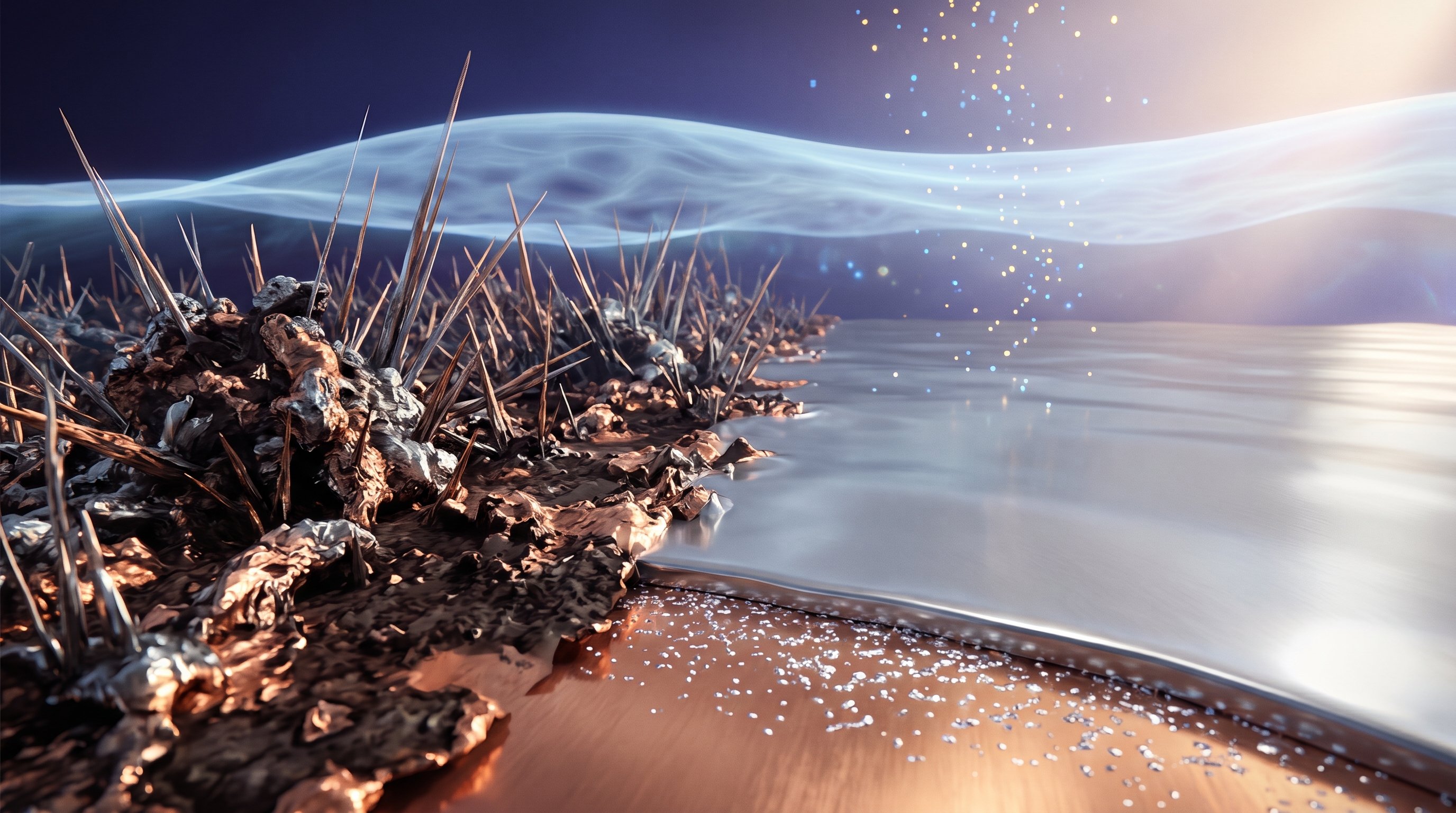
A little silver makes a light lithium battery without a separate negative electrode much more stable
Researchers in Hong Kong add a substance containing silver to a battery without a separate negative electrode. A 2 amp-hour test cell reached 467 watt-hours per kilogram, and a smaller cell kept 90 per cent of its capacity after 200 charges.
-
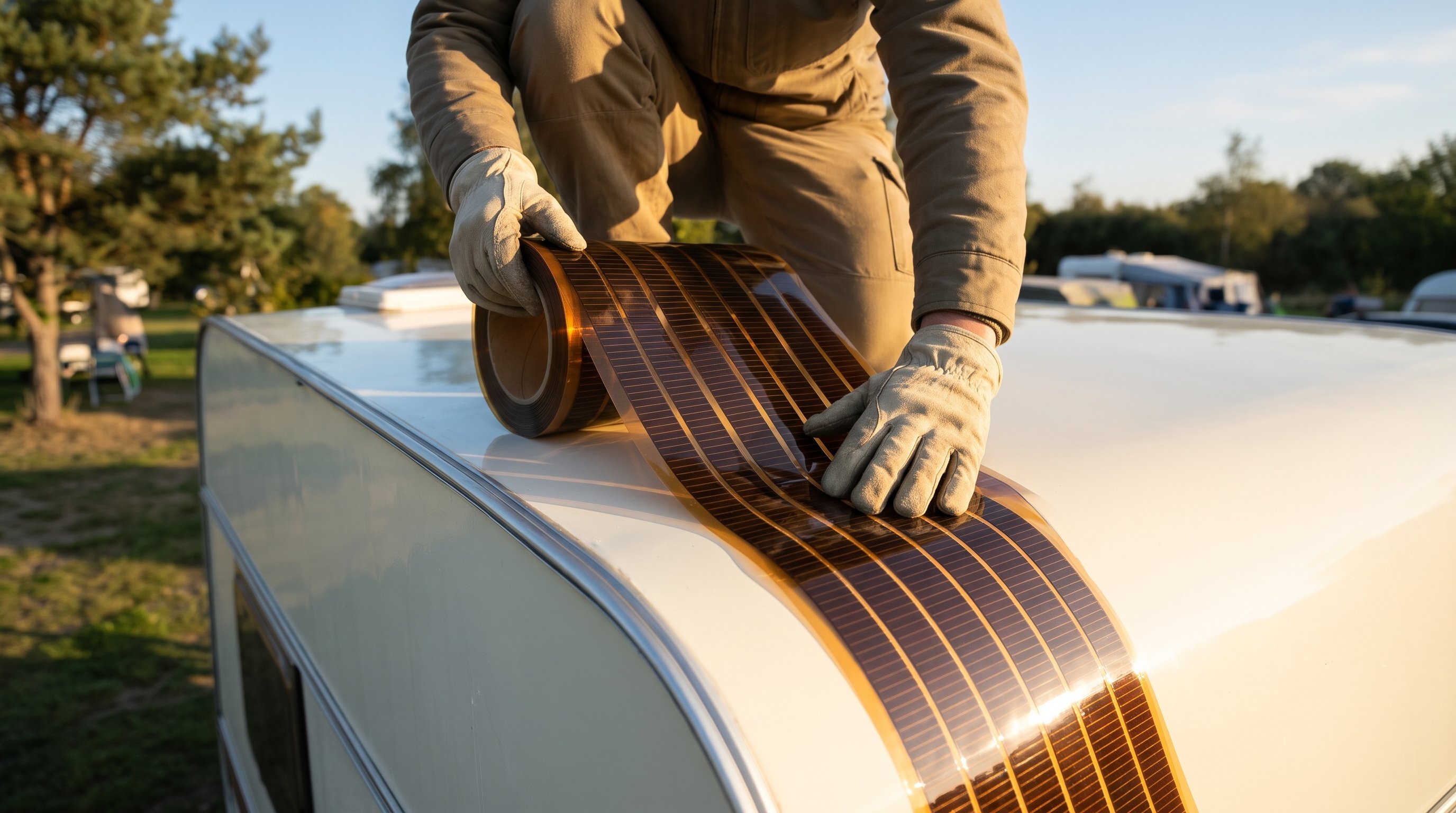
Flexible solar cells reach high efficiency and pass a tough endurance test
Chinese researchers have made flexible solar cells that also work well as larger panels. A small cell converts a certified 26.9 per cent of sunlight into electricity. After more than 1,000 hours of heat and humidity, a test panel kept 92.5 per cent of its efficiency.
-
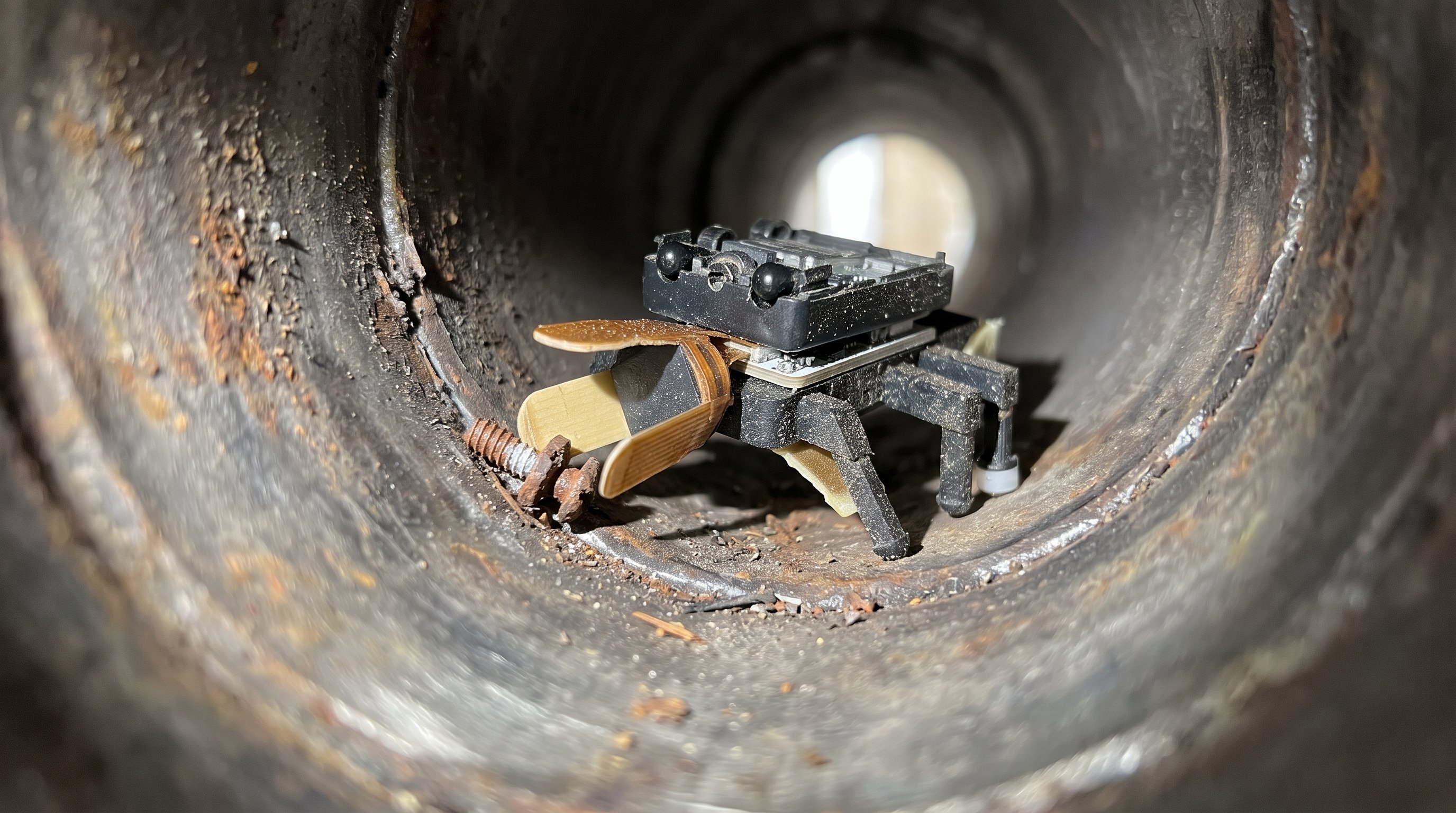
Soft beetle robot with artificial muscles can be steered with one finger
Researchers from KAIST, Caltech and NTU Singapore built a small soft robot modelled on a beetle. You steer it with your finger and get images and touch feedback straight back. The next step: making it faster and more energy-efficient.
-
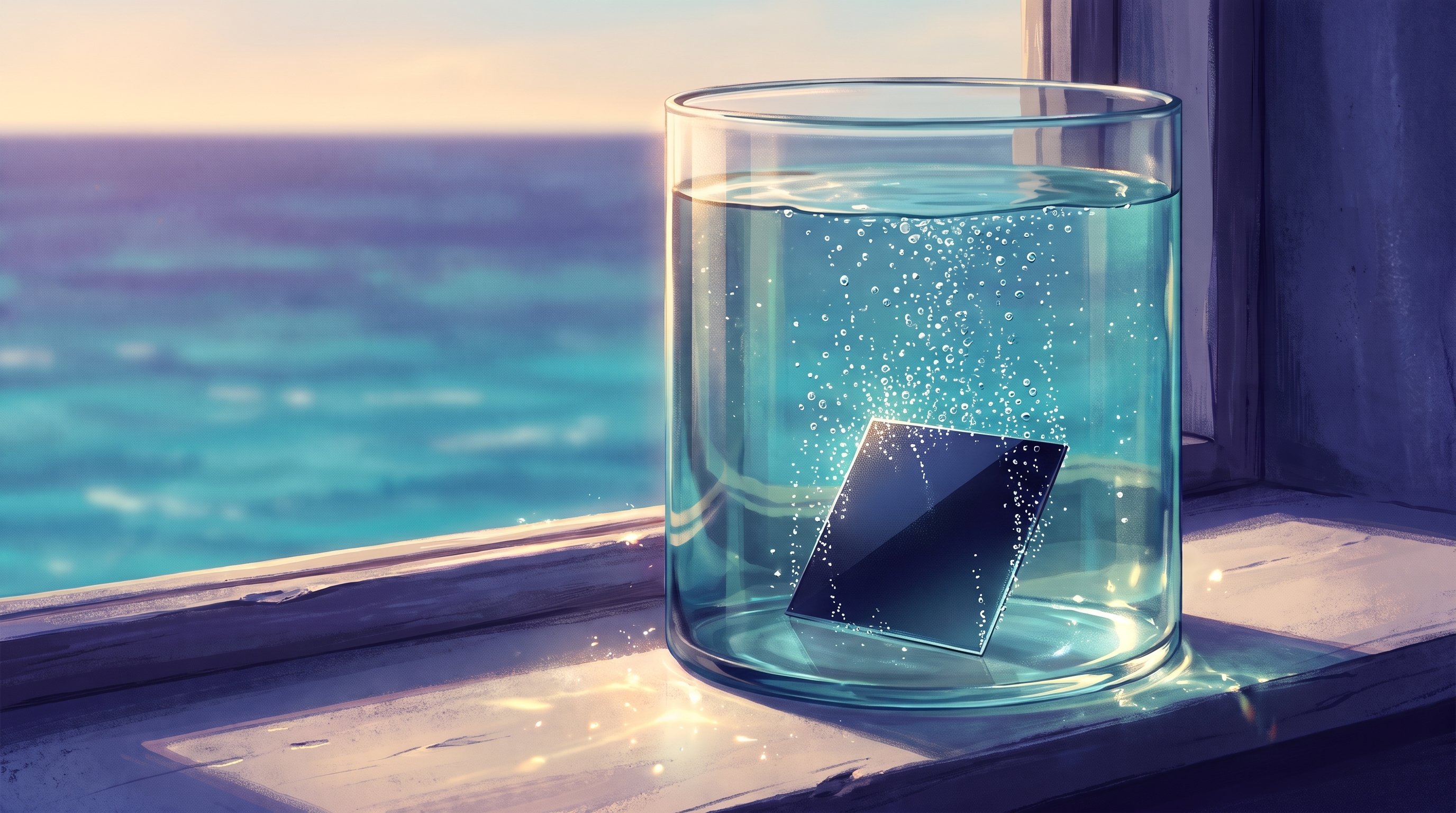
Artificial leaf from Singapore uses sunlight to make hydrogen from seawater and clears up a poison at the same time
Researchers in Singapore built an 'artificial leaf' that, without power from outside, gets hydrogen from polluted seawater and at the same time breaks down the toxic substance hydrazine. It is a first working prototype; the next step is a larger and longer-lasting device.
-
Chemical lock helps organic solar cells keep working well for longer
Chinese researchers have chemically fixed a very thin, fragile layer inside organic solar cells. Small cells reached 20.4 per cent efficiency, larger modules 18.8 per cent, and after 2,000 hours in the light the tested cells still delivered more than 85 per cent of their starting efficiency.
-
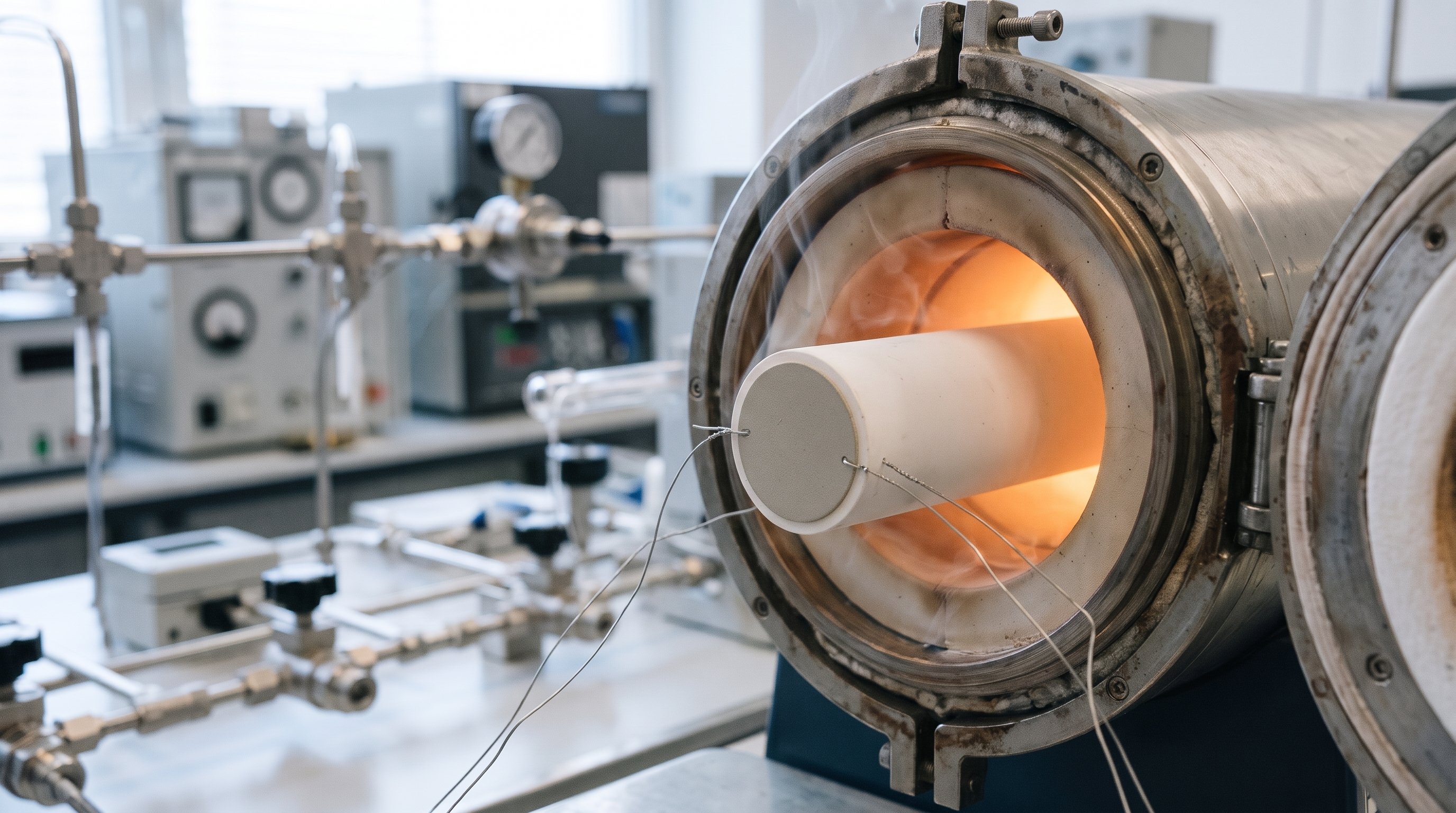
Ceramic cell in Groningen makes twice as much hydrogen from steam with the same amount of electricity
Researchers at the University of Groningen have doubled the hydrogen output of a ceramic cell that splits steam, without extra electricity. The cell ran stably for more than 500 hours. So far it is a lab experiment.
-
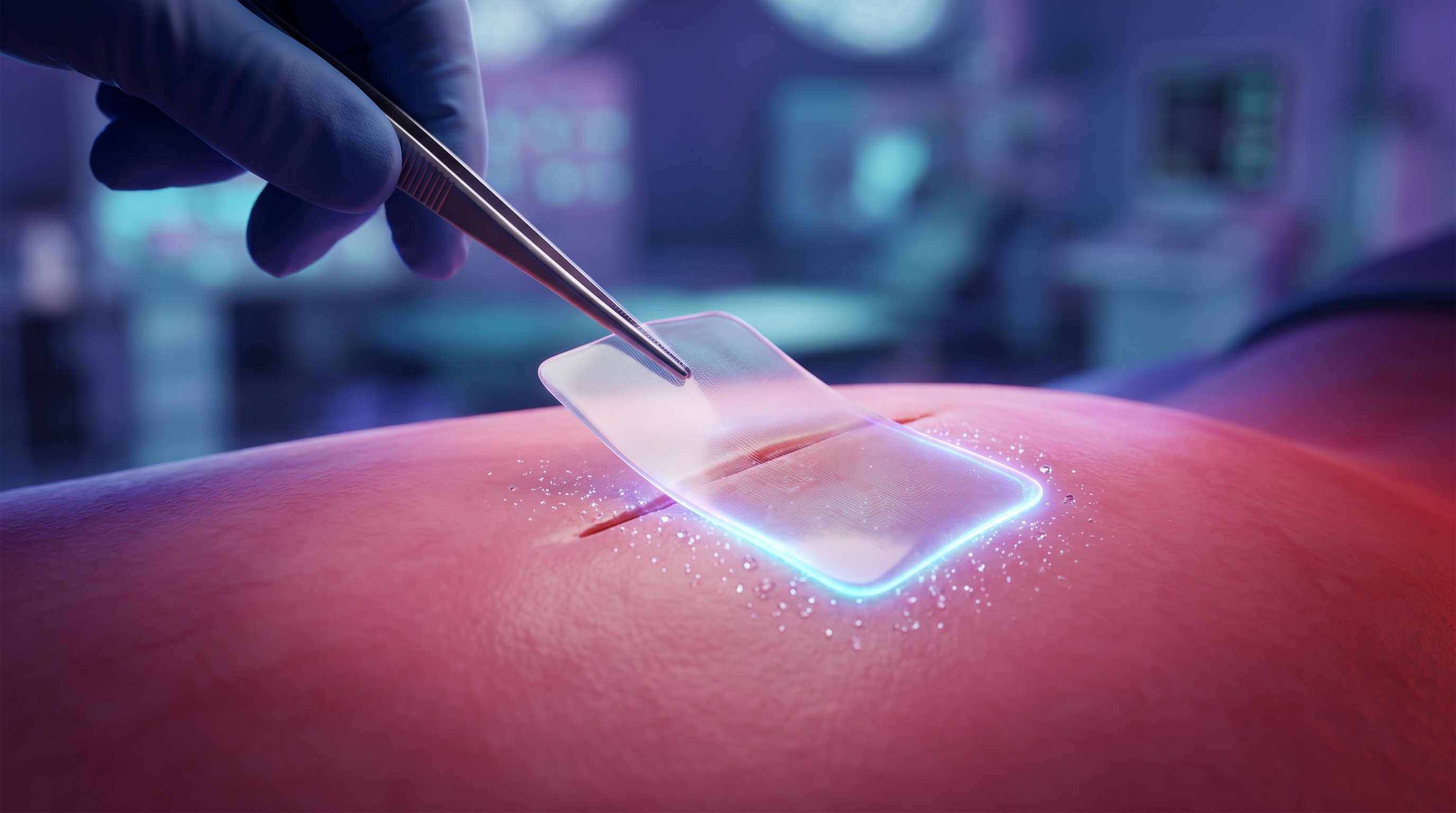
MIT researchers' glue sticks to wet tissue in seconds and could soon replace stitches
The company SanaHeal, an MIT spinout, makes a glue that sticks to wet and bleeding tissue within a few seconds. According to MIT it is already approved for stopping bleeding after accidents. Next year, trials in people during surgery will begin.
-
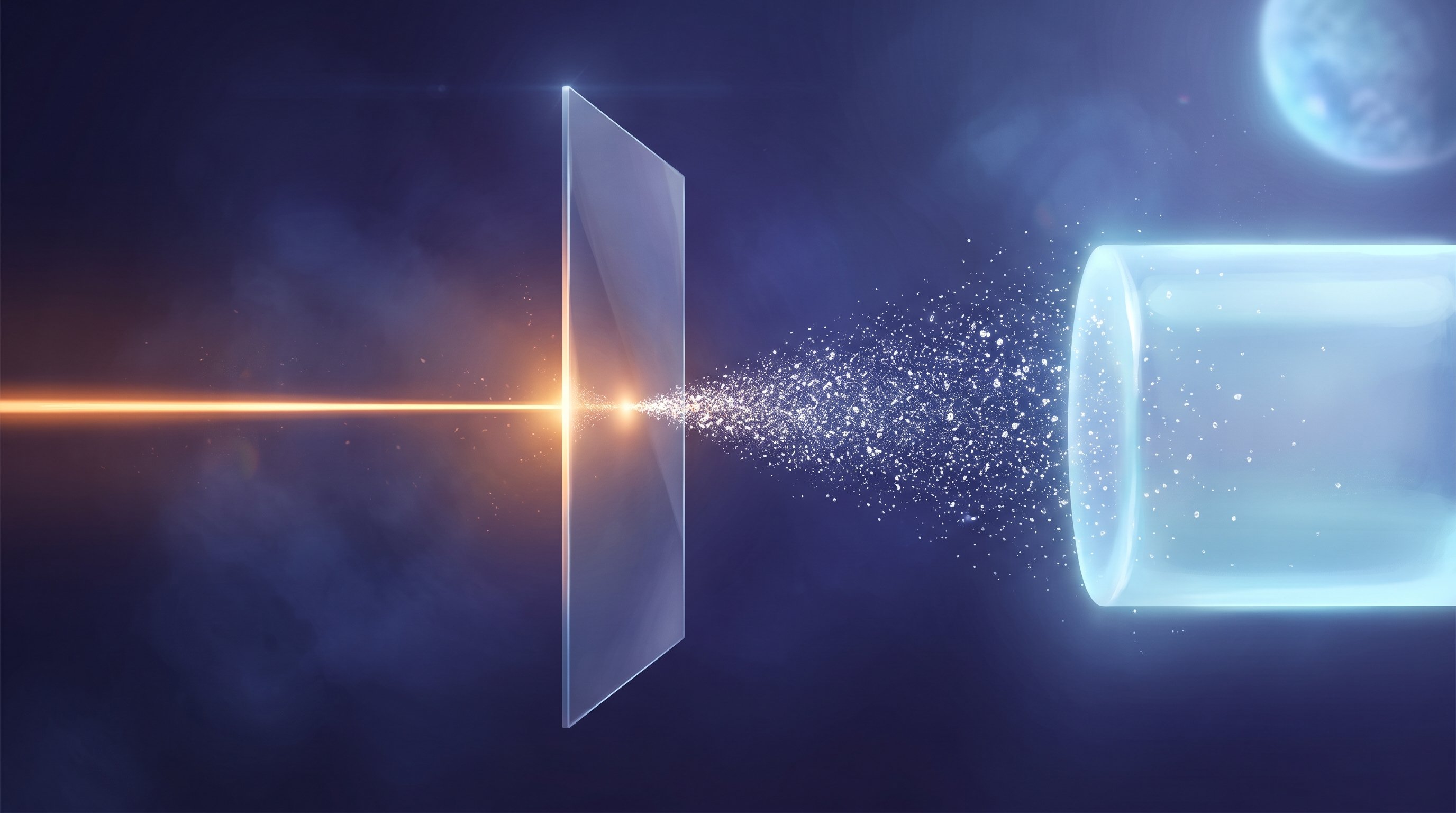
Laser flash turns plastic into trillions of tiny diamonds
German physicists fire a powerful laser at a thin sheet of the plastic that soft-drink bottles are made of. Each flash produces about 10 trillion tiny diamonds averaging 3 millionths of a millimetre, almost all the same size. The next step is making enough of them to work with.
-
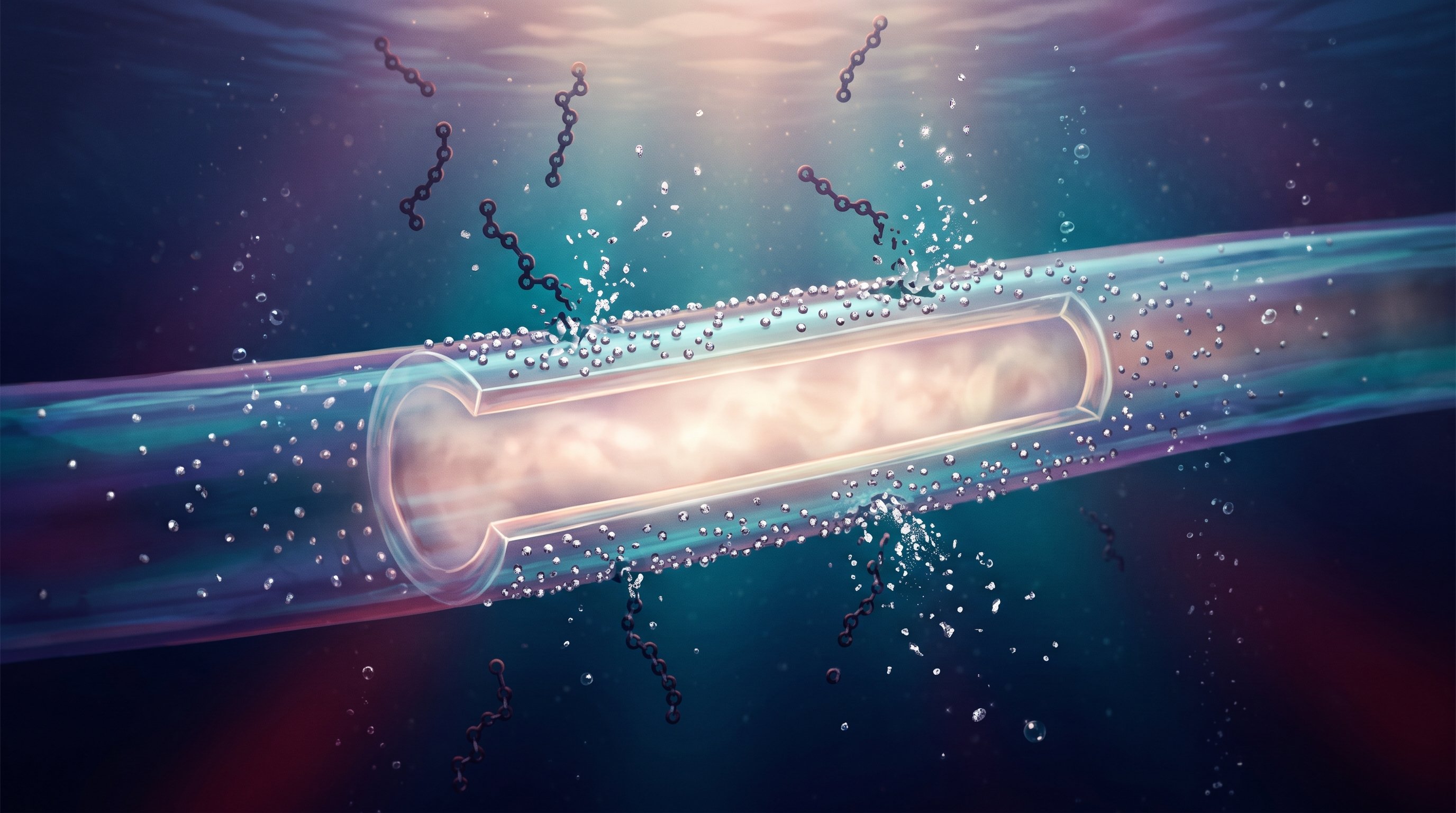
New membrane breaks down more than 90 per cent of six types of PFAS in water
Researchers at Arizona State University do not just remove PFAS from water, they also break the substances down. Their palladium membrane kept this up for almost two months. The next step is to make the system cheaper and larger.
-
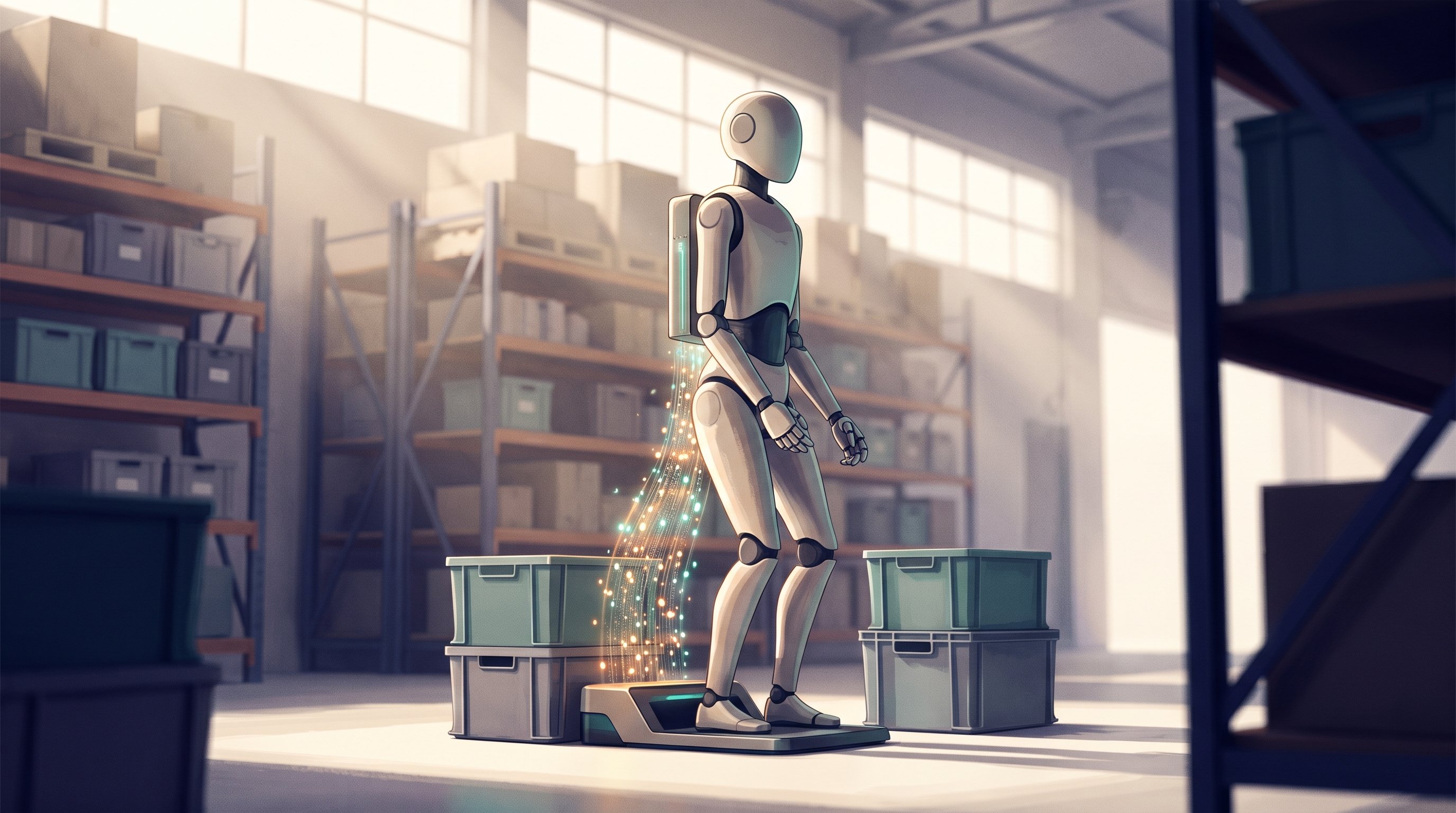
Work robot Digit 5 recharges in nine minutes and can then keep going for an hour and a half
Agility Robotics is getting a fast-charging battery from the British company Nyobolt for its humanoid robot Digit 5. After nine minutes of charging, the robot works for another hour and a half. According to Agility, this lets it stay at work for more than twenty hours a day.
-
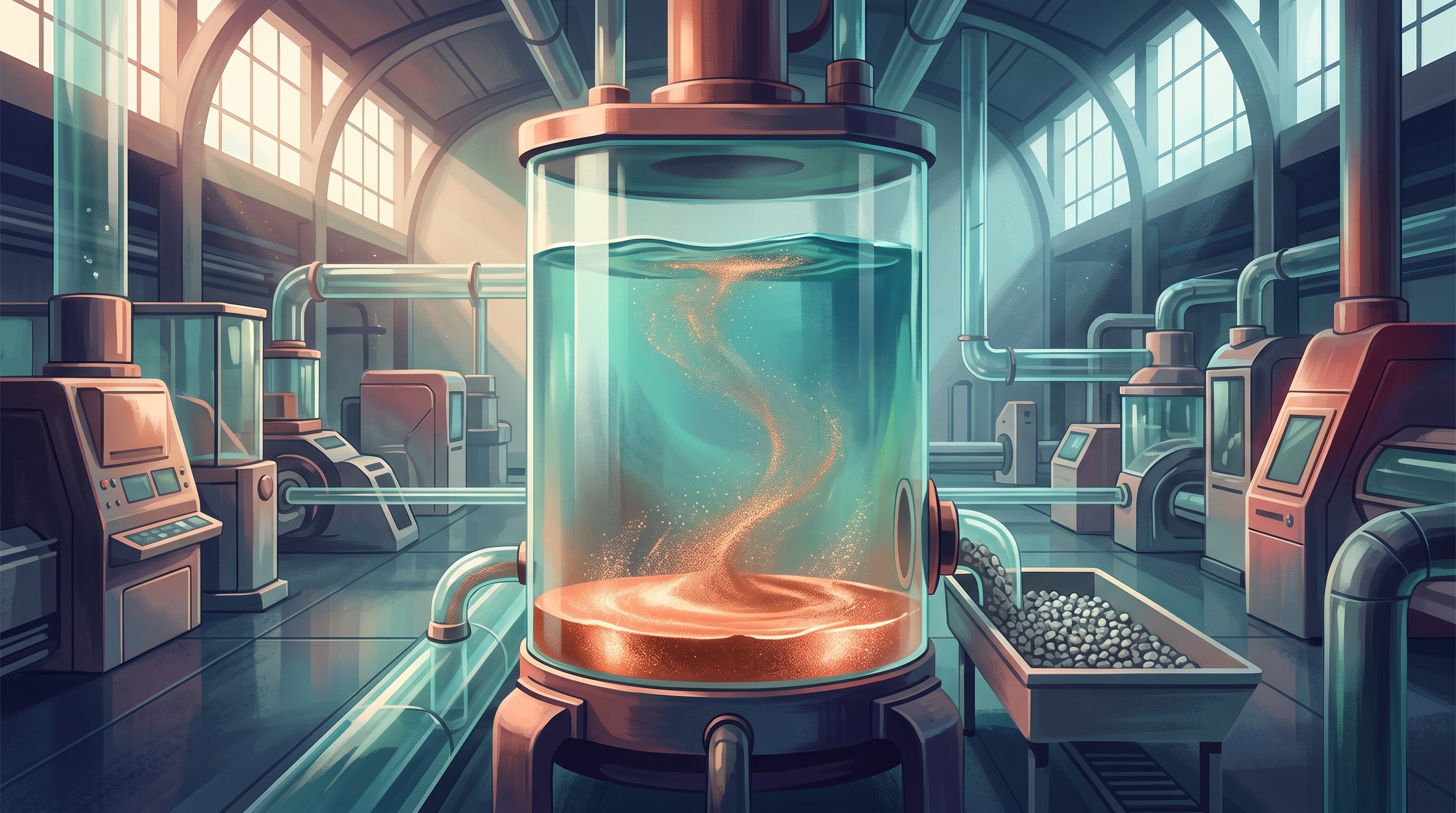
New method removes toxic arsenic from copper without a hot furnace
The Australian mining company Fortescue removes arsenic from copper ore with a liquid instead of a hot furnace. After four years of trials, the first batch of clean copper concentrate has been sold. That could make much copper usable that now stays in the ground.
-
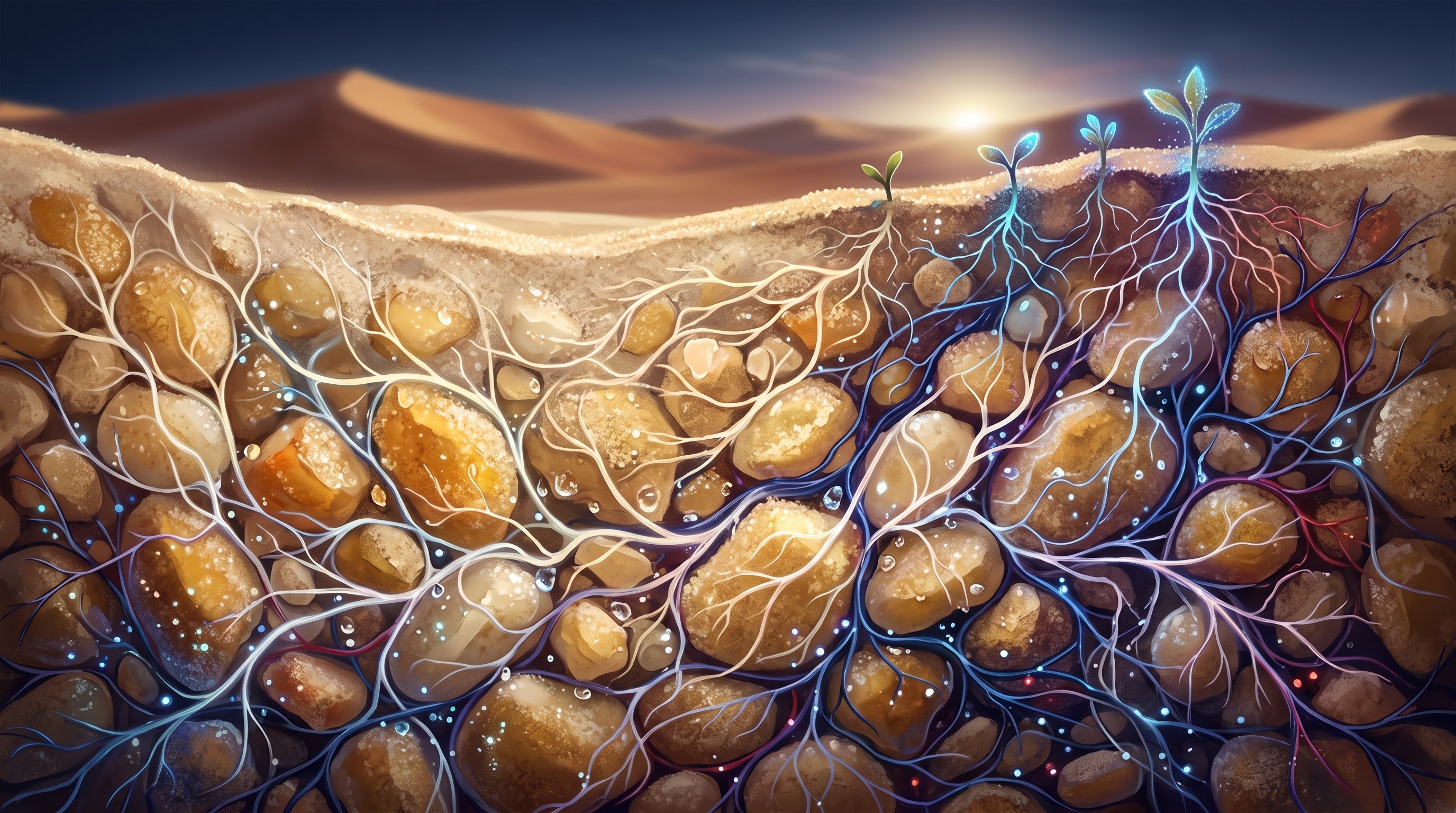
Bacteria and fungi make 'living desert sand' that holds water for longer
Researchers from Switzerland and Abu Dhabi let bacteria and fungi make fibres between grains of sand. As a result, water drains away up to six times more slowly, and with layers of bacterial cellulose even 28 times. It is a first step in the lab; trials with plants will follow.