Nederlands
Topic
#Datacenters
-
Solar power overtakes nuclear power worldwide for the first time
In 2025, solar panels generated more electricity than all nuclear power plants combined for the first time, says a major annual report on nuclear power. This year the lead is already clear, while nuclear's share is at its lowest level in 45 years.
-
Chinese team sends 3.2 petabits per second through a single optical fibre
Chinese researchers sent 3.2 petabits per second through one optical fibre with 24 cores, and the equipment processed everything straight away. That is a record for this kind of real-time measurement and could help connect AI data centres faster in future.
-
Tiny holes that slow down light make a small Japanese chip for optical fibre far more efficient
Japanese researchers built a component that turns electrical signals into light, using tiny holes that slow the light down. It is 0.3 millimetres long, runs on low voltage and sends up to 200 gigabits per second. The next step: losing less light along the way.
-
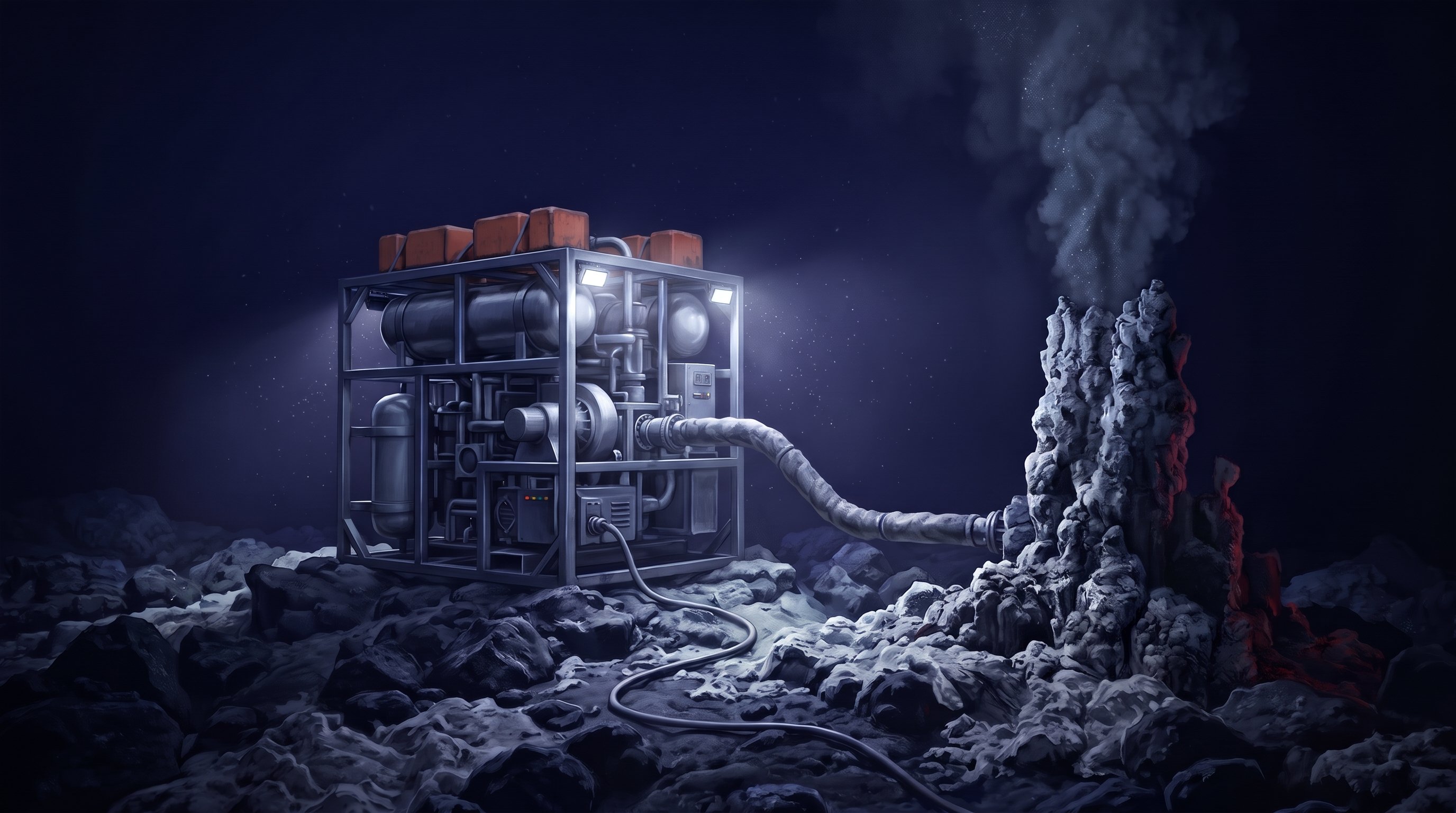
Start-up generates electricity for the first time with a power plant on the seabed, at an underwater volcano
At a depth of one and a half kilometres, Endurance Energy ran a small geothermal power plant on the heat of an underwater volcano. For a few seconds, it produced more electricity than it used itself. A stronger version follows this winter.
-
A different order makes AI servers start answering more than three times faster
Engineers from Amazon and Mistral have made the open software vLLM, which many companies use to run AI models, work together more cleverly. With long questions, the first word of the answer appeared more than three times faster in their test. The new method is free to use.
-
AI model Maxwell makes existing software faster while it runs
The Israeli company doubleAI presents Maxwell, an AI that rewrites programs while they run so that they go faster, without touching the source code. According to the company, one customer's computing costs fell by 67 per cent.
-
d-Matrix splits the work of an AI model across two kinds of chips for faster answers
At a major data centre conference, the American chip company d-Matrix showed how an AI model answers faster when ordinary graphics chips and its own chips each do the work they are good at. The company now also supplies complete computing clusters.
-
Chinese company Sugon shows computing cluster with 100,000 home-grown AI chips
China's Sugon is showing its Sugon 8000: a computing cluster that links 100,000 computing cards made in China. The system combines AI with classic supercomputing and, according to Sugon, has already run ten research projects.
-
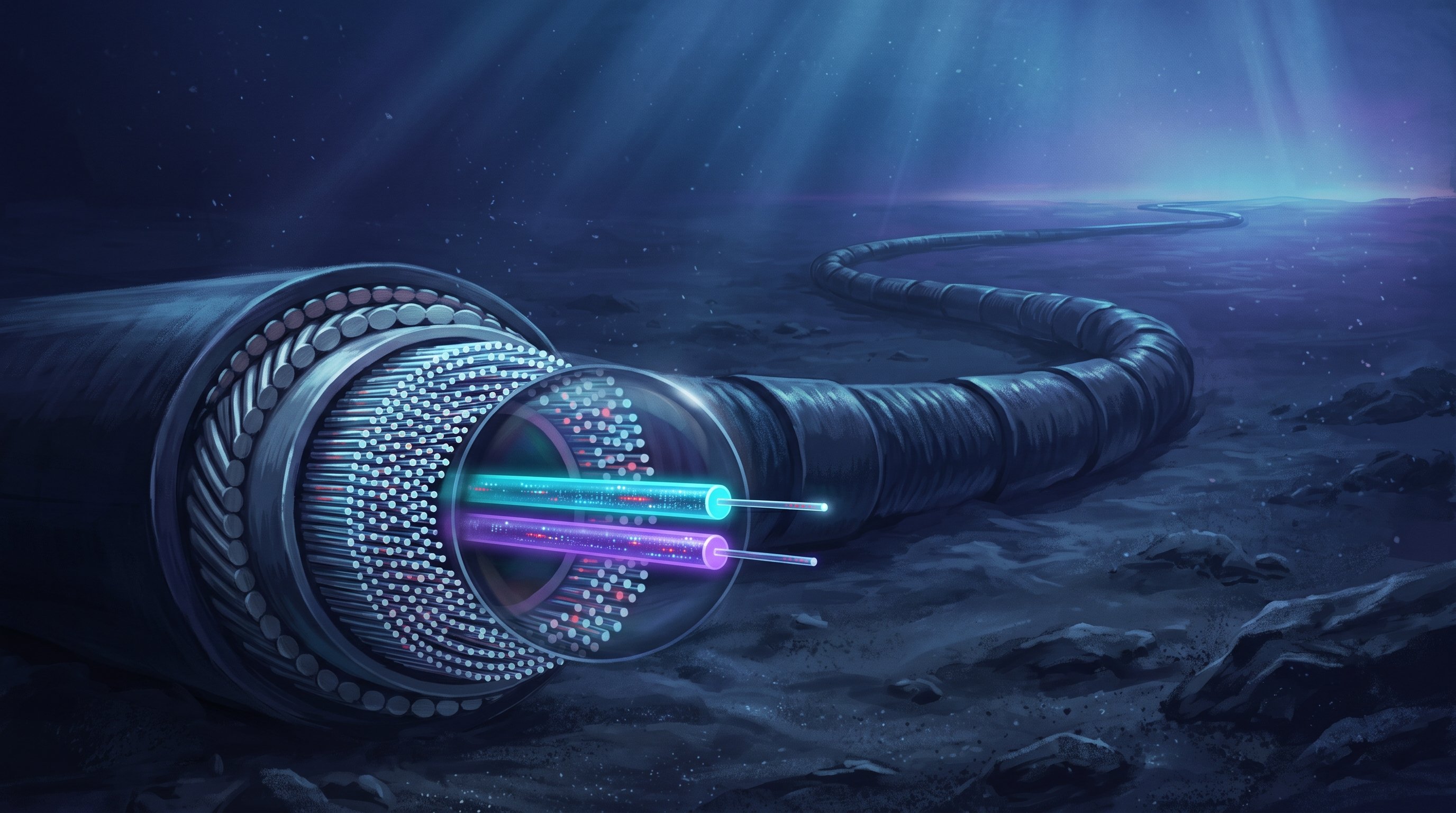
Meta has a subsea cable built with two light channels per glass fibre: twice as much data across the ocean
Meta is having a subsea cable laid between the United States and France that can carry 1 petabit per second, according to Meta twice as much as the best cables today. The secret: each glass fibre has two light channels instead of one. The cable is due to work in 2029.
-
Working AI server rack lets chips talk through light, with the optics right next to the chip
At a major data centre trade show in the US, three tech companies showed a working server rack in which chips talk through light, with the light components right next to the computing chip. That could make AI data centres much more energy-efficient. Large-scale production is next.
-
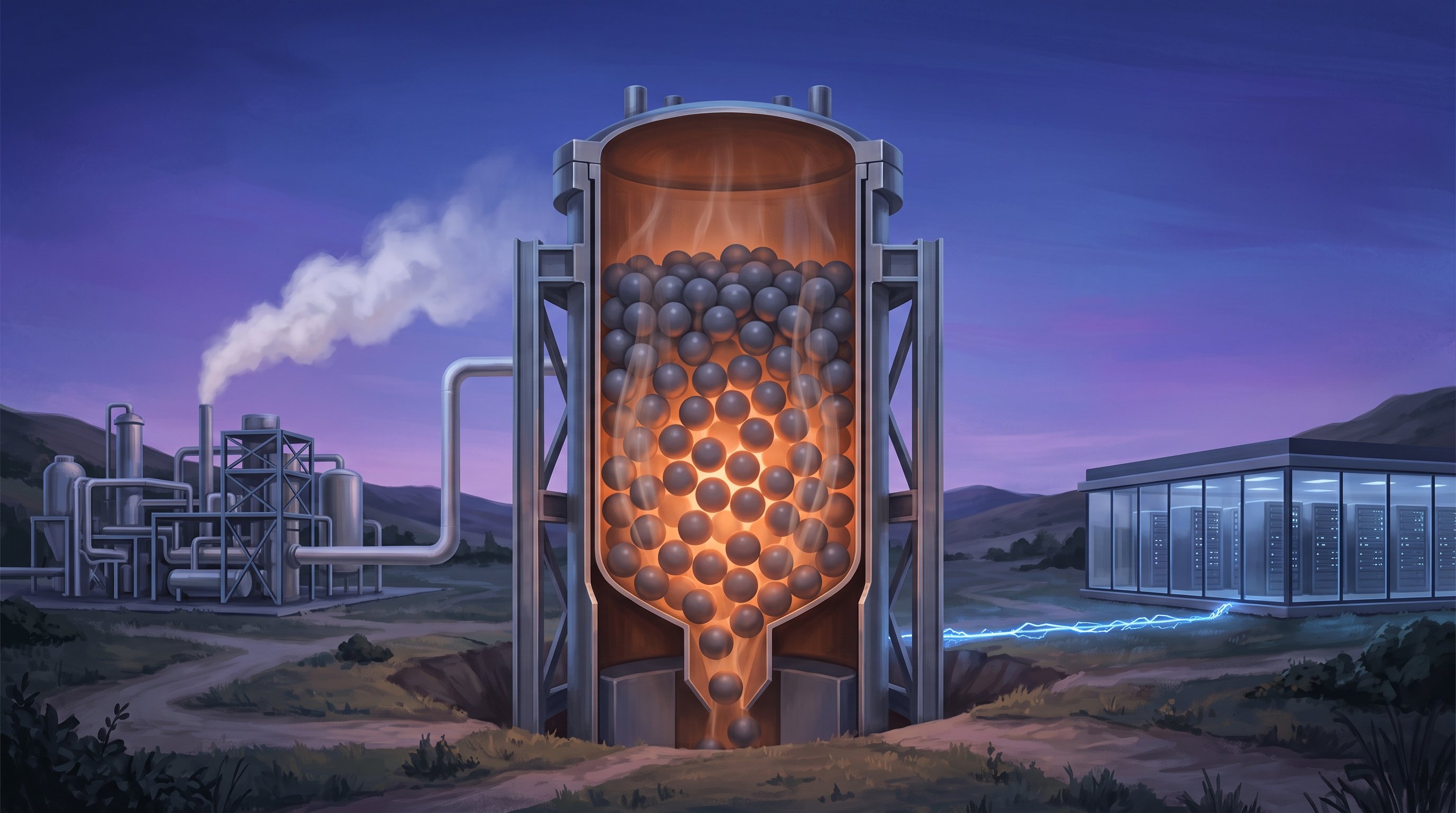
X-energy builds a small helium-cooled nuclear reactor for factories and data centres
The American company X-energy is developing a small nuclear reactor that is cooled with helium gas and supplies hot steam for factories and electricity for data centres. Chemical company Dow and Amazon want to build with it. The first reactors are due to run in the 2030s.
-
Google and Meta help pay for extra power from existing nuclear plants
American nuclear plants will deliver more electricity without new reactors. Google is buying 890 megawatts extra from Constellation for twenty years, Meta 433 megawatts from Vistra. This quickly adds clean power for AI data centres, as a first step alongside new plants.