Nederlands
Cancer
Cancer is a collective name for diseases in which cells grow uncontrollably and can crowd out healthy tissue or spread elsewhere in the body. There are hundreds of types, each with its own approach.
Cancer is not a single disease, but a collective name for hundreds of different diseases. What they share: cells in the body divide uncontrollably and no longer keep to the normal rules. That is how a tumour can arise, a tangle of such cells.
How does it work?
Every cell has instructions in its DNA that determine when it may divide, and when it must stop or clear itself away. Errors in that DNA can break those instructions. Such errors arise by chance when cells divide, or through outside influences, such as smoking or sunlight. Usually the body clears away damaged cells. If that goes wrong once, a cell can keep dividing.
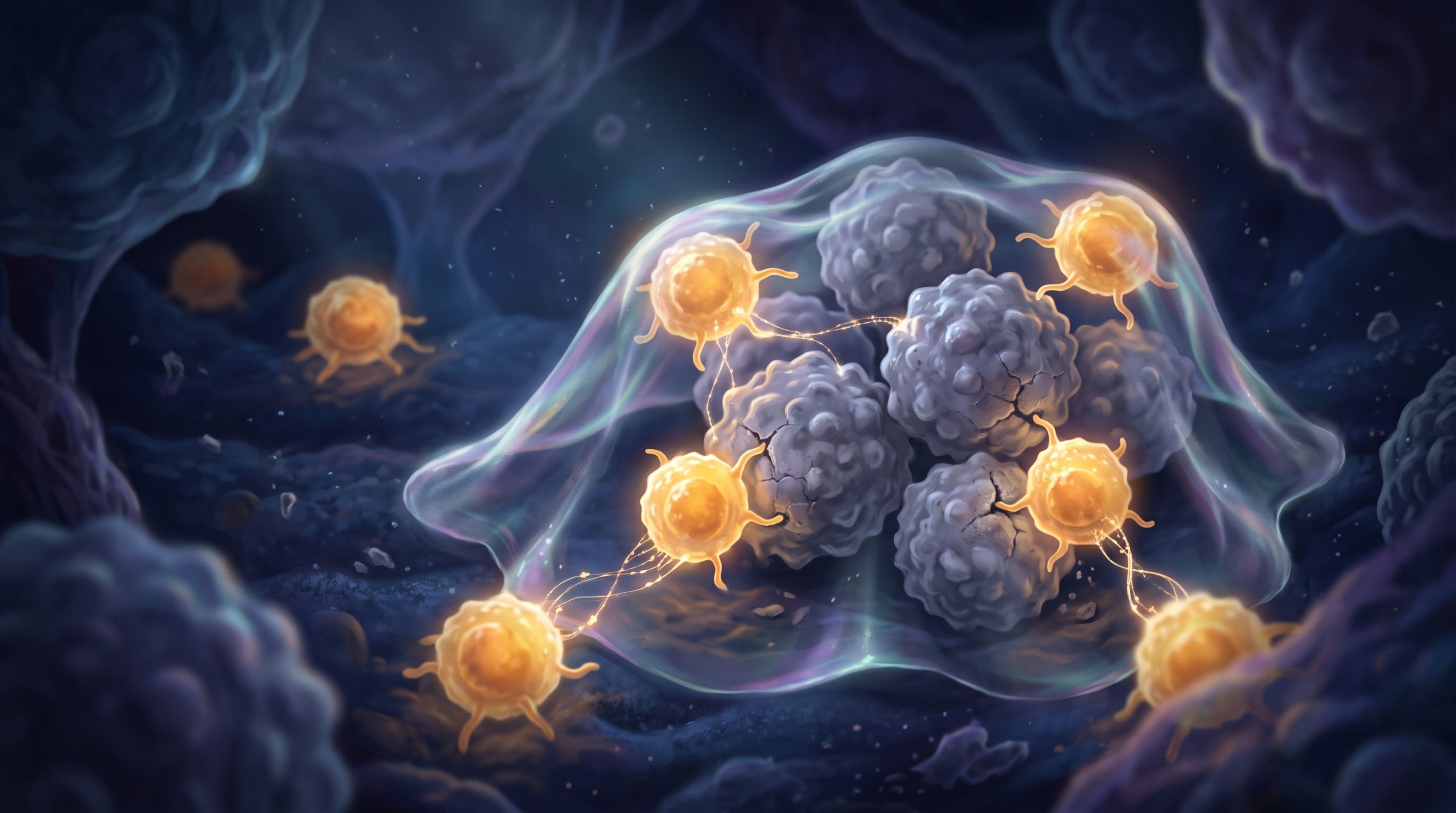
A tumour can crowd out healthy tissue. In some forms, cells break loose and spread to other places, which makes the disease harder to treat. Cancer cells can also hide from the immune system.
Because every kind of cancer is different, there are many treatments, such as surgery, radiotherapy, drugs and immunotherapy. Which one is suitable is decided by a doctor together with the patient.
Why it matters
Cancer affects many people, and researchers are looking for new approaches in many places. A large part of this concerns the immune system. In a large study of 1,137 people with melanoma, a dangerous form of skin cancer, a personalised mRNA vaccine reduced the chance of recurrence by 42 per cent (link). It was given alongside the usual treatment. An Australian team meanwhile found that a little-known kind of immune cell can recognise and kill small-cell lung cancer, even when it hides from the rest of the immune system (link). They saw this in the lab; research in patients now follows.
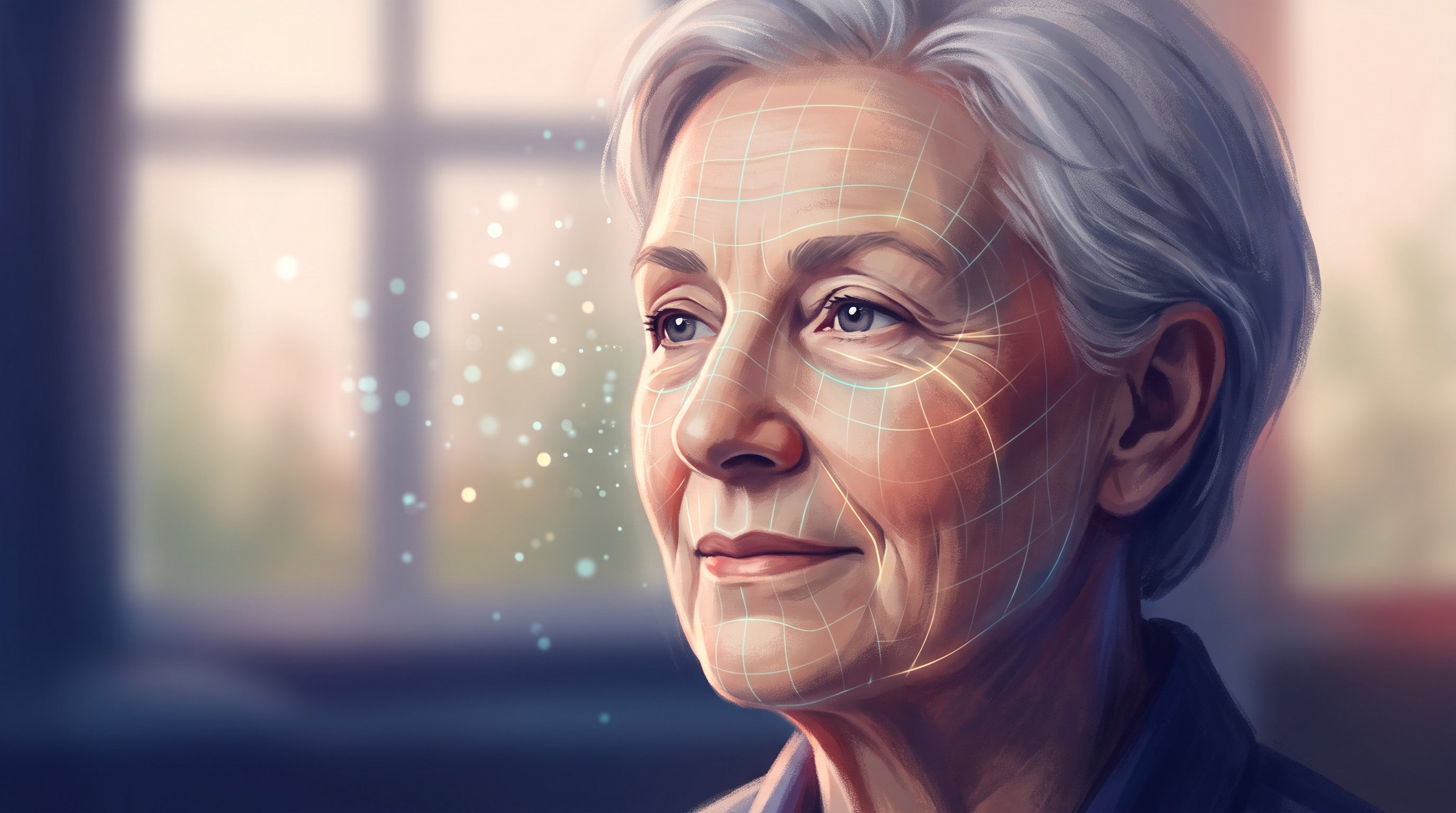
AI is helping too, for instance in assessing the disease. Researchers at Mass General Brigham built an AI that estimates, from a single ordinary photo of the face, how old someone's body is and how likely they are to survive cancer (link). More research comes first.
Articles about Cancer
-
AI agents run DNA experiments on their own in a robot lab
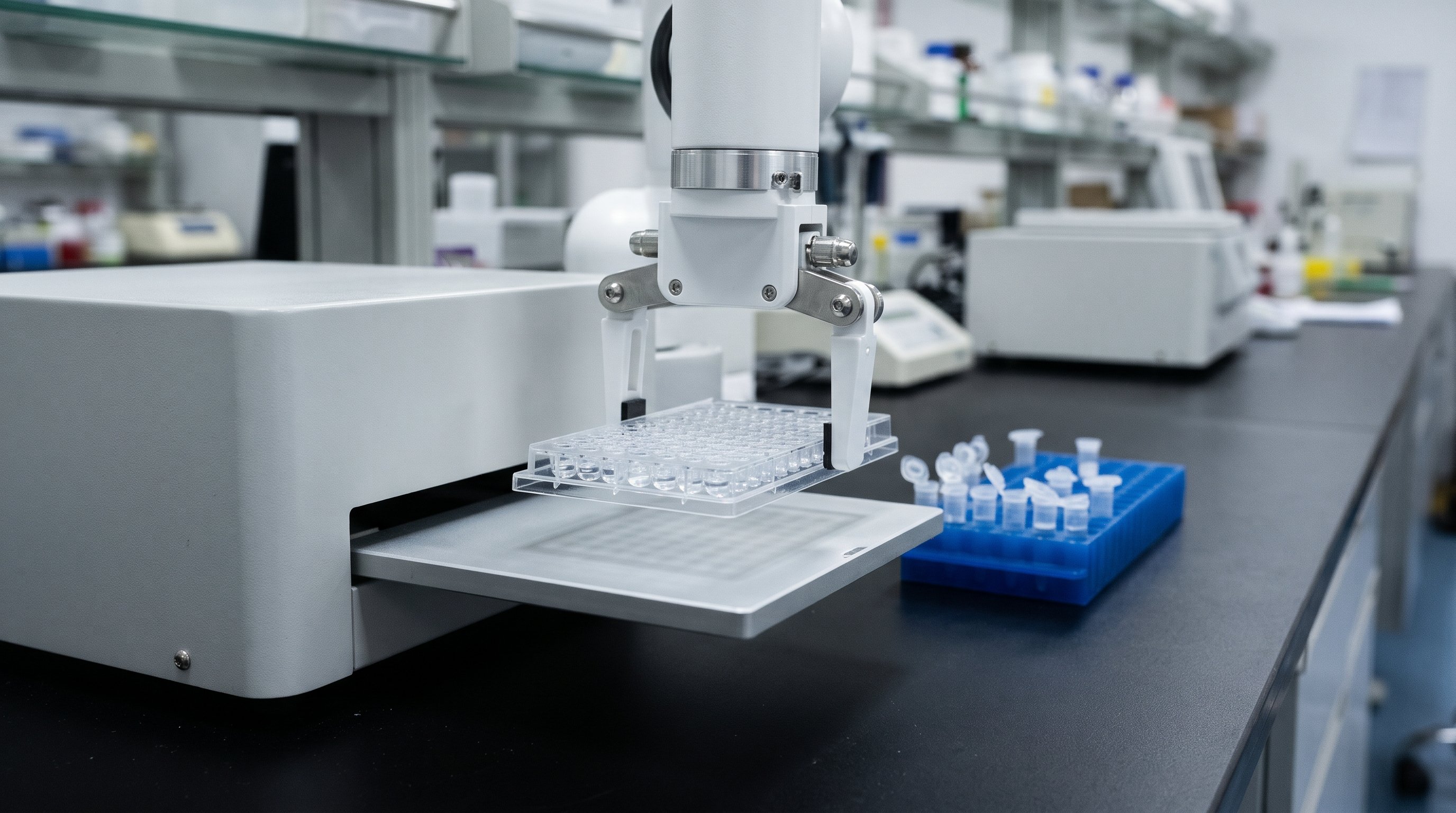
In AutoDNA, a lab at Shanghai Jiao Tong University, AI agents design DNA experiments and carry them out themselves, using more than twenty types of equipment. People only refill materials and maintain the machines. The research is published in Nature.
-
Google DeepMind gives AI agent chemistry skills: drug design work cut from days to an hour
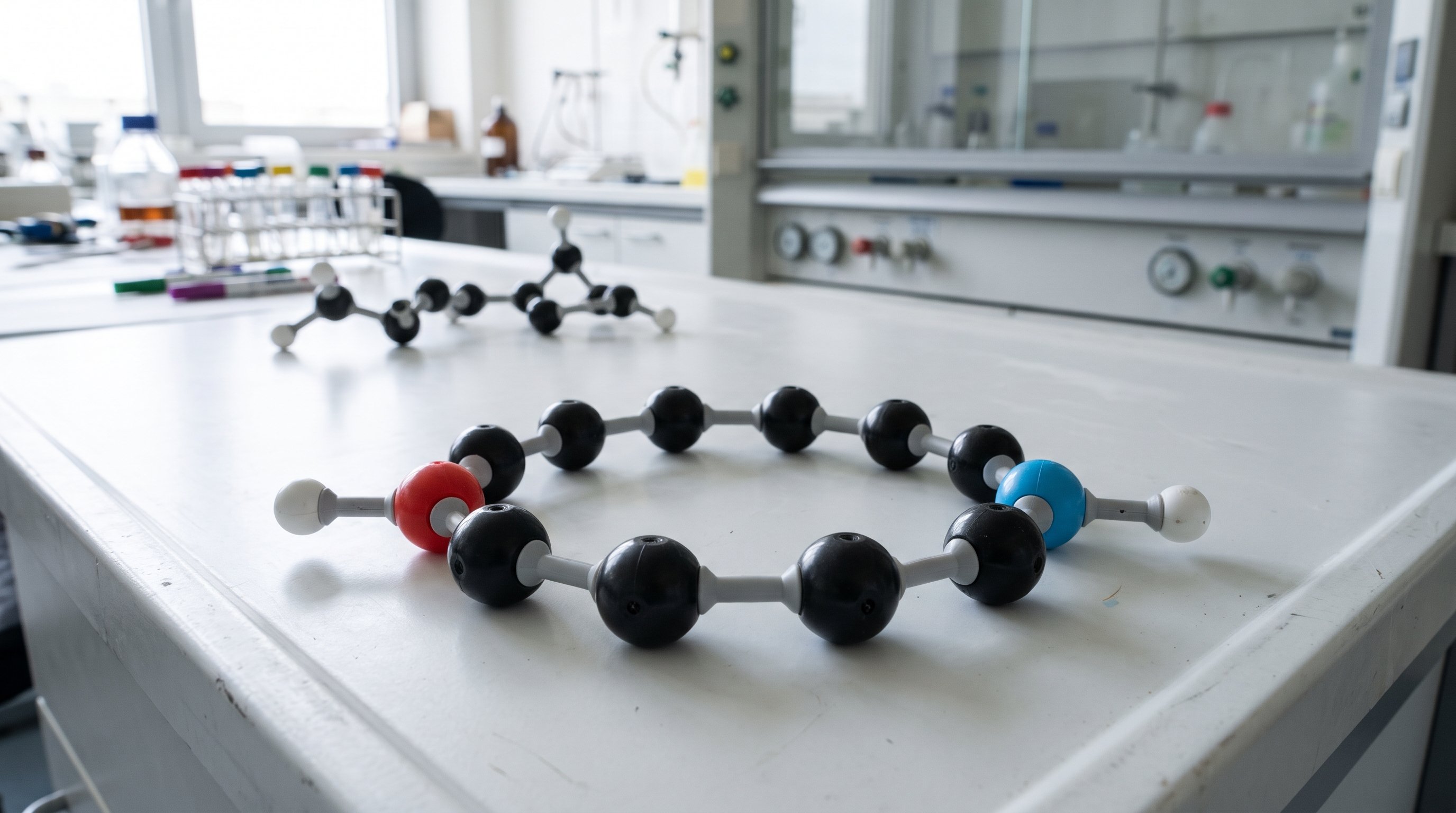
Google DeepMind has released chemistry skills for its AI platform Antigravity. In a demonstration, an AI agent used them to do in about an hour work on new medicines that, according to Google, usually takes chemists days. The designs still have to be tested in the lab.
-
Surgeon operates remotely between two US hospitals for the first time
A surgeon in Florida used a robot to remove the prostate of a patient who was lying in another hospital more than 55 kilometres away. It is the first operation of this kind between two US hospitals. A clinical study will show whether it can be used more widely.
-
Claude designs building blocks for a new food allergy medicine
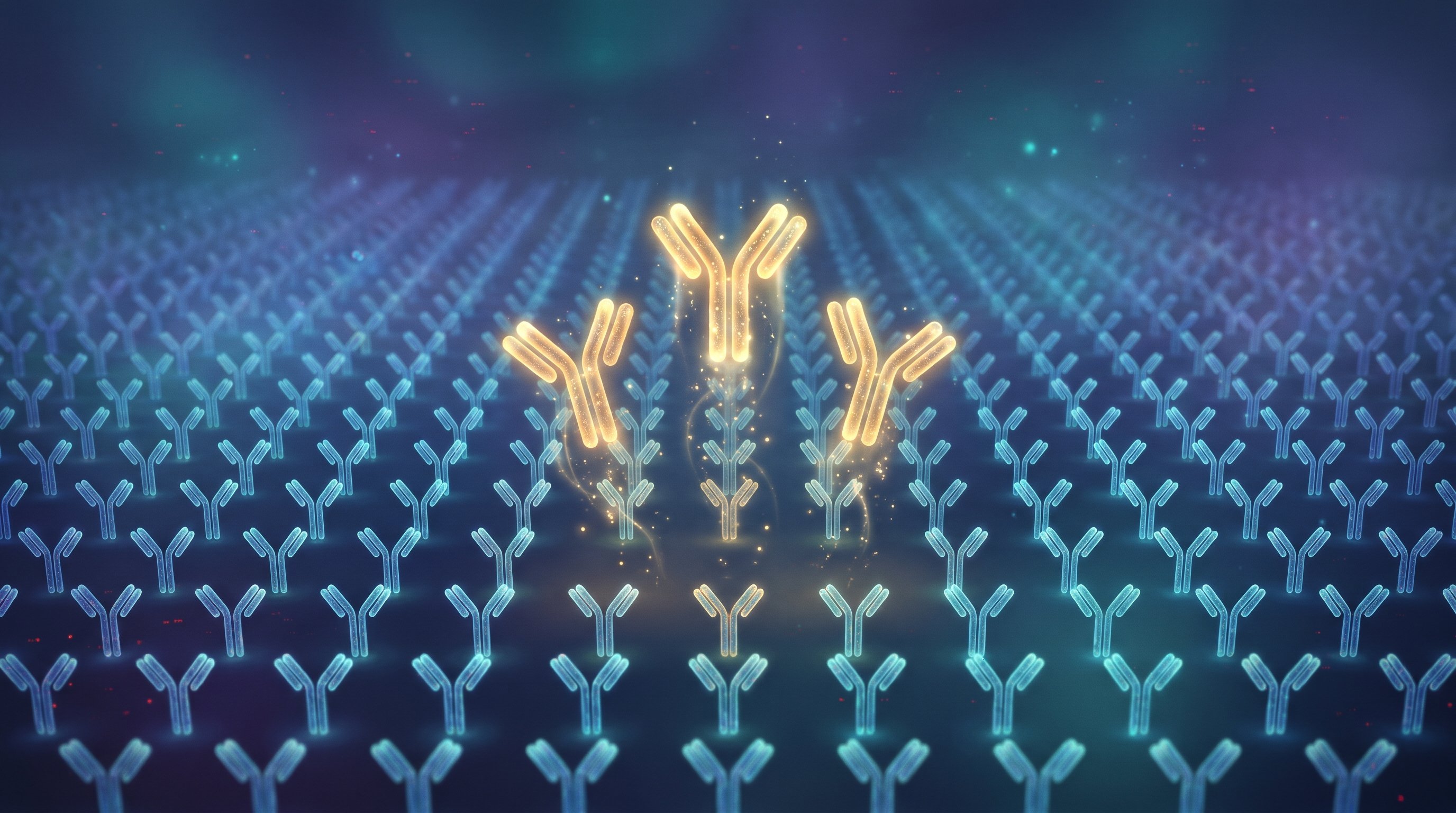
For Divergence Labs, the AI model Claude came up with some 35,000 designs for small antibodies that should pull the allergy antibody IgE off immune cells. In the lab, three of them removed more IgE than an existing allergy medicine. The next step is to combine the parts into a single medicine.
-
Anthropic buys a one-person biotech company: Claude handled the work with eleven laboratories
With help from Claude, one scientist took a possible treatment for a rare muscle disease from idea to first results in mice in less than 18 months. Anthropic took over his company and also reports early results from six partners.
-
AI estimates biological age and cancer survival chances from a single face photo
Researchers at Mass General Brigham built AI that estimates, from a single ordinary face photo, how old someone's body is and how likely a cancer patient is to survive. This could help doctors better assess how much treatment a patient can take. Further research is needed first.
-
Personalised mRNA vaccine cuts the risk of melanoma returning by 42 per cent
A vaccine made to measure for each patient cut the risk of recurrence or death by 42 per cent in a large study of 1,137 people with melanoma. The full results have now been presented at the European cancer congress ESMO.
-
Breakthrough in hepatitis B: first medicine that lets 1 in 5 patients stop taking pills
In the United States, a medicine has now been approved that can 'functionally' cure chronic hepatitis B in some patients. After six months of injections, the virus stayed under control in about 1 in 5 participants, even when they stopped all medication.
-
Claude designs proteins against scorpion venom in 64 hours: 17 bind to their target in the lab
A research version of Claude designed over 318,000 small proteins against five scorpion toxins in 64 hours. Two labs made 211 of them, and 17 bound firmly to their toxin. It is not yet an antidote, but it is a first step.
-
Australian researchers give doctors a 'switch' to control immune cells as medicine
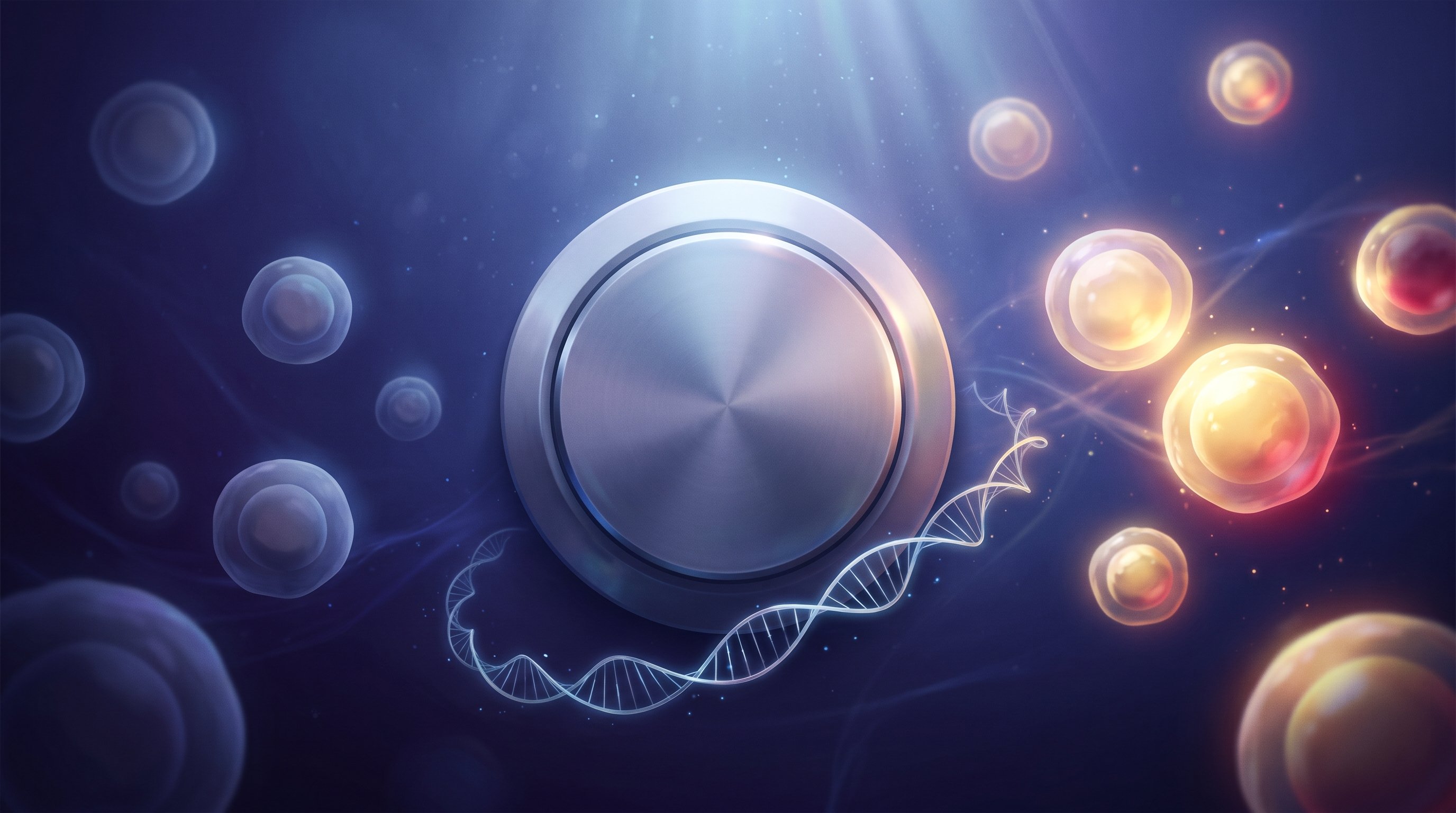
Researchers at WEHI in Melbourne have modified immune cells so that doctors can control them using two existing medications: one helps the cells grow, while the other inhibits them. The next step is a first study in humans.
-
British biobank maps the immune systems of 80,000 people, as learning material for AI
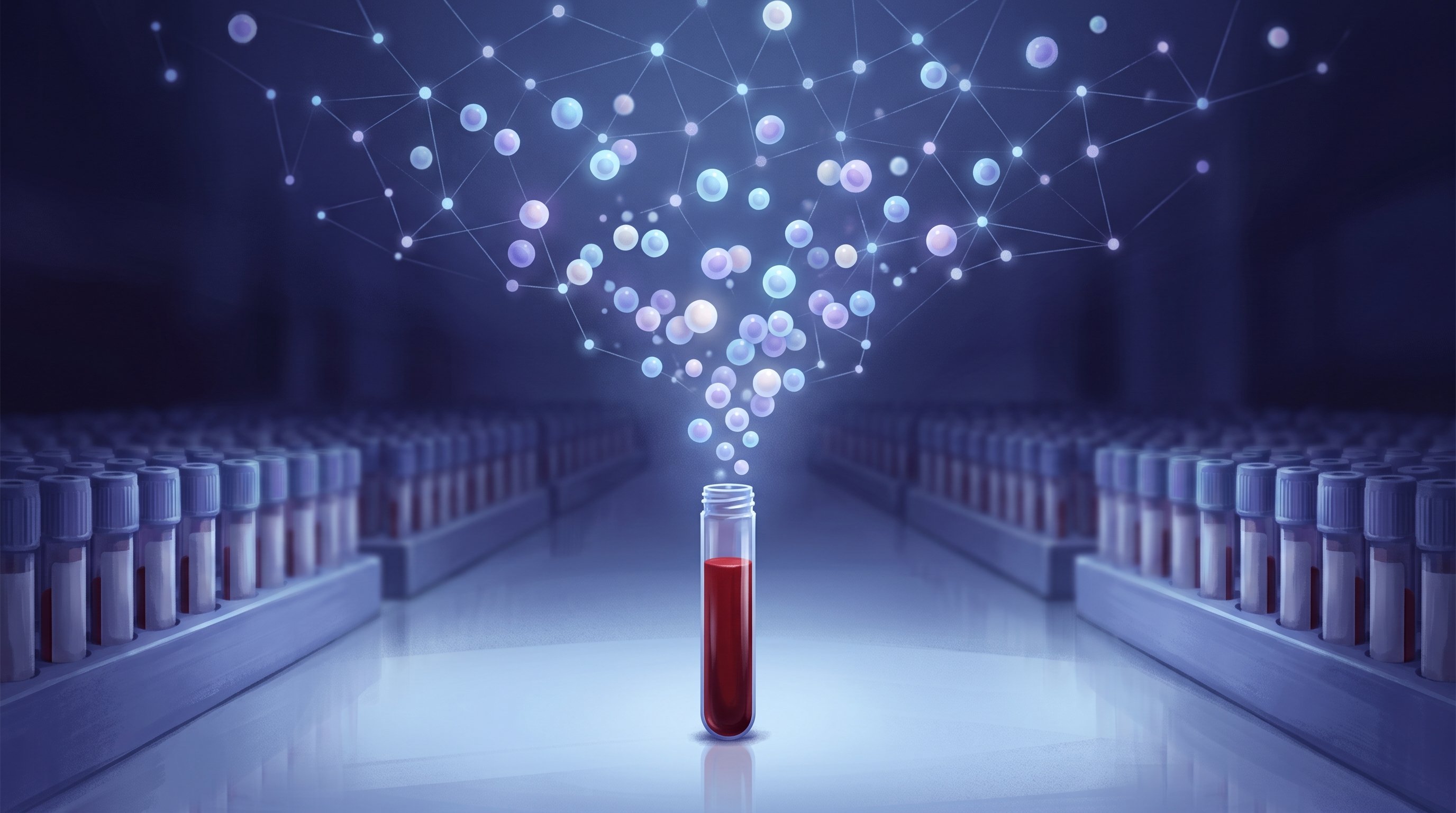
The London company IMU Biosciences will measure the immune cells in 80,000 blood samples from UK Biobank in great detail. Linked to genes and health data, this should teach AI models which changes in the immune system signal diseases such as cancer or dementia.
-
AI model IRIS reads which signals cells in an embryo have received
Researchers at MIT and the Whitehead Institute have built an AI model that can tell from a cell's gene activity which signals that cell received from its neighbours. With that knowledge, they have already improved a lab recipe for growing precursors of lung tissue from human stem cells.
-
Overlooked immune cells can recognise and kill small-cell lung cancer
Australian researchers discovered that a little-known type of immune cell can track down an aggressive form of lung cancer, even when it hides from the rest of the immune system. Two existing medicines made that attack stronger in the lab. The next step is research in patients.