Nederlands
Zinc battery running on salty lake water keeps 80 per cent of its capacity after 900 charges at −50 °C
Researchers have made a rechargeable zinc battery based on filtered water from a salt lake. In the lab, a test battery could still store 80 per cent of its original charge after being charged and discharged 900 times at −50 °C.
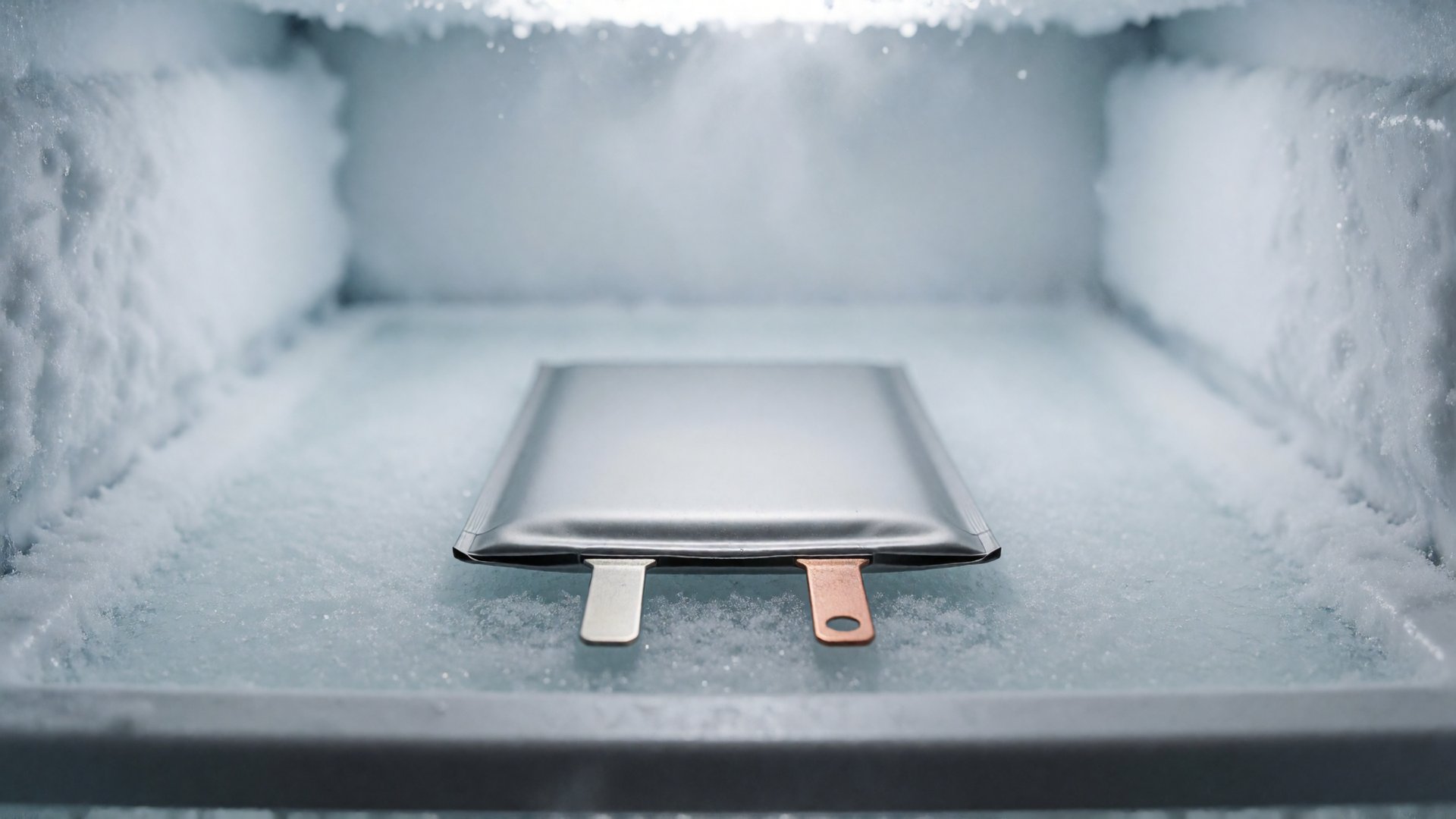
Severe cold is hard on batteries. A water-based battery contains a liquid through which the charge moves, the electrolyte. In extreme cold, that liquid can freeze. The charged particles in the liquid, the ions, also move more slowly in the cold. The battery then delivers less power, or stops working altogether.
A team that includes Huajun Tian of North China Electric Power University has built a zinc battery that keeps working at −50 °C. Its liquid starts out as water from a salt lake. Researchers from Qinghai Minzu University and Beijing University of Chemical Technology also took part. The work appears in the Journal of the American Chemical Society, a chemistry journal.
Salty water instead of pure water
Water-based zinc batteries usually use pure water, from which almost all dissolved salts have been removed. Salty lake water still contains those salts. Dissolved salts consist of ions, and these help carry the charge through the liquid. They also make it harder for water to freeze, just like the salt spread on roads in winter. The lake water only needs to be collected and filtered.
The salt also has drawbacks. It attacks the zinc and sets off unwanted reactions. In addition, the zinc does not settle in an even layer during charging. Small branches of zinc then grow. If they grow all the way to the other side of the battery, they cause a short circuit.
Antifreeze and a protective layer
The researchers mixed the lake water in equal parts with propylene glycol, a substance that is also found in antifreeze. They then dissolved a zinc salt in it. Experiments and computer calculations showed that the mixture changes how the water molecules behave, around each other and around the zinc ions. As a result, the liquid freezes less easily and the water attacks the zinc less.
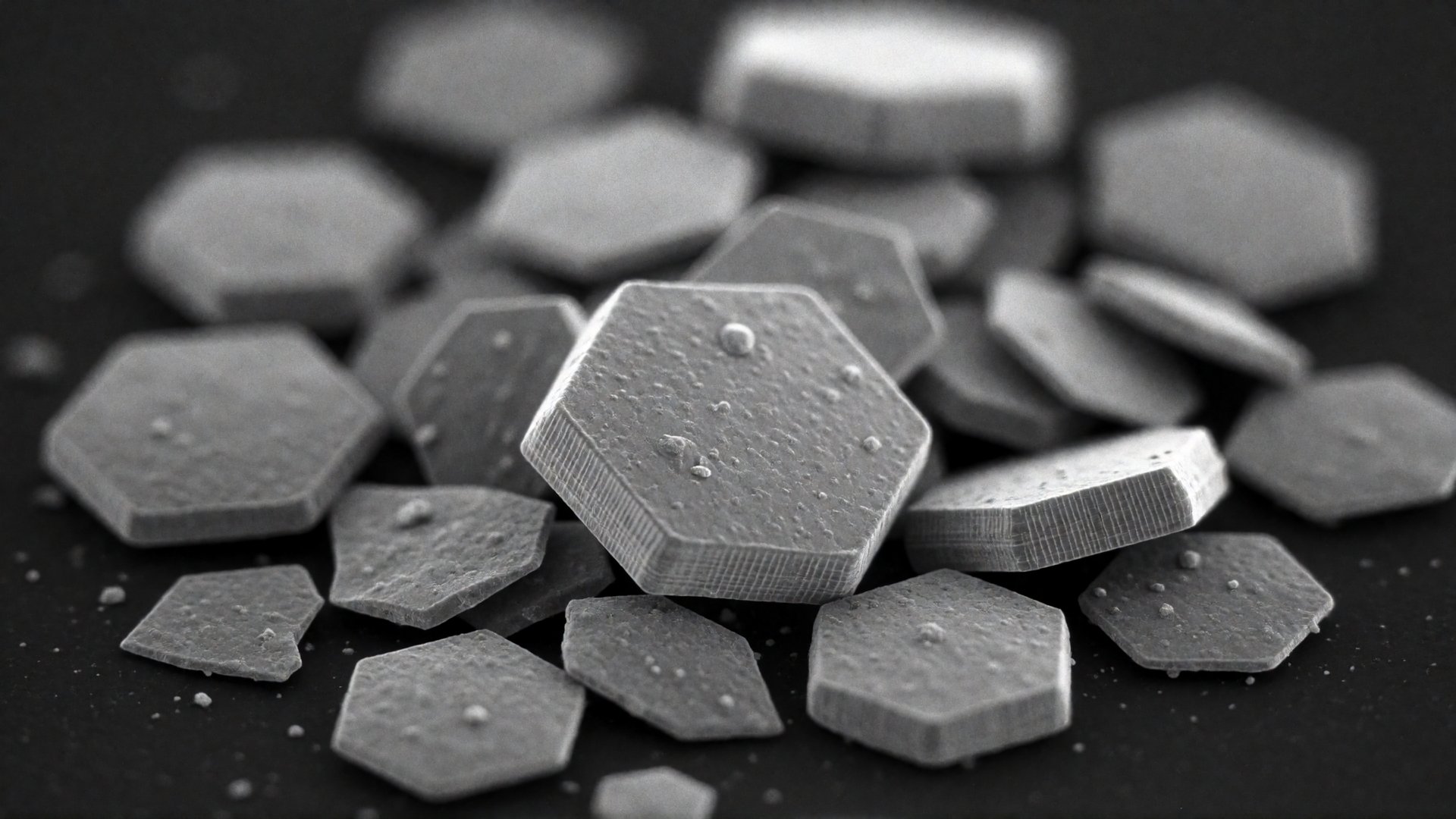
A battery has two electrodes, the poles where the charge is stored. The zinc electrode was given a thin coating made of a mixture of three metals: indium, tin and zinc. Under the microscope, this coating looks like coral. It makes the zinc settle more evenly. Unprotected zinc formed branches and gave off hydrogen gas. The protected zinc stayed smoother and gave off less gas.
What the tests showed
First, the researchers tested only the protected zinc. At −50 °C and a low current, it stayed stable for more than 3,200 hours, well over four months. That test says something about the zinc, but not yet about how long a complete battery lasts.
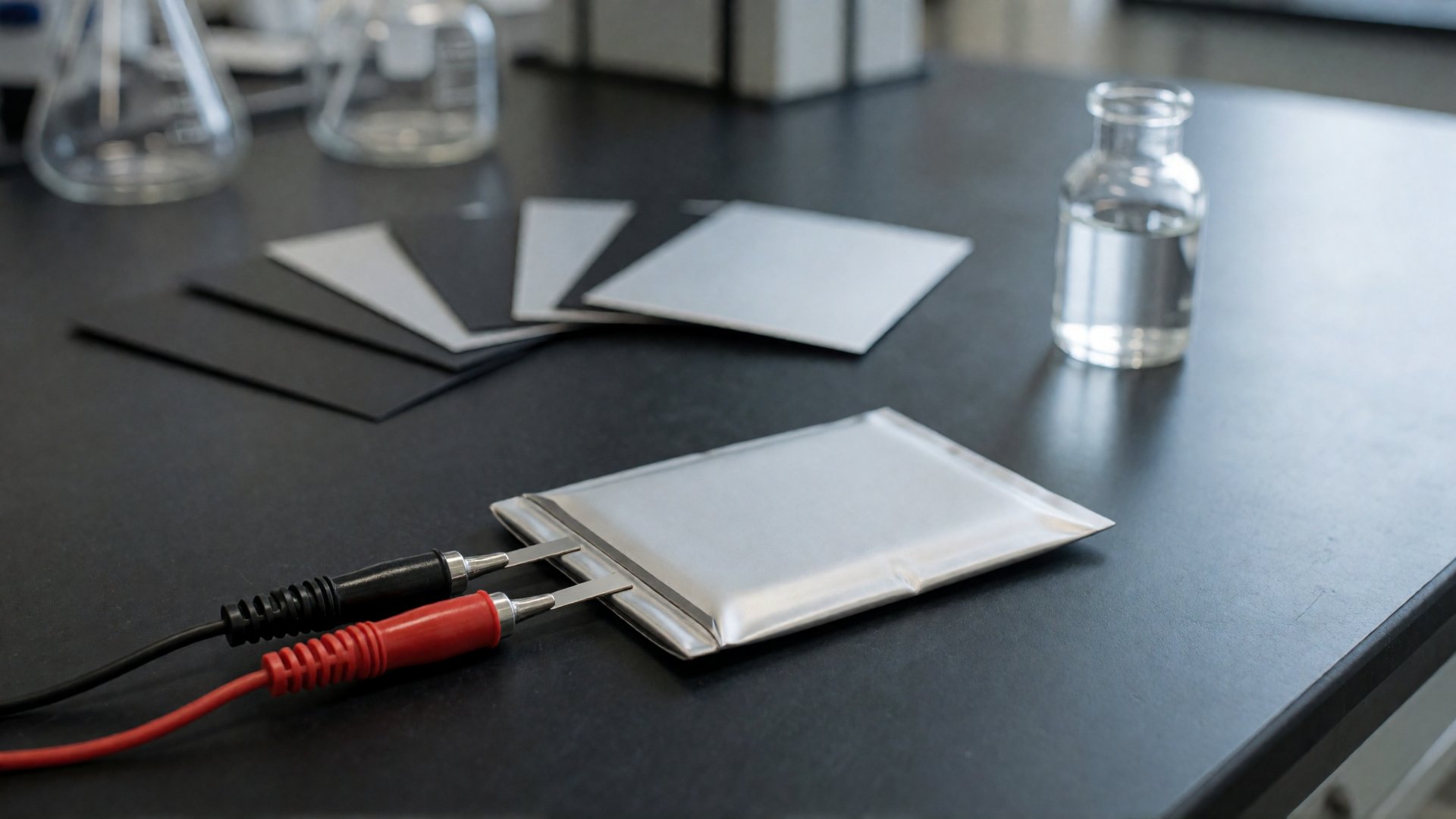
They then built a flat test battery in a foil pouch. The other electrode was made of polyaniline, a plastic that conducts electricity. At −50 °C, this battery was charged and discharged 900 times. After that, it could still store 80 per cent of its original amount of charge.
There is still work to do. Some ions from the lake water take up places in the plastic electrode that are meant for zinc ions. As a result, that electrode can hold less charge. For large-scale production, it also needs to become clear what the antifreeze and the protective layer cost.
What does this mean for the road to the singularity?
Anyone who uses a phone or an electric car in winter notices that batteries deliver less in freezing cold. Large batteries in cold regions are therefore often heated, and that heating itself uses electricity. Researchers are looking in several ways for water-based batteries that keep the water in the cell under control. With an iodine battery, the aim was to stop the water from reacting with the iodine. Here, the water must not freeze and must not attack the zinc.
If this line of research continues, a battery could work in cold regions without first having to be warmed up. Think of storage for solar and wind power on a cold high plateau, or a measuring station far from the power grid. What is more, the liquid starts out as ordinary filtered lake water, without expensive purification. The next step is to work out what the additives cost. If that turns out well, there will be one more storage technology for places where batteries struggle today. The more solar and wind power can be stored everywhere, the stronger the energy supply on which all other technology builds.
What is the technological singularity? Read the explanation →