Nederlands
Topic
#Europa
-
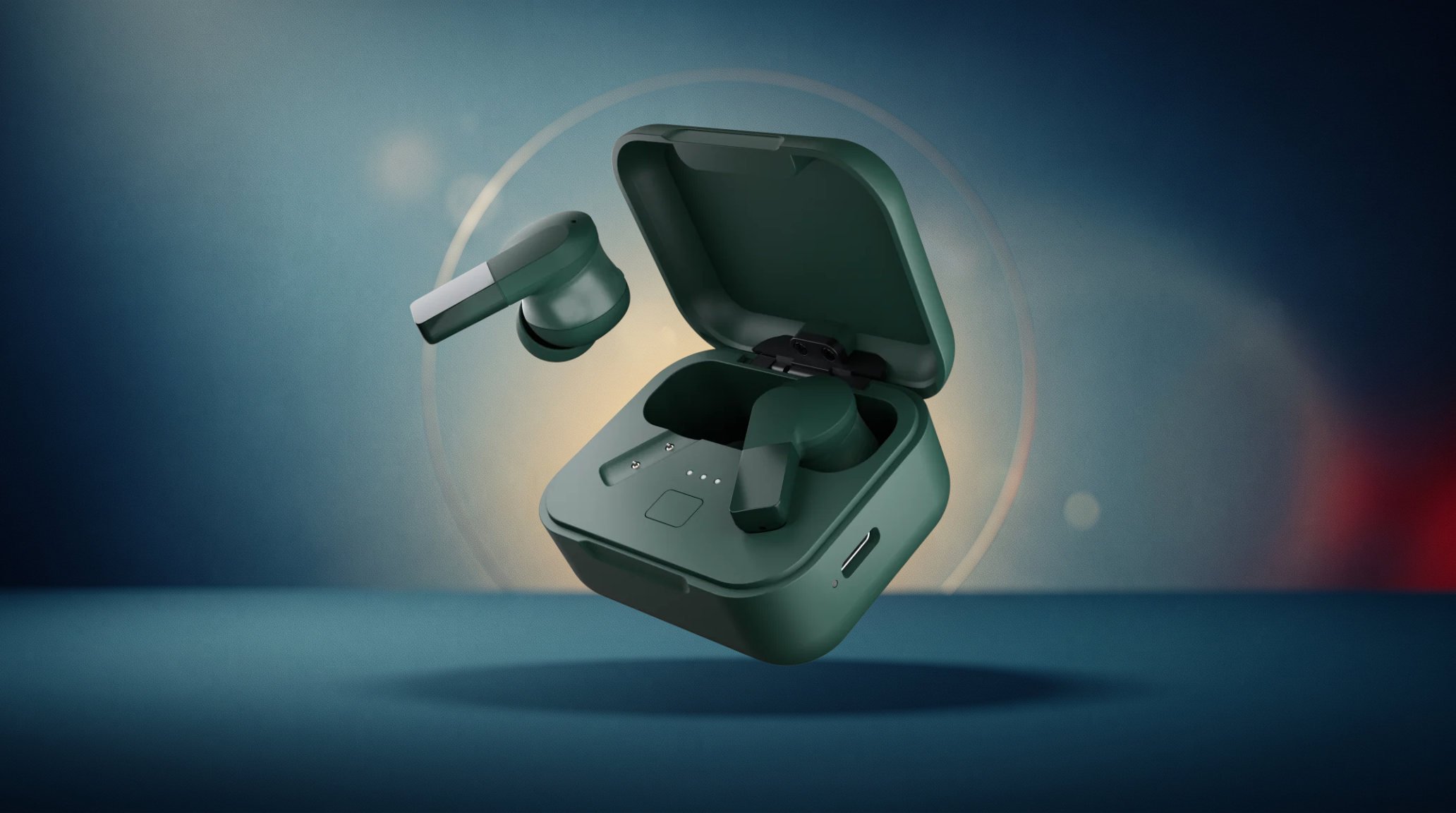
Fairphone launches new earbuds with batteries users can replace themselves
Amsterdam-based Fairphone has launched the Fairbuds 2: wireless earbuds whose batteries, in both the buds and the charging case, can be replaced by the user. They last longer on one charge, have noise cancelling and are cheaper than the first version.
-
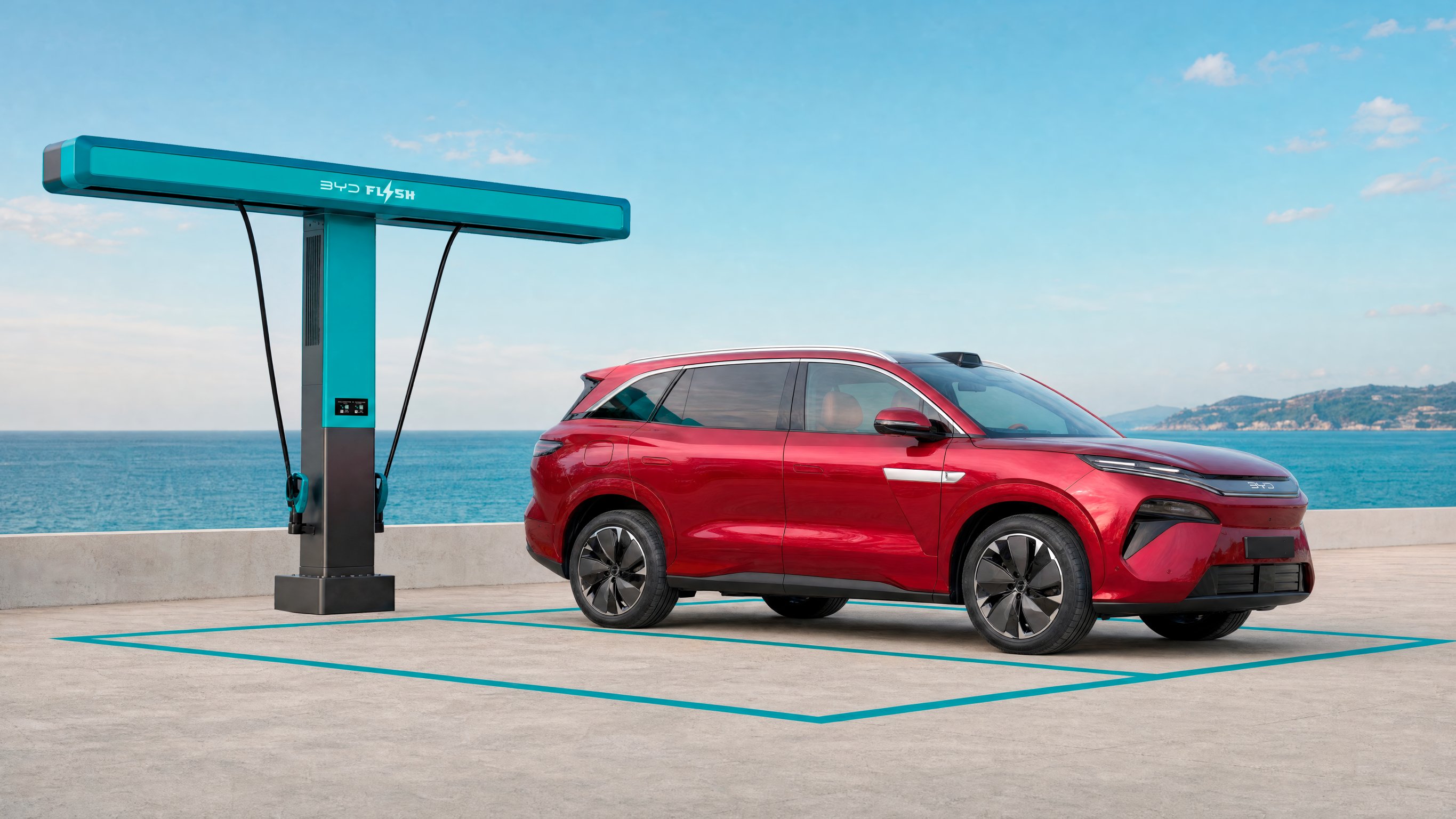
Charging as fast as refuelling: cars with megawatt charging are coming to Europe
Chinese carmakers are bringing cars to Europe that charge almost fully in nine minutes, such as the Denza Z9 GT and the new BYD Atto 8. They need much more powerful charging points. These are now being built across Europe.
-
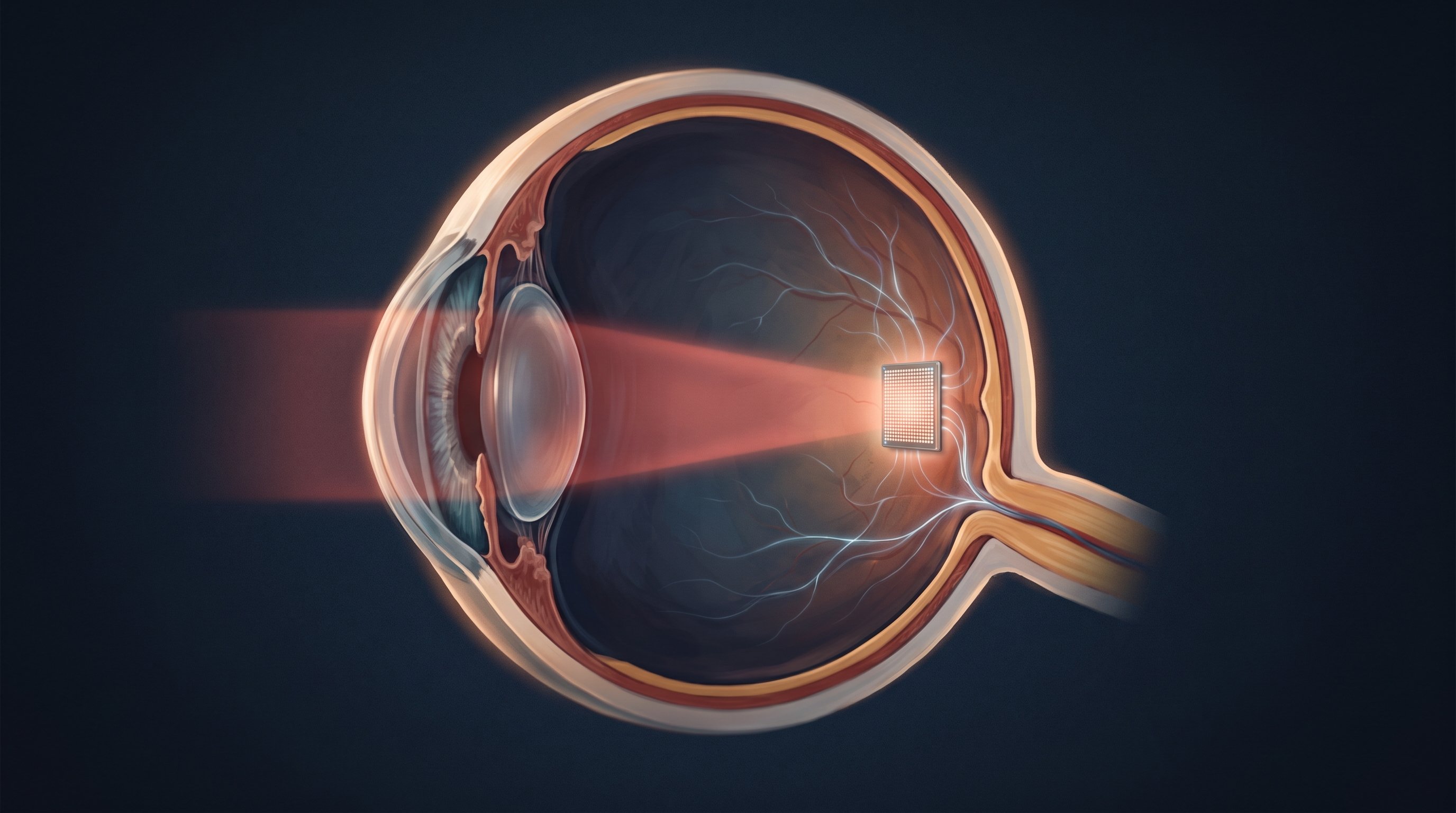
Retinal implant lets people with macular degeneration read again
Science Corporation's Prima implant has been allowed in Europe since July for an advanced form of macular degeneration. In a study, more than 80 per cent of participants could read clearly more letters after a year. In the US, the application is still under way.
-
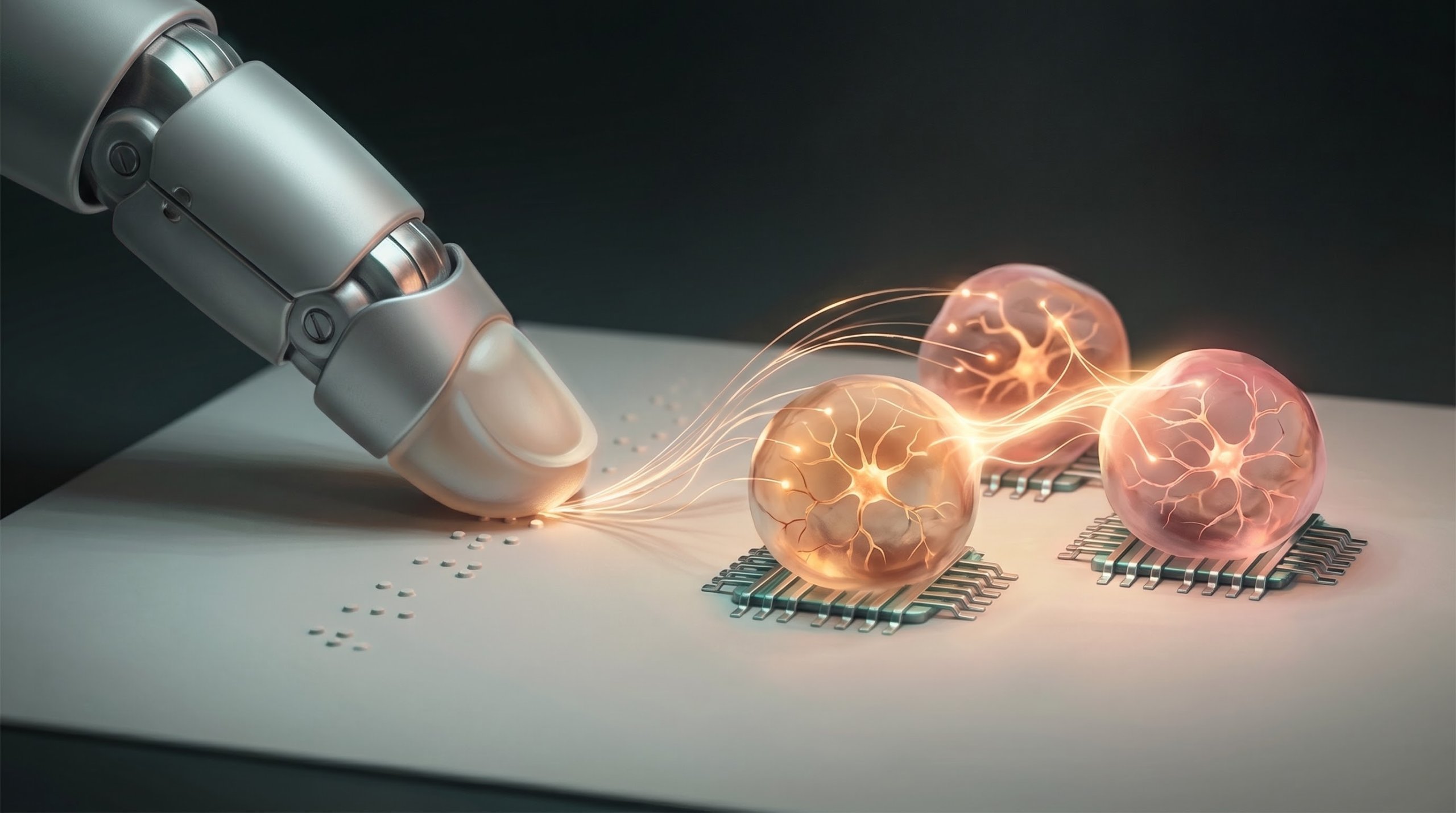
Researchers read braille with lab-grown brain tissue
Researchers at the University of Bristol sent braille, felt by a robotic finger, as small electrical pulses to lab-grown balls of brain tissue. From the response of three balls together, they read 83 per cent of the letters correctly. A first step towards energy-efficient biocomputers.
-
Blood cells from an 80-year-old become young brain stem cells in the lab
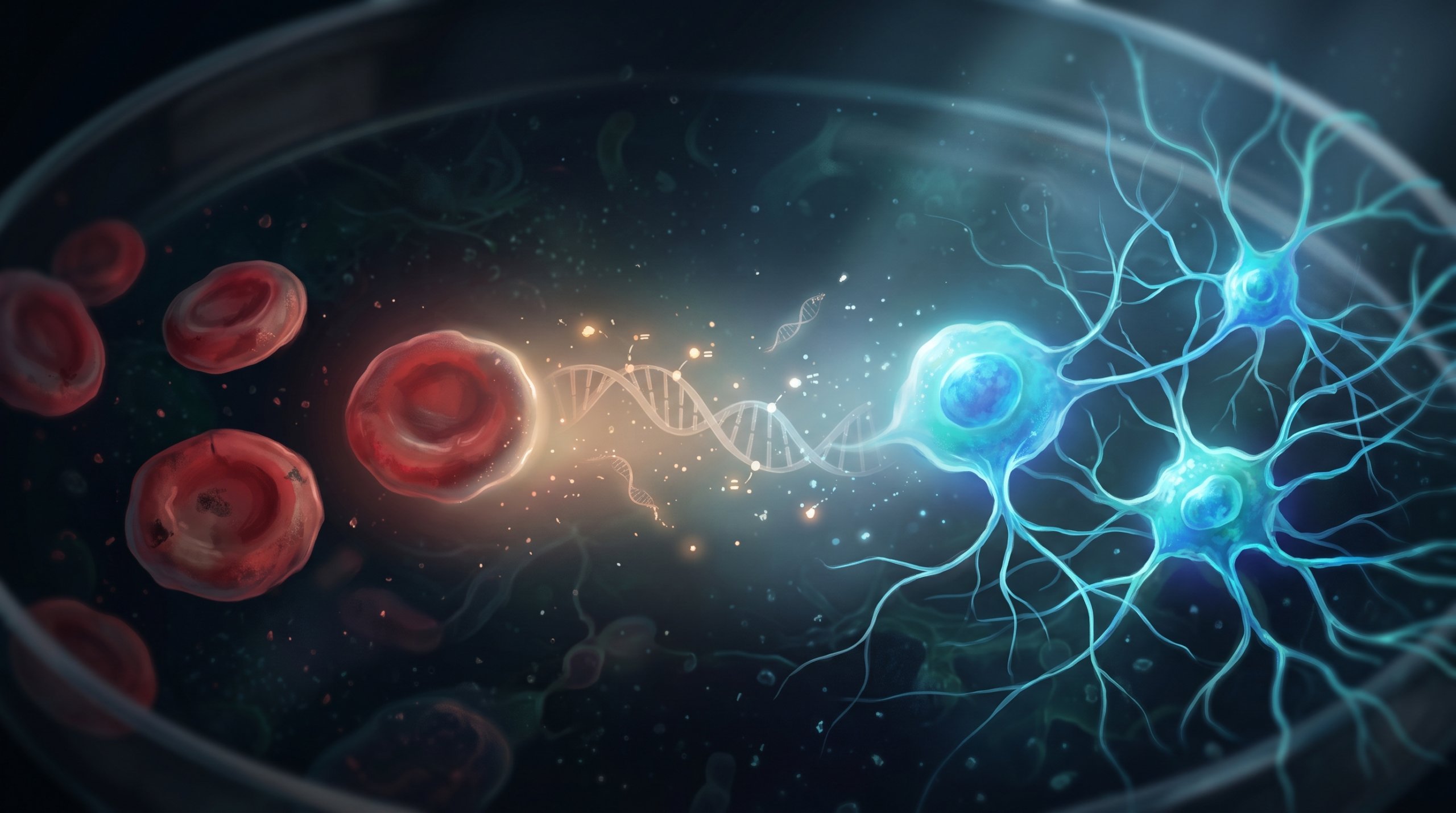
Researchers in Bonn have directly converted blood cells from an 80-year-old into neural stem cells with a molecular age of under 20. The rejuvenation happened gradually, and that is exactly what makes it a useful model for unravelling how cells become younger.
-
European physics prize for the discoverers of a third kind of magnetism
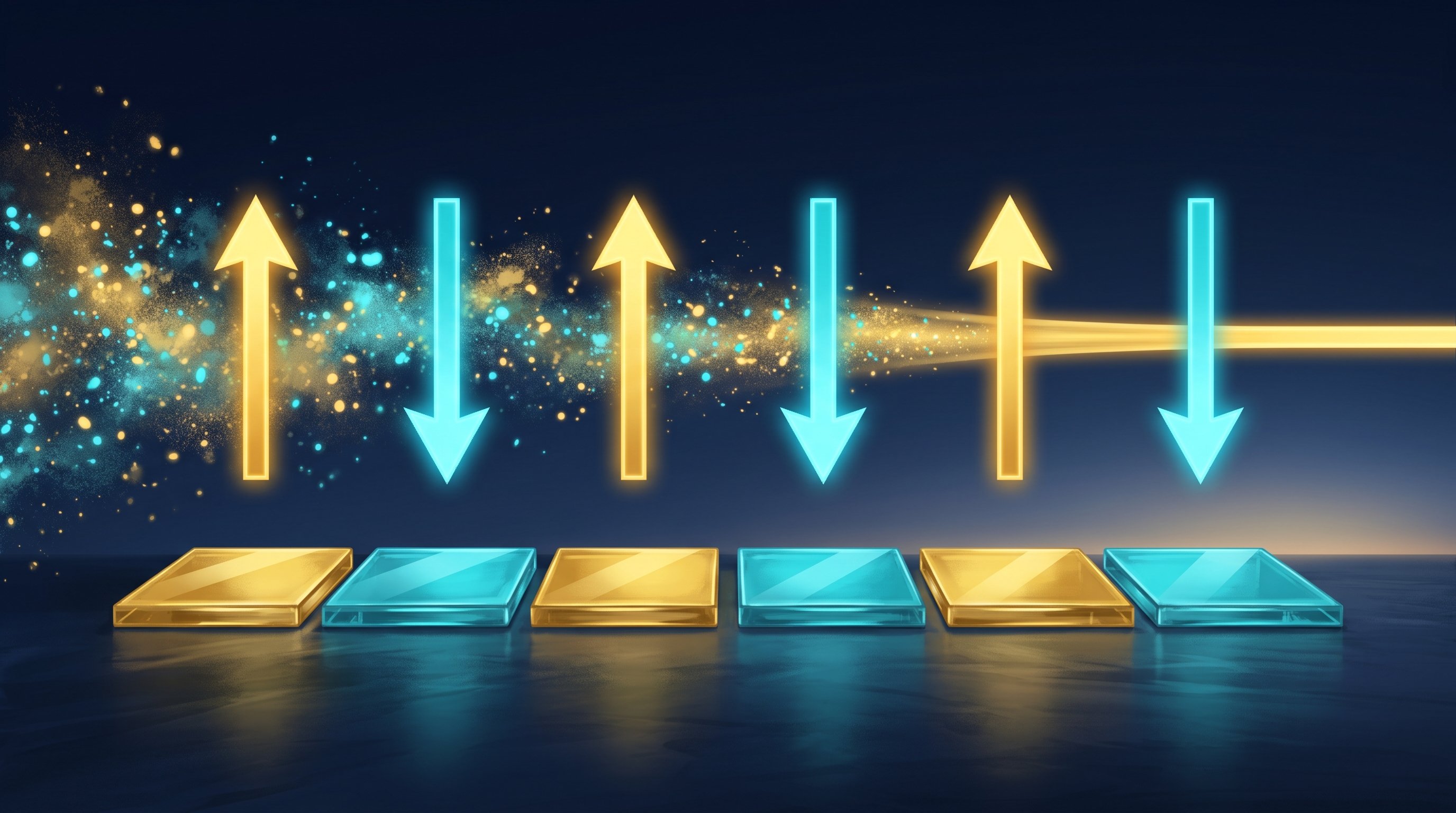
Three physicists receive the Europhysics Prize 2026 for altermagnetism: magnets that attract nothing from outside, yet sort electrons like an ordinary magnet. This opens the way to smaller, faster and more energy-efficient computer memory.