Nederlands
Topic
#Europa
-
Baidu and Lyft aim for driverless robotaxis in London in 2027
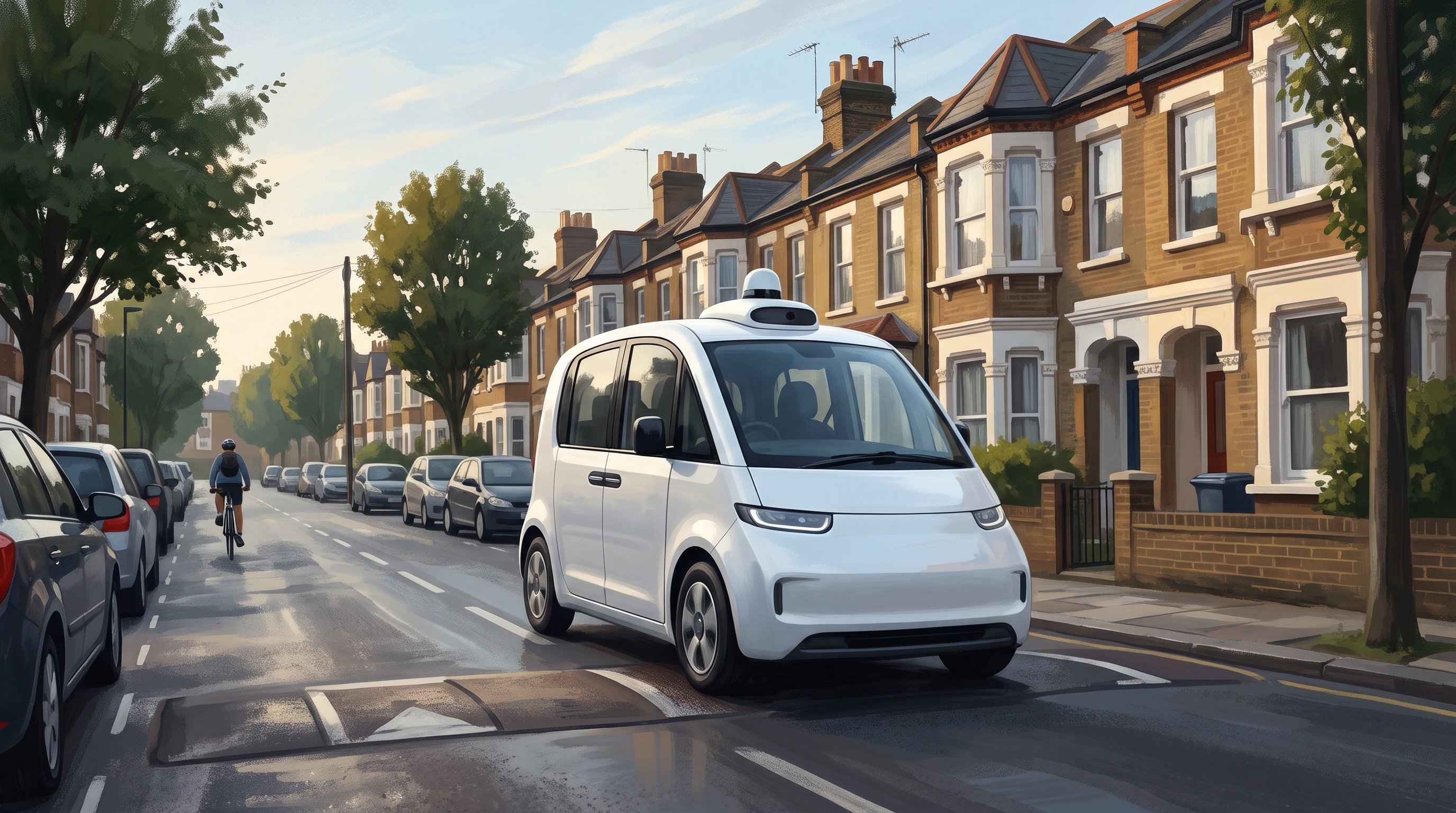
Baidu and Freenow by Lyft have presented their self-driving taxi in London. The car has been on test drives there since July, with a safety driver on board. In 2027 they want to drive without a driver and carry passengers, if the regulators agree.
-
Flexible solar cells reach high efficiency and pass a tough endurance test
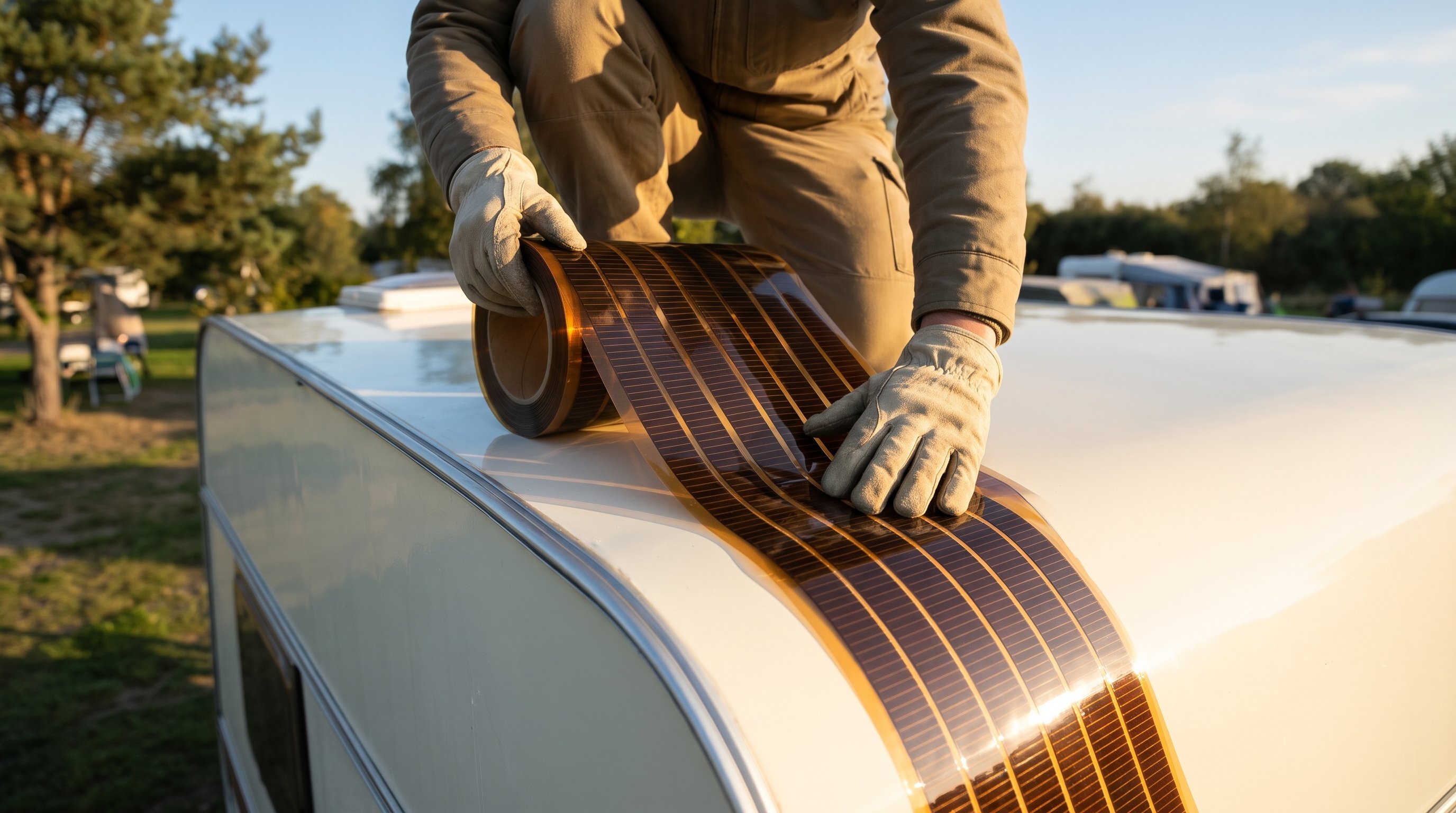
Chinese researchers have made flexible solar cells that also work well as larger panels. A small cell converts a certified 26.9 per cent of sunlight into electricity. After more than 1,000 hours of heat and humidity, a test panel kept 92.5 per cent of its efficiency.
-
Four-legged robot solves a giant Rubik's Cube using only its legs
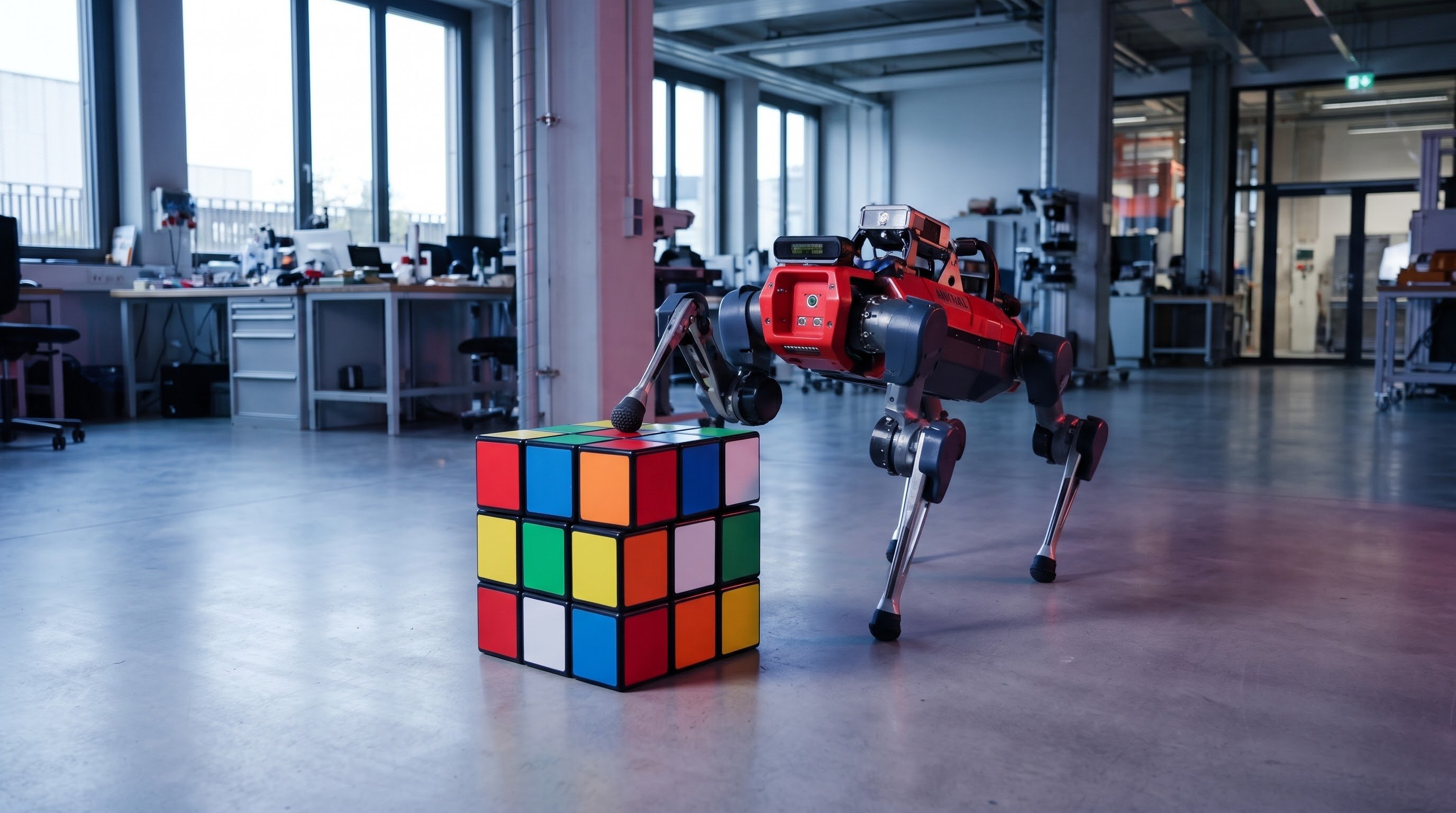
Researchers at ETH Zürich and Nvidia taught a four-legged inspection robot to solve a giant Rubik's Cube using only its legs. It tips the cube over and turns the layers, without human help. All three attempts succeeded, each in eight to nine minutes.
-
Laser flash turns plastic into trillions of tiny diamonds
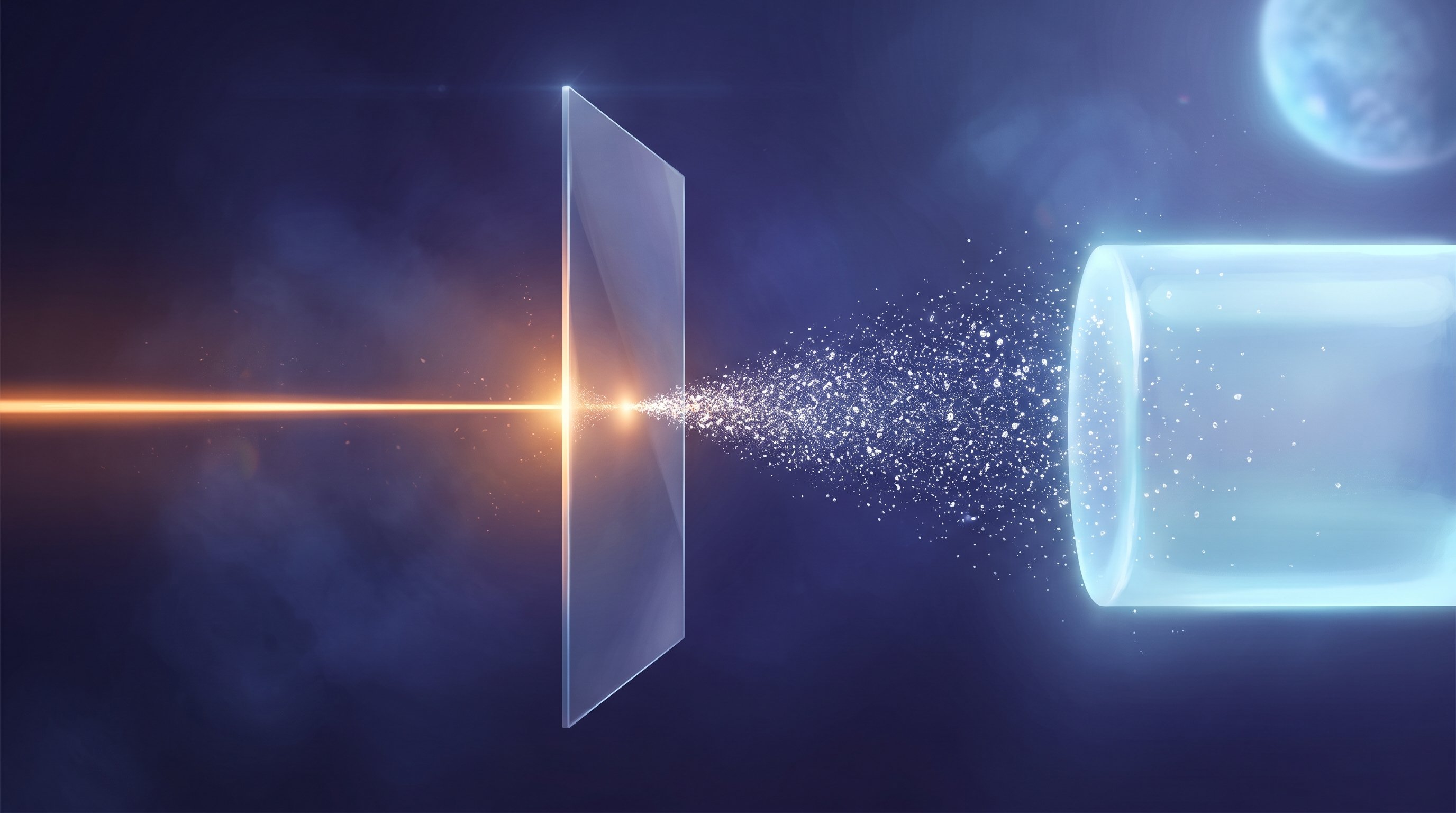
German physicists fire a powerful laser at a thin sheet of the plastic that soft-drink bottles are made of. Each flash produces about 10 trillion tiny diamonds averaging 3 millionths of a millimetre, almost all the same size. The next step is making enough of them to work with.
-
Mistral releases new speech models that understand all official EU languages
The French AI company Mistral has released Voxtral 3: AI models that turn speech into text and read text aloud, plus software to build a voice assistant with them. They work in more than fifty languages, including all 24 official EU languages, and can also run on a company's own servers.
-
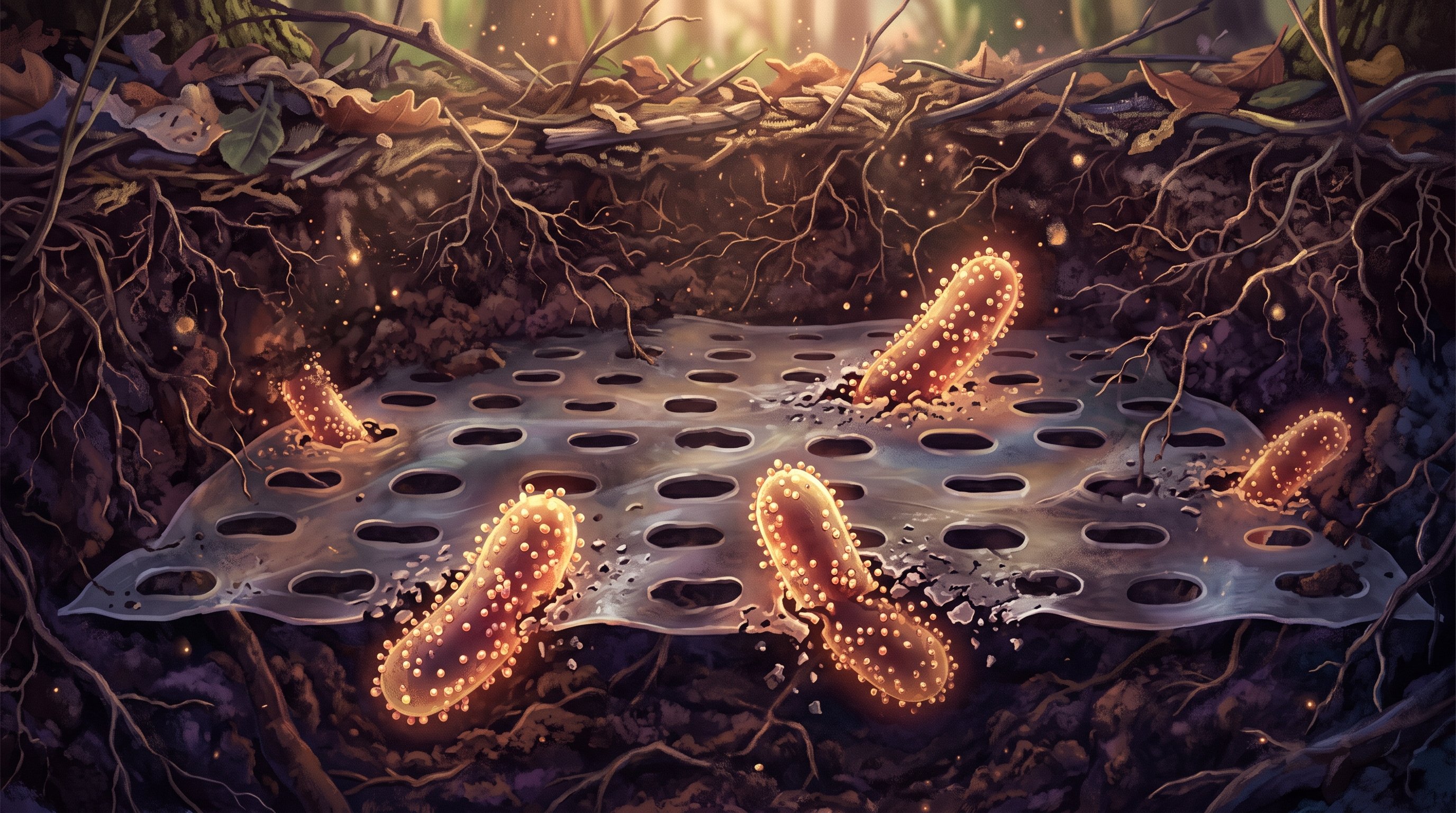
Bacteria in forest soil eat bioplastic with a 'Pac-Man enzyme' that also disarms penicillin
Researchers at the University of Konstanz buried bioplastic in forest soil and found the enzyme bacteria use to eat it. That enzyme also turns out to make penicillin harmless. The discovery helps with better biodegradable plastic and with research into resistance.
-
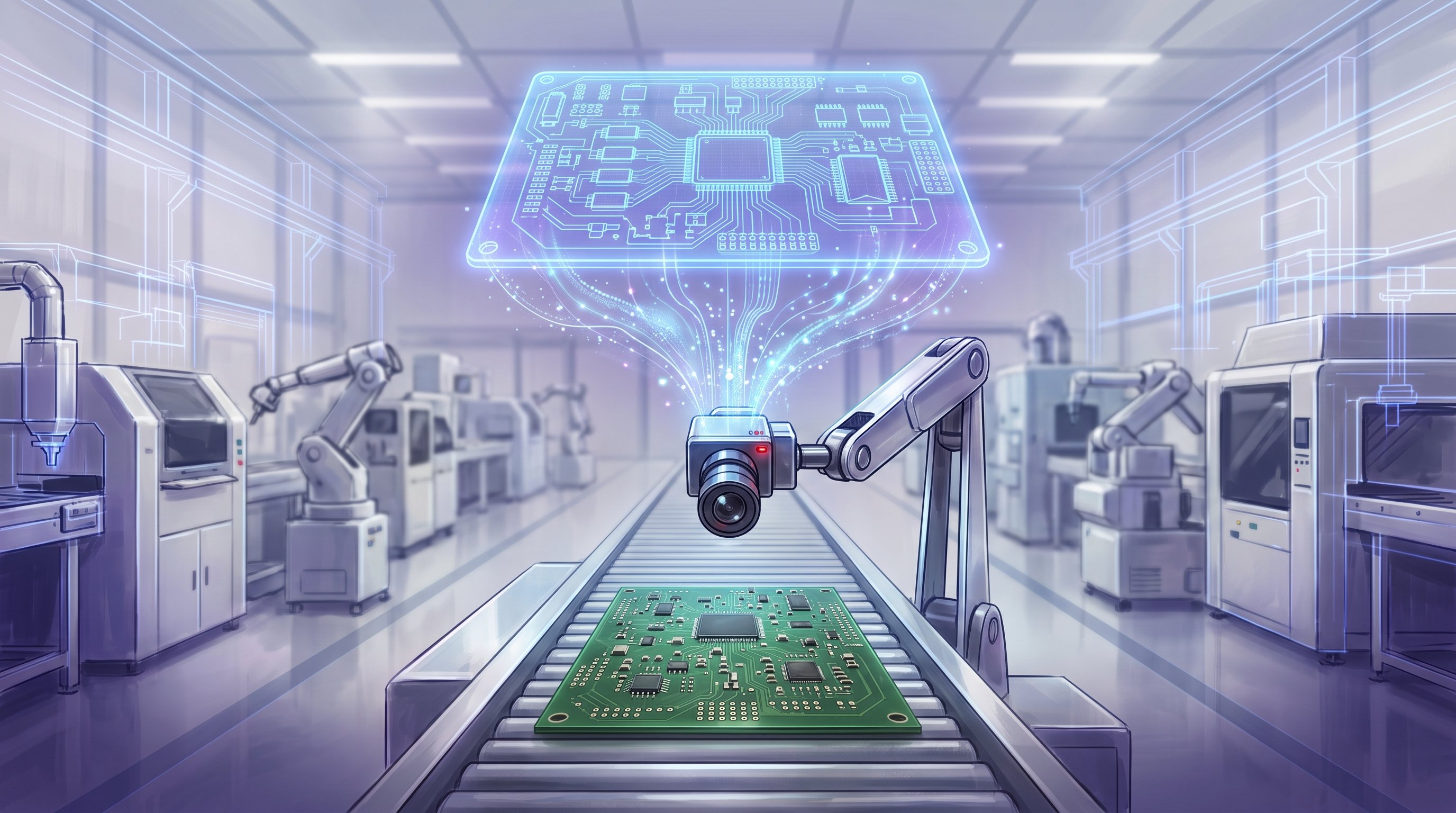
Siemens factory in Erlangen teaches AI cameras to inspect with simulated photos, before a prototype exists
In a German electronics factory, Siemens and Nvidia let AI prepare the production of new circuit boards with a digital copy of the factory. According to Siemens, this saves up to 85 per cent of the preparation work. It is a first step towards a factory that adjusts itself.
-
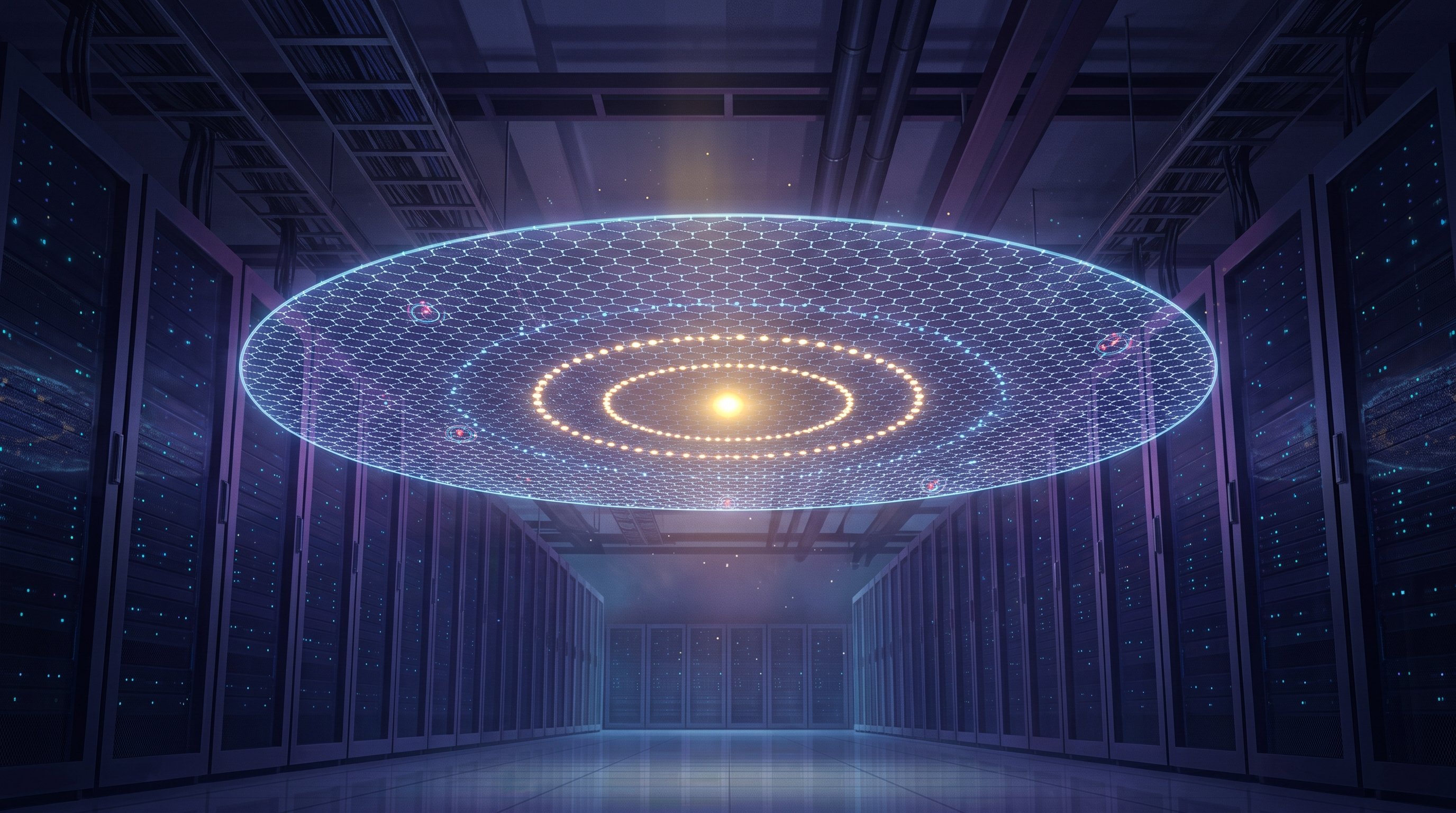
Nvidia simulates a 104-qubit quantum circuit on a European supercomputer, real errors included
Nvidia and the German research centre Jülich used the JUPITER supercomputer to simulate how a 104-qubit quantum computer makes an important building block, including the errors that real hardware makes. This lets designs be tested before they are built.
-
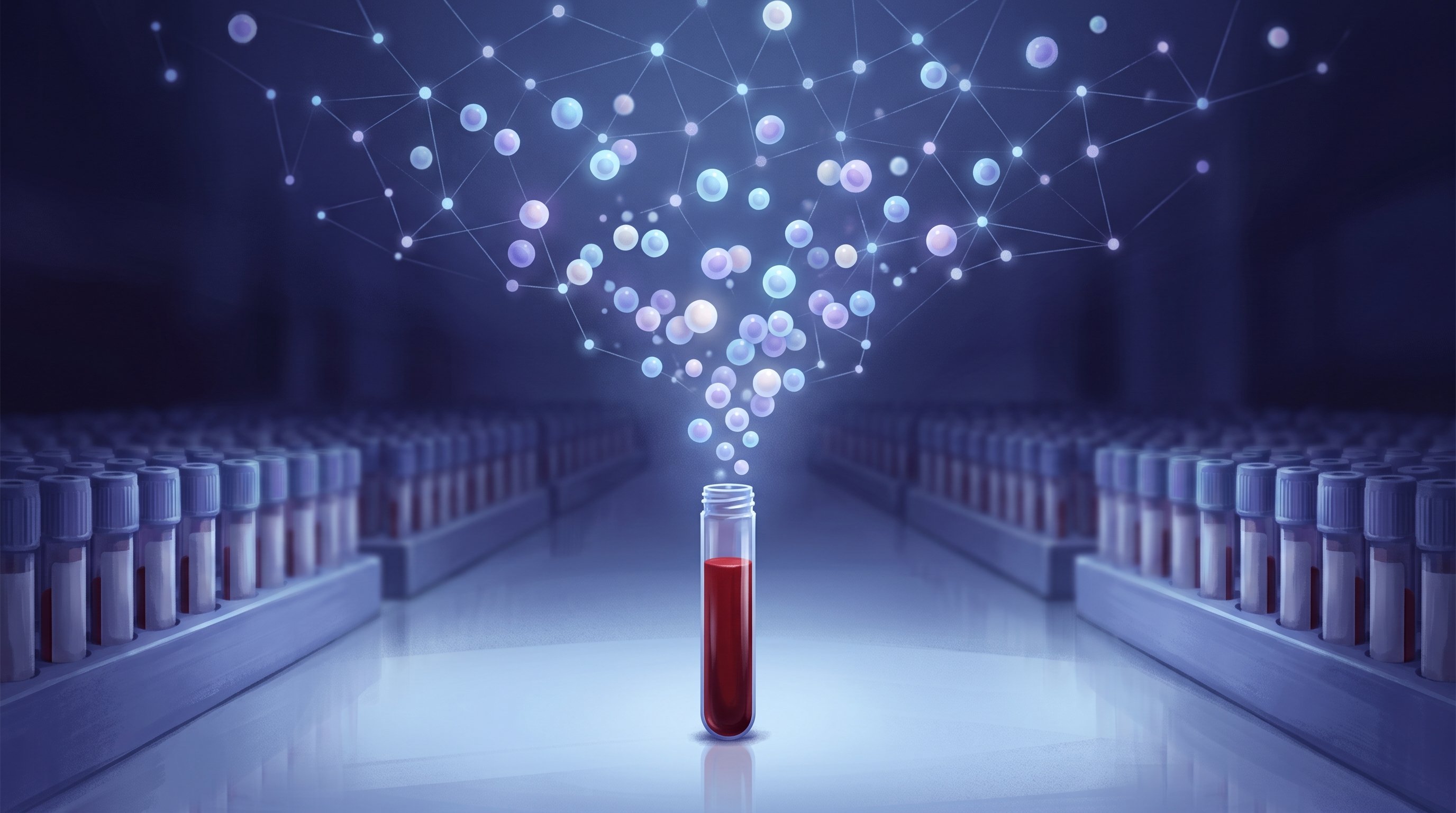
British biobank maps the immune systems of 80,000 people, as learning material for AI
The London company IMU Biosciences will measure the immune cells in 80,000 blood samples from UK Biobank in great detail. Linked to genes and health data, this should teach AI models which changes in the immune system signal diseases such as cancer or dementia.
-
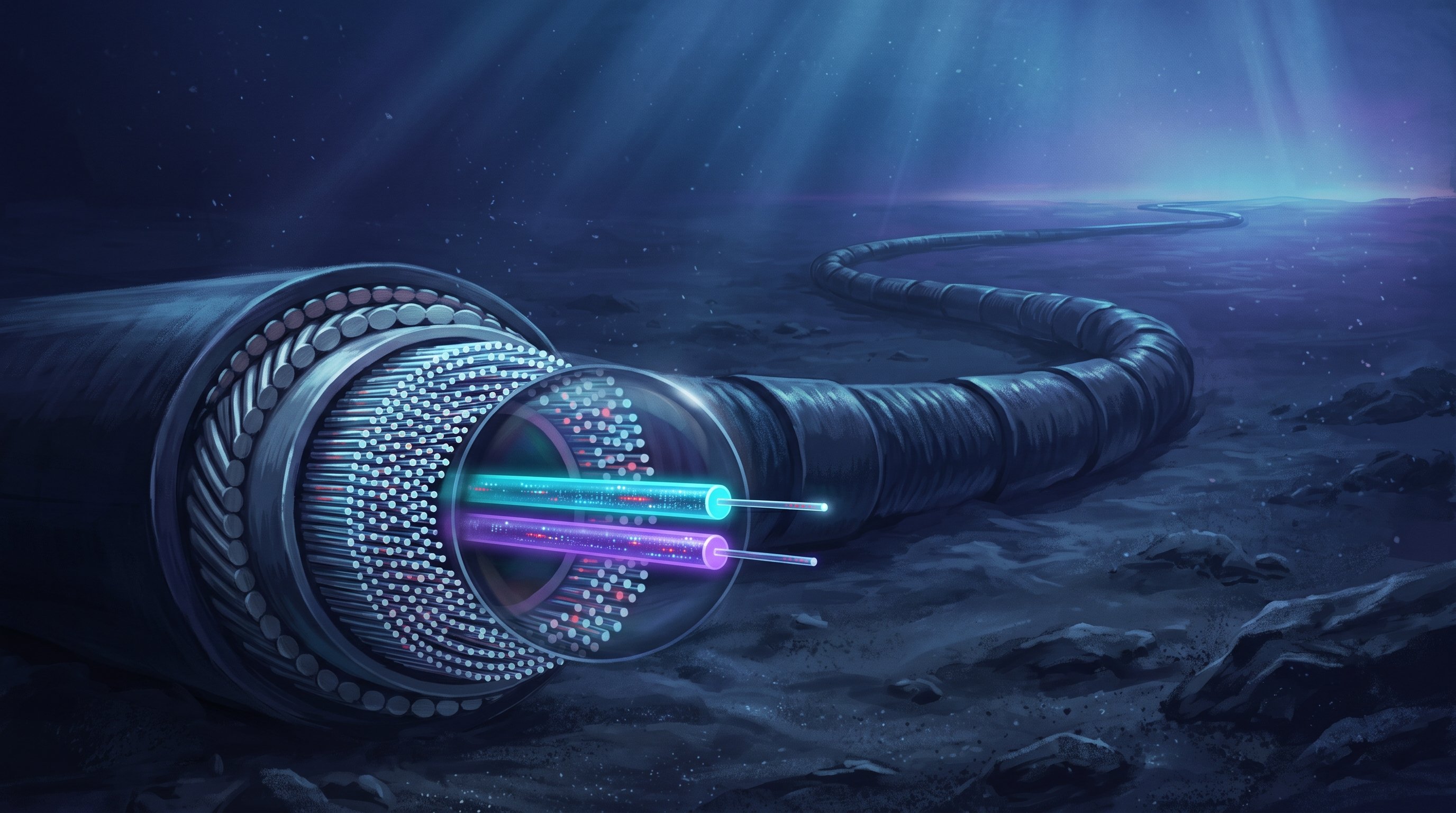
Meta has a subsea cable built with two light channels per glass fibre: twice as much data across the ocean
Meta is having a subsea cable laid between the United States and France that can carry 1 petabit per second, according to Meta twice as much as the best cables today. The secret: each glass fibre has two light channels instead of one. The cable is due to work in 2029.
-
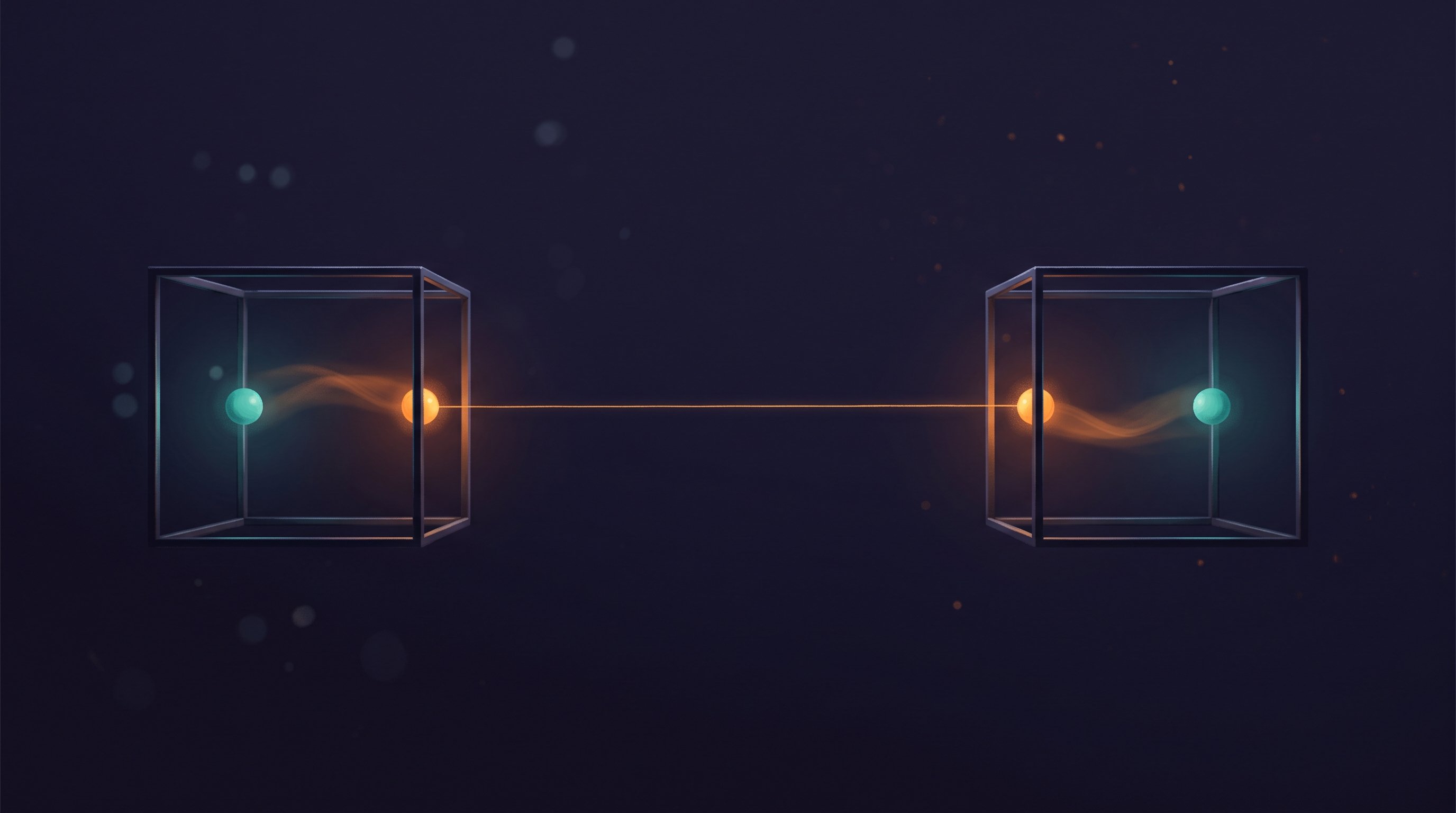
Oxford keeps a quantum link between atoms in two places alive for more than ten seconds
Physicists at the University of Oxford linked atoms of strontium and calcium in two places into a single quantum state. By passing the link on to calcium, it lasted more than ten seconds instead of milliseconds. A step towards networks of quantum computers.
-
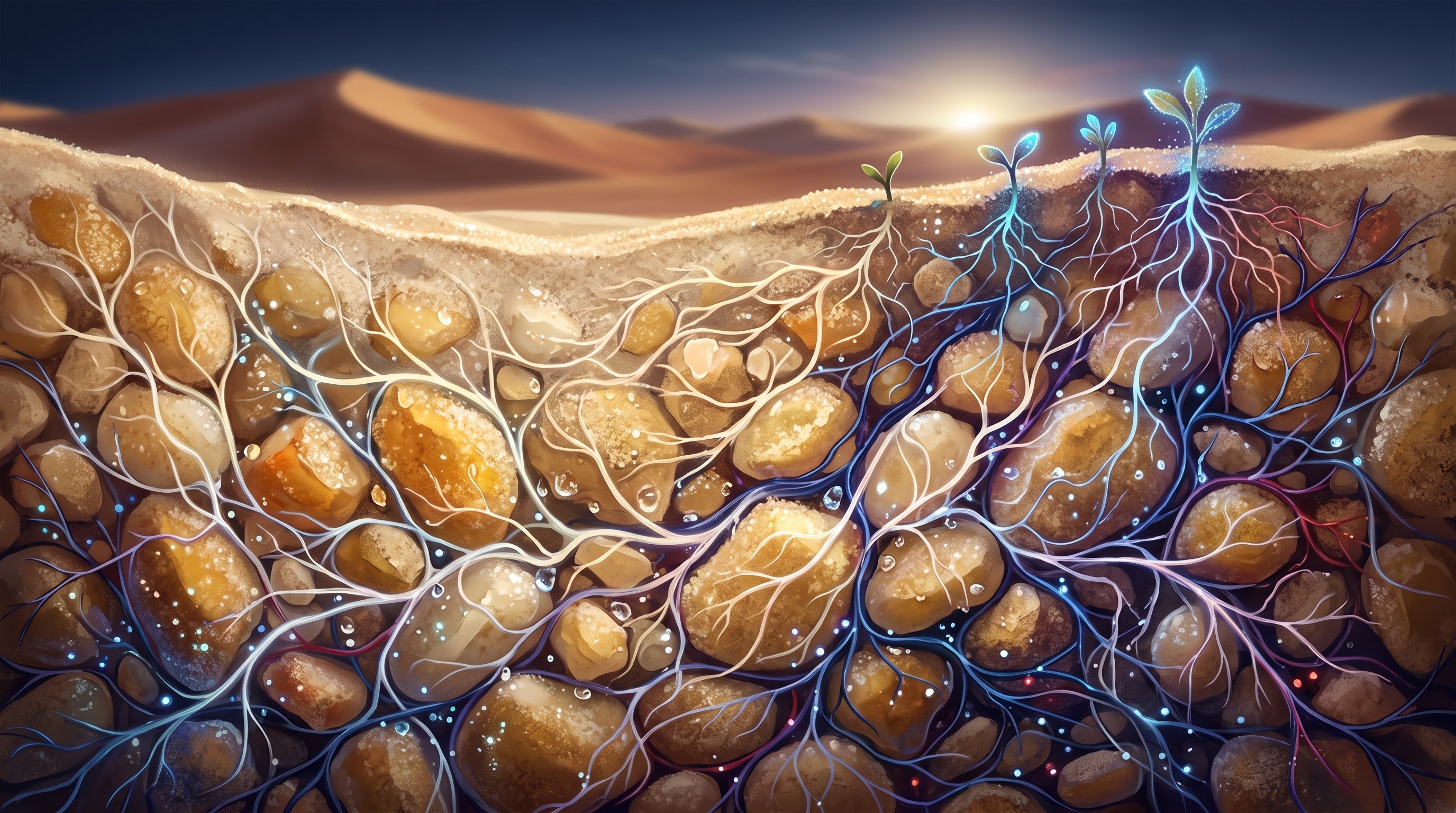
Bacteria and fungi make 'living desert sand' that holds water for longer
Researchers from Switzerland and Abu Dhabi let bacteria and fungi make fibres between grains of sand. As a result, water drains away up to six times more slowly, and with layers of bacterial cellulose even 28 times. It is a first step in the lab; trials with plants will follow.
-
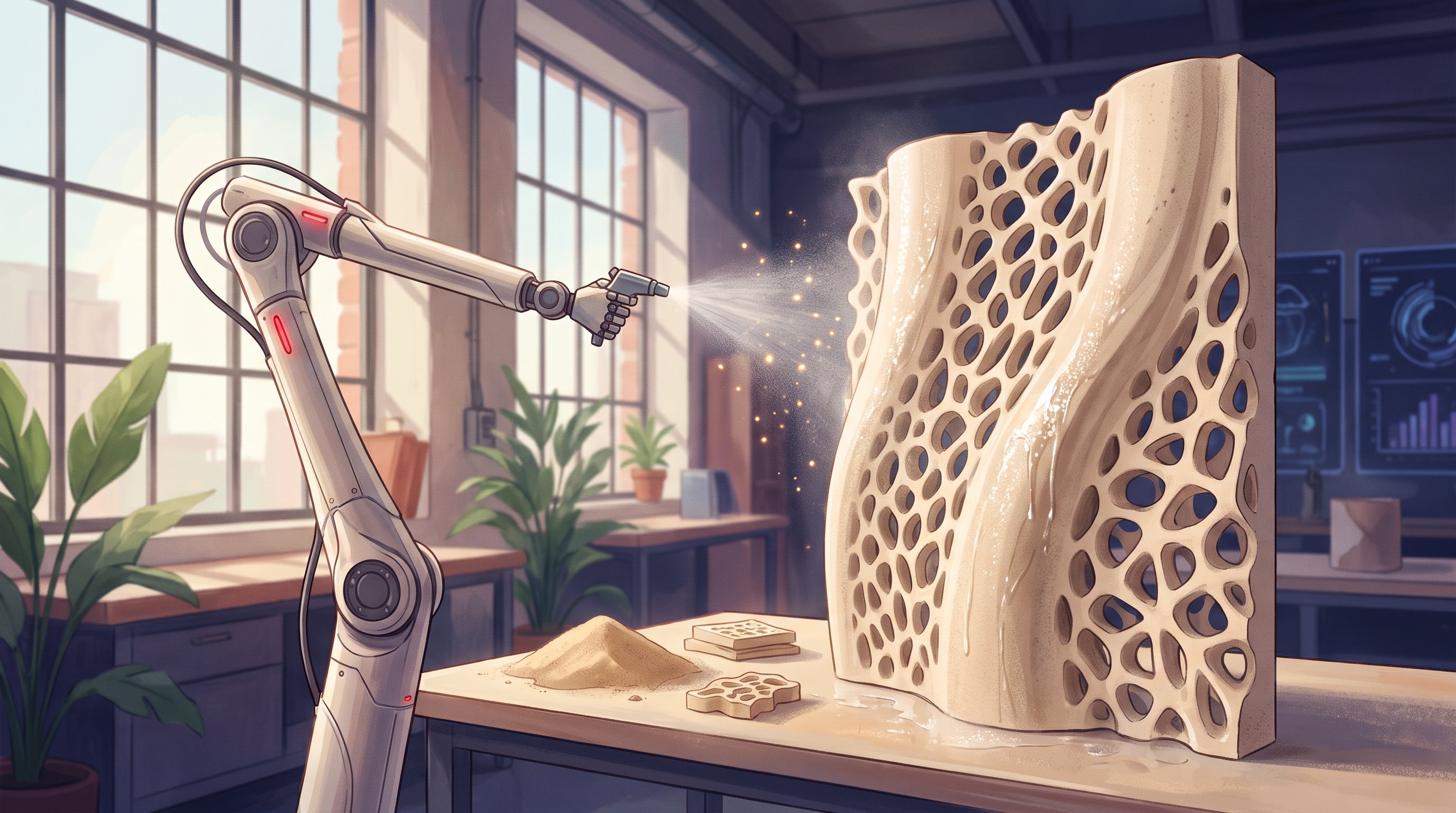
Bacteria turn sand into building material, without a hot kiln
Researchers at ETH Zurich let bacteria glue grains of sand together into a kind of stone, at room temperature. They print and spray facade and wall elements with it. The material is now about as strong as mortar; the next step is to make it stronger and cleaner.
-
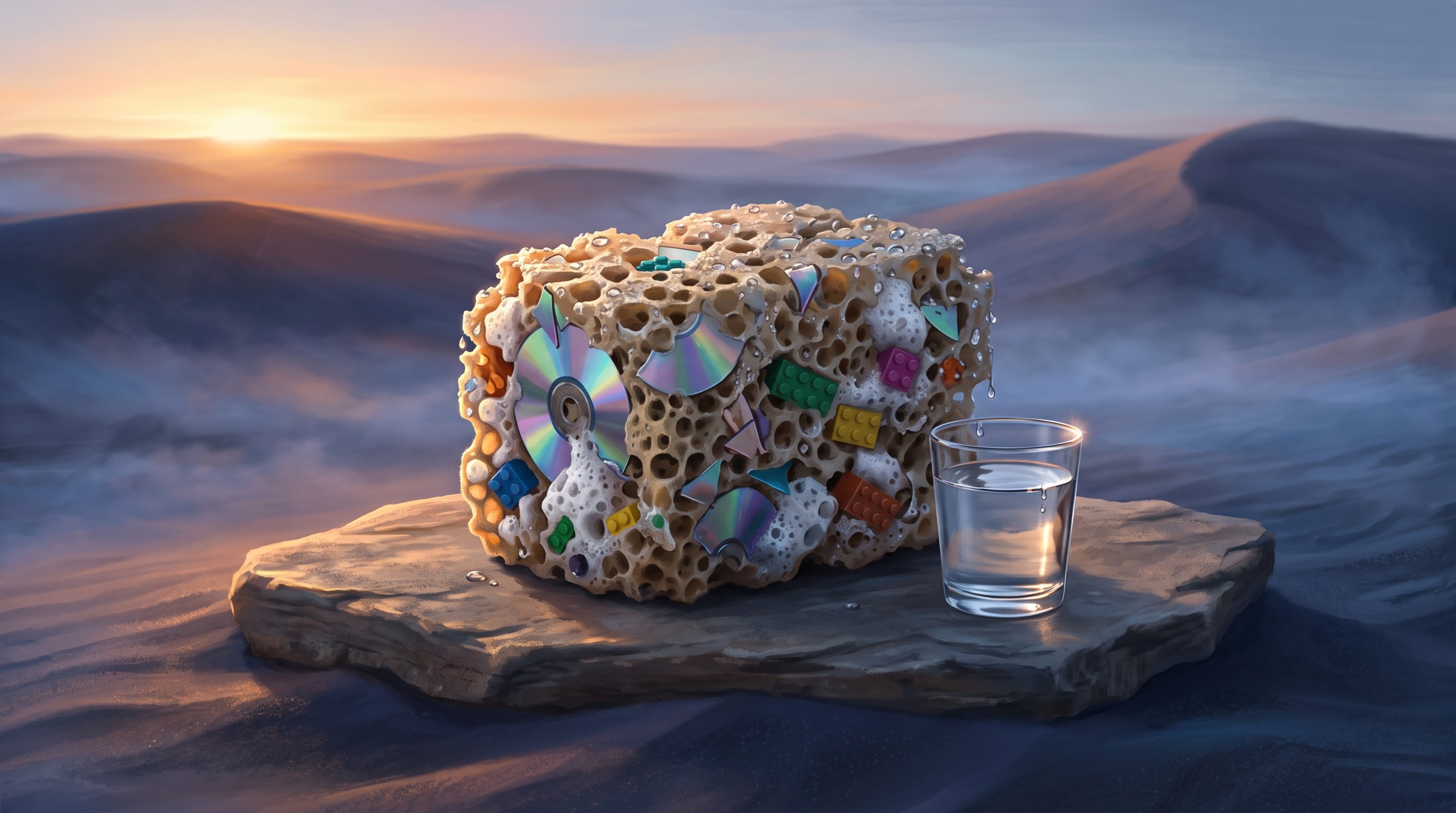
Old CDs, Lego bricks and packaging become a sponge that pulls water from the air
Chemists at the University of Vienna turn plastic waste into a sponge that captures water vapour from the air, even when the air is dry. With a little heat, for example from the sun, the water comes out again. The next step is to test how long the material lasts.
-
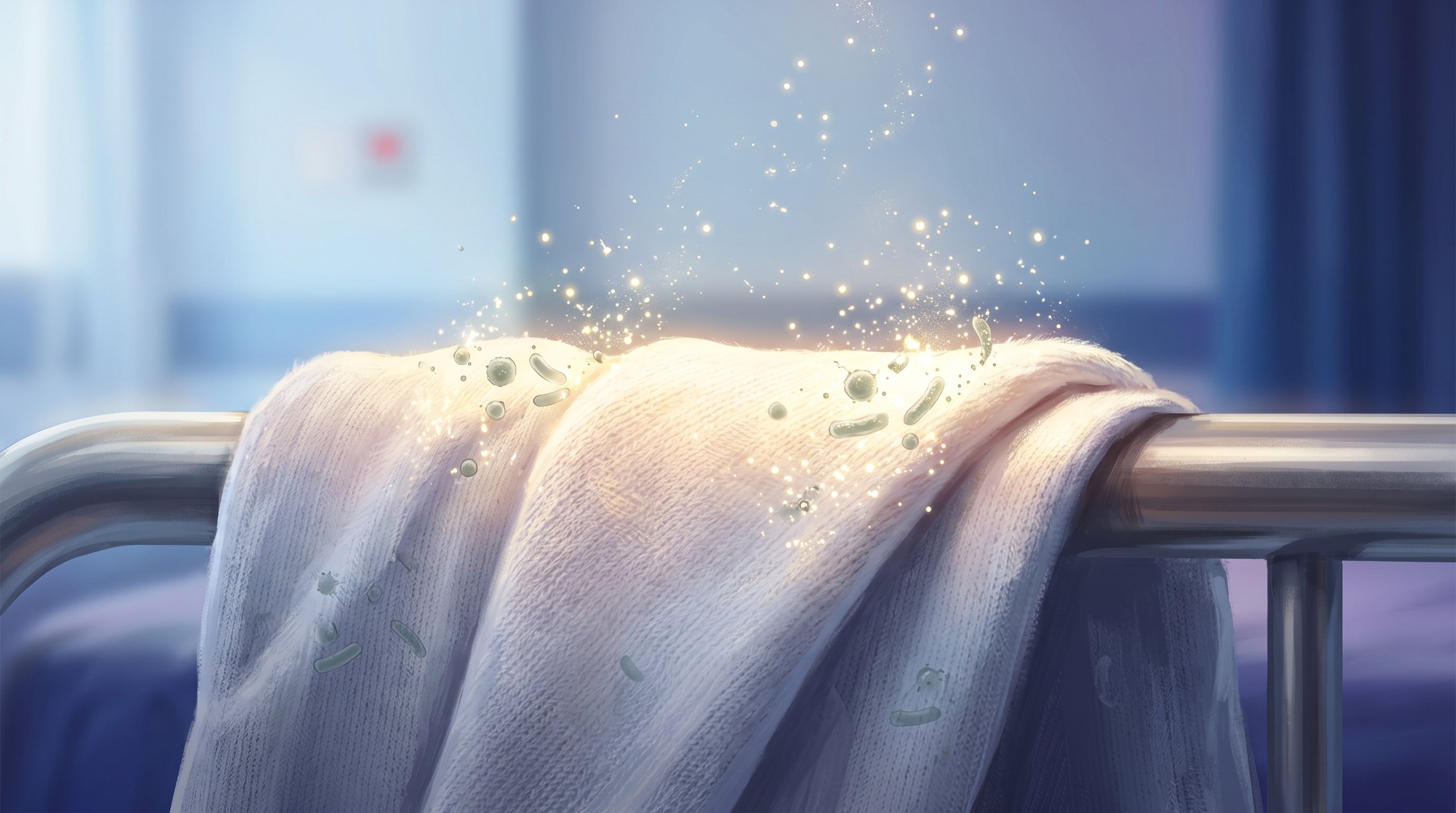
Cotton that disinfects itself with ordinary lamplight, tested in a hospital
Researchers in Valencia have made cotton that kills bacteria and fungi as soon as light falls on it. In a trial in hospital rooms, 75 per cent fewer microbes remained on the fabric than on ordinary cotton. It still works after twenty washes.