Nederlands
Charging as fast as refuelling: cars with megawatt charging are coming to Europe
Chinese carmakers are bringing cars to Europe that charge almost fully in nine minutes, such as the Denza Z9 GT and the new BYD Atto 8. They need much more powerful charging points. These are now being built across Europe.
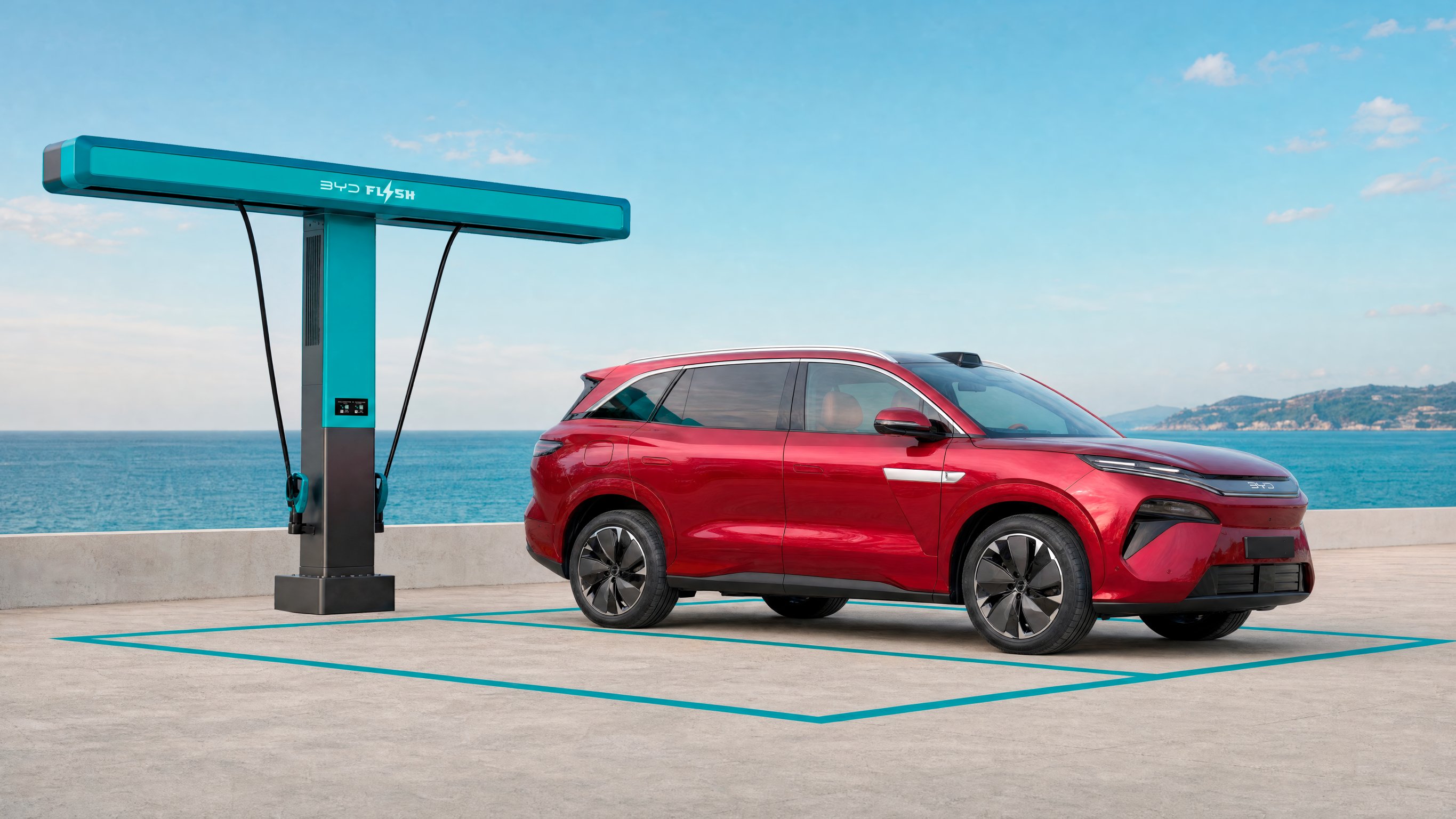
Charging an electric car still takes longer than refuelling. For many people, that is a reason to put off making the switch. That difference is shrinking rapidly. In China, there are already cars that fill most of their battery in a few minutes, and that technology is now coming to Europe.
The latest example was shown on 12 October at the Paris Motor Show: the Atto 8 from BYD, a large seven-seat SUV. According to BYD, it charges from 10 to 70 per cent in five minutes and from 10 to 97 per cent in nine minutes. Earlier in 2026, BYD's luxury brand Denza already brought the Z9 GT to Europe, with the same technology.
What is changing
Super-fast charging requires two things at once: a battery that can take in a great deal of current, and a charging point that can deliver that current.
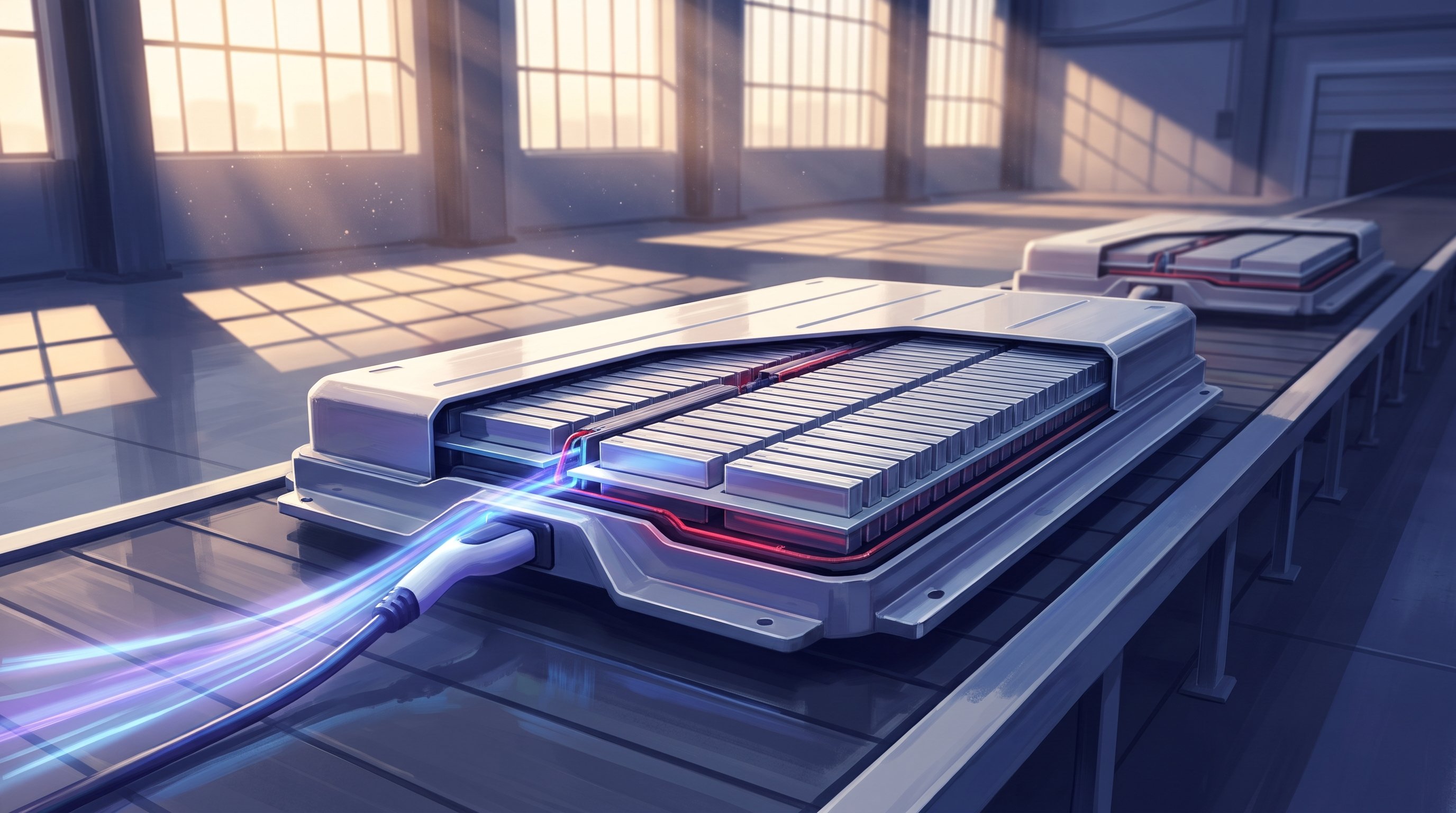
On the battery side, things are moving fast. Manufacturers are designing cells that can handle a lot of current at once without overheating. Compare it to a bottle with a much wider neck: you can fill it in one go instead of drop by drop. For this, BYD uses the second generation of its Blade Battery, a lithium iron phosphate battery. This type of battery works without cobalt and nickel and is known for being safe and durable.
Charging points are also making a leap. Most fast chargers along European motorways deliver 150 to 350 kilowatts. Tesla's newest Superchargers reach 500 kilowatts. BYD's new flash chargers deliver up to 1,500 kilowatts to a single car, or 1.5 megawatts. That is four to ten times as much as an ordinary fast charger, roughly as much as thousands of households use at the same time on average.
Two examples in Europe
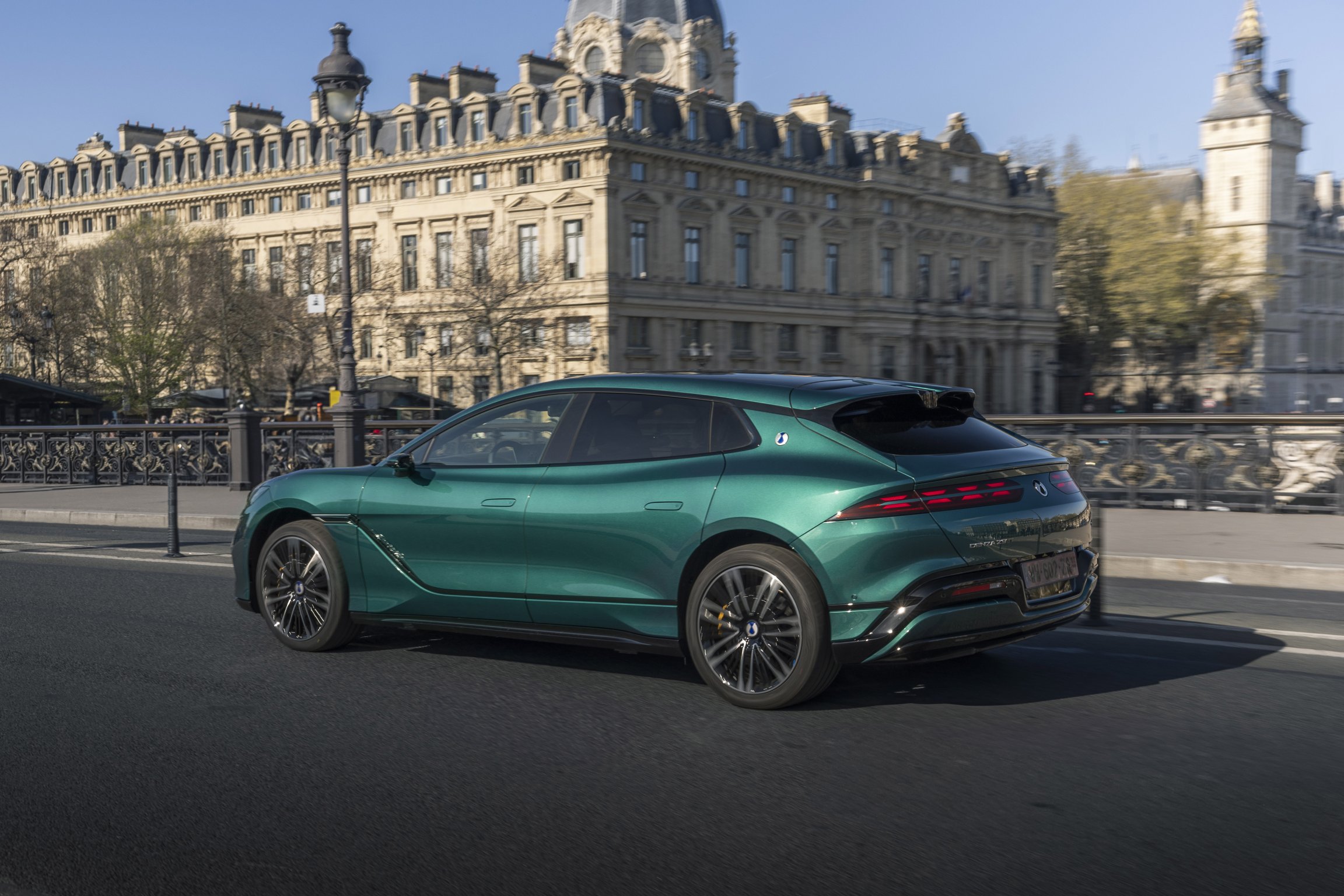
The Denza Z9 GT was the first car in Europe with this technology, in April. It is a large, luxurious family car with a long, sporty shape. Denza presented it at the Paris opera house; prices start at around 115,000 euros. According to the brand, it charges enough in five minutes to drive on and is full in nine minutes.
The BYD Atto 8 brings the same technology to a somewhat wider public. The seven-seater has a 115 kilowatt-hour battery and a range of 600 to 650 kilometres according to the European WLTP test. Even at minus 30 degrees Celsius, according to BYD, it charges from 20 to 97 per cent in twelve minutes. Cold in particular makes charging considerably slower for most electric cars. The Atto 8 arrives at European dealers in the first quarter of 2027; a price has not yet been announced.
According to BYD executive Stella Li, this technology makes charging as fast as refuelling, so that the fear of running out of power disappears.
Not only BYD
BYD is not the only manufacturer going in this direction. In March, competitor Geely had a Zeekr 001 charge at more than one megawatt, at its own charging point that can deliver up to 1.5 megawatts. According to Zeekr, that car charges in China from 10 to 80 per cent in about seven minutes. Other Chinese brands and battery makers are also working on similar systems.
In China, the technology is now also in affordable cars. BYD sells a flash-charging version of a smaller SUV there from the equivalent of about 19,000 euros. In Europe, it starts with more expensive models. The fastest-charging cars on sale here now usually reach 300 to 400 kilowatts.
The charging network is the next step
The record times can only be reached at a charging point that can actually deliver that power. At an ordinary fast charger, these cars charge at the speed of that charger. That is why BYD wants to have 3,000 flash-charging stations in Europe by the end of 2027. The first are at the brand's dealers; public locations along motorways are to follow. According to BYD, the Netherlands is one of the first countries where the chargers will appear.
To avoid putting too much strain on the power grid, the stations work with their own buffer: large batteries that are charged at night, for example, when there is less demand for electricity. Other electric cars with the plug that is standard in Europe can also charge there, but then reach their own, normal charging speed.
The charging times are figures from the manufacturers themselves. Independent tests will follow as soon as more of these cars are on European roads. How the batteries hold up after years of flash charging will also become clear in practice in the coming period. The manufacturers say the new cells are built for it.
What does this mean for the road to the singularity?
Batteries are one of the quiet engines behind technological progress. They determine how long a robot can work, how far a drone flies and how much solar and wind power we can store. A battery that is full in minutes instead of hours makes all those applications more practical.
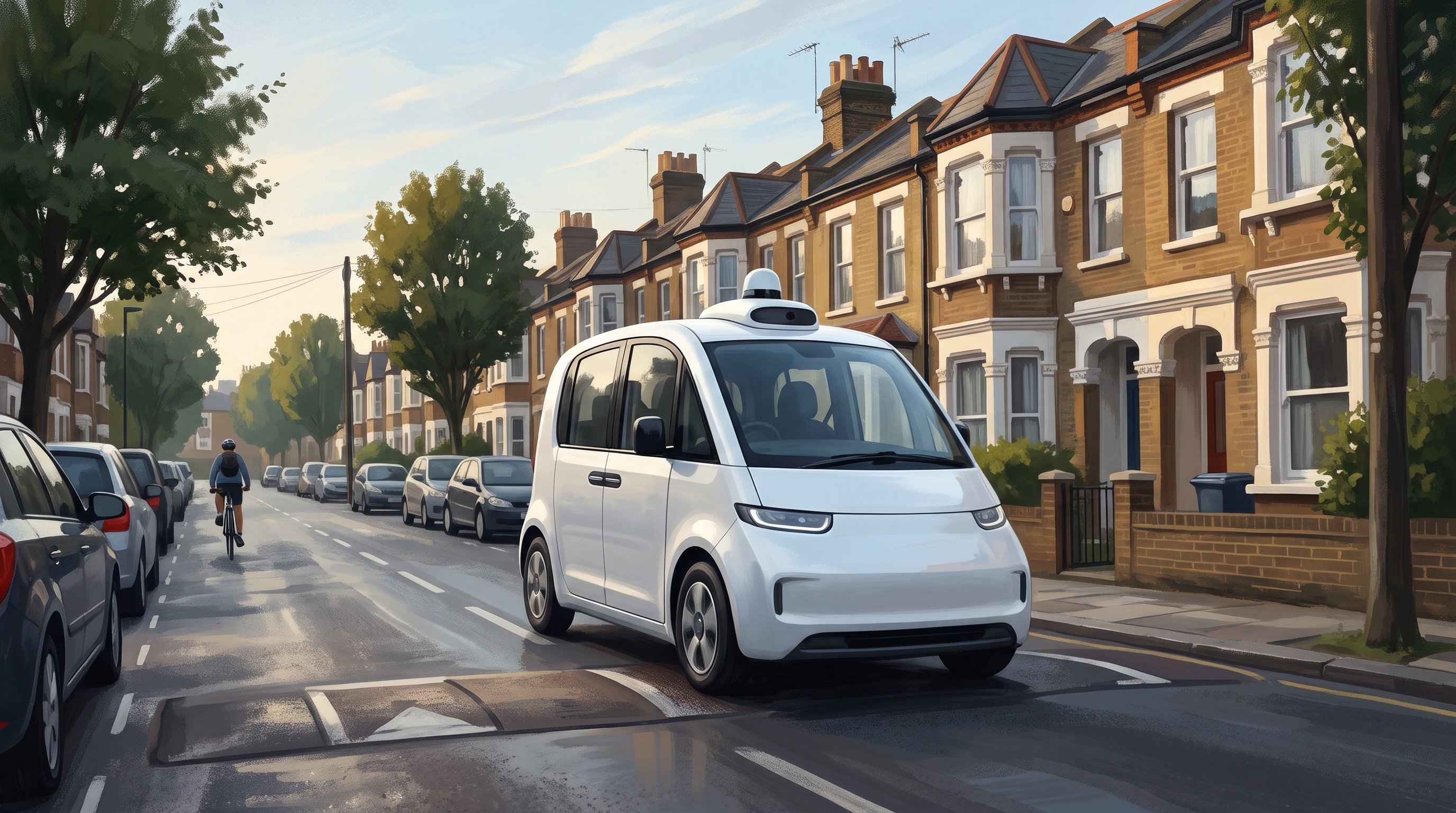
For cars, the meaning is concrete. Self-driving taxis only earn money when they are moving. A taxi that is almost full again in nine minutes hardly stands still. Fast charging and self-driving technology can thus reinforce each other. At the same time, this development shows that such a leap requires more than a clever battery alone: the charging network and the power grid also have to grow with it. If the roll-out goes ahead as planned, electric driving in Europe is set for a considerable acceleration in the coming years.
What is the technological singularity? Read the explanation →