Nederlands
Section
Biotech
Life extension, cell rejuvenation, gene therapy and medicines designed with AI.
-
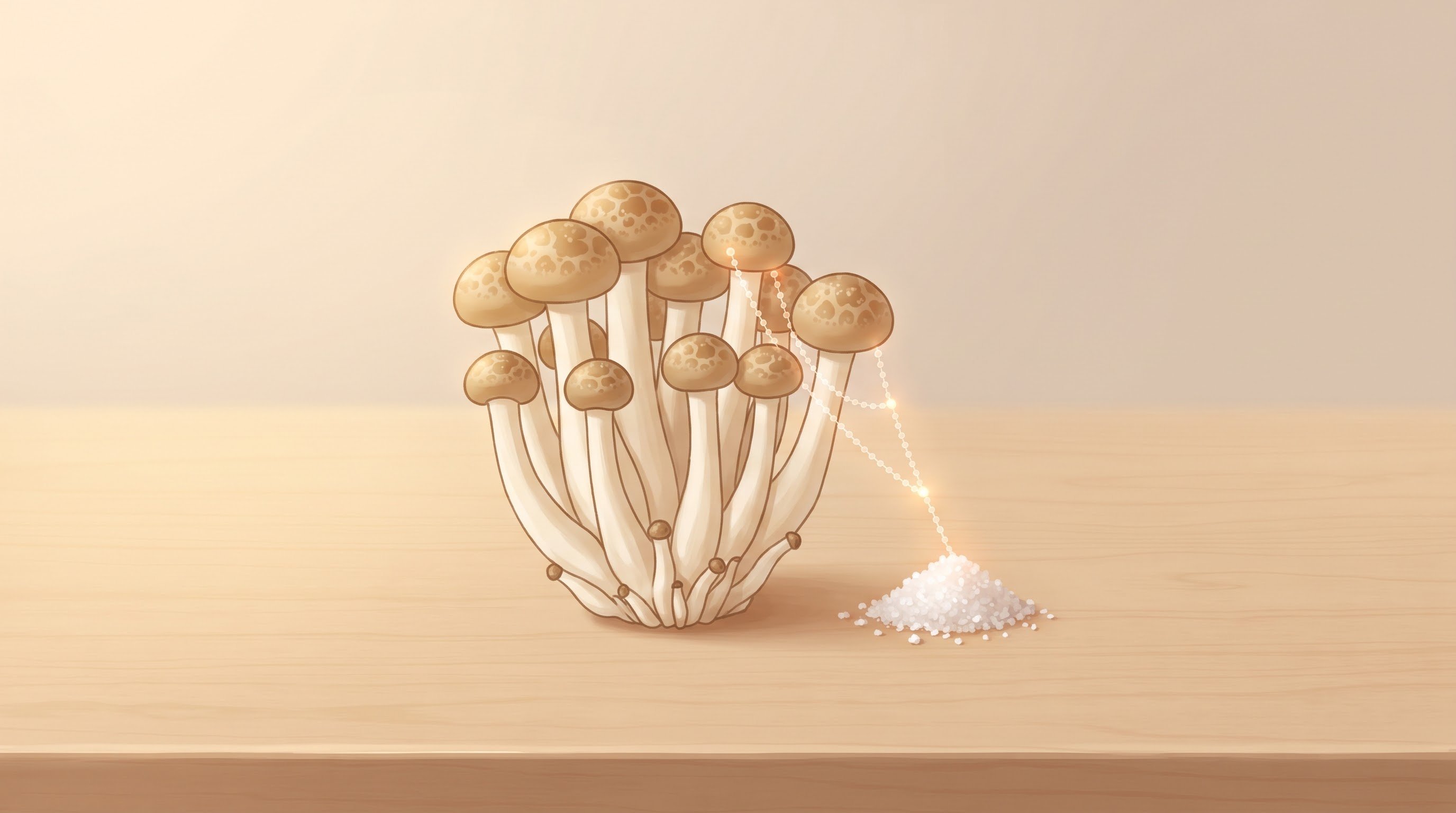
Substance from the beech mushroom makes salt taste much saltier
Chinese researchers found three small protein fragments in the beech mushroom that make salt water taste saltier, the strongest by almost 71 per cent. AI helped with the search. The next step is to test them in real food, and to find out how much salt can then be left out.
-
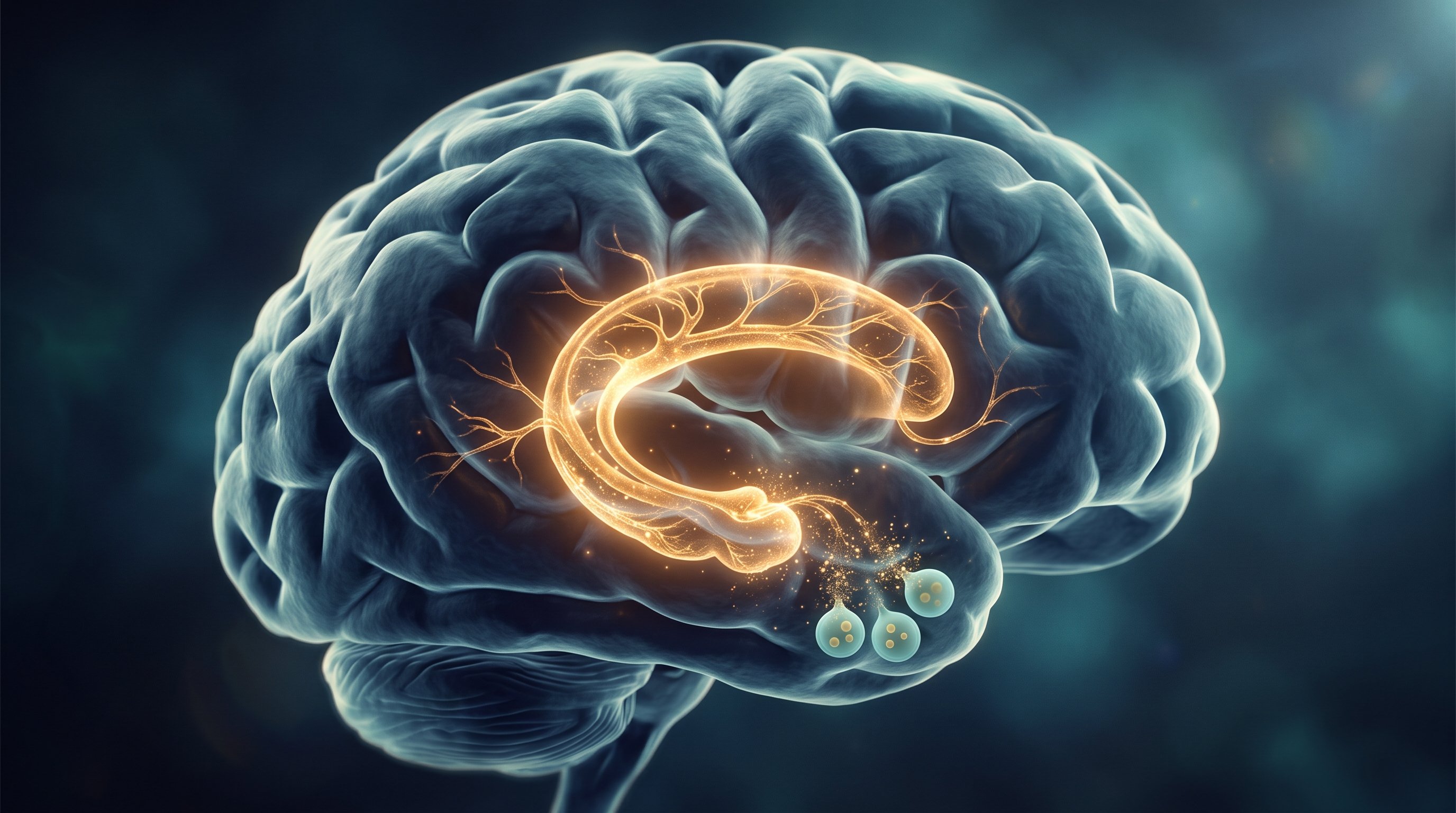
Brain enzyme helps keep memory sharp in old age
Researchers in Boston have discovered an enzyme that the brain itself makes more of as we get older, and that seems to protect memory. In old mice, an extra dose kept memory in better shape. The next step is to find out whether this can also be done safely in humans.
-
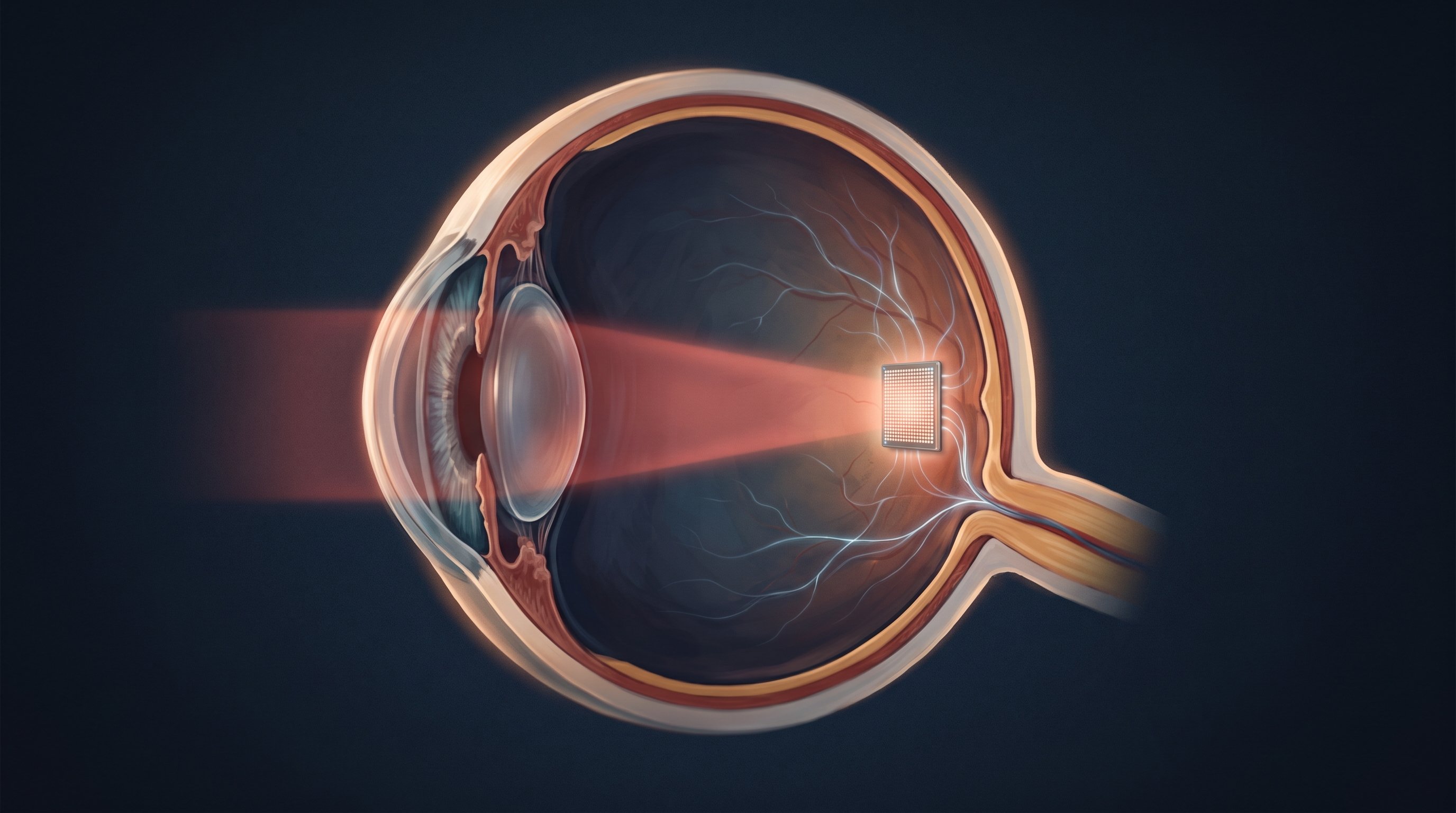
Retinal implant lets people with macular degeneration read again
Science Corporation's Prima implant has been allowed in Europe since July for an advanced form of macular degeneration. In a study, more than 80 per cent of participants could read clearly more letters after a year. In the US, the application is still under way.
-
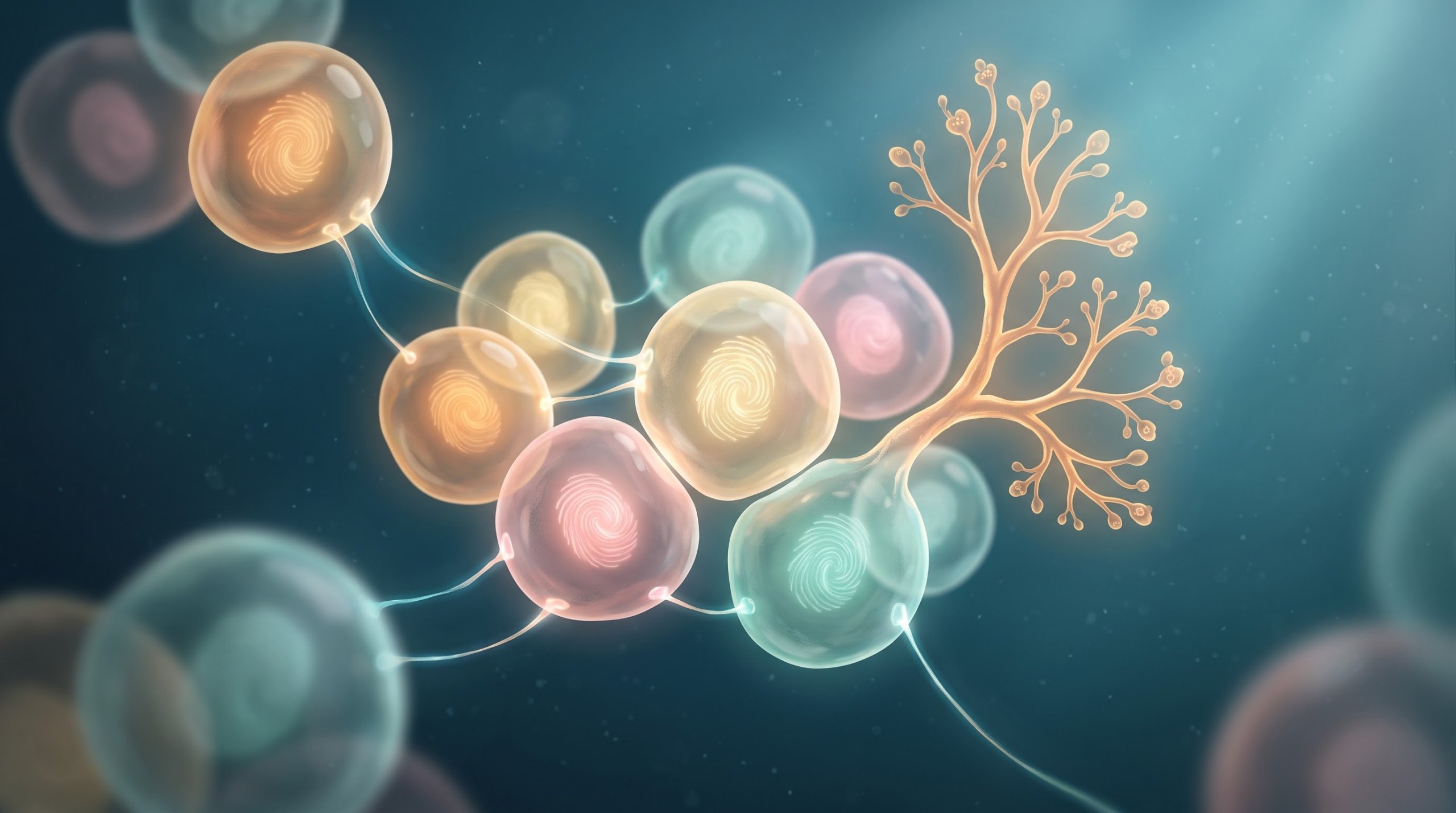
AI model IRIS reads which signals cells in an embryo have received
Researchers at MIT and the Whitehead Institute have built an AI model that can tell from a cell's gene activity which signals that cell received from its neighbours. With that knowledge, they have already improved a lab recipe for growing precursors of lung tissue from human stem cells.
-
Biologists search for new antibiotics with AI agents and find a first candidate
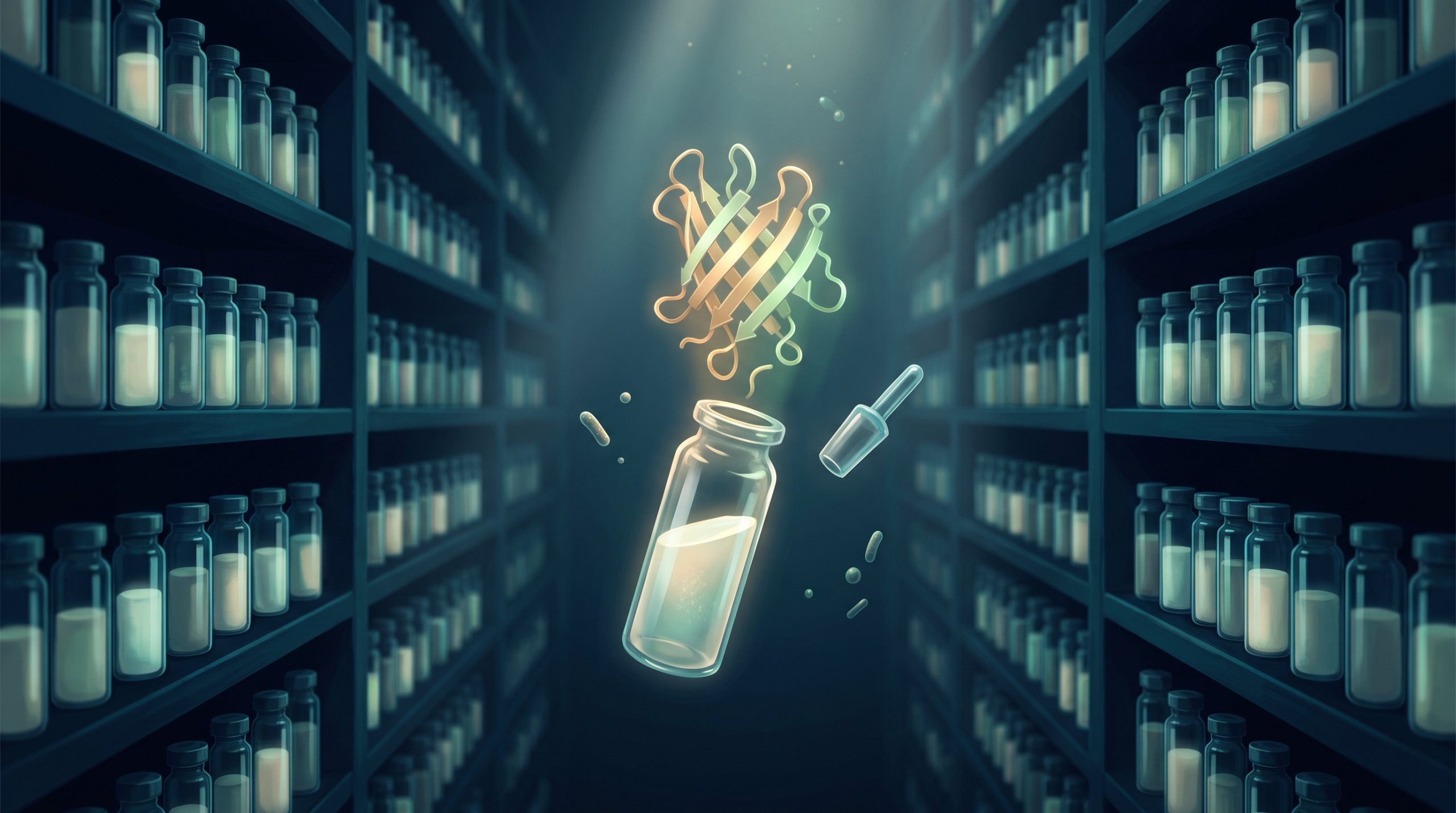
Google had biologists search together with AI agents through databases full of proteins whose function nobody knows. They arrived at a small protein from a respiratory bacterium that, according to the predictions, tackles hard-to-fight bacteria. It is now being tested in the lab.
-
Frozen pig kidneys work again after rewarming, one even after more than a year
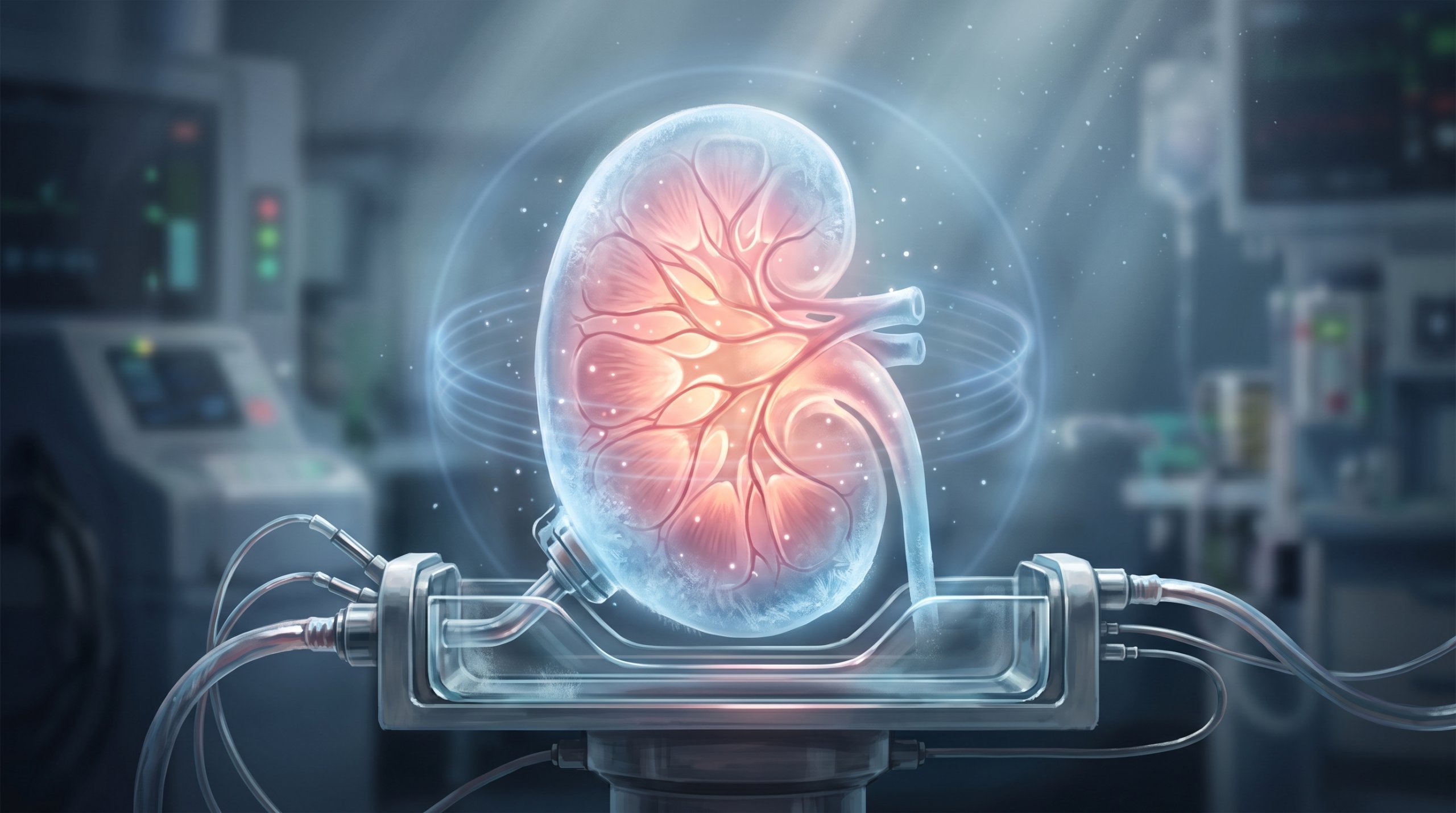
Researchers at the University of Minnesota stored pig kidneys at −150 °C and then got them working again: they made urine, one even after more than a year in the freezer. There was still some damage. The next step is longer trials in pigs.
-
Overlooked immune cells can recognise and kill small-cell lung cancer
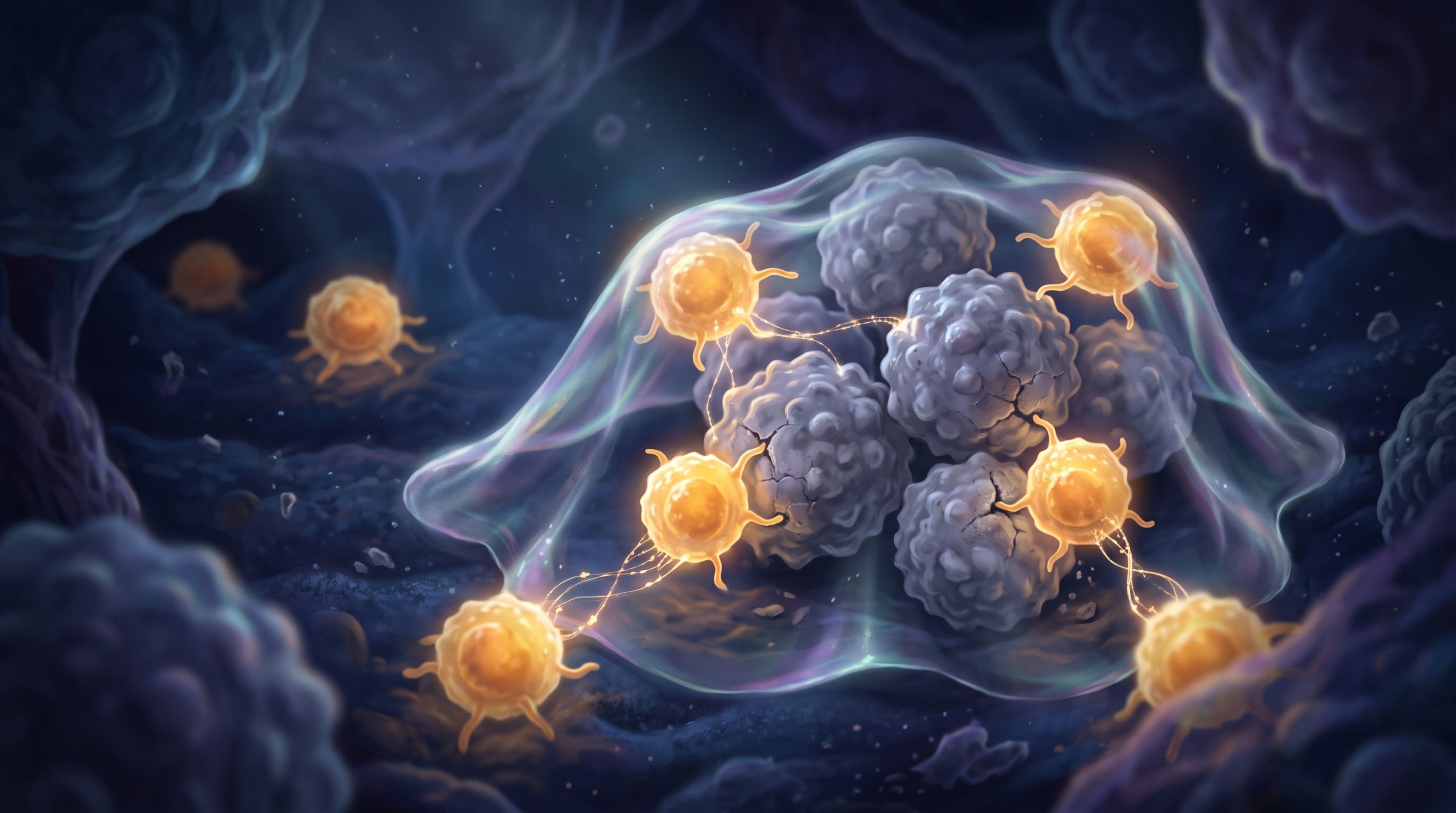
Australian researchers discovered that a little-known type of immune cell can track down an aggressive form of lung cancer, even when it hides from the rest of the immune system. Two existing medicines made that attack stronger in the lab. The next step is research in patients.
-
Blood cells from an 80-year-old become young brain stem cells in the lab
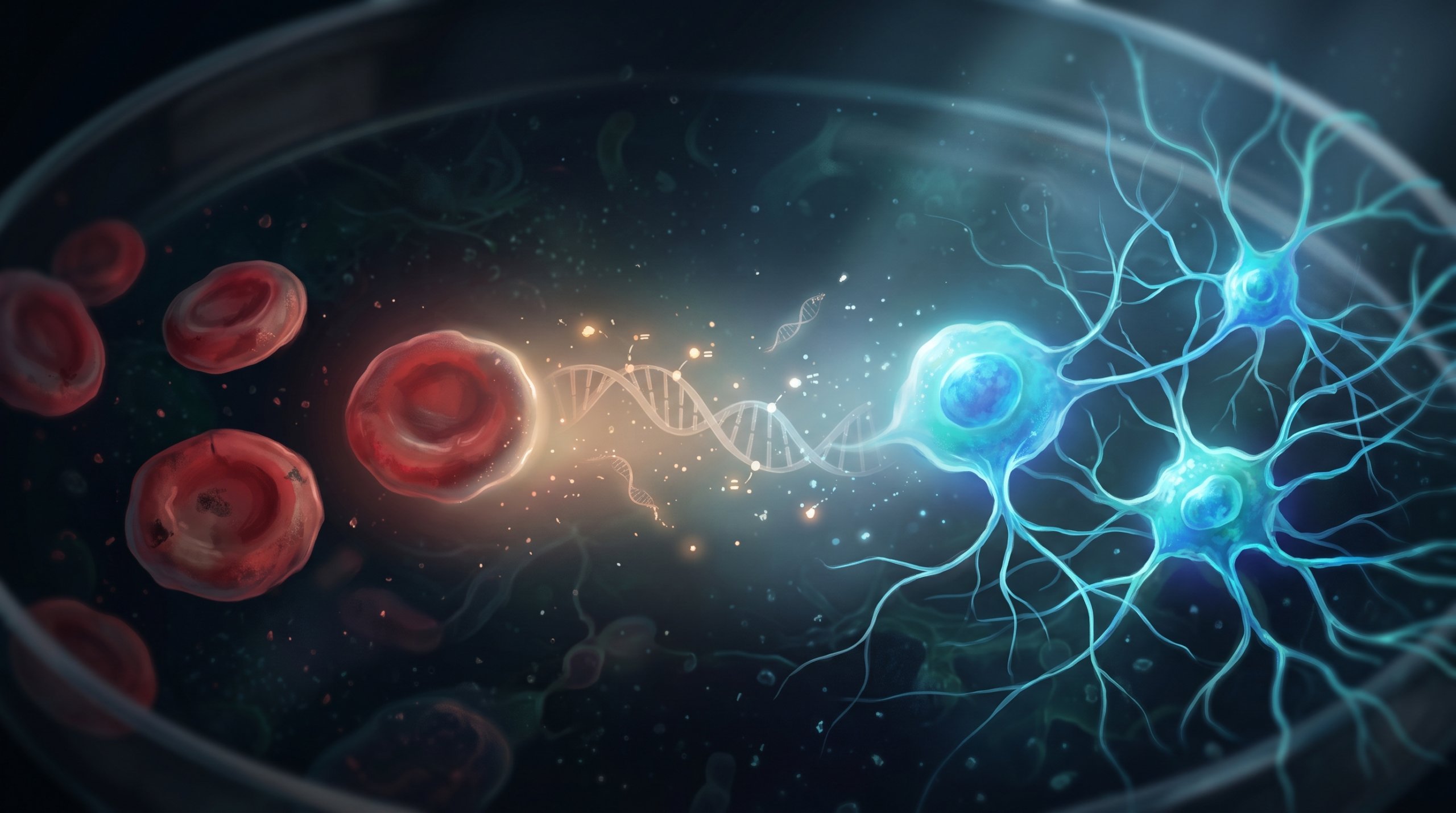
Researchers in Bonn have directly converted blood cells from an 80-year-old into neural stem cells with a molecular age of under 20. The rejuvenation happened gradually, and that is exactly what makes it a useful model for unravelling how cells become younger.