Nederlands
Alzheimer's disease
Alzheimer's is a brain disease in which brain cells gradually die. As a result, memory and thinking decline. Researchers are looking for the causes and for ways to slow the disease.
Alzheimer's is the most common form of dementia. Brain cells become damaged and die, first in the areas for memory. People forget things, and later thinking, speaking and living independently also become harder. The disease develops over many years.
How does it work?
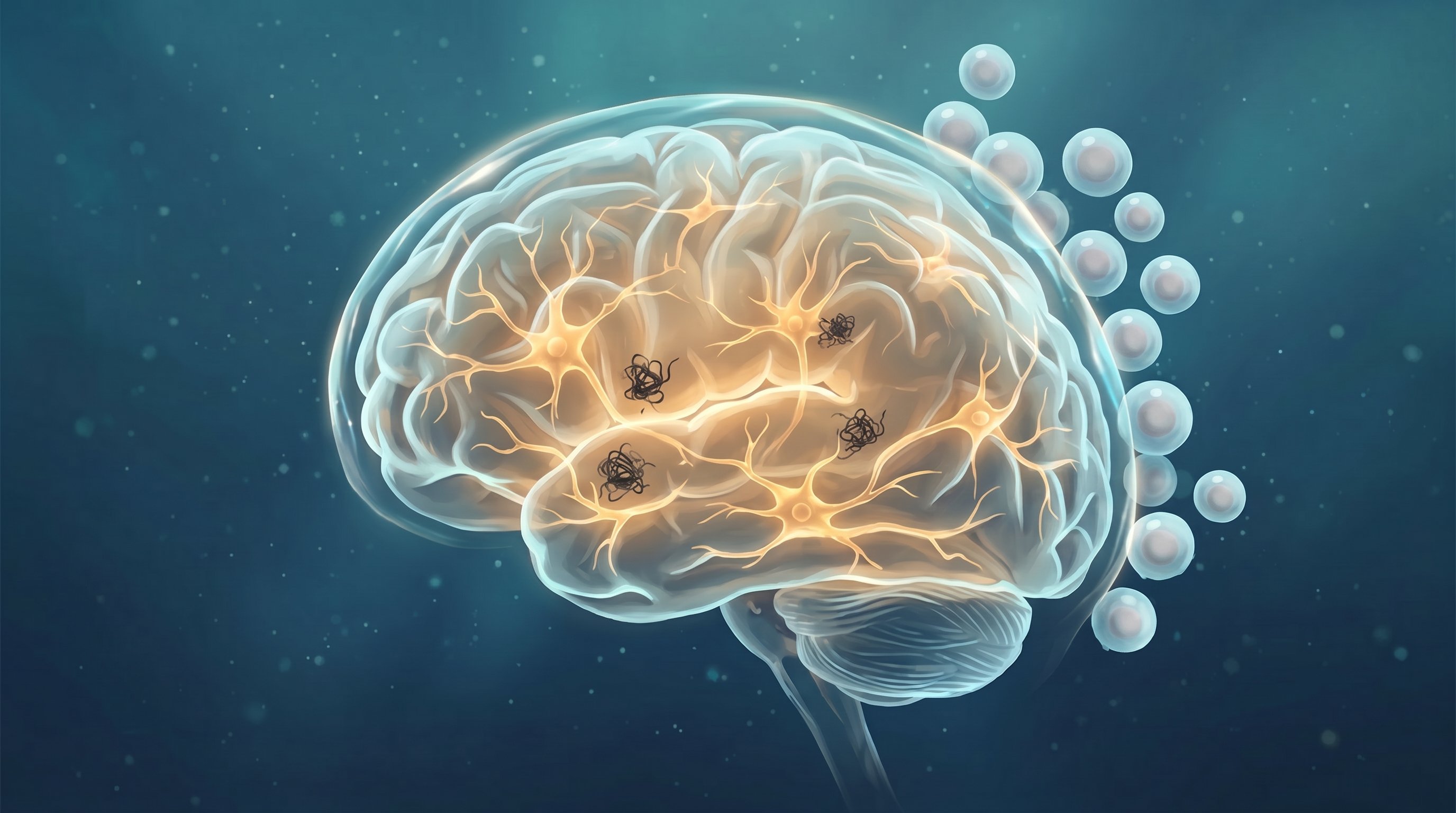
In the brains of people with Alzheimer's, two proteins build up. Amyloid-beta clumps together into plaques, small deposits between the brain cells. Tau forms tangles inside the cells themselves. A protein is a long chain of building blocks that carries out a task in the body. When such a chain clumps together wrongly, it can no longer do that task and cells are damaged.
The brain's immune system plays a part as well. There are indications that immune cells from the rest of the body enter the brain in the disease. What exactly the first trigger is is still being investigated. Probably several factors work together.
Why it matters
Many people come into contact with Alzheimer's, directly or through family. A longer healthy life therefore comes closer if the disease can be slowed or prevented. Researchers are trying this from ever new angles, and that is visible in WATTBA's news.
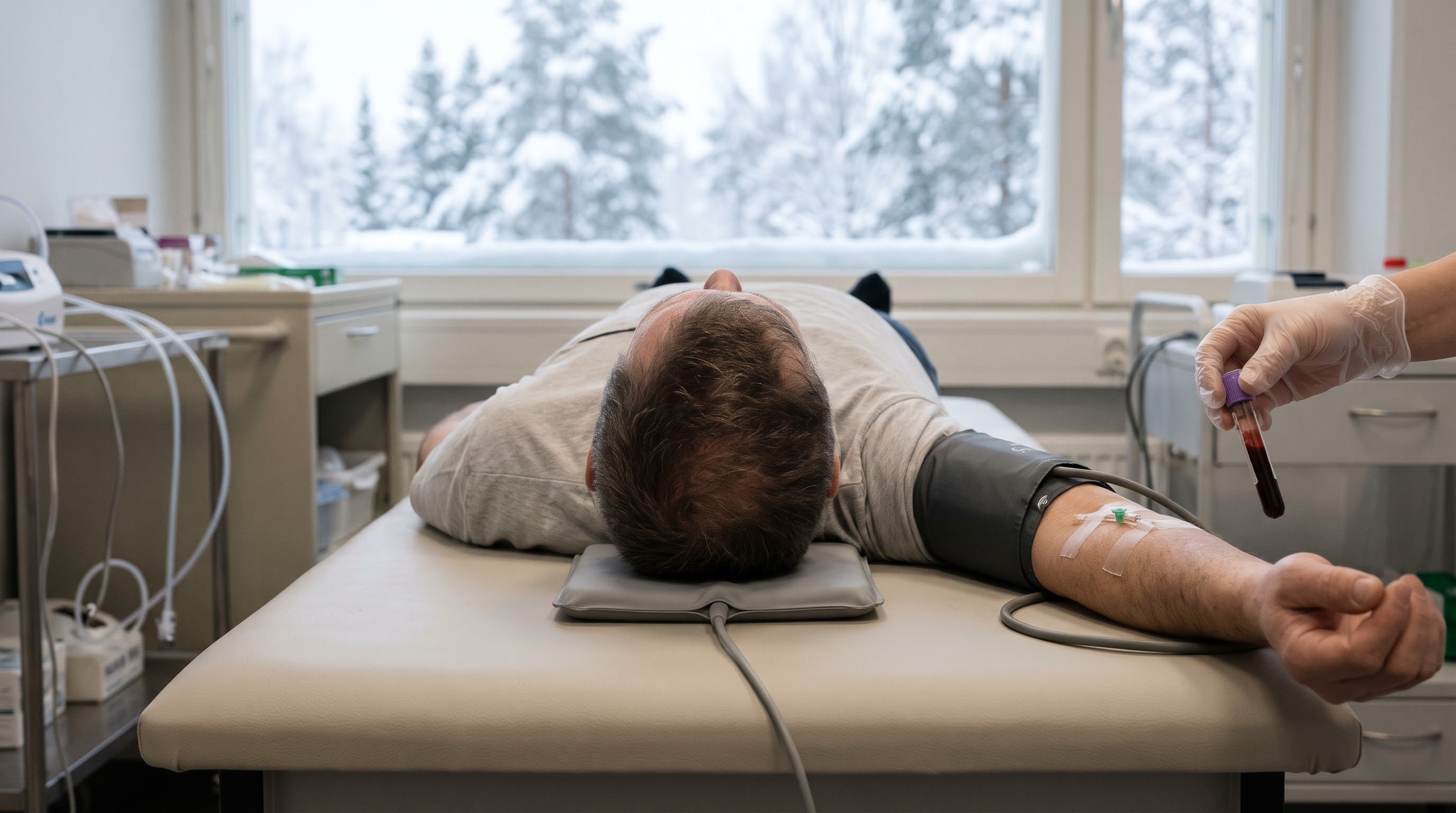
Researchers in Finland gave healthy people a nitroglycerine tablet under the tongue, a known heart drug, and then had them lie on a vibrating surface. Afterwards they had a third more amyloid-beta in their blood, a sign that the brain was clearing the protein faster (link). In St. Louis, researchers instead kept immune cells out of the brain in mice. Those mice kept some 40 per cent more brain tissue and remembered better (link).
AI helps too, especially in looking for patterns in large amounts of data. The London company IMU Biosciences is going to measure the immune cells in 80,000 blood samples from UK Biobank in great detail. Linked to genes and health data, that should teach AI models which changes in the immune system can precede a disease such as dementia (link).
These are research results, not treatment advice. A doctor or memory clinic assesses symptoms and decides what is appropriate for a person.
Articles about Alzheimer's disease
-
Nitroglycerin and vibration help the brain clear an Alzheimer's protein
Finnish researchers gave healthy people a nitroglycerin tablet under the tongue and had them lie on a vibrating surface. Afterwards, their blood held a third more amyloid-beta, a sign that the brain cleared the Alzheimer's protein faster. The next step is research in patients.
-
AI designs molecular scissors that cut disease proteins at a chosen spot
The lab of Nobel laureate David Baker used AI to design enzymes that cut other proteins at a preselected position, including the protein that clumps together in Alzheimer's disease. Some of those enzymes also work in living cells.
-
Nearly 2,000 AI agents from OpenAI work through an atlas of 7.7 million brain cells in 32 minutes
OpenAI had nearly 2,000 AI agents work at the same time on one large dataset of mouse brains. In 32 minutes they came up with explanations and new research ideas, work that would take people months. The next step is to test the best ideas in the lab.
-
Antibody keeps immune cells out of the brain and slows Alzheimer's damage in mice
Researchers in St. Louis blocked the route immune cells take into the brain in mice. The mice kept about 40 per cent more brain tissue and remembered better, while the harmful protein tau simply stayed in place. The next step is finding out whether this can be done safely in people.
-
British biobank maps the immune systems of 80,000 people, as learning material for AI
The London company IMU Biosciences will measure the immune cells in 80,000 blood samples from UK Biobank in great detail. Linked to genes and health data, this should teach AI models which changes in the immune system signal diseases such as cancer or dementia.
-
Probiotics slow an early blood sign of Alzheimer's in Korean study
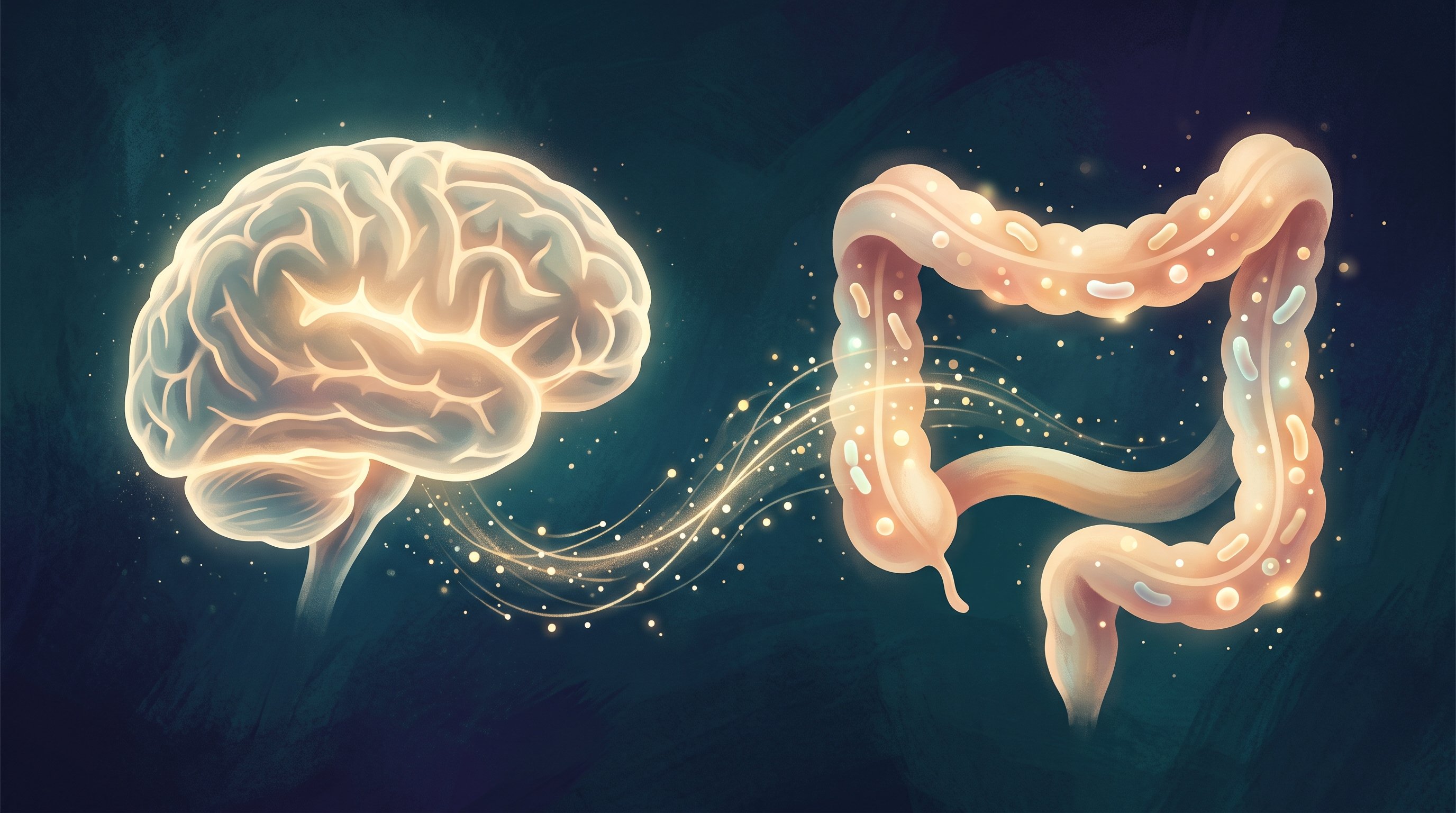
In a South Korean study, older people with early memory problems took good gut bacteria or a dummy treatment every day for half a year. In the probiotics group, a blood value linked to Alzheimer's went down. Larger and longer studies now need to confirm this.
-
Brain enzyme helps keep memory sharp in old age
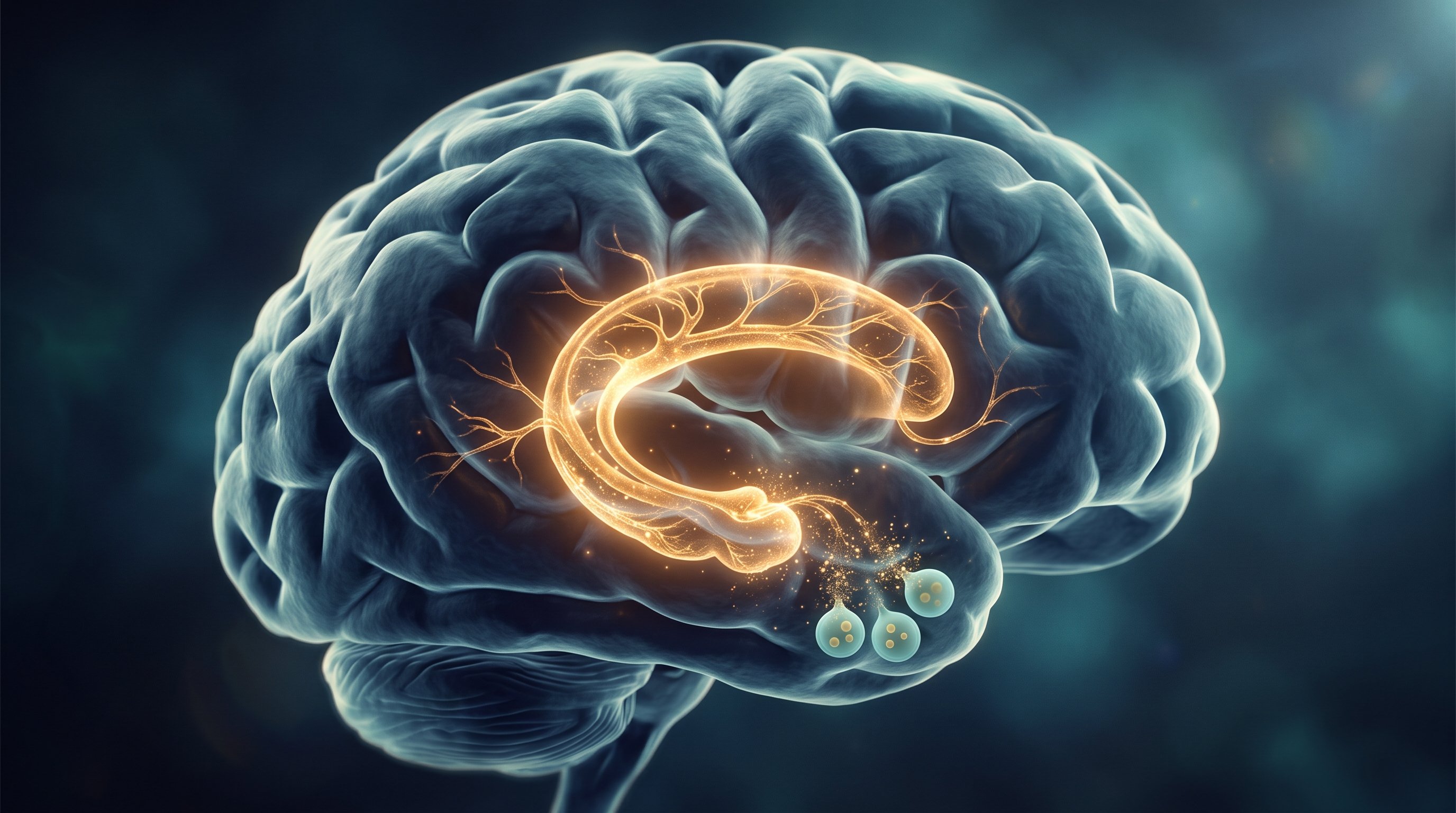
Researchers in Boston have discovered an enzyme that the brain itself makes more of as we get older, and that seems to protect memory. In old mice, an extra dose kept memory in better shape. The next step is to find out whether this can also be done safely in humans.
-
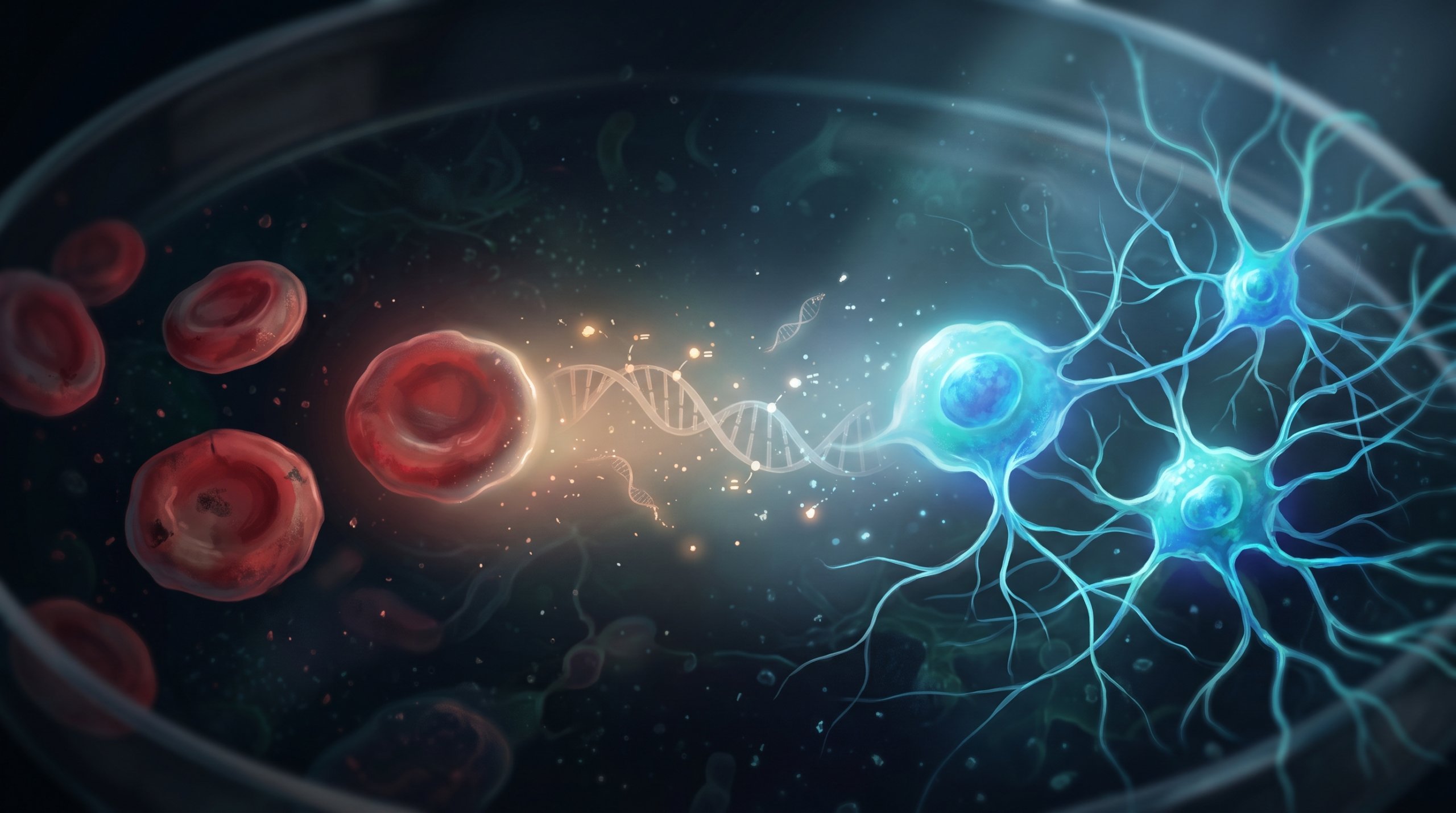
Blood cells from an 80-year-old become young brain stem cells in the lab
Researchers in Bonn have directly converted blood cells from an 80-year-old into neural stem cells with a molecular age of under 20. The rejuvenation happened gradually, and that is exactly what makes it a useful model for unravelling how cells become younger.
-
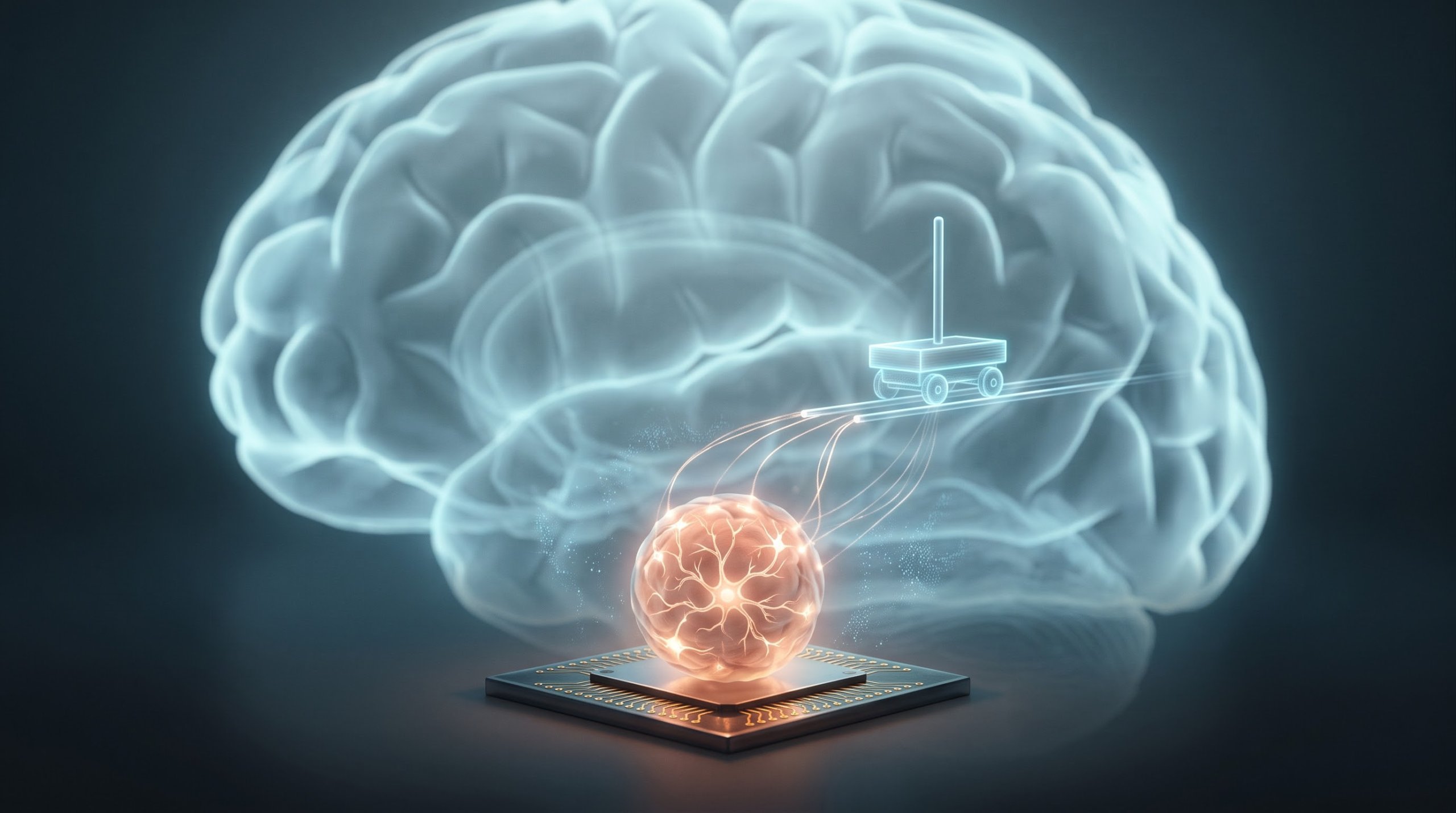
Lab-grown human brain tissue learns to balance a virtual pole with an AI coach
At a meeting in Silicon Valley, a team from UC Santa Cruz showed how cultured human brain tissue learns a classic control task: keeping a pole upright on a cart. An AI algorithm acts as the coach. A volunteer with a keyboard could barely keep up with the tissue.