Nederlands
British biobank maps the immune systems of 80,000 people, as learning material for AI
The London company IMU Biosciences will measure the immune cells in 80,000 blood samples from UK Biobank in great detail. Linked to genes and health data, this should teach AI models which changes in the immune system signal diseases such as cancer or dementia.
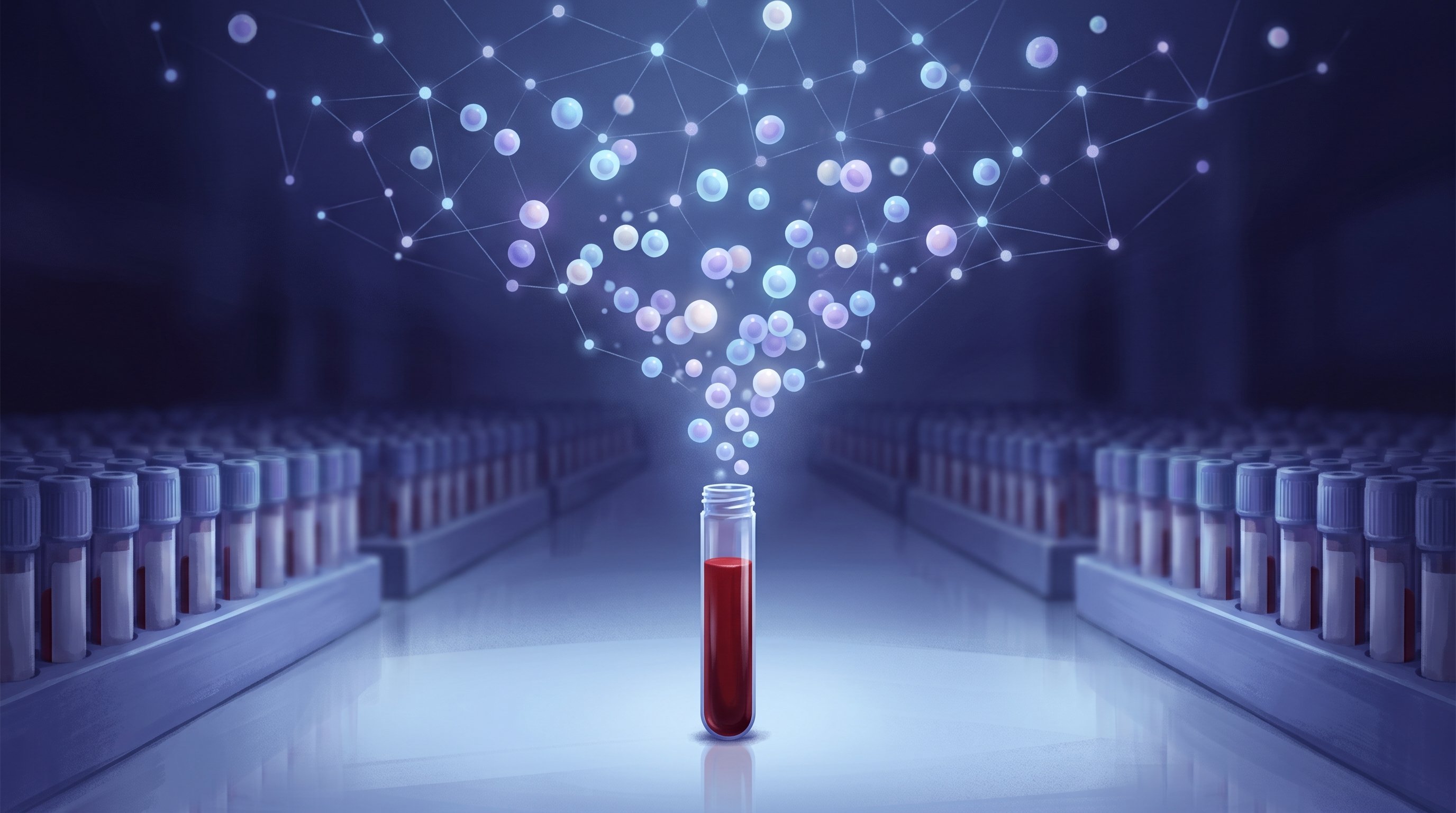
Our immune system plays a part in almost every disease: from infections and cancer to diabetes and dementia. Yet an ordinary blood test tells doctors little about it. They see how many white blood cells there are, but not exactly which types, or how they behave. As a result, a lot of information about a person's health goes unused.
A new British project wants to change that. On 19 October 2026, the London biotech company IMU Biosciences announced that it will measure the immune cells in more than 80,000 blood samples from UK Biobank in great detail.
A treasure chest of health data
UK Biobank is a large British research collection. Over the past fifteen years, about 500,000 volunteers have given blood, urine and saliva, and allowed their health to be followed. Genetic data, brain scans, lifestyle and medical history are already known for these people, without them being identifiable. Researchers all over the world already use these data for thousands of studies.
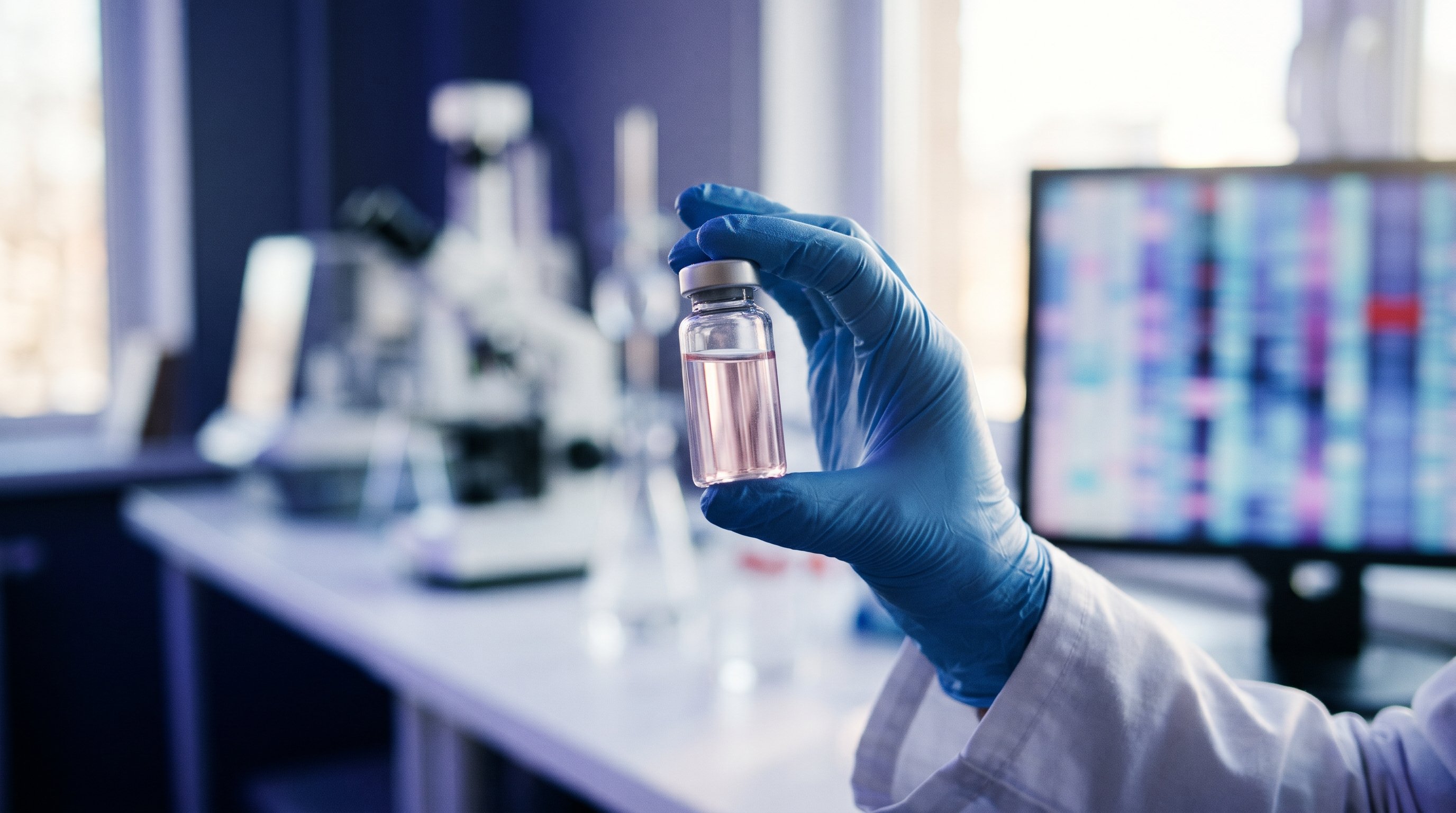
What was still missing was a detailed picture of the immune system. For each blood sample, IMU measures which types of immune cells are present, how many, and what they are doing. According to the company, one sample yields more than 100 million data points this way. Some of the samples were frozen years ago. This lets researchers look back: what did the immune system look like in people who later became ill?
Learning material for AI
The explicit aim is also to feed AI models. An AI model learns patterns from large amounts of data, but those data must then have been measured in the same way. IMU therefore uses the same equipment and the same method for all samples. The company wants to use the data to build new AI models of the immune system, which help to find targets for medicines.
The British government is supporting the project with a grant of 1.57 million pounds (about 1.9 million euros) from its programme for homegrown British AI. This pays for measuring the first 10,000 samples. For that first group, researchers will also look at which genes are switched on in each cell.
IMU is working with the American company Waters, which supplies the measuring equipment, and with Ultima Genomics, which does the DNA reading. Measuring began in September.
Caveats and next steps
The project is at the start. Measuring 80,000 samples takes time, and the data will go back to UK Biobank step by step. After that, approved researchers can work with them under the biobank's usual rules. IMU's ultimate goal is to measure all 500,000 participants.
According to Naomi Allen, chief scientist at UK Biobank, the data show how immune cells change as we get older, and which changes can predict who will develop cancer, diabetes or dementia. That can help to detect diseases earlier and to find new medicines.
What does this mean for the road to the singularity?
AI models are only as good as the data they learn from. Language models became strong because an enormous amount of text existed. In biology, such a mountain of well-measured data was often still missing. Projects like this fill that gap: tens of thousands of people, measured in the same way, linked to what later happened to their health.
That offers a great opportunity. An AI model that takes in genes, immune cells, scans and medical history at the same time can find connections that stay out of sight for a specialist in a single field, such as an early signal of dementia in the immune system. In this way, an ordinary blood test may one day grow into an early warning for diseases, long before someone has any symptoms.
What is the technological singularity? Read the explanation →